Electric car motors are becoming easier to understand once you see how each type works.
When I first looked into them, I wanted a clear breakdown without all the technical noise. If you feel the same way, you’re in the right place.
I’ll walk you through the five main electric car motors, how they work, and why different vehicles use them.
You’ll get simple explanations of AC and DC motors, what makes each one useful, and how they affect everyday driving.
My goal is to give you the kind of information I wish I had when I started learning about EVs.
By the end, you’ll have a good understanding of the motor options available today and what sets them apart, so you can feel more confident when reading about or choosing an electric car.
How Electric Motors Work in EVs?
Electric motors in EVs follow a simple idea. They take electric power from the battery and turn it into motion through a spinning magnetic field.
This process feels smooth because the motor does not need fuel, fire, or heavy parts to run.
It works in a clean loop and gives power right when it’s needed. Gas engines are different because they burn fuel, create heat, and use many parts to keep moving.
That’s why they make more noise and need more care.
An EV motor skips all that. It sends power straight to the wheels with almost no delay. This makes the drive feel quick, steady, and light.
The whole system stays cooler and wastes less energy, which helps the car hold power for longer trips.
Types of Motors
These are the main electric car motors used in today’s vehicles. Each one works in a different way and offers its own set of benefits.
1. AC Induction Motor
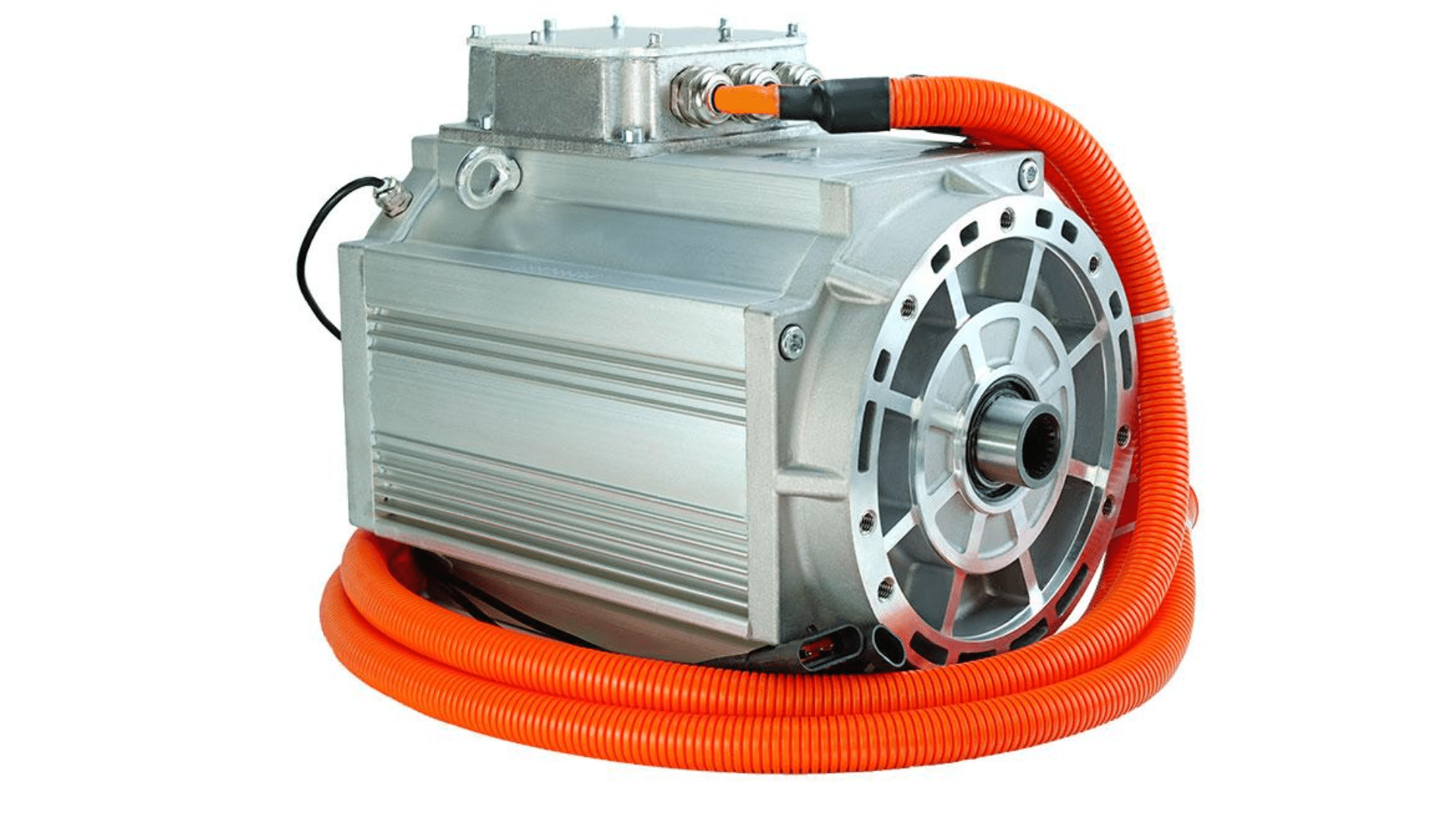
An AC induction motor works by creating a spinning magnetic field that pulls the rotor into motion.
It runs without magnets, which helps keep costs lower for many EV builders. This motor handles heat well and gives steady power across different speeds.
It’s also known for being easy to manage and needing less care over time.
You get smooth acceleration, and the motor stays stable even when the car works harder on hills, long trips, or heavy loads during daily driving each and every day.
2. Permanent Magnet Synchronous Motor
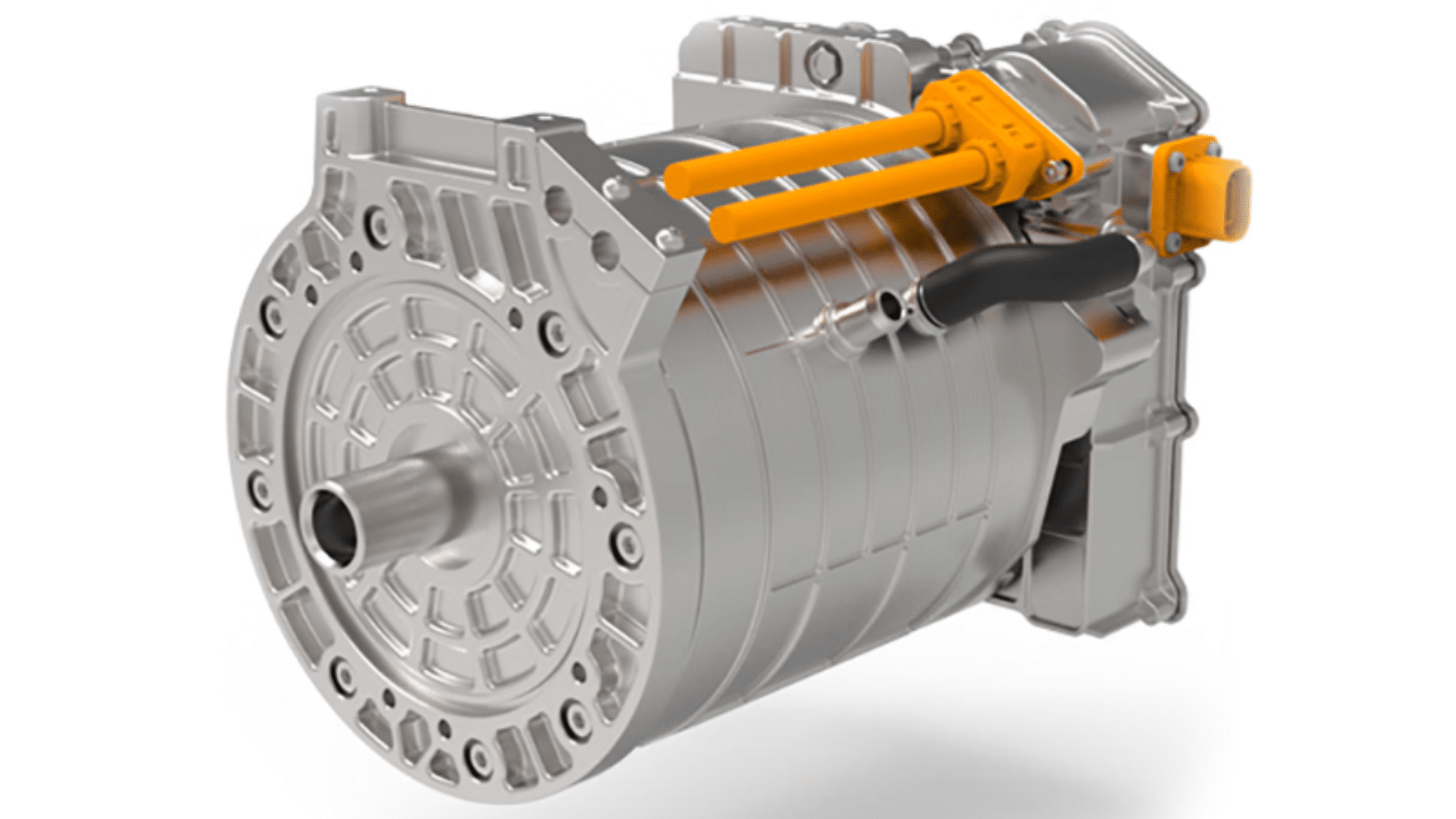
A permanent magnet synchronous motor uses strong magnets on the rotor to create smooth and steady rotation.
It stays in sync with the magnetic field, which makes it quick and responsive on the road. Many EV makers choose this motor because it uses less energy and delivers good power at lower speeds.
That means the car feels light and ready when you press the pedal.
It also helps improve driving range and works well for daily trips in different conditions throughout the entire day.
3. Switched Reluctance Motor
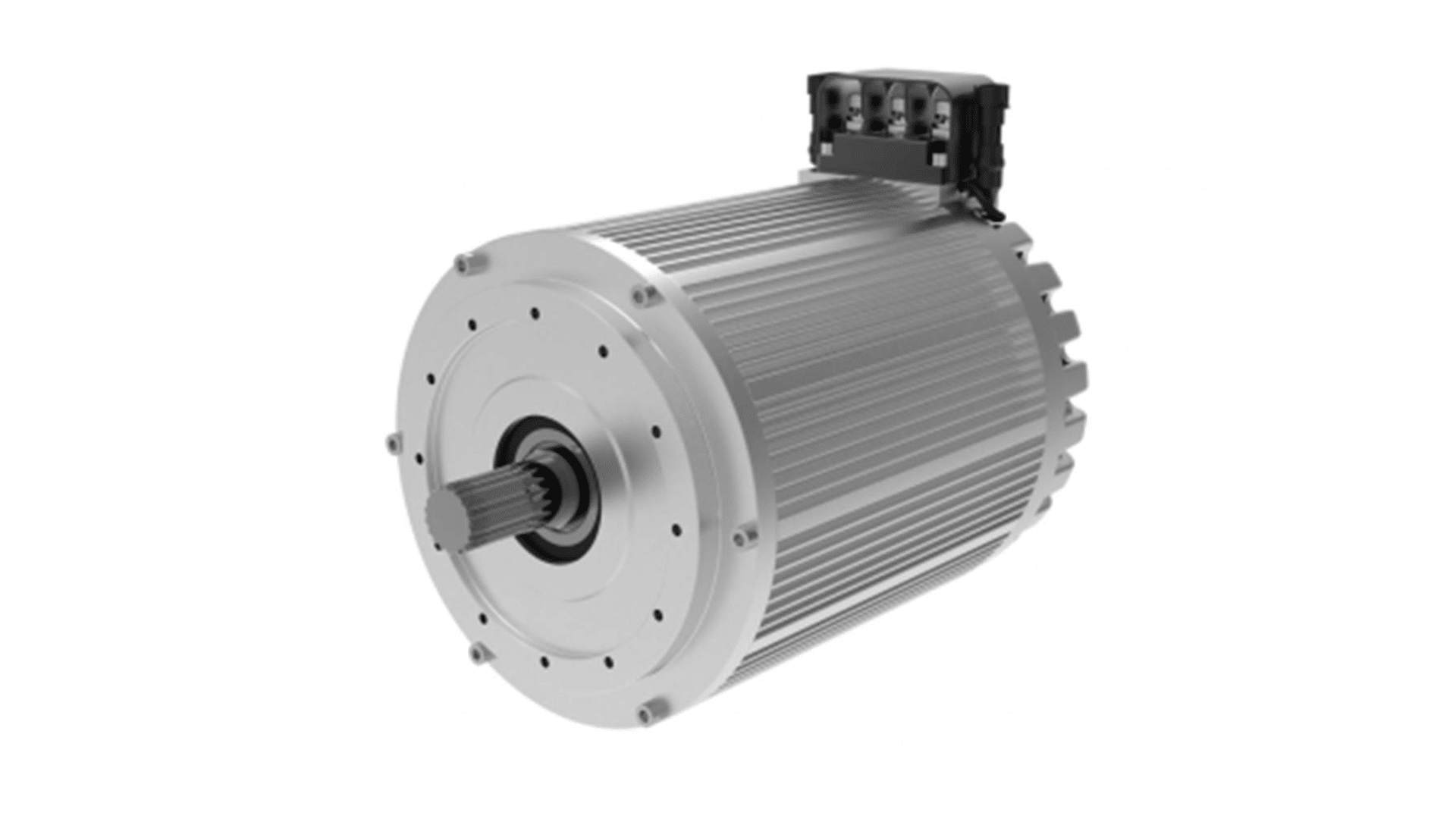
A switched reluctance motor works by pulling the rotor toward different magnetic paths as each one switches on and off.
Its simple build makes it strong, reliable, and easy to maintain. Many makers choose this motor for EVs that need steady power without raising costs.
It handles rough use well and stays cool during long drives, which helps it last longer.
It can be louder than other motors, but it still offers solid performance for daily driving needs while keeping upkeep low and efficiency steady.
4. Brushless DC (BLDC) Motors
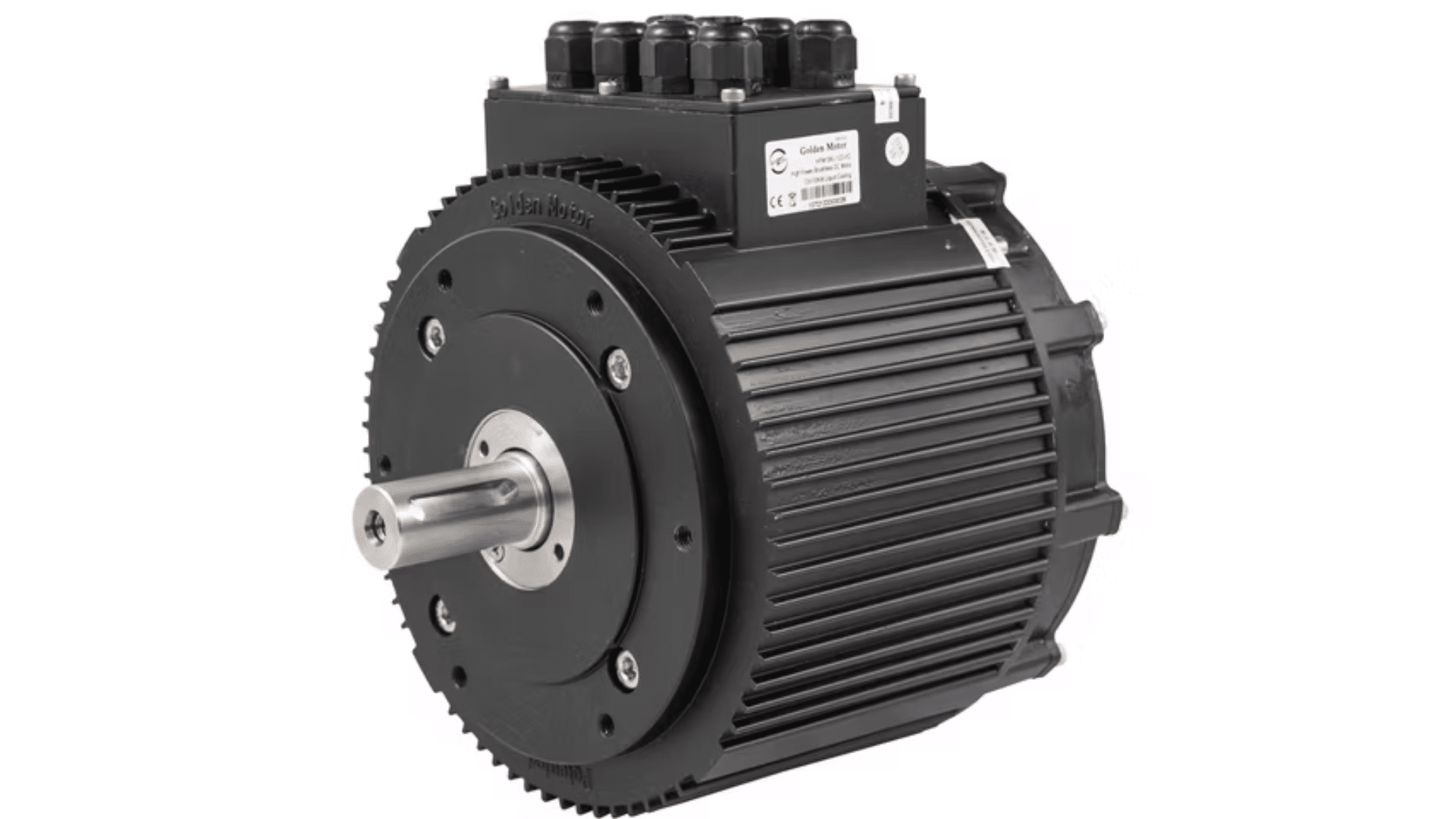
A brushless DC motor uses electronic control instead of brushes to spin the rotor, which cuts friction and helps the motor stay cool and steady during use.
Many EV makers choose this motor because it responds quickly and works well across a wide range of speeds.
It also needs less care and lasts longer, which makes it a practical choice for most drivers.
People like the smooth feel when starting or stopping, and it has become one of the most common motor types for daily driving.
5. Axial Flux Electric Motors
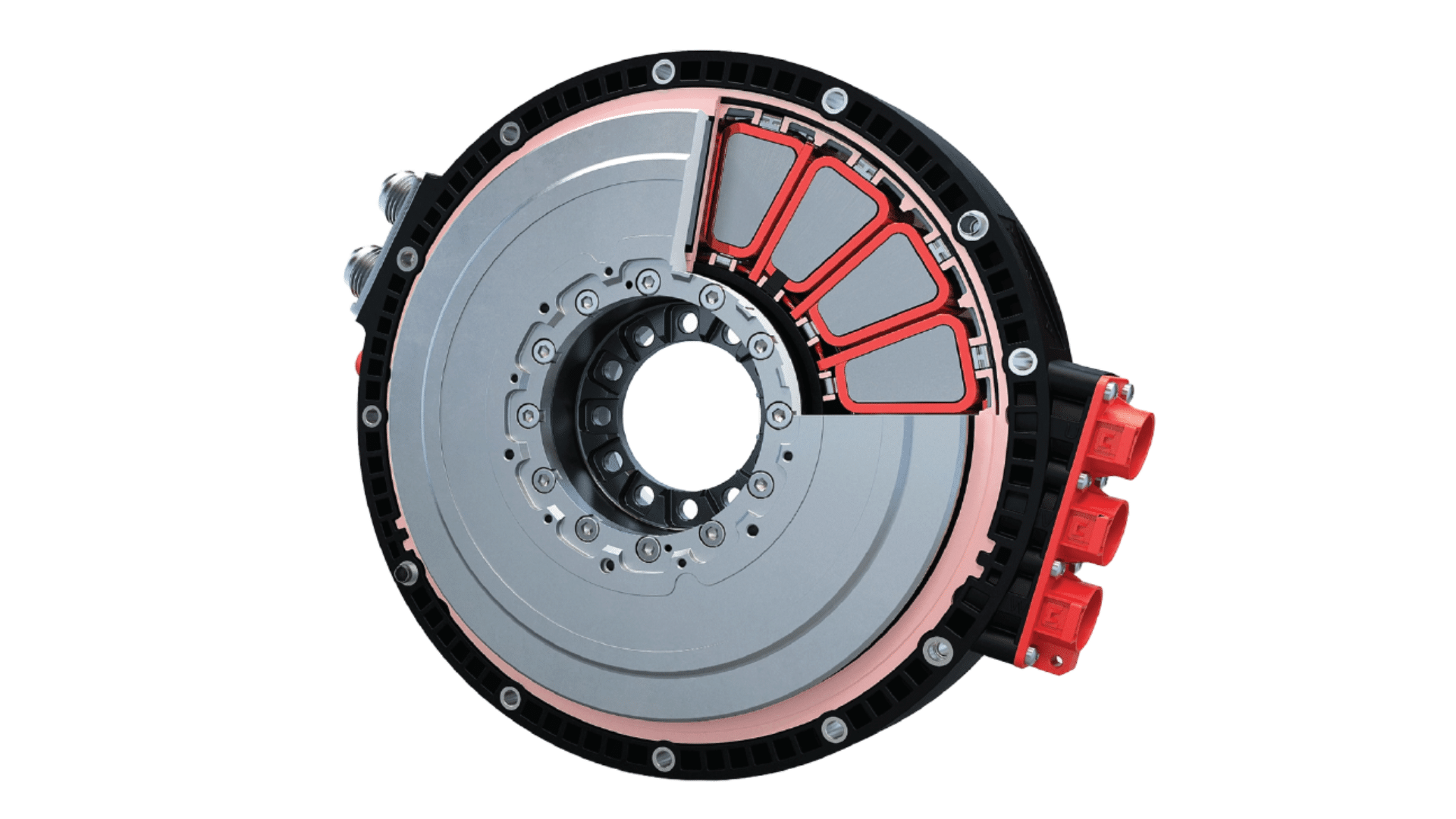
An axial flux motor works by placing the rotor and stator face-to-face instead of side-by-side, which makes the motor thin and light.
This design also gives strong torque at lower speeds, making it useful for many modern EV needs.
Many new electric car designs use this type because it saves space and improves overall energy use. You often see it in advanced or high-performance models where space matters.
It helps the car feel quick, direct, and ready each time you press the pedal during daily driving.
How do These Motors Shape Your Driving Experience?
Different electric motors change how the car feels on the road. Each one affects response, smoothness, power, and daily comfort.
1. Acceleration and Response
Different motor types play a big role in how quickly an electric car reacts when you press the pedal.
Some motors give instant torque, which makes the car feel quick and ready right away. Others build power more gradually, offering a smoother start for daily trips.
How the motor handles low-speed movement also changes parking, merging, and driving in busy areas.
These small details shape how natural and controlled your drive feels every day.
2. Smoothness on the Road
Motor design affects how steady and quiet the car feels while moving.
Some motors create a very smooth flow of power, which helps the car glide without small jolts or hesitation. Others may create a slight hum or stronger pull as speed changes.
How well the motor manages heat or strain also affects comfort on hills and long drives.
All these traits influence how calm, stable, and pleasant the ride feels in everyday use.
3. Energy Use and Range
Motor efficiency has a direct impact on how far an electric car can travel on one charge.
Some motors use less energy while keeping strong power, which helps extend driving range without extra battery size.
Others may need more energy under heavy loads, which can shorten long trips. How the motor performs at both low and high speeds also changes the overall range.
These differences affect how often you charge and how confident you feel on longer drives.
4. Noise and Feel
Every motor type makes its own level of sound and vibration, which can change the mood inside the cabin.
Some motors run very quietly, creating a more peaceful ride. Others may make a light whir or a stronger tone when pushing the car harder.
Small shifts in vibration or sound can influence how connected you feel to the road.
These details shape comfort, awareness, and how enjoyable the drive feels during daily trips or longer journeys.
5. Power at Different Speeds
Motor design affects how well the car handles slow city driving, quick highway changes, and moving up steep hills.
Some motors deliver strong power at low speeds, making start-and-stop traffic easier. Others perform best at higher speeds, keeping the car steady during long highway stretches.
How the motor distributes power across the full speed range shapes your confidence when merging, passing, or climbing.
These differences influence how ready the car feels in every situation.
Motor Lifespan and Maintenance
EV motors are built to last a long time because they have fewer moving parts and don’t deal with heat and pressure the way gas engines do.
Many motors can run well past 200,000 miles with normal use, and some last even longer when the car is driven gently.
The maintenance needs are small since you don’t replace belts, spark plugs, or fuel parts.
Most of the care goes toward keeping the cooling system healthy and making sure the software that controls the motor stays updated.
Common issues are rare, but they can happen. Some drivers notice noise from bearings, slight drops in power, or heating problems if the cooling system isn’t checked on time.
These problems are usually easy to fix when handled early. Overall, the motor stays reliable if you follow simple service checks and pay attention to small signs.
Picking the Right Motor for You
Choosing a motor comes down to how you drive each day and what kind of feel you want on the road. This keeps the choice simple.
• Pick a motor that works well for your daily drive, not just speed.
• Look at how much range you want on one charge.
• Think about how often you drive in traffic or on long roads.
• Check if you want quick starts or a steadier feel.
• Keep in mind how much care and cost matter to you.
You don’t need to know every small detail. You only need a clear idea of what kind of drive feels right for your needs.
Conclusion
Understanding the different types of electric car motors helps you see what truly shapes the way an EV feels on the road.
Each motor offers its own mix of power, smoothness, and efficiency, and knowing these differences makes it easier to choose a car that fits your daily driving style. You don’t need to be an expert to make a confident choice.
You only need a basic picture of how these motors work and what they bring to everyday trips.
As you look at your options, focus on what matters most to you: range, response, quiet driving, or low upkeep. Your needs will point you toward the right fit.
If you already drive an EV or have tested one, share your experience in the comments below.