Electric vehicles are everywhere these days, and it’s easy to see why they’ve caught so much attention.
They promise cleaner air, lower fuel costs, and a quieter ride. Car manufacturers are pushing them hard, and governments are offering incentives to make the switch more appealing.
But before you jump on the EV bandwagon, I think it’s essential to pump the brakes and look at the whole picture.
While electric cars have their strengths, they also come with serious drawbacks that many buyers don’t discover until after they’ve signed the papers.
From frustrating charging waits to unexpected battery costs, these issues can turn your dream car into a headache.
In this blog, I’ll share the key downsides of electric cars that dealers rarely mention, so you can decide if an EV fits your lifestyle.
What You Should Know Before Choosing an EV?
Choosing an electric vehicle sounds simple, but there’s a lot you should know before making the switch. EVs offer quiet rides and lower emissions, yet their daily use can bring challenges you might not expect.
Charging access, driving habits, and climate all play a big role in how well an EV fits your life.
If you drive long distances, rely on quick stops, or live in an area with limited charging stations, you may find the experience less convenient than advertised.
Upfront costs can also be higher, and battery performance changes with temperature and age.
Before committing, it helps to look honestly at your routine, where you drive, and how much time you can set aside for charging.
Understanding these factors makes choosing the right vehicle much easier.
Top Reasons Why Electric Cars Are Bad
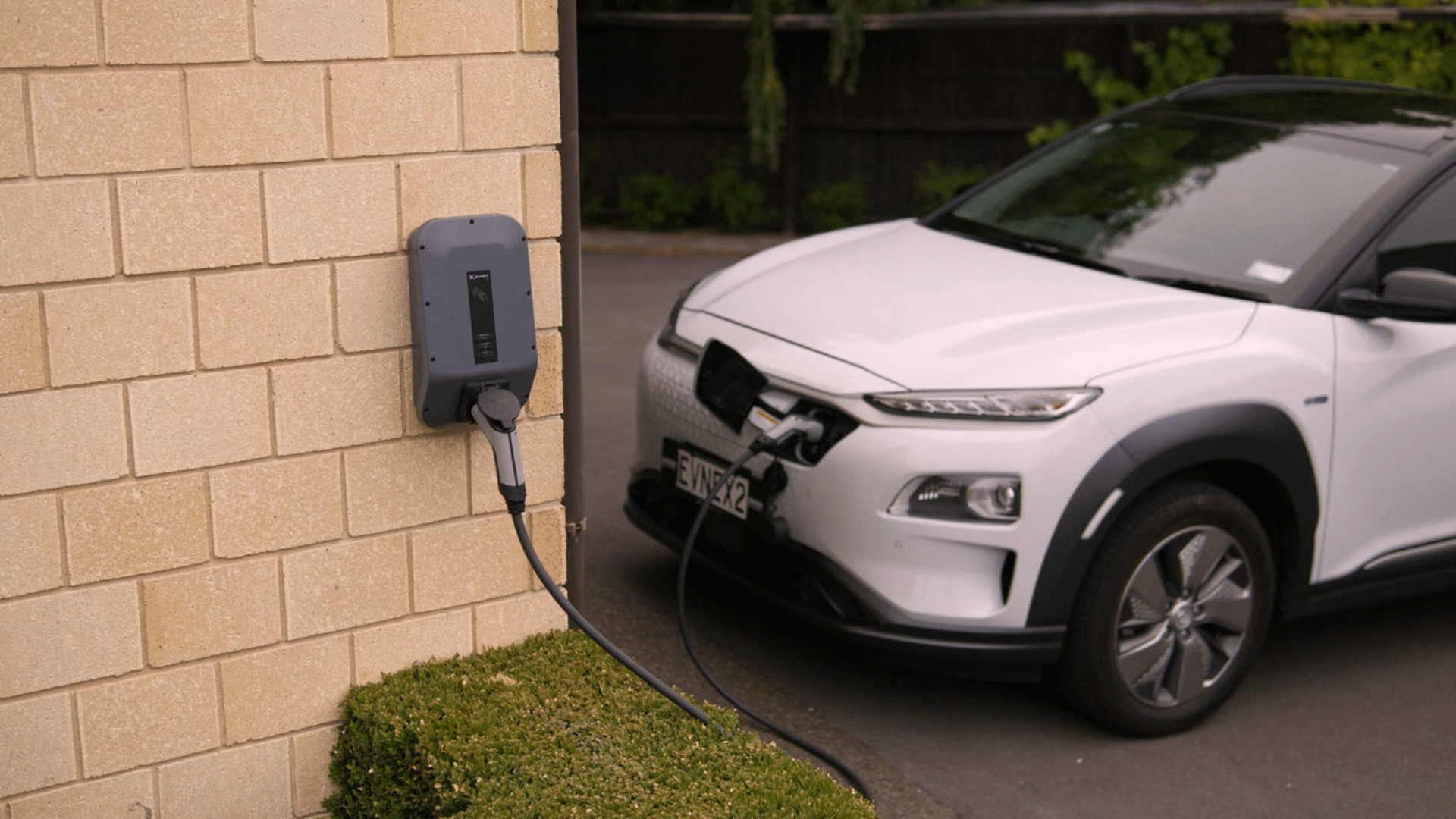
This section explains the main problems electric car drivers face and why they matter in daily life. Knowing these issues now helps you decide if an EV truly fits your needs.
1. Limited Driving Range
Range anxiety is real, and it’s one of the biggest complaints from EV owners.
Most electric cars can only travel 200 to 300 miles on a full charge, which sounds decent until you factor in cold weather.
Winter temperatures can slash your range by 30% or more, leaving you stranded or scrambling for chargers.
Long road trips become stressful planning exercises rather than spontaneous adventures you’d enjoy in a gas car.
2. Slow and Inconvenient Charging
Charging an EV isn’t like filling up at a gas station. Even with fast chargers, you’re looking at 30 to 45 minutes for an 80% charge.
Standard home charging can take 8 to 12 hours overnight.
Public chargers often have wait times, especially on busy travel days.
You can’t just pull up, pump, and go in five minutes like you would with gasoline, which makes every charging stop a significant time commitment.
3. Weak Charging Infrastructure
Finding a working charger can feel like a treasure hunt.
Many areas, especially rural communities, have very few charging stations available.
Even in cities, you might encounter broken chargers, occupied spots, or compatibility issues with your car’s charging port.
The infrastructure hasn’t caught up with the growing number of EVs on the road, leaving drivers frustrated and sometimes unable to charge when they need to most.
4. Battery Degradation Over Time
EV batteries don’t last forever; they gradually lose capacity with every charge cycle. After five to eight years, you might notice your car only holds 70% to 80% of its original charge.
This means shorter trips and more frequent charging sessions.
Replacing a worn-out battery can cost anywhere from $5,000 to $15,000, a massive expense that gas car owners never have to face with their engines.
5. High Upfront Purchase Costs
Electric vehicles typically cost $10,000 to $15,000 more than comparable gas-powered cars.
While federal and state incentives can help, they don’t always fully cover the gap.
Many buyers still face higher monthly payments and larger down payments. Budget-friendly EV options are limited, forcing many shoppers into pricier models.
For families watching their finances, this upfront cost difference can be a dealbreaker that outweighs potential fuel savings.
6. Expensive Repairs and Maintenance
When something goes wrong with an EV, repair bills can shock you.
Specialized electric components cost more than traditional car parts, and fewer mechanics have the training to work on them.
Battery damage from accidents can total your car, due to the cost of replacement. Even routine service requires technicians with specific certifications.
You’ll often pay premium labor rates and wait longer for appointments, making ownership more expensive than manufacturers initially suggest.
7. Environmental Concerns with Battery Materials
EV batteries require lithium, cobalt, and nickel, which are extracted through environmentally damaging mining operations.
These processes pollute water sources, destroy habitats, and often involve questionable labor practices. Manufacturing batteries also requires substantial energy, often from coal-fired power plants.
While EVs produce zero tailpipe emissions, their environmental footprint during production is significantly greater than that of traditional vehicles.
The “green” image doesn’t tell the whole story about their actual ecological cost.
8. Low Resale Value
Electric cars depreciate faster than gas-powered cars, mainly due to concerns about battery degradation.
Potential buyers worry about the cost of battery replacements and outdated technology.
Rapid improvements in EV tech make older models quickly less desirable. You might lose 50% to 60% of your car’s value in just three years.
This steep depreciation means you’ll get much less money back when you’re ready to sell or trade in your EV.
9. Limited Model and Feature Options
The EV market still offers fewer choices than the traditional vehicle market. Budget-friendly options under $30,000 are scarce.
If you need towing capacity, rugged off-road features, or specific body styles like full-size SUVs or work trucks, your options shrink dramatically.
Many EVs prioritize tech features over practical utility.
Compared to the hundreds of gas vehicle configurations available, electric car shoppers face limited selection that may not match their specific needs or preferences.
10. Safety Concerns with Battery Fires
While rare, lithium-ion battery fires are hazardous and difficult to extinguish.
These fires burn hotter than regular car fires and can reignite days after being put out. Firefighters need specialized training and equipment to handle EV fires safely.
If your battery is damaged in an accident, even minor collisions can pose a fire risk.
Although manufacturers implement safety features, the chemical nature of these batteries poses unique hazards not found in traditional vehicles.
Additional Issues Many Drivers Overlook
These problems may not show up right away, but can create real issues in daily use. Knowing them early helps you avoid regret and understand the real challenges of owning an electric car.
1. Rising Electricity Costs and Taxes
Charging your EV during peak hours can cost nearly as much as filling a gas tank. Many utility companies charge premium rates between 4 PM and 9 PM when demand is highest.
Some states are also introducing special EV taxes and road-use fees to replace lost gas tax revenue.
Public fast-charging stations often charge $0.40 to $0.60 per kilowatt-hour, eliminating much of the cost advantage you expected from going electric.
2. Challenges for Apartment and City Drivers
If you live in an apartment or condo without dedicated parking, charging becomes a daily headache.
You can’t install a home charger, so you’re forced to rely entirely on public stations. Street parking means you’ll spend extra time and money at commercial charging stations several times a week.
City dwellers face competition for limited charging spots and higher urban electricity rates.
What should be a simple overnight routine becomes an inconvenient errand that disrupts your schedule regularly.
3. Limited Towing and Hauling Strength
Towing a trailer or boat can cut your EV’s range in half or more. The extra weight drains batteries much faster than just highway driving.
Many electric vehicles aren’t rated for heavy towing, and those that are lose significant capability under load.
You might need to stop and recharge every 100 miles on a trip that a gas truck would handle easily.
For anyone who regularly hauls equipment, trailers, or recreational vehicles, EVs can’t match the capabilities of traditional cars.
Drivers Who May Struggle with Electric Cars
Long-distance commuters may face constant charging and added stress. Rural and cold-climate drivers deal with fewer chargers and reduced winter range.
- Long-distance commuters: If you drive over 100 miles daily, you’ll face frequent charging needs and range anxiety, which makes every commute stressful and time-consuming.
- Rural residents: Limited charging infrastructure means long drives to find stations and fewer emergency options when you’re running low on power.
- Cold-climate drivers: Winter temperatures drastically reduce battery range, sometimes by 40%, leaving you with far less driving distance when you need it most.
- Budget-sensitive buyers: High purchase prices and potential repair costs make EVs financially risky if you’re working with tight budgets or can’t afford unexpected battery replacement expenses.
Improvements that May Help Over Time
New battery tech may bring longer range and faster charging, but it’s still years from everyday use. More public chargers are also coming to cities and small towns, making EVs easier to own over time.
- Better batteries that last longer and charge faster: New solid-state batteries promise 500+ mile ranges and 10-minute charging times, though they’re still years away from mass production and affordable pricing.
- More charging stations in cities and small towns: Networks are expanding rapidly in urban areas, with companies investing billions in infrastructure, but rural coverage remains spotty and inconsistent.
- Lower manufacturing costs that reduce purchase prices: As production scales up, EV prices are gradually dropping, with some models approaching gas-car prices, especially as battery costs continue to fall each year.
- Issues that still need years to improve fully: Battery degradation, extreme-weather performance, towing capacity, and repair costs remain significant challenges that won’t have quick fixes despite ongoing research and development efforts.
Conclusion
I’ve walked you through the significant challenges electric vehicles bring, from limited range and slow charging to high costs and battery concerns.
While EVs work well for some drivers, they’re not the perfect solution for everyone yet.
Before making this significant investment, I encourage you to honestly assess your daily driving needs, your budget, and your charging access.
If you’re still weighing your options, I recommend comparing electric cars directly with hybrid and gas vehicles.
Understanding all your choices helps you pick the transportation that truly fits your lifestyle. Take your tim, this decision deserves careful thought and research.
If you’ve tried an electric car or are thinking about one, share your experience in the comments below.