Drone reviews can feel confusing at first, especially when you see how many options are out there.
Drones are no longer niche gadgets since they are now widely used by travelers, content creators, and hobbyists who want better ways to capture photos and videos.
You can shoot wide landscapes, smooth flyovers, and action shots from above, and that has changed how people create and share visual content.
The real issue starts when you begin comparing options because prices range from a few hundred to several thousand, and most specs start to look similar after a point.
This makes it hard to understand what actually matters and what is just there to impress on paper. That is where this blog comes in.
These drone reviews focus on real performance, portability, and value, so you can pick something that actually fits your needs and budget.
Why Drones are Worth Considering
Drones are worth considering because they give you more control over how you capture content, not just new angles.
You can plan shots better, follow subjects smoothly, and create consistent results without relying on luck or perfect timing.
They also help you work more efficiently, especially when you want quick results without setting up heavy gear.
With features like smart tracking, waypoint flying, and automated shots, you can focus more on composition instead of constantly adjusting controls.
Another advantage is flexibility, since one drone can handle multiple use cases like travel, real estate, or casual content creation.
In my experience, the biggest shift happens when you stop treating a drone as a gadget and start using it as part of your standard shooting kit. That change in approach is what separates forgettable aerial shots from images worth publishing.
What to Look for Before Buying a Drone
Choosing the right drone depends on understanding key specs like camera quality, battery life, and usability, since these factors directly impact real-world performance and overall flying experience.
- Camera Quality: Don’t just look at megapixels; real image quality depends on sensor size, lens, and stabilization. A 1-inch sensor performs much better in low light, while a 3-axisgimbal and RAW support help capture sharper, editable photos.
- Battery Life: Brands often claim 30 to 45 minutes of flight time, but real-world use with wind, movement, and camera use usually drops it by 20 to 30 percent. Always consider real flight time and plan to carry at least one extra battery.
- Range and Connectivity: Modern drones offer transmission ranges of 10-20 km with systems like DJI O3 or O4, but stability matters more than distance. A strong, consistent signal ensures smooth control, better live feed, and safer flights in crowded or remote areas.
- Ease of Use: Beginner drones include features like obstacle avoidance, GPS hover, and auto flight modes, which make flying easier. Advanced drones add manual controls like adjustable aperture, custom settings, and tracking modes, so choose based on your comfort and experience level.
- Build and Portability: Compact drones under 250g are easier to carry and often face fewer restrictions, making them ideal for travel. Larger drones offer better cameras but need more space and planning, especially if you carry other gear or travel frequently.
- Drone Type: GPS vs FPV. Most users prefer GPS drones for stable flight, precise hovering, and better photography. FPV drones focus on speed and immersive flying with goggles, which work well for action shots but are not ideal for detailed or steady photo capture.
How to Read Drone Specs Without Getting Misled?
Most spec sheets are written to impress, not inform. A few things worth knowing before you compare numbers:
- Max resolution does not equal image quality. A 48MP photo from a small sensor will look worse in low light than a 20MP photo from a 1-inch sensor.
- Flight time figures are best-case. Test data from reviewers consistently shows 20 to 30 percent less than the advertised number during normal active shooting.
- Obstacle avoidance varies widely. “4-way” avoidance has blind spots; true omnidirectional sensing with LiDAR is meaningfully better in tight or fast-moving situations.
- Transmission range is rarely your limit. Most recreational and travel use stays well within 3 to 5 km. What matters more is signal stability in the environments you actually fly in.
Best Drones for Photography: Top Picks for Every Budget and Skill Level
This list covers top drones across budgets and use cases, helping you compare camera quality, features, and pricing to find the right photography drone easily.
1. DJI Flip
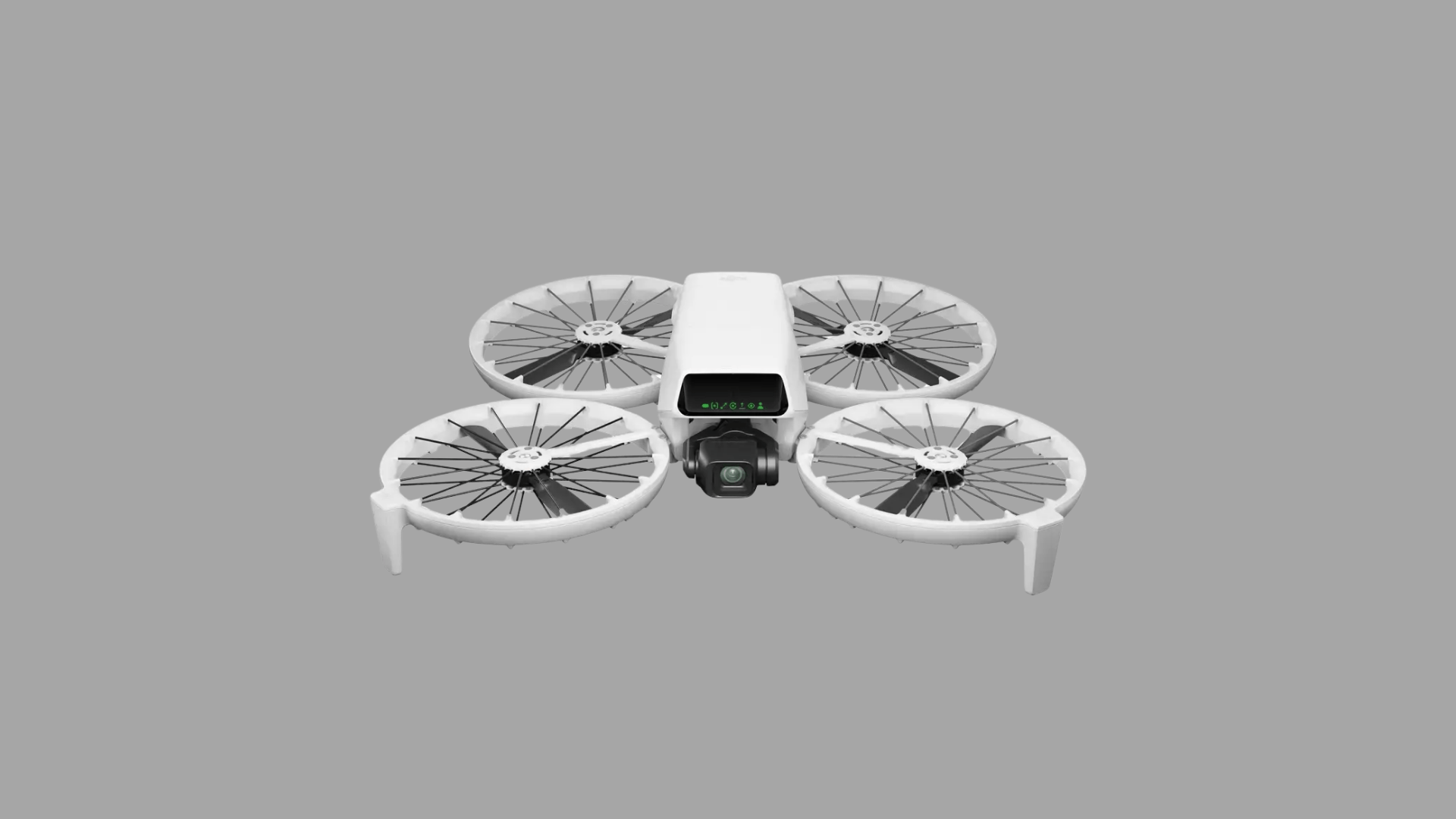
The DJI Flip is a strong entry-level option priced around $349, offering a 1 by 1.3-inch CMOS sensor that captures 48MP photos and 4K at 60fps HDR video.
It weighs under 249g and includes full propeller guards, which makes it safer for new users. You also get AI subject tracking and QuickShot modes for easy shots.
The built-in prop guards make a genuine difference for first-time flyers. When I tested compact entry-level drones in confined spaces, models without guards caused far more near-misses, which eroded confidence early on.
With a flight time of about 31 minutes, it is ideal for learning while still delivering high-quality photos.
2. DJI Mini 5 Pro
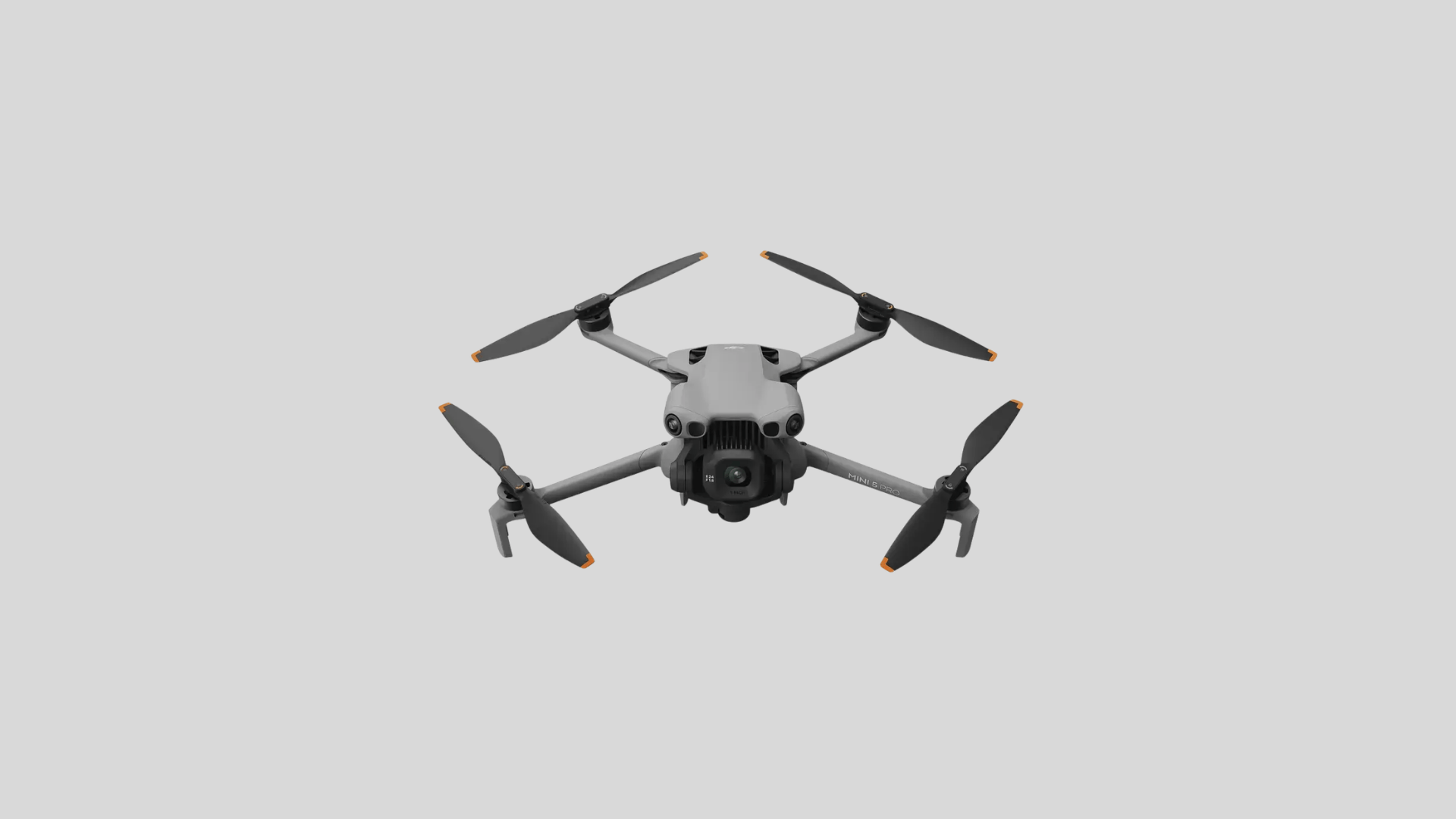
The DJI Mini 5 Pro costs about $759 and packs a 1-inch 50MP sensor, which delivers much better image quality than most compact drones.
It supports vertical shooting with a rotating gimbal and includes advanced obstacle sensing with LiDAR.
Flight time goes up to 50 plus minutes, and transmission range reaches 20km. It stays under 250g, making it great for travel while still offering near flagship-level camera performance.
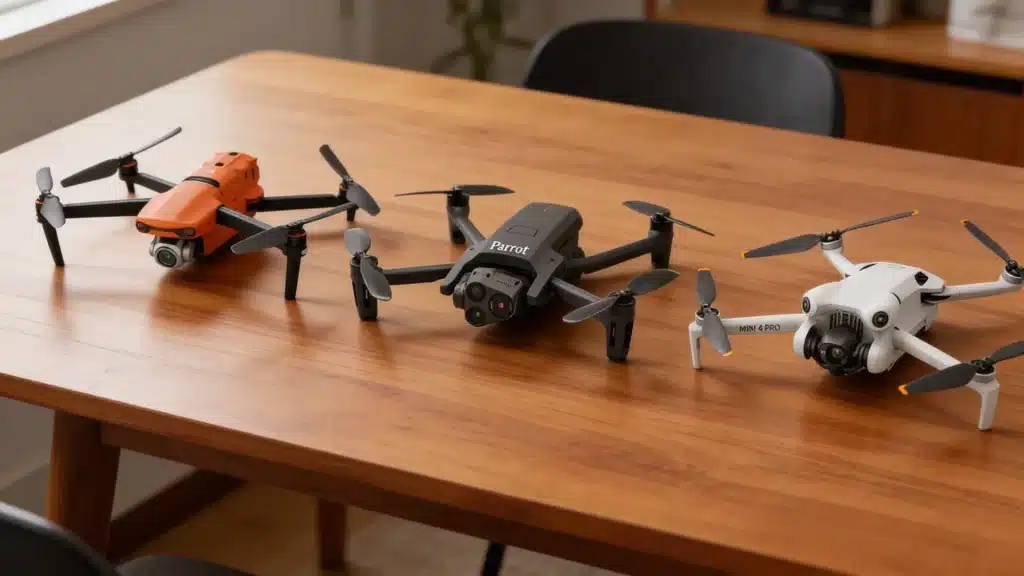
3. Autel EVO Lite+
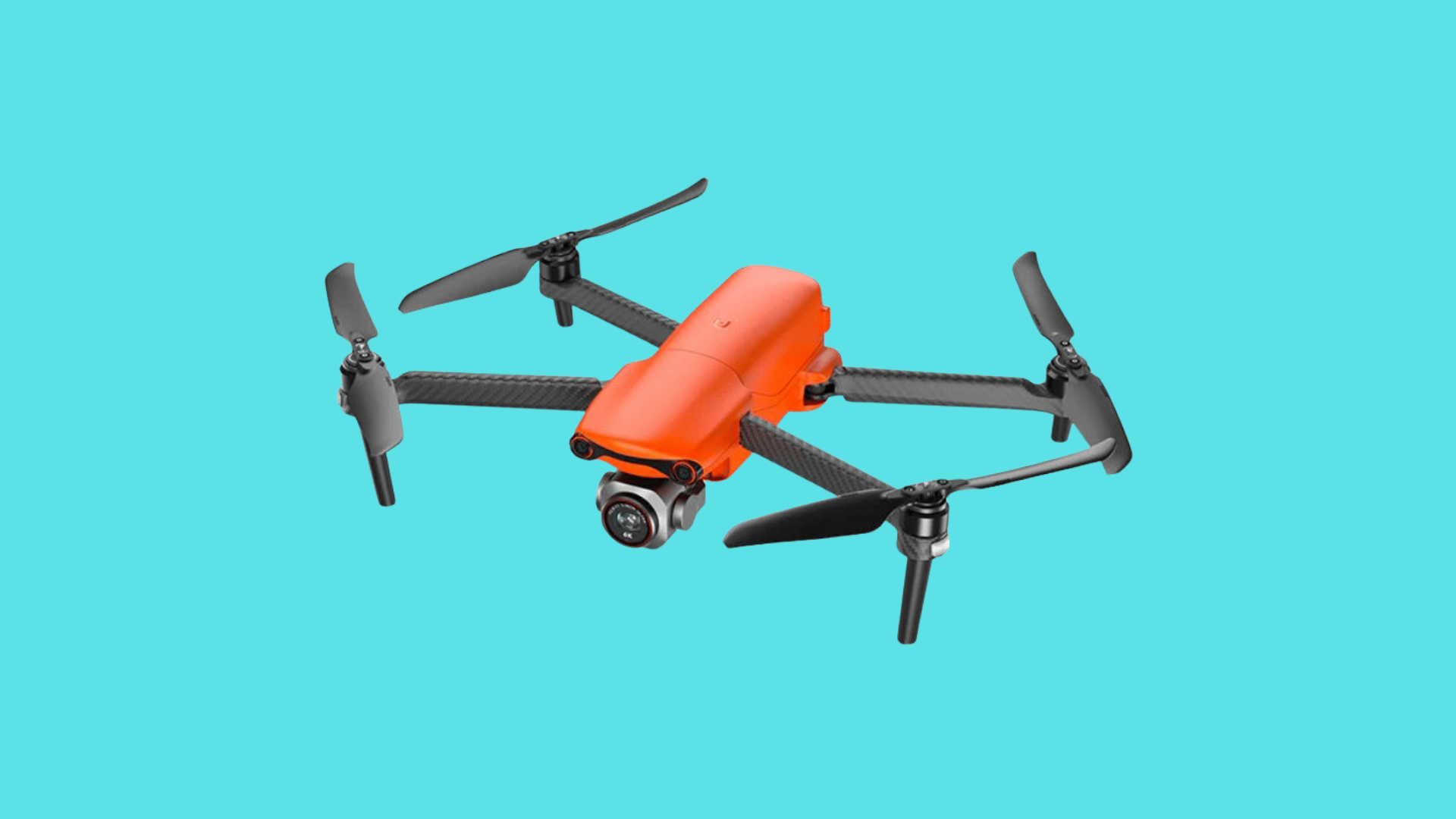
The Autel EVO Lite+ is priced around $999 and features a 1-by-2-inch CMOS sensor with a variable aperture from f1.8 to f2.8, which helps control light better in different conditions.
It captures strong dynamic range and performs well during sunset, night shots, and golden hour. It records 4K at 30fps and supports HDR video.
With a flight time of around 40 minutes and stable performance, it is a solid option for photographers who focus on low-light scenes.
Note: Autel Robotics is also a foreign manufacturer subject to the FCC ruling. Currently authorized models remain available, but check the US retail status before purchasing new releases.
4. DJI Mavic 3 Pro
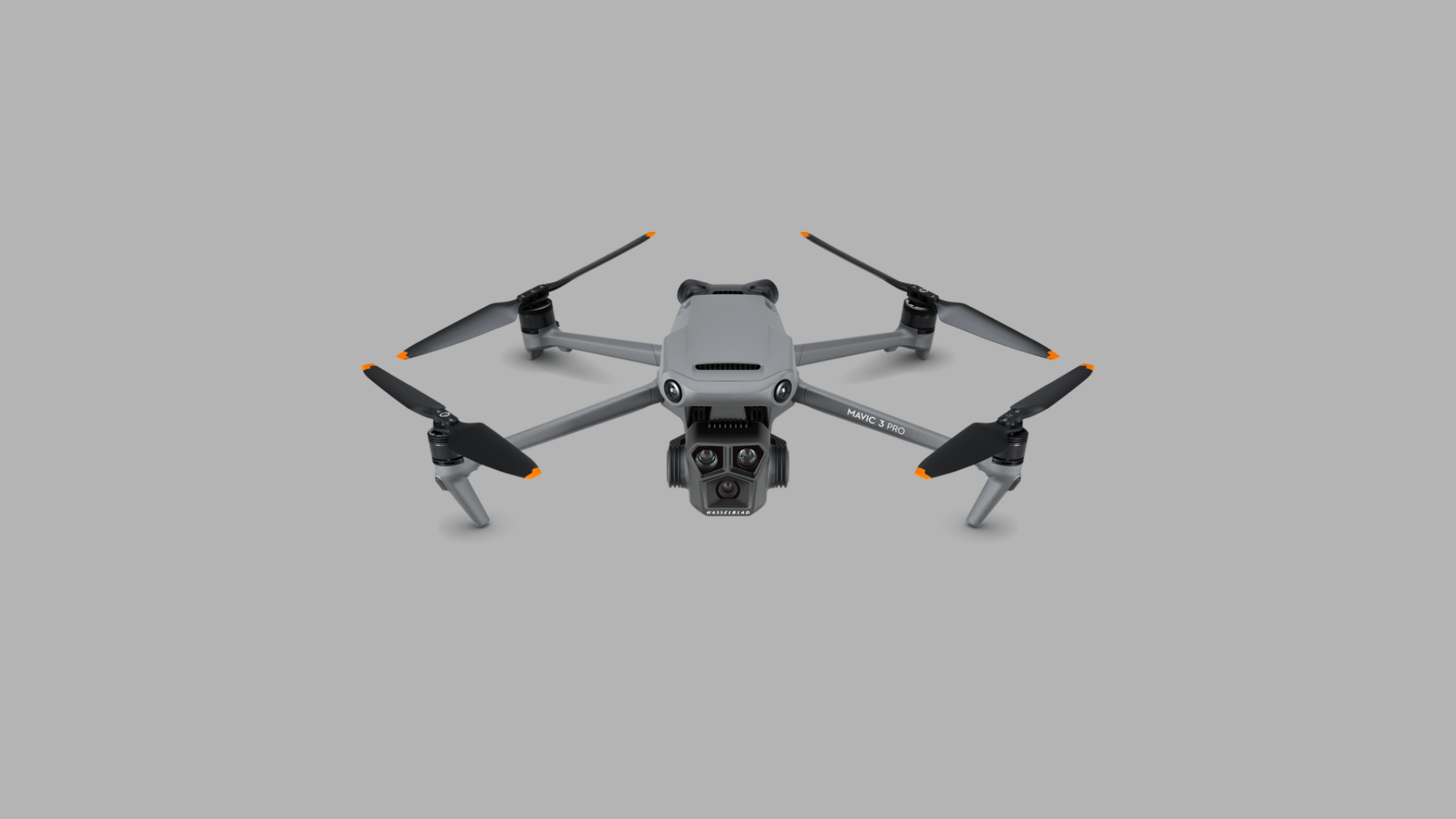
Priced from $2,399, the DJI Mavic 3 Pro features a triple camera system with a Hasselblad main sensor, capturing 20MP photos and 5.1K video.
It includes telephoto lenses for more creative control and better framing options. Flight time is around 43 minutes, and the O3 Plus transmission keeps a stable connection.
This drone is built for professionals who want high image quality and flexibility across different shooting scenarios.
5. DJI Mavic 4 Pro
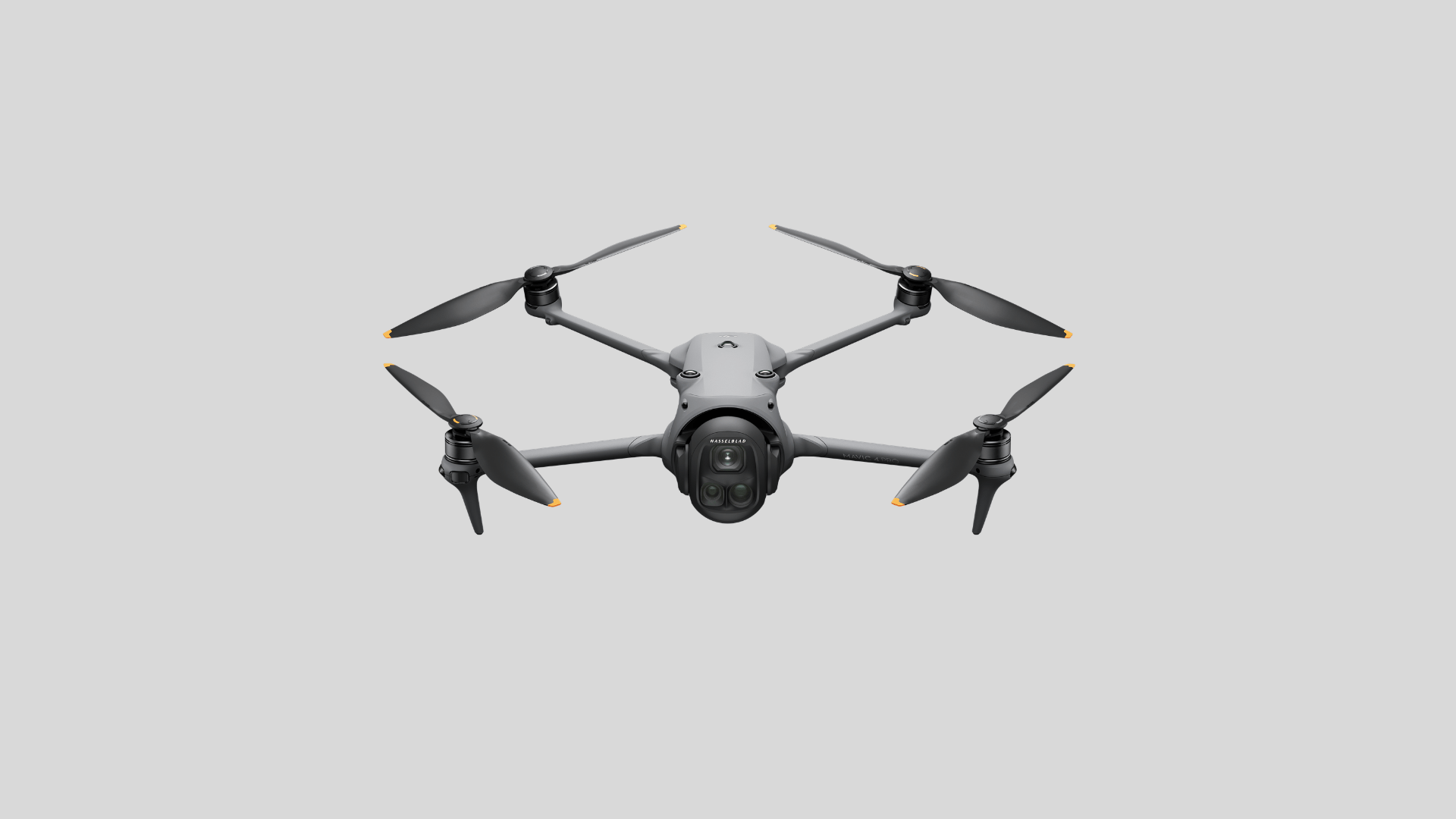
The DJI Mavic 4 Pro starts at around $2,199 and brings a Micro Four Thirds sensor, which is a big step up in image quality, especially for low-light photography and high dynamic range scenes.
It supports 6K at 60 fps and 4K at 120 fps, giving you both sharp photos and smooth video. The rotating gimbal allows true vertical shooting, which is useful for social content.
With strong transmission, advanced sensors, and premium build quality, it is designed for users who want top-level performance without compromise.
6. Autel EVO II Pro
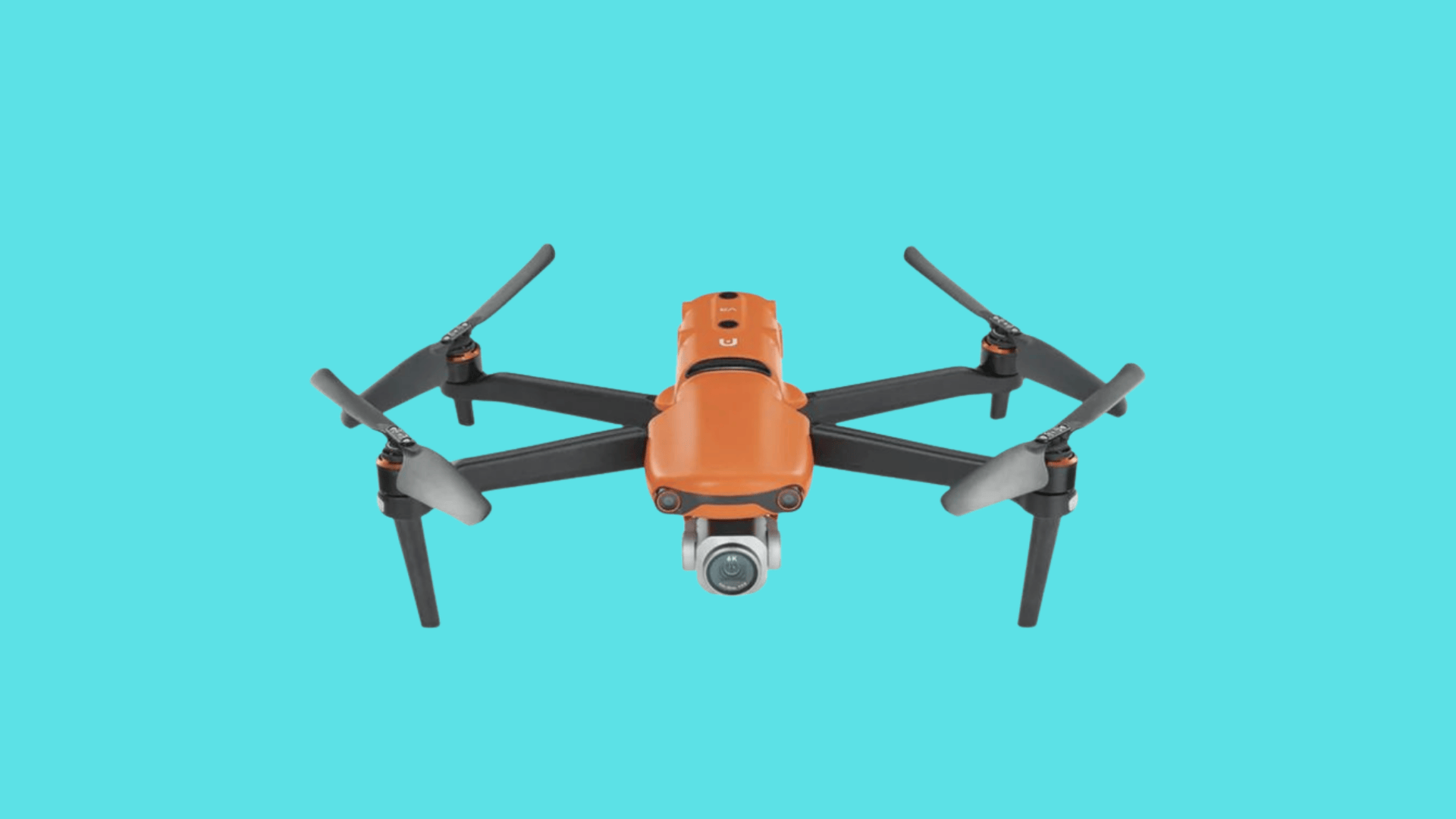
The Autel EVO II Pro is priced around $1,799 and features a 1-inch Sony CMOS sensor with an adjustable aperture from f2.8 to f11, which gives more control over exposure and depth.
It captures 20MP photos and records up to 6K video. Low-light performance is strong due to its high ISO range.
While the app and ecosystem are not as polished as DJI’s, the hardware delivers strong image quality for photographers.
7. DJI Air 3
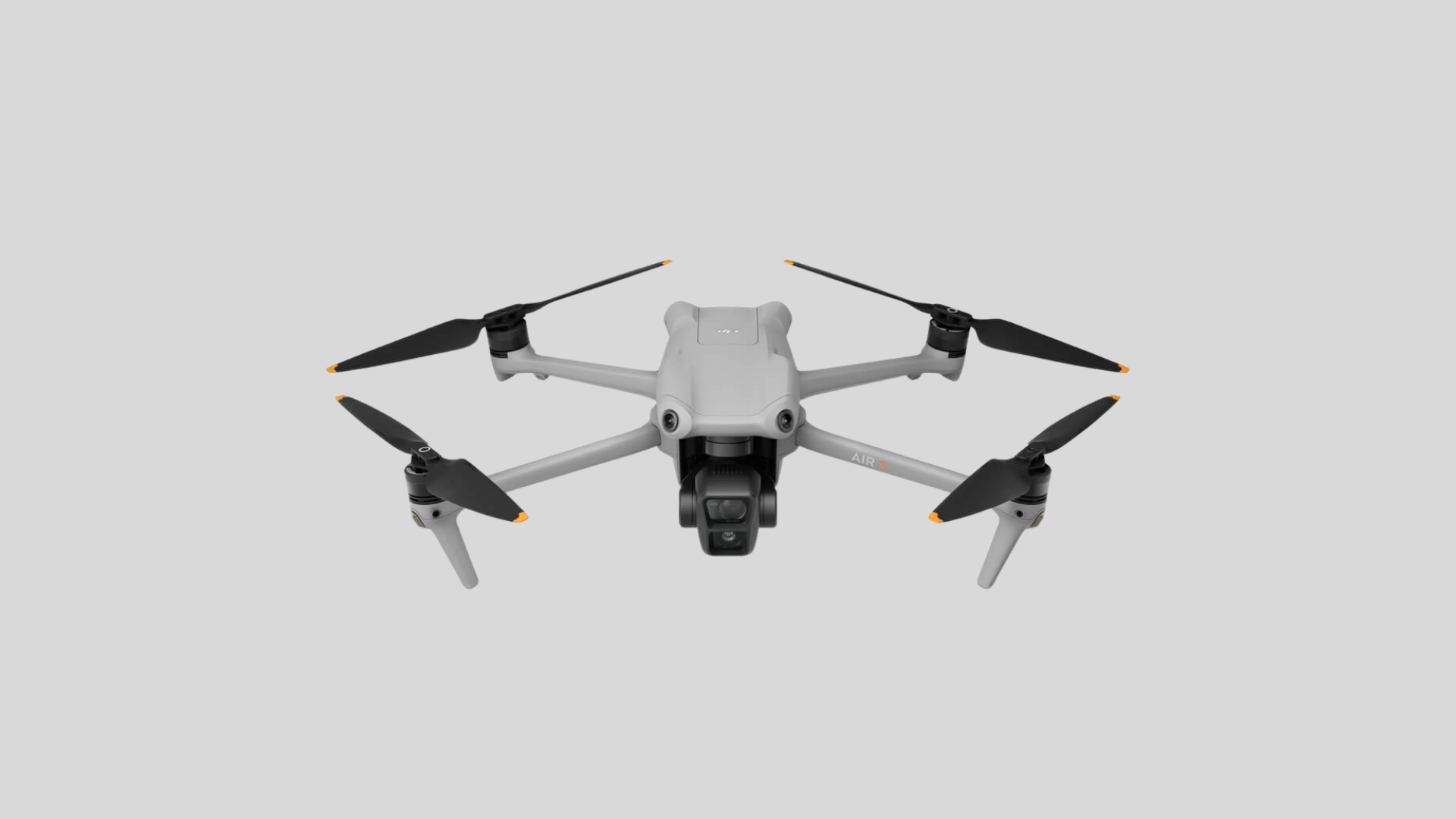
The DJI Air 3 costs about $1,099 and comes with a dual camera setup that includes a wide-angle lens and a 3x medium telephoto lens, giving you more flexibility while framing shots.
It supports 4K at 60fps and 10-bit color profiles, which helps in editing and maintaining color detail.
With up to 46 minutes of flight time and omnidirectional obstacle avoidance, it delivers a smooth, safe flying experience. For content creators who shoot a mix of travel and social media content, the Air 3 hits the right balance between portability and output quality.
It is the model I would recommend most confidently to someone stepping up from a beginner drone.
8. DJI Mini 4 Pro
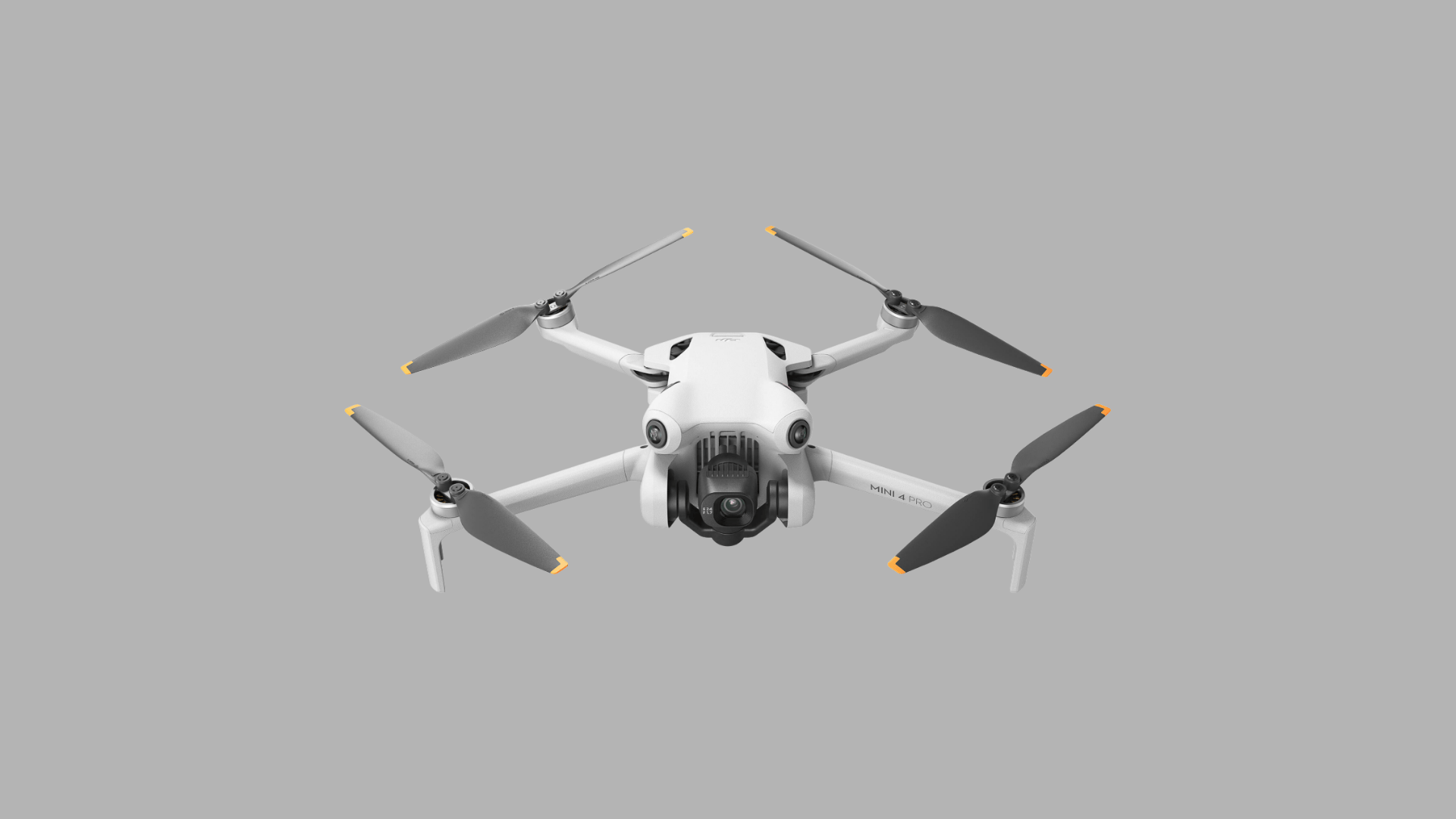
The DJI Mini 4 Pro is priced around $959 and offers a 1-by-1.3-inch CMOS sensor that captures 48MP photos and 4K HDR video at 60 fps.
It supports RAW and AEB bracketing, which helps in editing and HDR shots. It weighs under 249g, making it easier to carry and face fewer restrictions.
With four-way obstacle avoidance and about 34 minutes of flight time, it is a strong pick for beginners who want serious photography features at a lower price.
9. Holy Stone HS720G
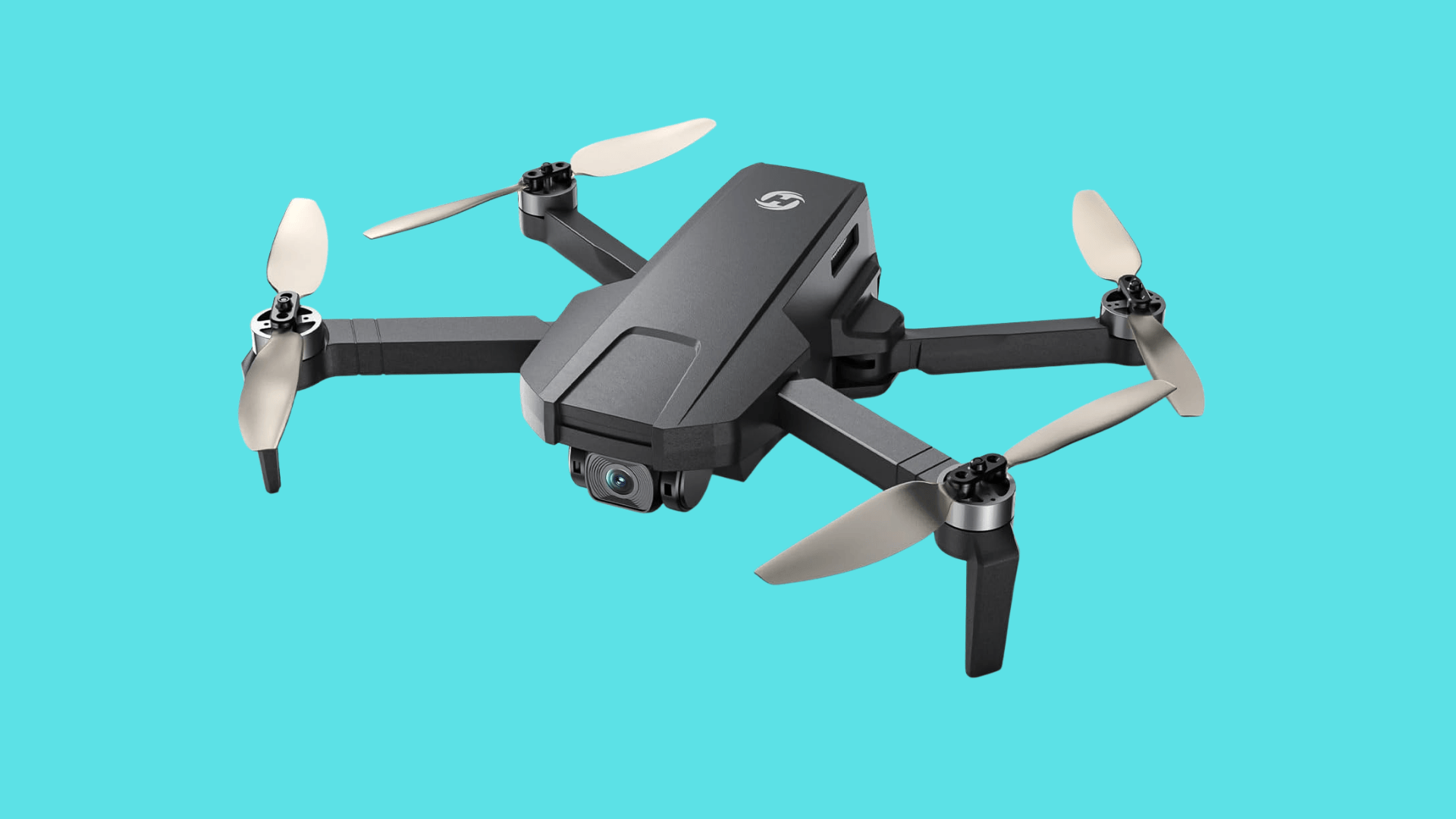
The Holy Stone HS720G is priced under $200 and is aimed at beginners who want to start with basic aerial photography.
It features a 4K camera with EIS stabilization, GPS return-to-home, and a flight time of around 26 minutes. It does not support RAW or advanced image controls, so photo quality is limited.
However, it is useful for learning controls and basics. If your budget allows, moving to a higher model will offer much better long-term value.
10. Parrot Anafi USA
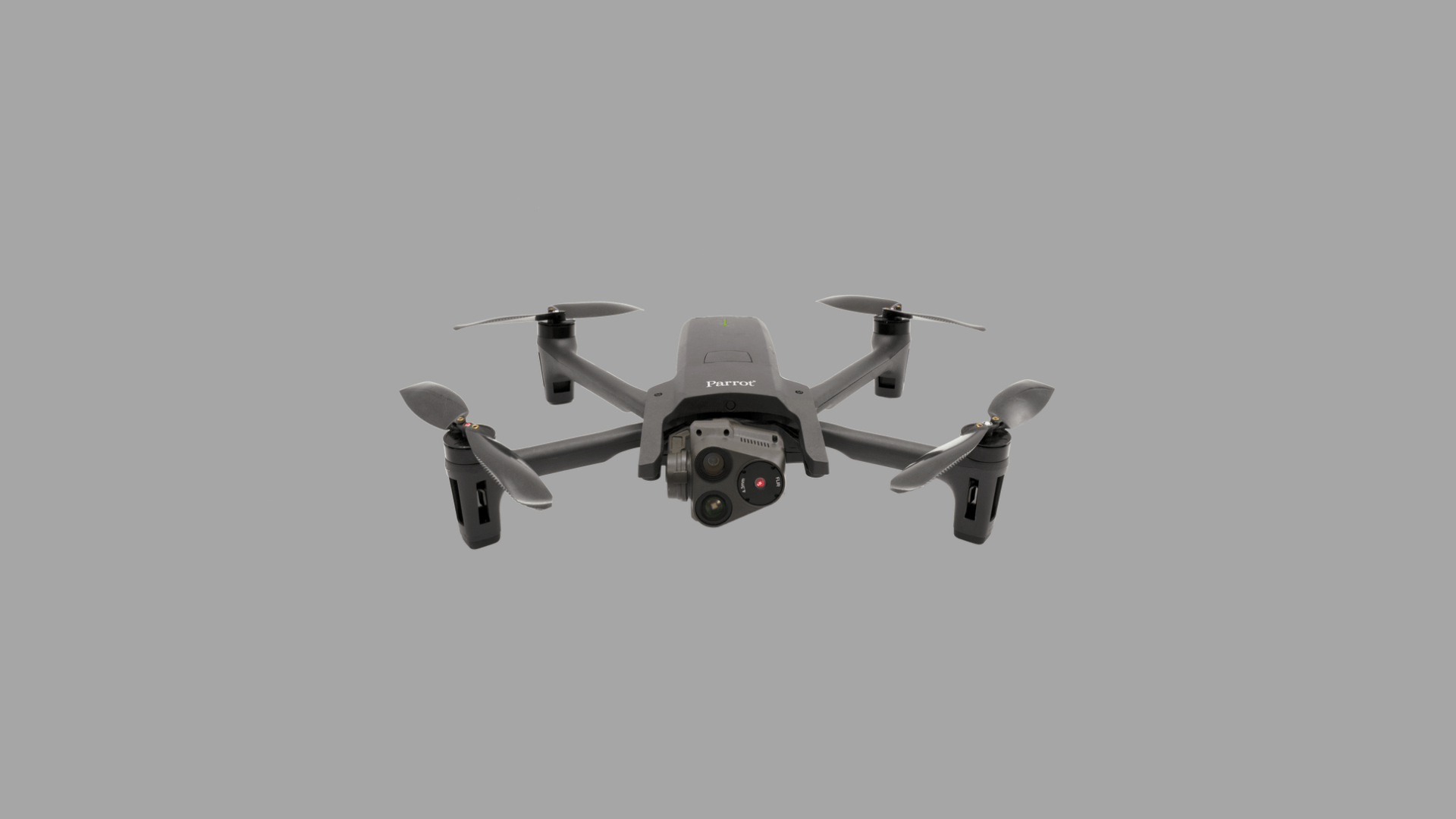
The Parrot Anafi USA is priced around $7,000 and is built for professional use in demanding environments. It features a 21MP camera with 4K HDR video support and up to 32x zoom for detailed shots.
The 180-degree tilt gimbal allows unique angles, including upward shots that most drones cannot achieve.
It is designed to handle extreme weather, dust, and rough use, making it ideal for professionals who need reliability over portability.
11. Autel EVO Nano+
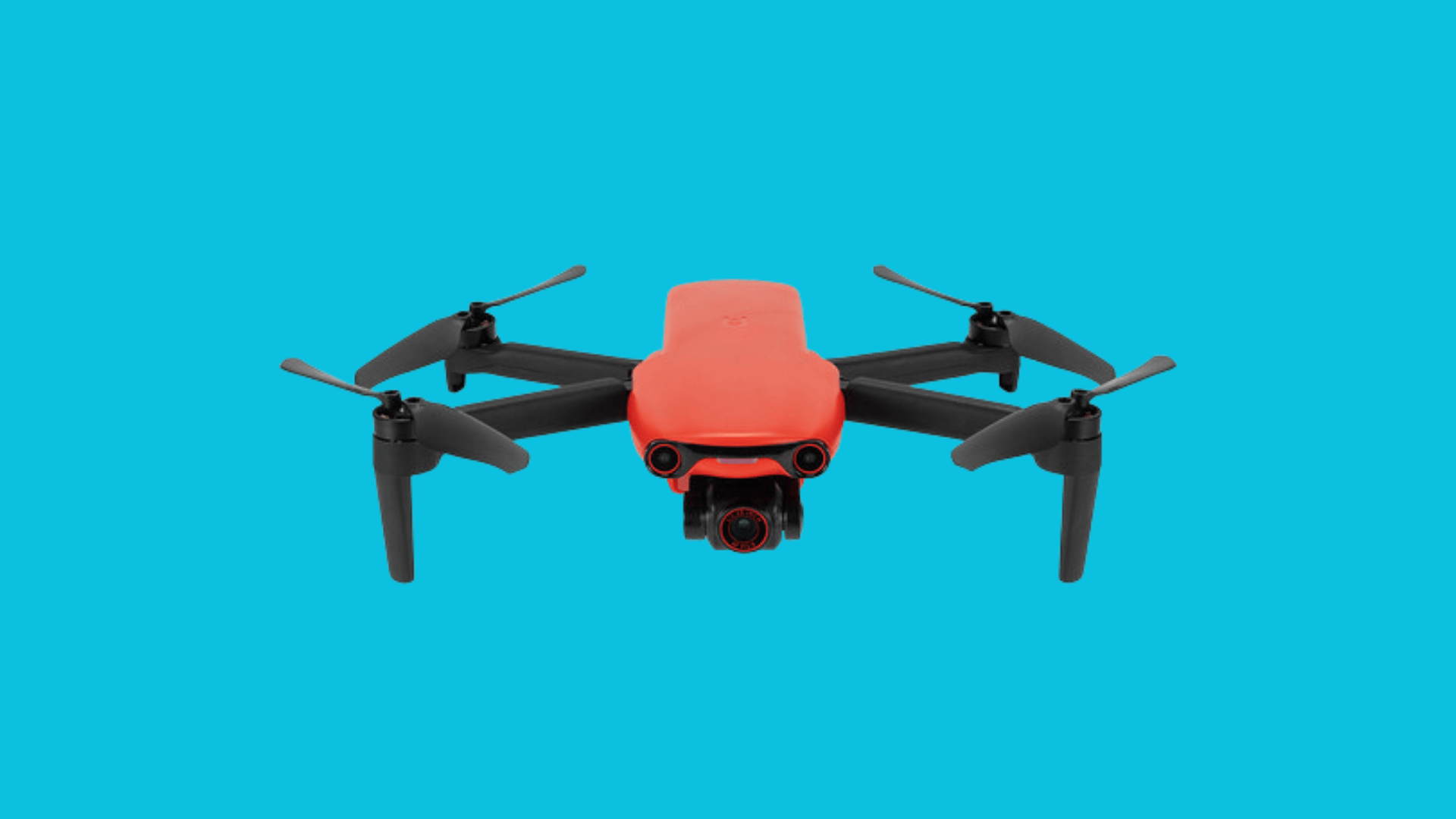
The Autel EVO Nano+ costs around $799 and includes a 1-by-2-inch CMOS sensor with a variable aperture from f1.9 to f2.8, which is uncommon in compact drones.
It captures 50MP stills and records 4K at 30fps video with decent color accuracy. Weighing under 249g, it is easy to carry and suitable for travel.
With fast autofocus and stable flight performance, it offers a good mix of portability and camera control.
12. Sony Airpeak S1
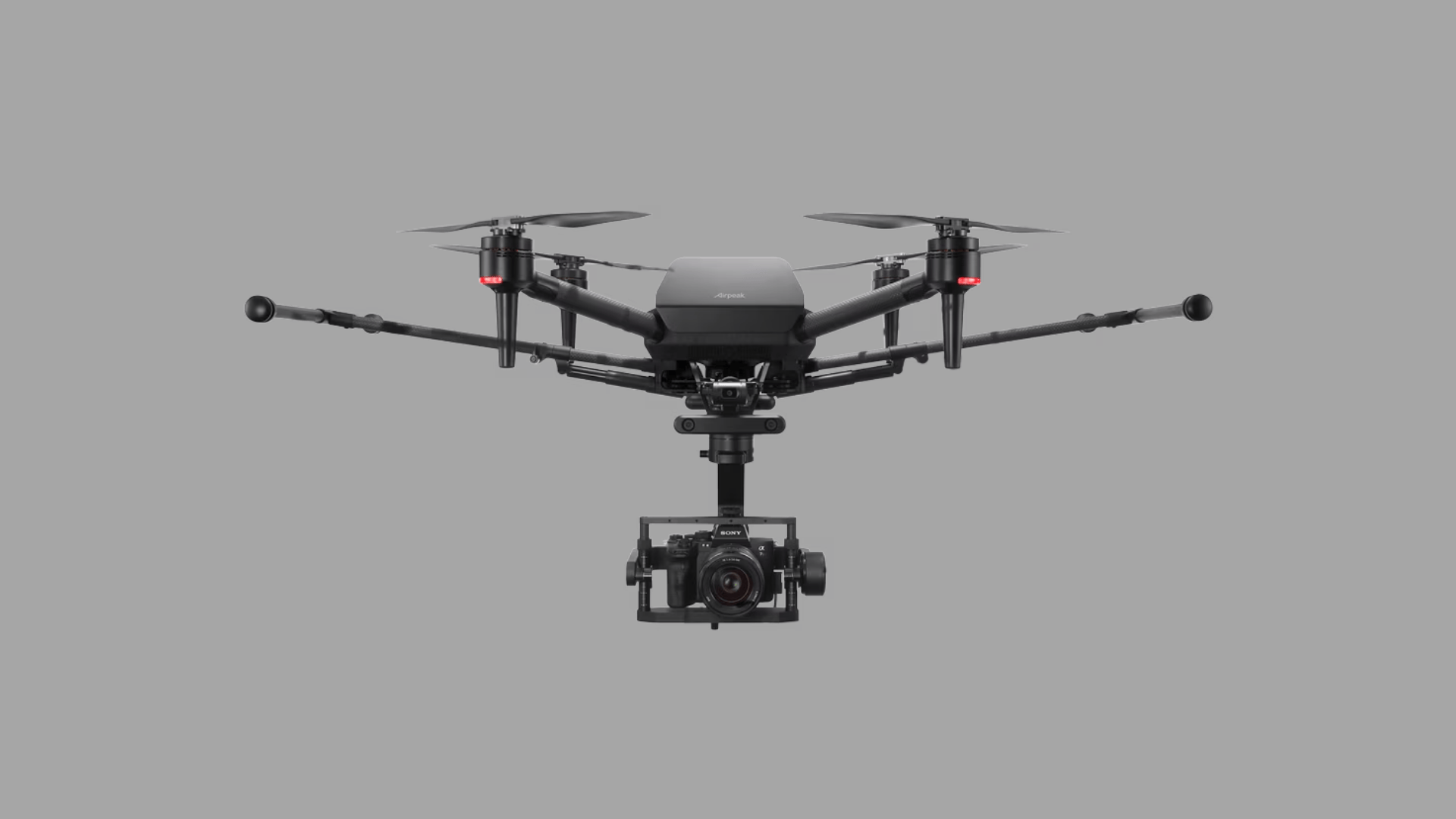
The Sony Airpeak S1 starts at around $9,000 and is designed for high-end video production.
It supports interchangeable cameras like the Sony Alpha series, allowing full-frame image capture and better cinematic results. It offers strong wind resistance up to high speeds and stable hovering using GNSS systems.
Flight time is around 22 minutes when fully loaded. This drone is best suited for professional crews who need maximum control and image quality.
13. DJI Avata 2
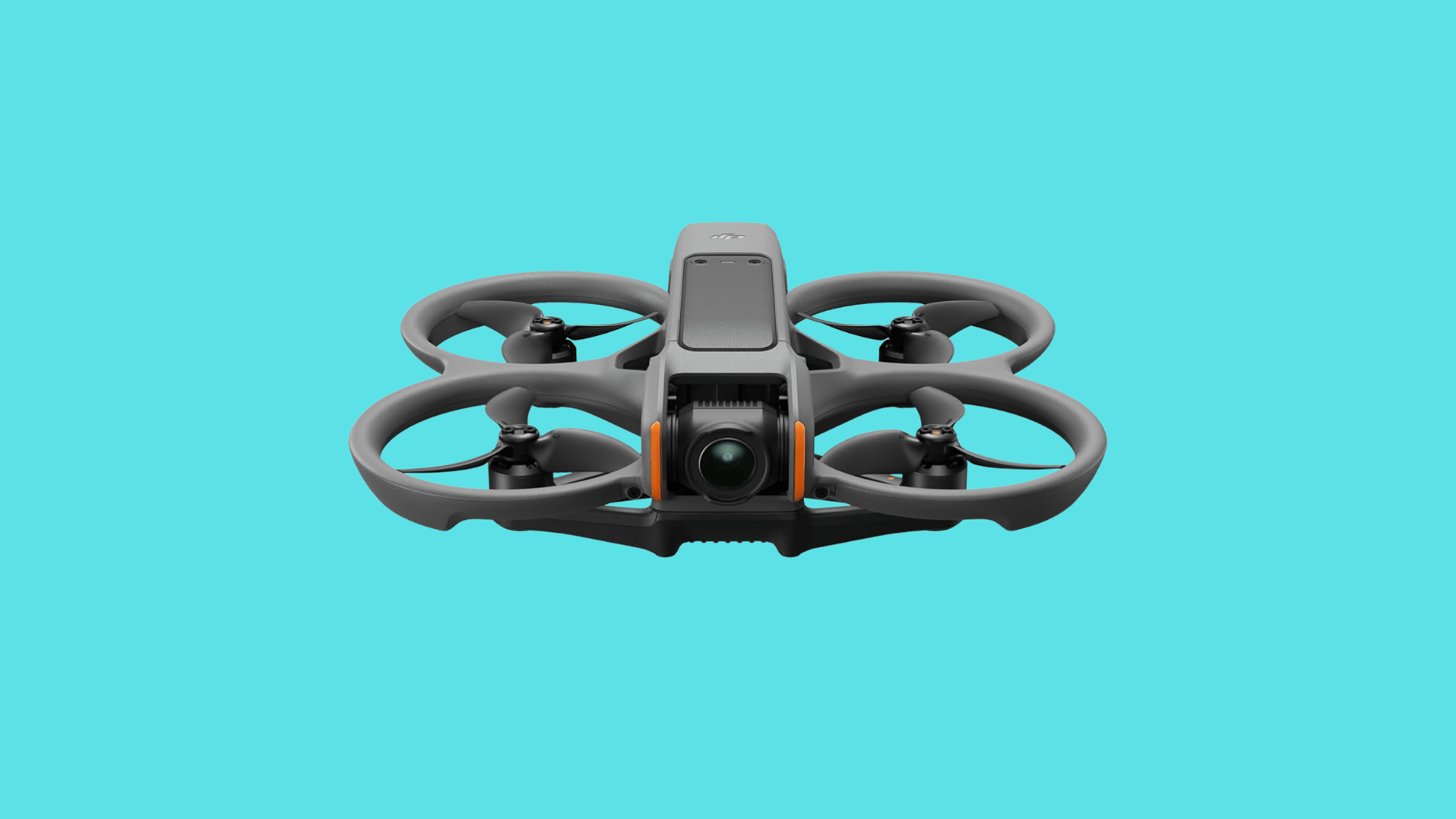
The DJI Avata 2 is priced around $529 and is built for immersive FPV flying, where you control the drone using goggles and motion-based input.
It features a 1-by-1.3-inch sensor that captures 4K at 60 fps and supports D-Log M for better color grading.
It is ideal for dynamic shots like flythroughs and tracking scenes. It is not meant for still photography, but for creative video; it offers a unique shooting experience.
Drone Reviews: Real User Buying Advice
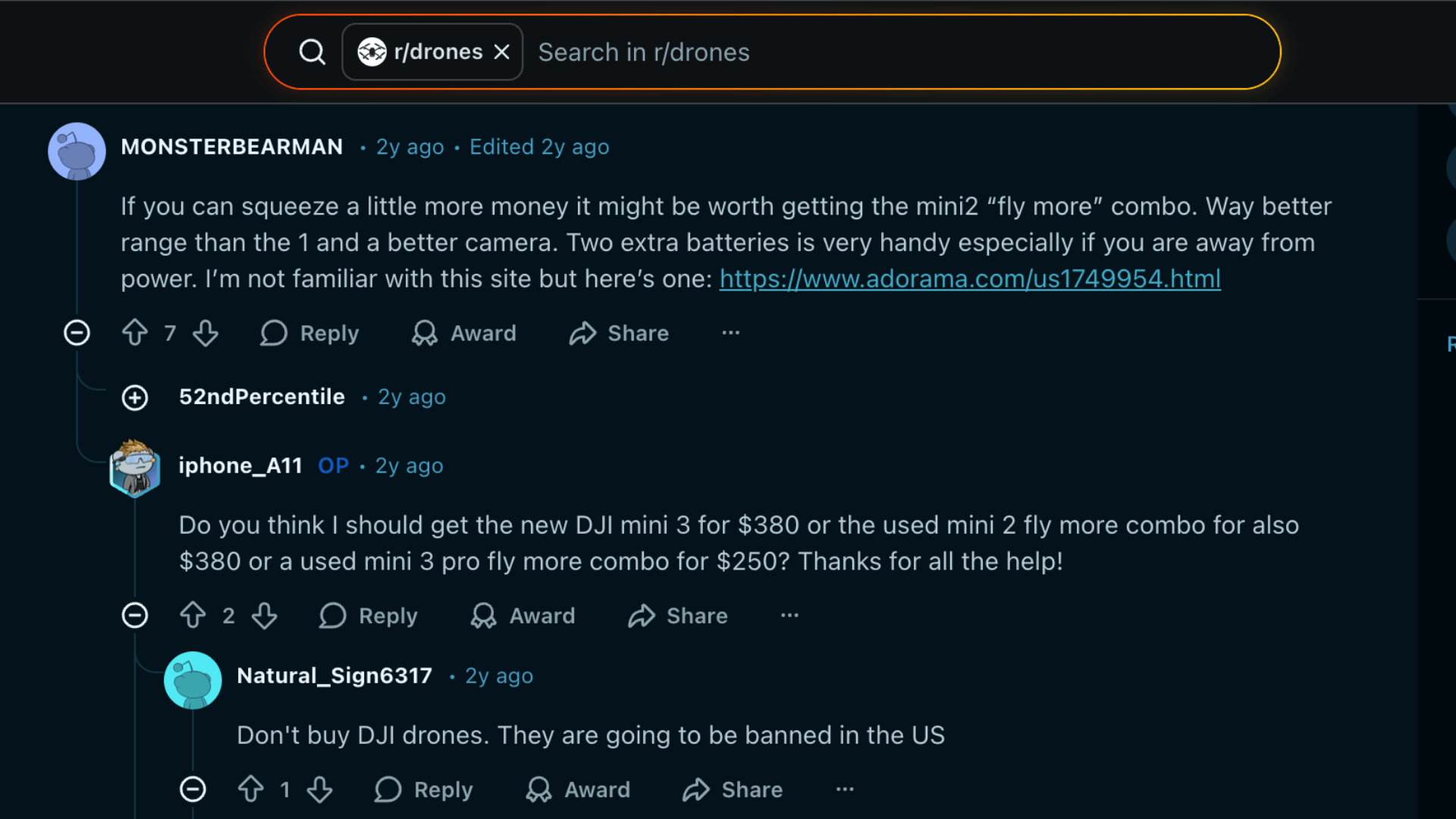
These drone reviews show how Reddit users think when choosing between budget and premium options.
Many users suggest going for DJI if your budget allows, even if it means buying used, since it offers better reliability and long-term value.
For example, a used Mini 3 Pro combo at a lower price often stands out as the best deal compared to newer base models.
At the same time, some users point out that if your budget is very limited, brands like Holy Stone can work for basic use.
Models like HS110G offer GPS features, while cheaper options skip them to cut costs.
Overall, these drone reviews highlight one clear trend: spend more for DJI if you want quality and longevity, or go budget only if you are just starting out.
Drone Comparison Table: Key Features
Compare these drones side by side to quickly understand differences in camera specs, flight time, weight, and pricing before making a final decision.
| Feature | DJI Flip | DJI Mini 5 Pro | DJI Air 3S | DJI Mini 4 Pro | Autel EVO II Pro | Skydio 2+ | DJI Mavic 3 Pro |
|---|---|---|---|---|---|---|---|
| Sensor Size | 1/1.3-inch | 1-inch CMOS | 1-inch CMOS | 1/1.3-inch CMOS | 1-inch Sony CMOS | 1/2.3-inch CMOS | 4/3 Hasselblad |
| Max Resolution | 48MP / 4K | 50MP / 4K | 50MP | 48MP | 20MP / 6K video | 12MP / 4K | 20MP / 5.1K |
| Flight Time | ~31 min | ~52 min | ~46 min | ~34 min | ~42 min | ~27 min | ~43 min |
| Obstacle Avoidance | Omnidirectional | Omni + LiDAR | Omnidirectional | 4-way | Forward + Downward | 6-camera 360° | Omnidirectional |
| Weight | 249g | 249.9g | ~723g | ~1,191g | ~800g | ~895g | |
| US Availability | Yes | 3rd-party only | Yes | Yes | Yes | Yes | Yes |
Tips for First-Time Buyers
Starting with the right approach helps you avoid mistakes, save money, and build confidence, so you can enjoy flying and improve your photography skills over time.
- Start Simple: Begin with an easy-to-fly drone that has basic controls and safety features, then upgrade once you understand flying, camera settings, and overall handling.
- Know the Rules: Always check local drone laws, no-fly zones, and registration requirements, since rules can vary and ignoring them can lead to fines or restrictions.
- Extra Batteries: Flight time is limited, so carrying spare batteries ensures longer sessions and fewer interruptions, especially when traveling or shooting in remote locations.
- Practice First: Spend time learning controls in open areas before trying complex shots, since early practice reduces crash risk and improves your confidence while flying.
- Protect Your Gear: Use a proper case, keep spare propellers, and maintain your drone regularly to avoid damage and ensure smooth performance over time.
- Check US availability before buying: Due to the FCC ruling on foreign-made drones, some models may not be available through official US retail. Always verify the seller is an authorized reseller before purchasing.
Pros and Cons of Buying a Drone: What You Should Know
Understanding both the advantages and limitations of drones helps you make a better decision, especially when balancing cost, usability, and long-term value.
| Pros | Cons |
|---|---|
| Unlocks unique aerial perspectives not possible with traditional cameras | Quality drones can be expensive, often ranging from $750 to $2,200 or more |
| Improves travel and landscape photography with more creative angles | Learning curve for flight controls and camera settings can be steep |
| Helps create engaging content for social media and online platforms | Drone laws vary by country and change frequently |
| Compact and foldable models are easy to carry while traveling | Battery life limits sessions to around 30 to 45 minutes |
| Offers a fun hobby with a growing and active community | Risk of crashes, especially for beginners without practice |
| Sub-250g drones face fewer restrictions in many regions | Availability issues may affect some models, depending on the region |
Conclusion
Choosing the right drone comes down to your needs, budget, and how serious you are about photography.
Beginners should start with simple, lightweight models that are easy to fly and carry, while mid-range options work well for travelers who want better image quality without extra bulk.
If you care about professional results, investing in a high-end model with a larger sensor and advanced controls makes a clear difference.
These drone reviews show that there is no one-size-fits-all option, but there is always a right fit for your style and usage.
Focus on camera quality, battery life, and ease of use, and you will make a smarter choice that lasts longer. Which drone are you thinking of buying or upgrading to next? Drop your thoughts in the comments below.