
A car repossession can hit suddenly, undoing months of credit progress in a matter of days and leaving long-lasting marks across multiple accounts.
Losses of 100 points or more are common and can happen faster than expected.
The impact reaches beyond auto financing, makingloan approvals harder and rental applications more likely to be declined.
Some employment screenings can also be affected while recovery is still possible, but it requires time, structure, and consistent financial behavior.
Learning how to fix credit after a car repossession starts with understanding what caused the damage and how to respond effectively.
This blog explains how repossession affects credit reports, which actions help limit further damage, and what steps support steady score improvement.
What Does Fixing Credit After Car Repossession Mean?
Fixing credit after a car repossession means taking specific actions to rebuild your credit score and repair your credit report after a vehicle has been seized due to nonpayment.
It focuses on correcting negative marks and building consistent payments over time.
Credit repair focuses on minimizing the long-term impact of repossession while gradually improving your creditworthiness.
The goal is to restore your ability to qualify for loans, credit cards, and favorable interest rates despite the repossession entry remaining on your report for up to seven years.
It is about building a positive credit history to offset the impact of the repossession.
How Does a Car Repossession Affect Credit?
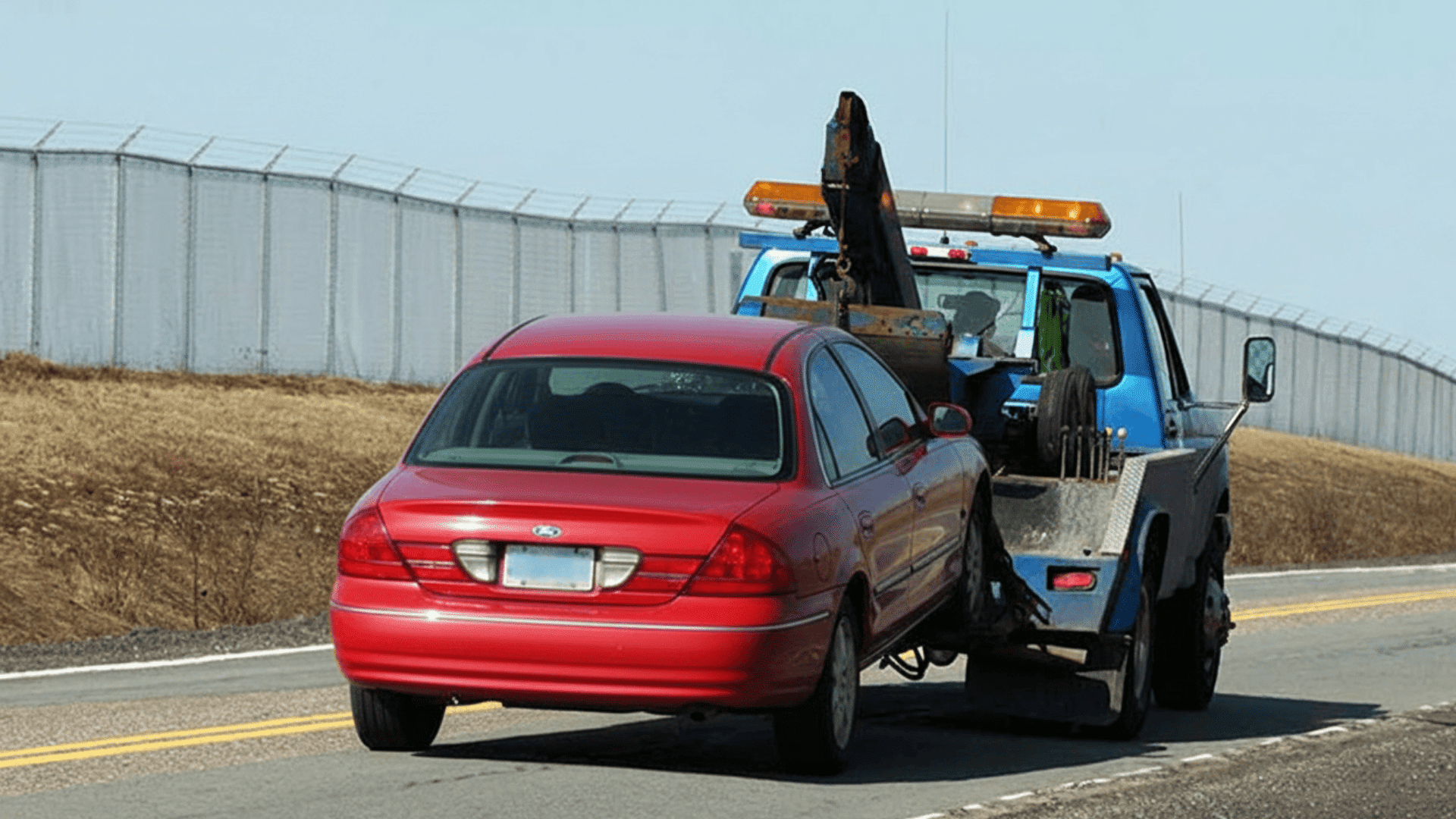
Repossession creates multiple negative marks on your credit report that work together to damage your score.
Before repossession happens, several late or missed payment entries appear on your report.
The repossession itself shows as a separate entry, followed by a charge-off once the lender writes off the debt.
Voluntary repossessions still appear on your report, though some lenders view them slightly better than involuntary seizures.
After your vehicle sells at auction, any remaining balance becomes a deficiency you still owe, potentially leading to collection activity or legal action.
Steps to Rebuild Credit After a Car Repossession
Credit repair relies on steady, positive payment behavior over time. Follow these five key steps to restore your credit standing.
1. Bring All Open Accounts Current
Catching up on past-due accounts is the foundation of credit recovery.
Focus on bringing every open account to the current status by paying any outstanding balances immediately.
Once current, commit to making every payment on time, every month, without exception. Payment history accounts for 35% of your credit score, making it the single most influential factor in your report.
Even one on-time payment each month gradually demonstrates to lenders that financial stability has returned.
Set up automatic payments or calendar reminders to ensure no due dates get missed, as consistency matters far more than speed.
2. Add Positive Credit Activity
Building a new positive credit history helps offset the repossession’s negative impact over time.
Starting with a secured credit card works well, as it requires a cash deposit that becomes your credit limit and minimizes risk for both parties.
Use the card for small, regular purchases that can be paid off in full each month, like gas or groceries.
Credit-builder loans from credit unions or community banks offer another effective option.
These loans hold your borrowed amount in a savings account while you make fixed monthly payments, then release the funds once all payments are completed.
Both options report to credit bureaus and create recent positive entries on your report.
3. Keep Credit Card Balances Low
Credit utilization (the percentage of available credit you’re using) directly affects your credit score and requires careful management.
Keep balances below 30% of your total credit limit across all cards, though staying under 10% produces even better results.
High balances signal financial stress to lenders, even if minimum payments arrive on time.
Pay down existing balances as quickly as possible, and if credit cards must be used, pay them off multiple times throughout the month to keep the reported balance low.
This strategy works because most issuers report your balance on your statement closing date, not your due date.
4. Reduce Existing Debt Gradually
Paying down debt serves two purposes: it improves your credit utilization ratio and reduces the overall financial burden that contributed to repossession.
Start with accounts charging the highest interest rates, as these cost the most money over time and keep you in debt longer.
Make more than minimum payments whenever possible, and consider using windfalls like tax refunds or bonuses to accelerate debt reduction.
Avoid taking actions that might create new negative marks, such as settling accounts for less than owed or allowing other accounts to fall behind.
These actions compound existing credit damage rather than repair it.
5. Limit New Credit Applications
Every application for new credit generates a hard inquiry on your report, which temporarily lowers your score and suggests financial strain.
After a repossession, apply for new credit only when absolutely necessary and when there’s a strong likelihood of approval.
Multiple applications in a short period create a pattern that concerns lenders and can trigger automatic denials.
Space out applications by at least six months when possible, and research which products you’re likely to qualify for based on your current score range.
Some lenders offer pre-qualification with soft inquiries that don’t affect your score, letting you gauge approval odds before submitting formal applications.
How Long Does Credit Recovery Usually Take?
Credit improvement follows a gradual and predictable timeline that requires realistic expectations.
Within the first three to six months of consistent on-time payments,
you’ll likely see your score stabilize and stop dropping, though the repossession entry still weighs heavily.
Medium-term improvement often begins within six months.
Repossession remains on a credit report for up to seven years, but its effect on scores often weakens after two to three years.
Your recovery speed depends on factors including how quickly you pay the deficiency balance, how many other accounts you manage successfully, and your overall credit mix.
Tips for Taking Immediate Action After Repossession
Early steps can limit additional credit damage and financial risk. Taking quick action after repossession helps you regain control and protect your remaining credit accounts.
- Get credit reports: Request free annual reports from Equifax, Experian, and TransUnion to see how repossession appears on each report.
- Check for errors: Review reports for incorrect payment amounts, wrong repossession dates, or duplicate entries that can further harm your score.
- Dispute inaccuracies: File disputes with credit bureaus if you find errors, providing documentation to support your claims.
- Verify the balance: Contact the lender or collection agency to confirm exactly how much you owe and who currently holds the debt.
- Stay current: Keep all other credit accounts current to avoid additional negative marks while dealing with the repossession.
Conclusion
Credit repair after repossession requires patience, consistency, and informed decisions that address both immediate damage and long-term financial habits.
Repossession affects credit through multiple negative entries, but recovery remains possible despite the initial score drop.
Well, how to fix credit after a car repossession depends on consistent payments and responsible credit use over time, not quick fixes.
Pull your credit reports, review every account for accuracy, and take one clear step this week, such as disputing an error, setting up payments, or reducing a small balance.
Small, consistent actions compound over time into meaningful credit score improvement and renewed access to better financial products.
What steps are you planning to take first? Share your credit recovery experience in the comments below.
Frequently Asked Questions
Is it Possible to Negotiate After Car Repossession?
Financing is more difficult after a repossession, but it is still possible. Expect higher interest rates, larger down payments, and limited lender options early on.
How Hard is it to Finance a Car After a Repo?
Yes, lenders may negotiate balance settlements, payment plans, or fees, especially before the vehicle is sold or if communication happens quickly.
What Will Happen if I Remove a Repo from My Credit Report?
A repossession can only be removed if it’s inaccurate or unverified. Otherwise, it remains for up to seven years while its impact fades over time.