When I compare Android and iPhone, I always come back to the same conclusion: Android simply gives me more freedom as a user.
I get to choose how my phone looks, how it works, and how much I want to spend, without feeling locked into a single ecosystem.
Over the years, I’ve used both platforms, but Android consistently offers features that match the way I actually use my phone each day.
From customization to device variety to expandable storage, Android feels more flexible and practical.
Even the little things, like universal charging ports and easy file transfers, end up making a big difference.
That’s why I put together the key reasons Android stands out for everyday users who want more control and value.
Why Is This Comparison Worth Knowing?
The comparison between Android and iPhone matters more today than ever because smartphones have become essential tools for communication, productivity, entertainment, etc.
With both platforms evolving rapidly, users want to understand which ecosystem better supports their lifestyle, budget, and long-term needs.
Android and iPhone now differ in key areas such as customization, hardware variety, pricing flexibility, ecosystem openness, and integration with emerging technologies.
These differences directly influence how people interact with their devices, how much they spend, and how easily they can upgrade or adapt their phones over time.
As more consumers rely on phones for work and personal tasks, evaluating the strengths of each platform helps ensure they make an informed choice.
This comparison provides clarity for users seeking performance, value, and freedom in their mobile experience.
Reasons Why Android is Better than iPhone
Android’s customizable interface, variety of hardware options, and adaptable features appeal to individuals who want control over how their phone looks, works, and integrates with daily tasks.
1. More Customization and Personal Control
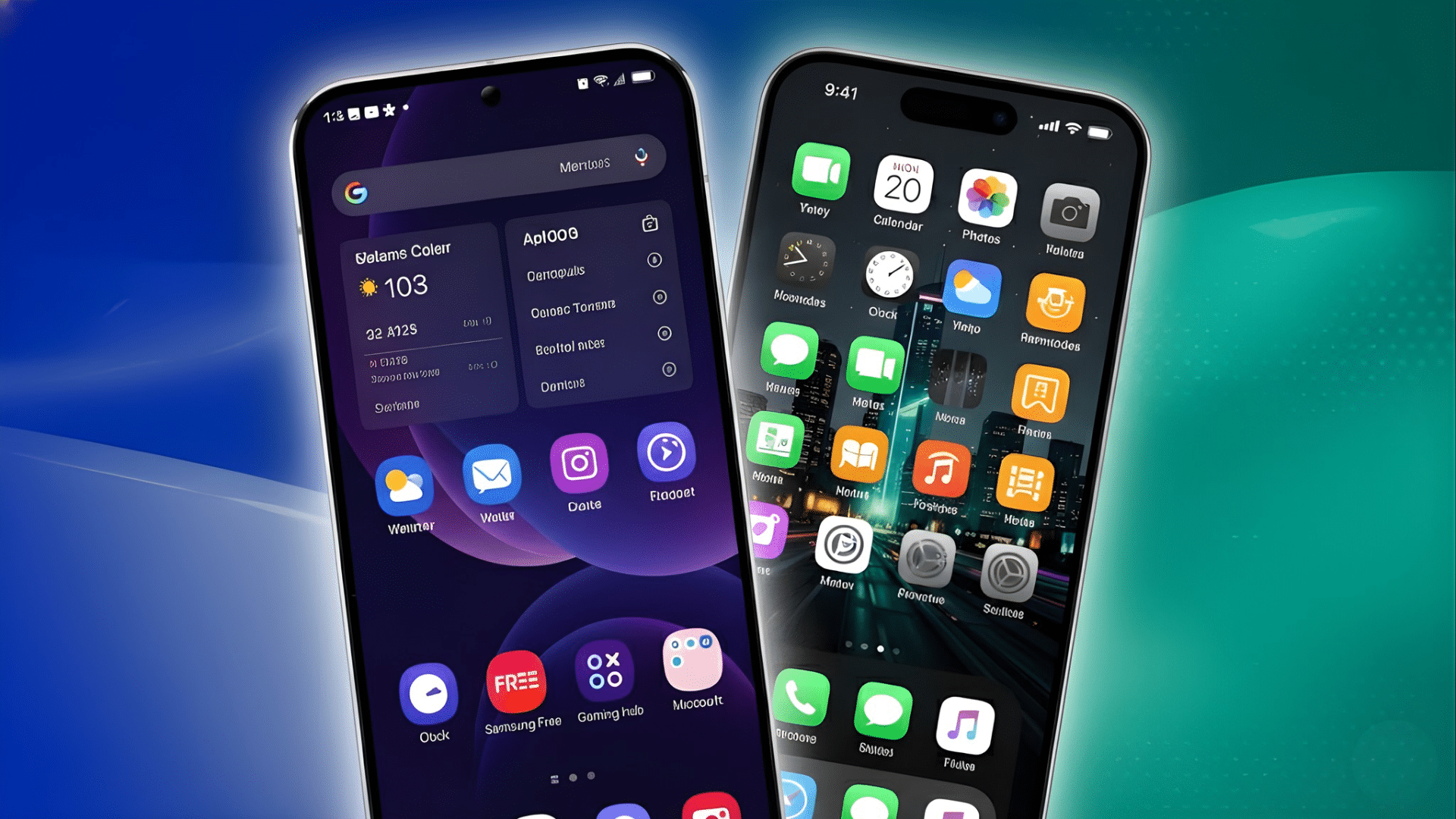
Android provides extensive customization options that allow users to adjust nearly every aspect of their device’s interface.
Home screens, widgets, app layouts, launchers, themes, icon packs, and even gesture controls can be personalized to match individual preferences.
This flexibility helps create a phone experience that feels tailored rather than predetermined.
System-level customization options, such as default app selection and deeper control over notifications, also give users more authority over how their device behaves.
2. Wider Range of Devices Across Brands
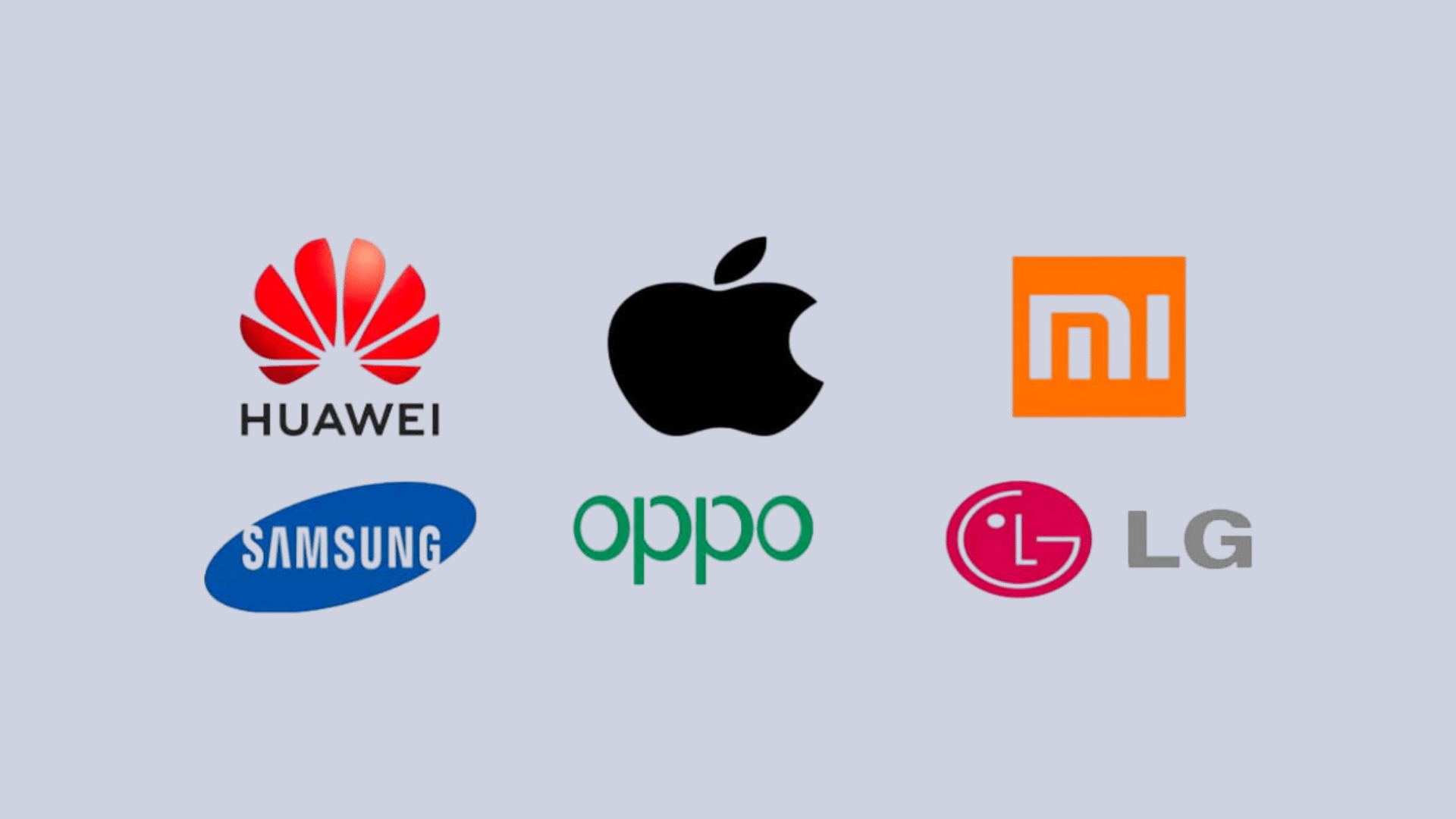
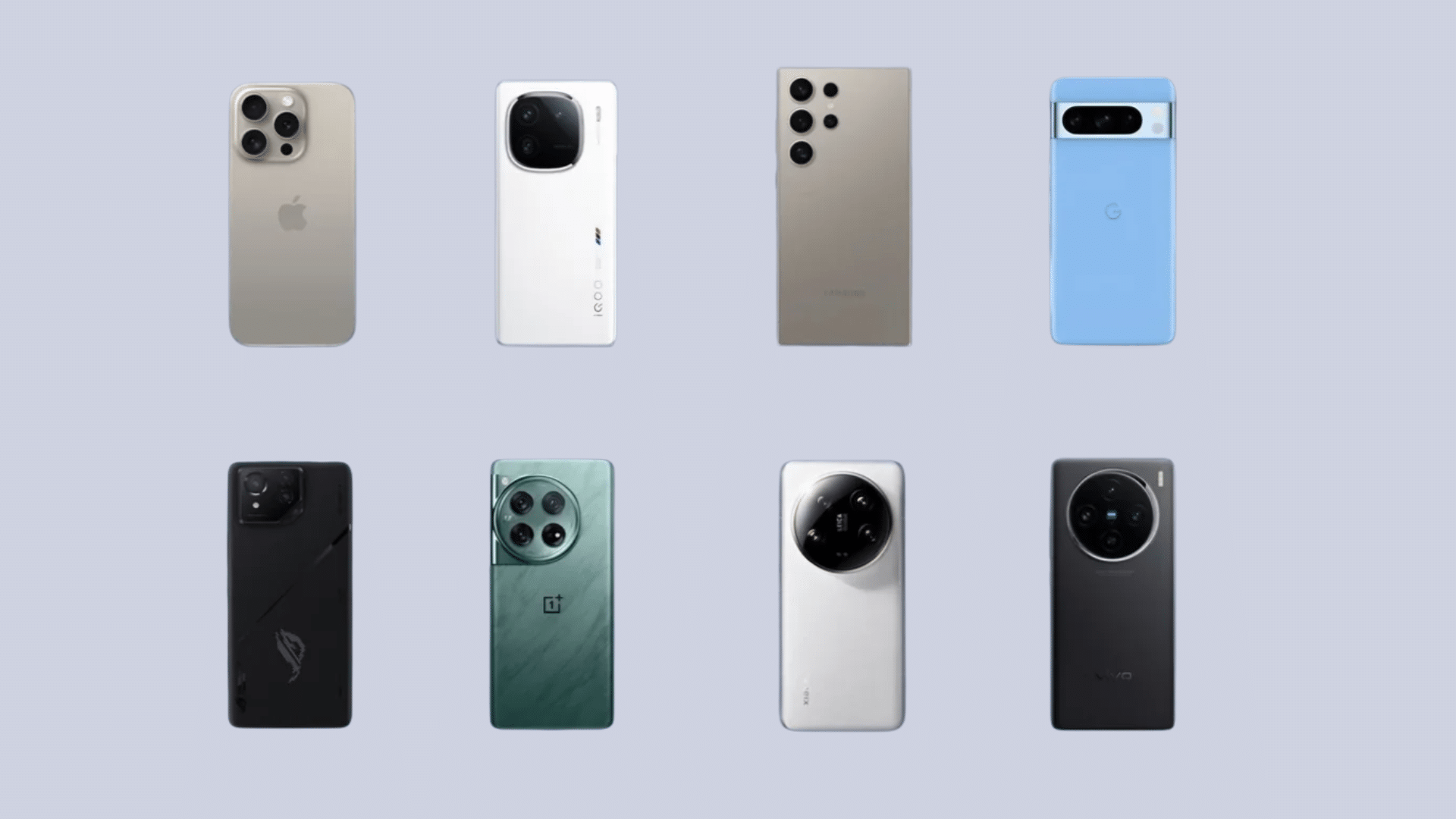
Android is available across numerous brands, offering users an enormous variety of phones suited to different needs.
Options include premium flagships, budget-friendly models, rugged outdoor phones, compact devices, and phones featuring specialized technologies.
This range ensures that consumers are not tied to a single manufacturer’s pricing structure or design approach.
Instead, they can choose a phone that aligns with personal preferences for screen size, battery life, materials, performance, and unique features.
3. More Affordable Options for Every Budget
Entry-level devices often provide strong performance at low cost, allowing consumers to purchase a reliable phone without overspending.
Mid-range Android phones frequently include features such as high-refresh-rate screens, advanced camera systems, and large batteries, features that usually cost more in premiums.
Even high-end Android models provide competitive pricing against iPhones while offering additional hardware advantages.
This broad affordability makes Android appealing to students, families, and cost-conscious buyers seeking long-term value.
4. Better Multitasking and Split-Screen Features
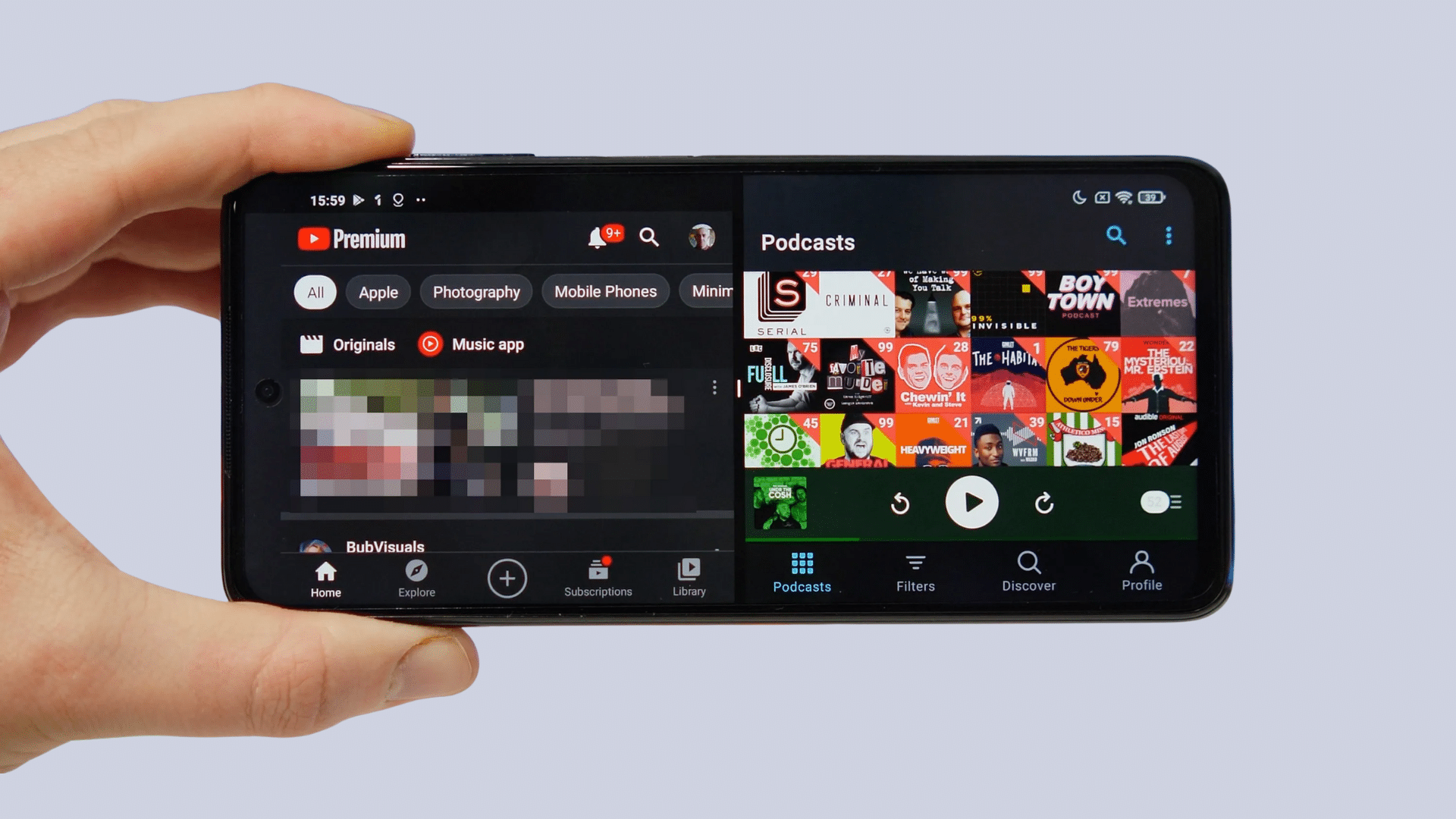
Users can run two apps simultaneously, enabling efficient workflows such as browsing while taking notes or watching videos while messaging.
Some Android models extend this further with multi-window tools, desktop-mode environments, and app pinning for productivity and convenience.
These features provide flexibility for users who rely on smartphones for work, multitasking, or quick information access.
iPhone’s restrictions limit simultaneous app usage, relying mostly on quick app switching rather than real parallel interaction.
5. Expandable Storage Options
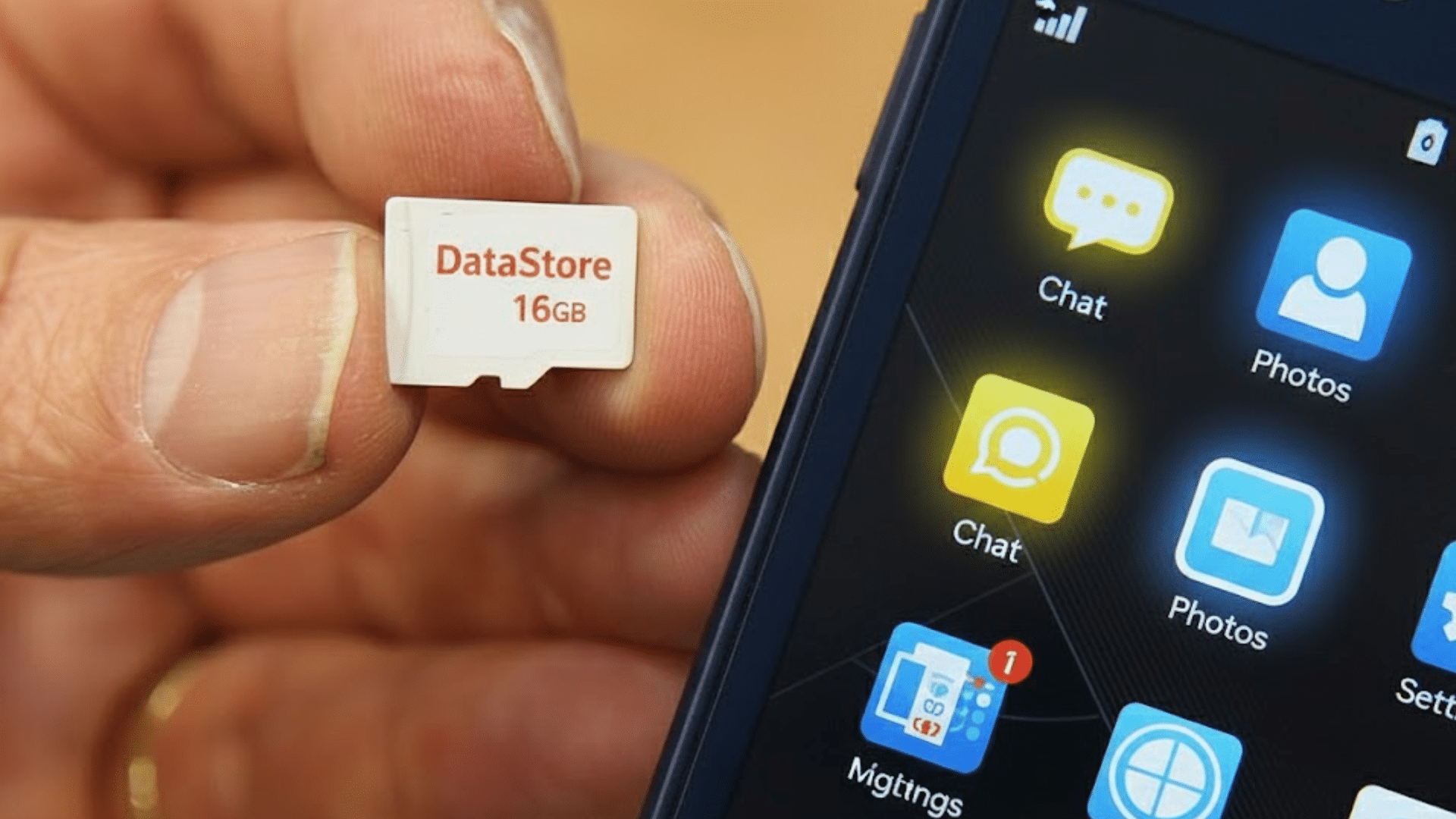
Many Android devices support expandable storage through microSD cards, allowing users to increase capacity without buying a more expensive model.
This option is particularly useful for storing photos, videos, apps, and media libraries without relying solely on internal storage or subscription-based cloud services.
Expandable storage provides long-term value, especially for users who frequently capture high-resolution photos or download large files.
iPhones, on the other hand, offer no expandable storage, requiring users to anticipate needs at purchase or pay more for higher-capacity models.
6. Universal USB-C Charging
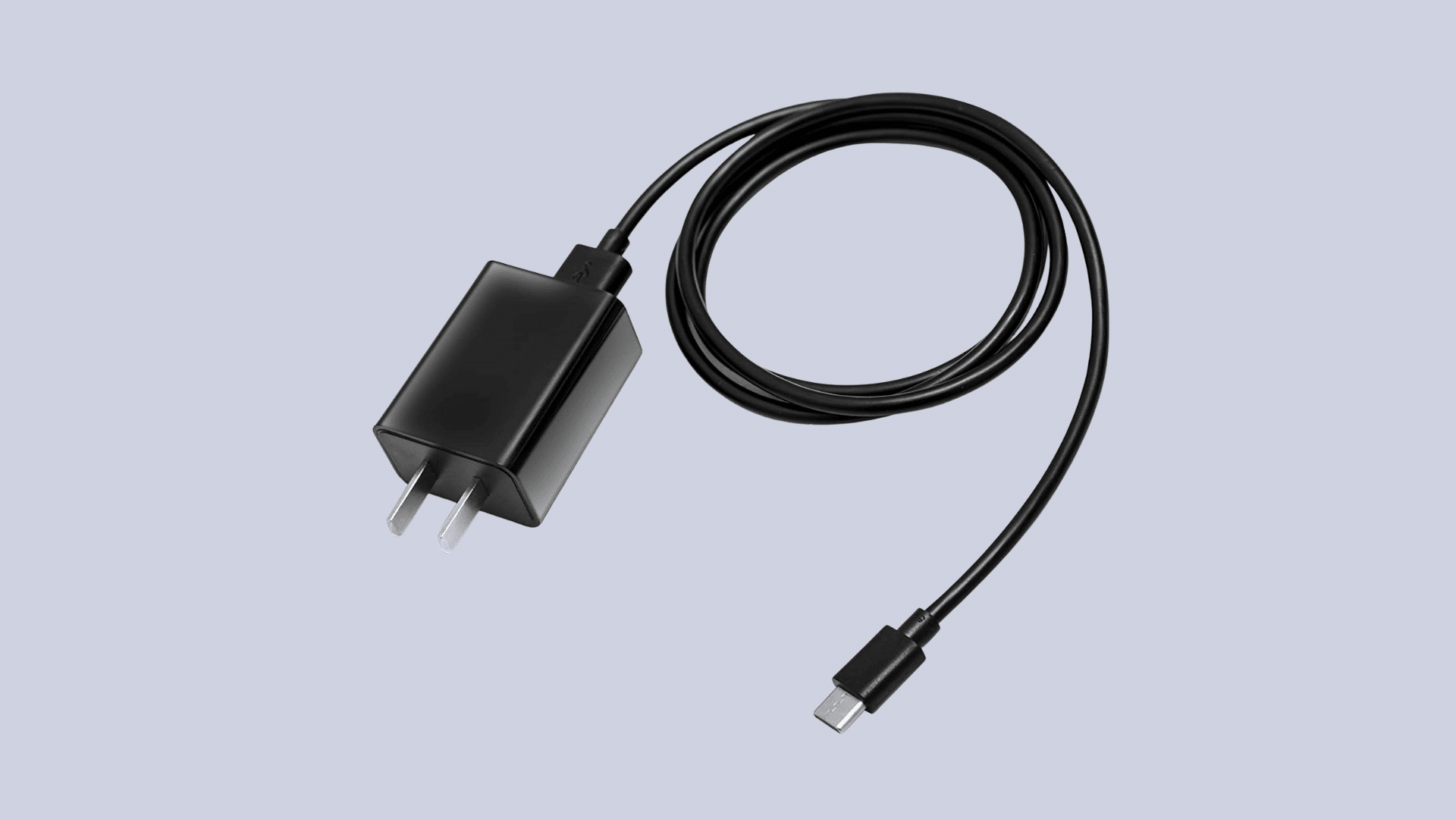
USB-C has become the standard for most Android devices, promoting universal compatibility across chargers, cables, laptops, tablets, and accessories.
This reduces electronic waste and eliminates the need for proprietary charging connectors.
USB-C also supports faster charging, quicker data transfer, and broader accessory support compared to Apple’s traditional Lightning port.
Many Android devices leverage USB-C to power advanced features such as reverse charging, desktop modes, and external display connections.
7. Open Ecosystem and App Freedom
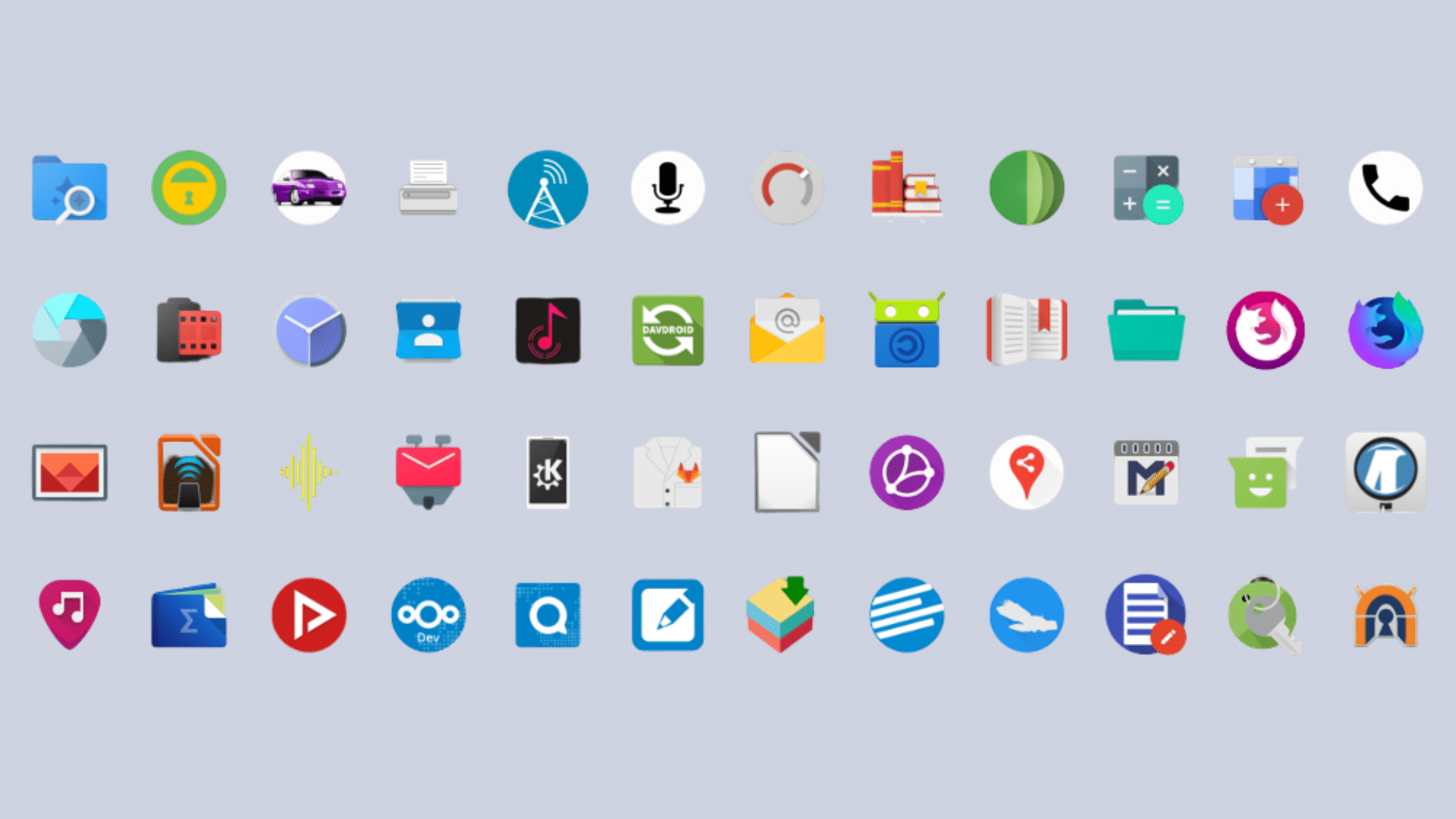
Android’s open ecosystem allows users to install apps from multiple sources, not just the Google Play Store. This freedom encourages innovation, competition, and a wider range of app choices.
Users can download third-party apps, install APK files, and customize their app experience without restrictive barriers.
Developers also benefit from fewer limitations, enabling unique features and specialized tools not typically allowed within stricter ecosystems.
This openness supports diverse software options, from productivity utilities to experimental apps.
8. Faster Hardware Innovation
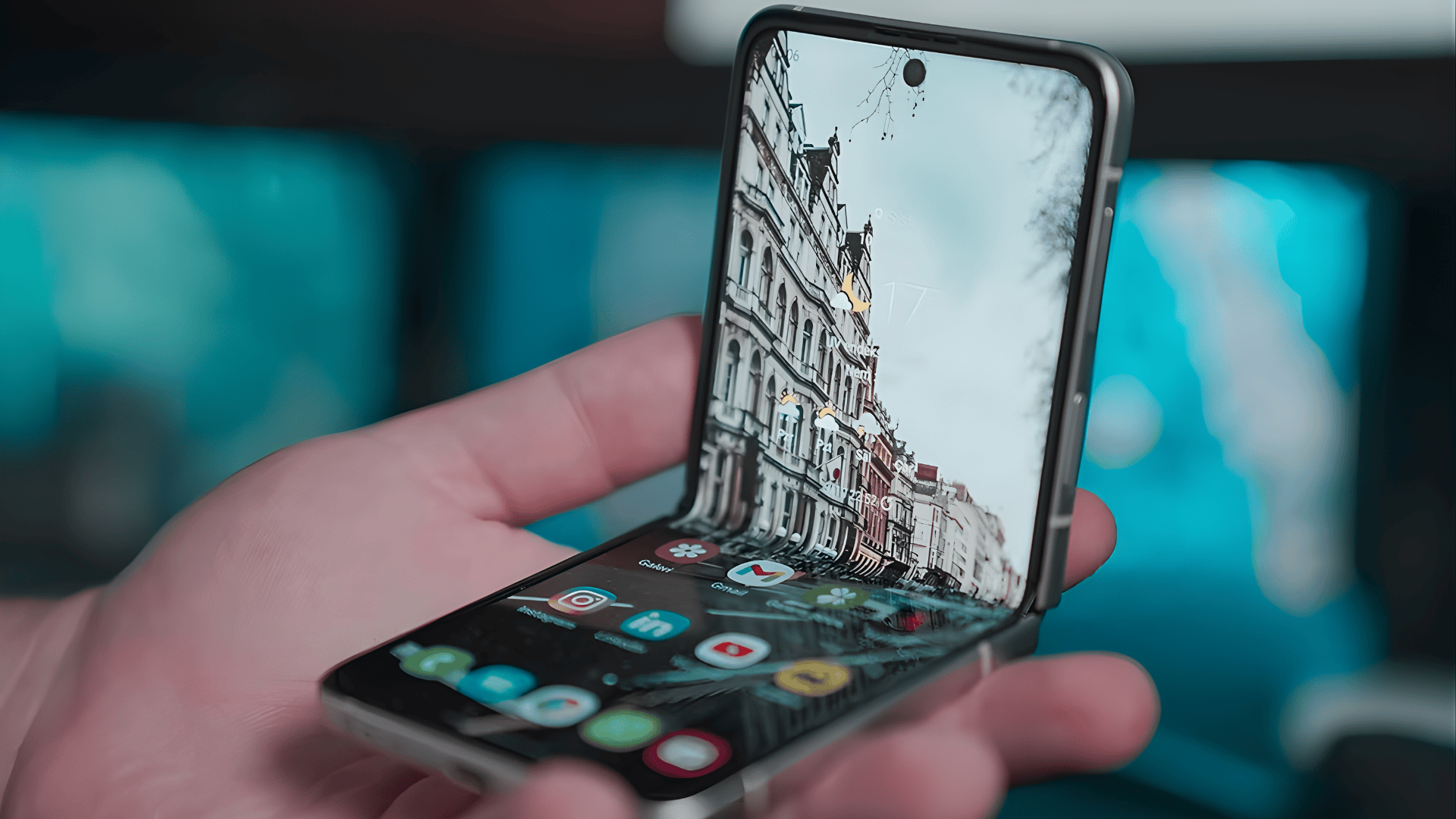
Because numerous manufacturers produce Android devices, the ecosystem evolves rapidly with frequent hardware advancements.
Features such as high-refresh-rate displays, periscope zoom cameras, under-display fingerprint sensors, and ultra-fast charging often debut on Android before appearing on iPhones.
Competitive pressure pushes brands to experiment, refine, and deliver cutting-edge technology year-round instead of relying on a single annual release cycle.
This fast-paced innovation offers consumers access to the latest trends without waiting for one company’s update schedule.
9. Better Integration with Google Services
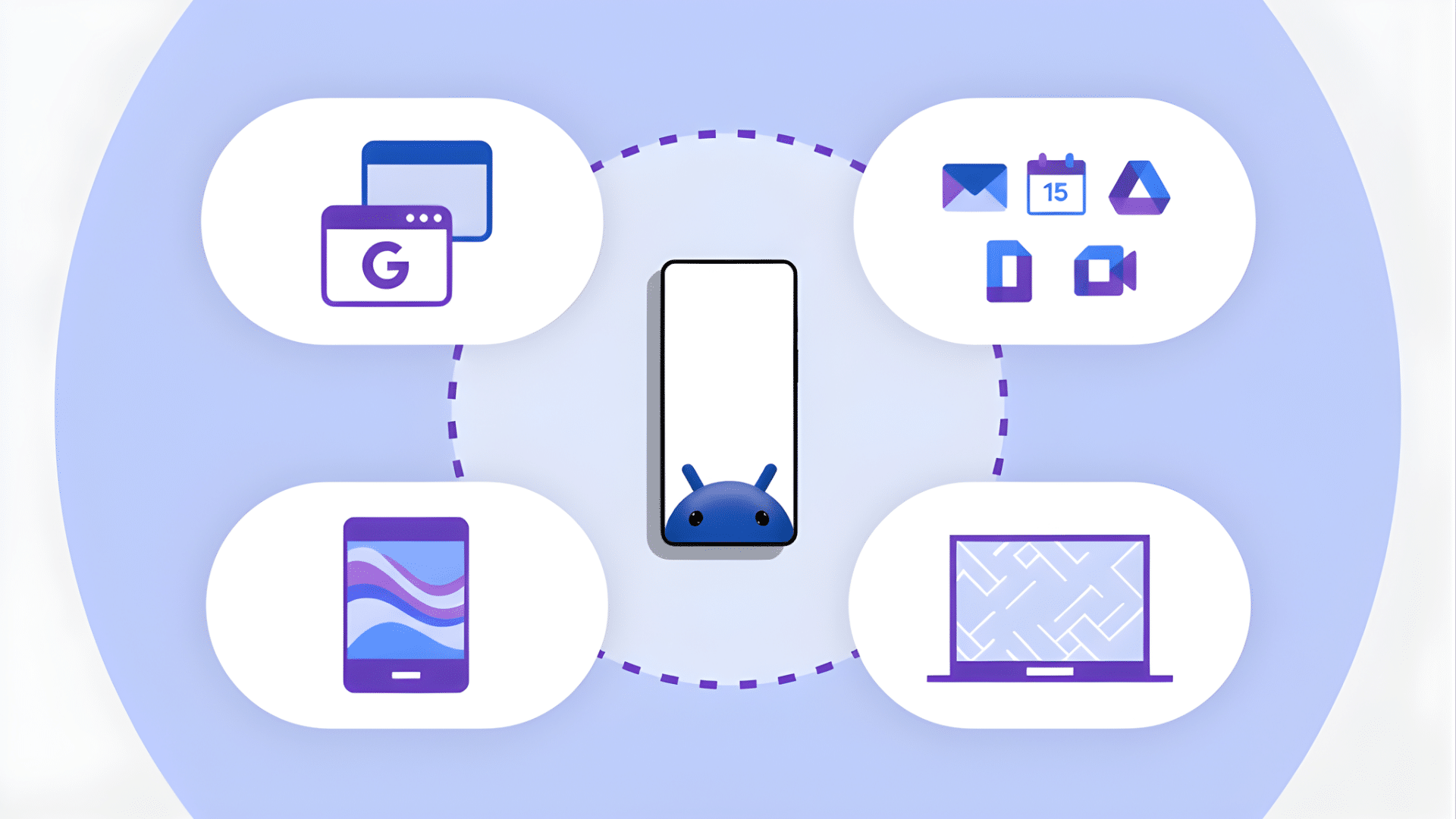
Android integrates seamlessly with Google’s suite of tools, including Gmail, Maps, Drive, Photos, Calendar, and Assistant.
The deep system-level connection ensures faster syncing, smoother performance, and more intuitive interactions across devices.
Google Assistant, in particular, provides highly advanced voice control, contextual awareness, and automation features.
Cloud storage is also more flexible and affordable through Google Drive, allowing convenient backup and restoration across devices.
10. Improved Battery and Charging Flexibility
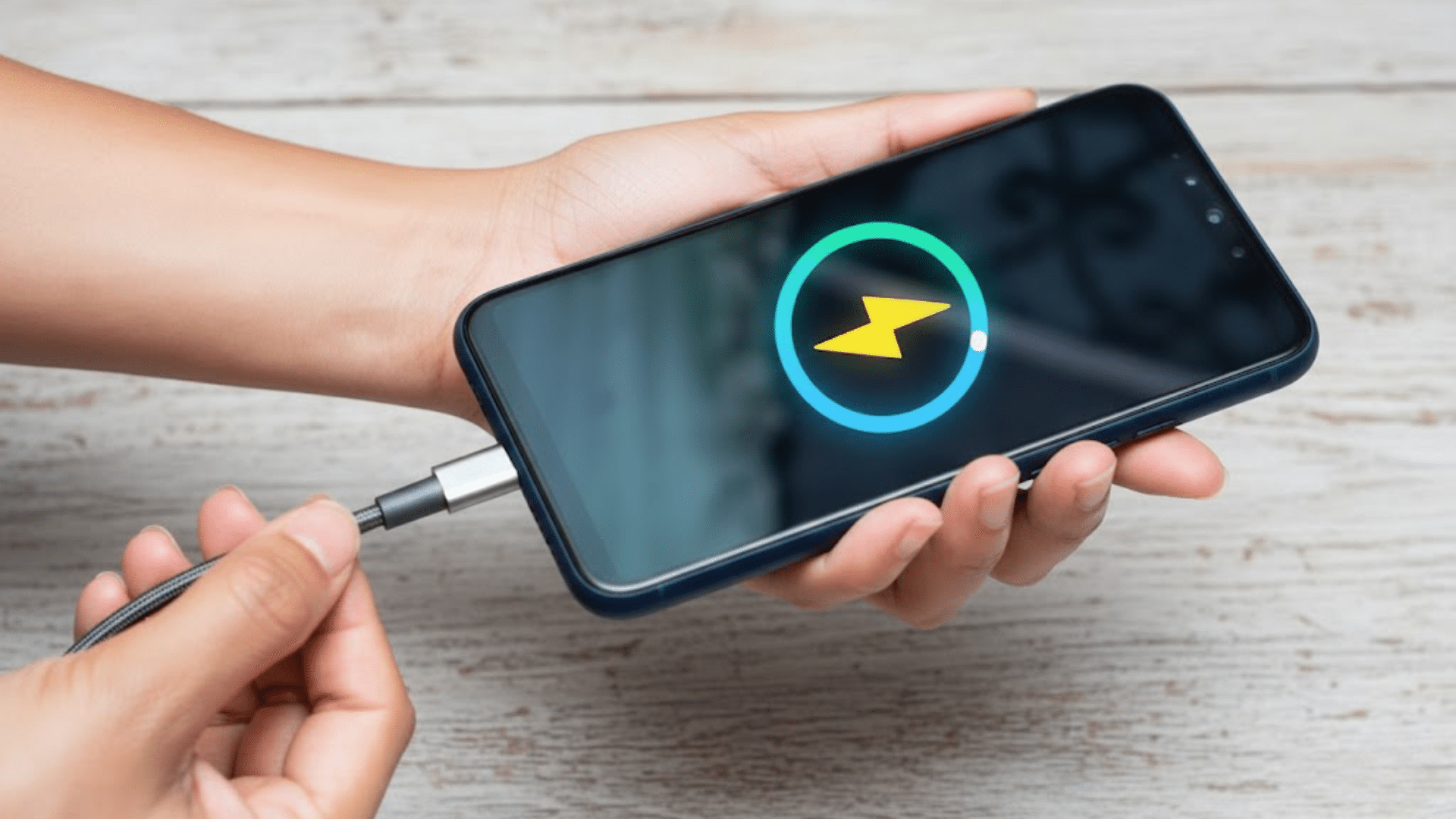
Many Android phones include large batteries that last longer under heavy use compared to standard iPhone models.
Fast-charging technologies often deliver significantly quicker power replenishment, with some models achieving a full charge in under an hour.
Users can choose phones with removable batteries or optimize power settings through advanced battery management tools.
Wireless and reverse-wireless charging capabilities are also common across Android brands. iPhones tend to provide slower charging speeds and fewer battery customization options.
Android vs. iPhone: Feature Comparison
Understanding the differences between Android and iPhone helps users choose the platform that fits their needs, preferences, and budget.
| Feature | Android | I Phone |
|---|---|---|
| Customization | Highly Customizable with Widgets, Launchers, Themes, and App Defaults. | Limited Customization, Maintains a Uniform, Controlled Interface. |
| Device Variety | Wide Range of Phones Across Brands, Sizes, and Price Levels. | Limited to Apple’s Yearly Releases with Fewer Size and Feature Variations. |
| Price Range | Options from Budget to Premium, Offering Flexibility for All Users. | Premium Pricing with Fewer Affordable Entry Options. |
| Ecosystem Openness | Open System Allowing Third-Party App Installs and Flexible Integrations. | Closed Ecosystem with Restrictions on Apps and System-Level Modifications. |
| Charging & Connectivity | Universal USB-C on Most Devices; Broader Accessory Support. | Transitioning to USB-C but Previously Reliant on Proprietary Lightning Ports. |
Who Should Choose Android Instead of iPhone?
Android is the better choice for users who prioritize flexibility, customization, and control over their smartphone experience.
Individuals who want to personalize every aspect of their interface, from widgets to app defaults, will find Android far more adaptable.
Budget-conscious consumers also benefit from the wide range of device options, allowing them to select a phone that delivers strong value without committing to premium pricing.
Android is ideal for power users who rely on advanced multitasking, split-screen features, or large-battery devices for long days of work or travel.
Those Who Prefer Open Ecosystems, Easy File Transfers, Expandable Storage, and Universal USB-C charging Will Appreciate Android’s Practical Design.
Conclusion
After comparing android and phone across features, pricing, customization, and overall flexibility, i consistently find myself drawn toward what android offers.
I value the freedom to choose a device that fits my needs, not just one fixed design or price.
The ability to customize my interface, expand storage, and take advantage of universal USB-C charging genuinely improves my daily experience.
And not only this, but I also enjoy how quickly Android manufacturers innovate, giving me access to new technology much sooner.
While iPhones offer stability and a polished ecosystem, Android aligns better with how I like to use my phone.
For anyone who values control, variety, and long-term affordability, Android continues to be the more empowering choice.
If you’ve compared both systems too, share your thoughts in the comments. I’d love to hear which one works better for you and why.