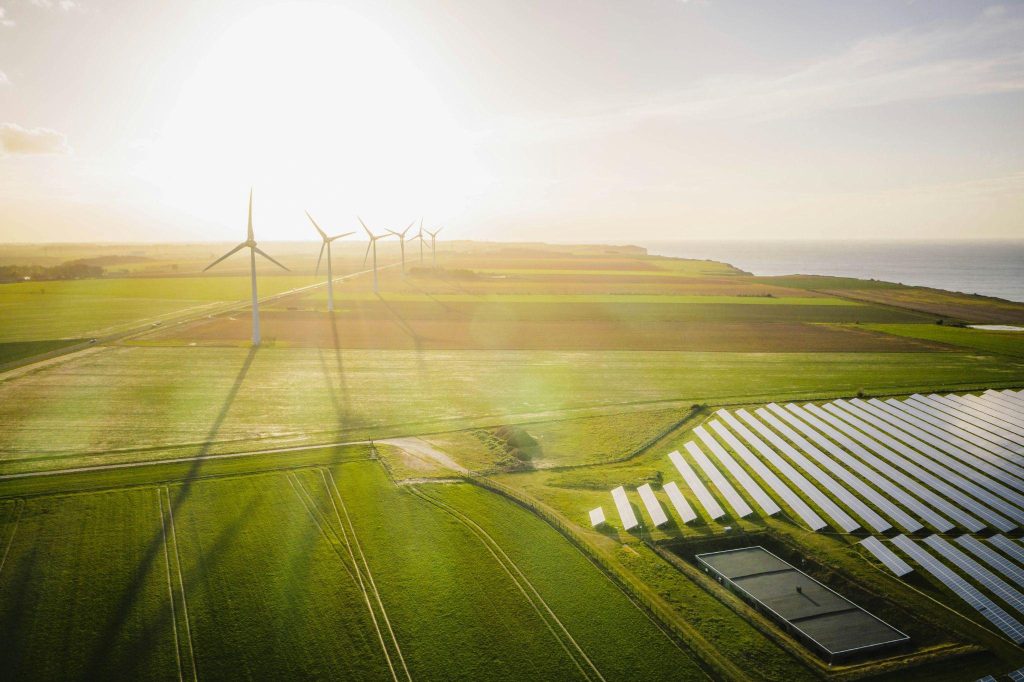
Neel Somani, a researcher and quantitative analyst, evaluates the model of co-locating energy-intensive computing with underutilized or stranded energy resources. Crusoe Energy Systems has advanced one of the more distinct implementations of this strategy, pairing large-scale compute workloads with otherwise curtailed or uneconomic energy supply.
The model introduces a structural shift in the relationship between power generation and demand, with implications for price formation, infrastructure development, and capital allocation across both energy and computing markets.
Reframing the Location of Compute
Traditional data center development follows a predictable pattern. Facilities are sited near major load centers or regions with established grid infrastructure, prioritizing reliability, connectivity, and access to transmission capacity. Electricity flows toward demand, and infrastructure scales accordingly.
The Crusoe model inverts that relationship. Compute moves to the source of energy rather than requiring energy to be delivered to centralized demand hubs. By locating computing infrastructure near flared natural gas sites or regions with excess generation, the model captures energy that might otherwise be wasted or underpriced.
“Moving compute to energy changes the cost structure,” Somani explains. “It converts stranded supply into productive capacity without relying on transmission expansion.”
The shift introduces a different set of economic and operational considerations.
Stranded Energy and Marginal Pricing
Energy markets frequently produce conditions where supply exceeds local demand or transmission capability. In such cases, marginal prices can fall to zero or even negative levels. Renewable curtailment and gas flaring represent two distinct manifestations of the same underlying imbalance.
Under conventional market structures, excess supply does not generate value unless it can be transported or stored. Transmission constraints and storage limitations prevent full utilization of available energy.
By deploying compute at the point of production, Crusoe’s model creates localized demand that absorbs otherwise unused supply. The result is a new form of price discovery at the edge of the grid.
Stranded energy points to a mismatch between location and demand. Compute can close that gap without requiring additional transmission. The economic impact depends on the scale and persistence of such imbalances.
Impact on Transmission and Congestion
Transmission infrastructure is one of the most capital-intensive components of the power system. Expanding capacity involves long timelines, regulatory approval, and significant cost allocation decisions.
Co-located computing reduces reliance on transmission by consuming energy locally. In regions where congestion limits the export of generation, localized demand can alleviate pressure on the grid and reduce curtailment.
The model, however, does not eliminate the need for transmission entirely. Data produced by compute facilities must still be transmitted through digital networks, and grid interconnection may be required for backup or balancing purposes.
Transmission constraints do not disappear but are, instead, partially offset by shifting demand rather than expanding supply pathways. The net effect depends on the interaction between physical and digital infrastructure.
Flexibility and Load Characteristics
Energy-intensive computing, particularly in applications such as cryptocurrency mining or certain AI workloads, can operate with a degree of flexibility not available to traditional industrial loads. Operations can scale up or down in response to energy availability and pricing conditions.
Flexibility introduces potential benefits for system balancing. During periods of excess supply, compute can absorb energy and stabilize prices. When supply tightens, operations can reduce consumption, freeing capacity for other uses.
“Flexible load behaves differently from fixed demand. It can respond to market conditions rather than forcing the system to adapt,” Somani says.
The effectiveness a dynamic like this depends on the degree to which flexibility is structured and predictable.
Capital Efficiency and Infrastructure Deployment
The economics of co-located computing differ from those of traditional data center development. Lower energy costs can offset higher logistical or operational complexity associated with remote locations.
Capital allocation decisions must consider both energy pricing and infrastructure requirements. Remote sites may require investment in cooling systems, connectivity, and on-site power management. At the same time, avoiding transmission costs and access to low-cost energy can improve overall project economics.
Capital efficiency comes from aligning compute with low-cost supply, thus the question becomes whether operational complexity offsets that advantage. Scaling the model requires balancing these factors across different geographies and resource types.
Interaction With Renewable and Hydrocarbon Resources
Crusoe’s approach has been applied in both renewable and hydrocarbon contexts. In renewable markets, excess generation during periods of low demand creates opportunities for co-located compute. In hydrocarbon settings, flared gas represents a form of stranded energy that can be monetized through on-site utilization.
Each application presents distinct dynamics. Renewable integration benefits from reduced curtailment and improved asset utilization. Gas-based deployments convert a byproduct into a revenue-generating input.
Market implications differ accordingly. Renewable-focused deployments interact with wholesale pricing and grid integration, while gas-based deployments operate more independently of traditional market structures.
“Different energy sources create different economic environments,” Somani explains. “The model adapts, but the underlying principle remains consistent.”
Market Structure and Competitive Dynamics
The emergence of co-located computing introduces new competitive dynamics across both energy and technology sectors. Traditional data center operators compete on reliability, latency, and access to large-scale infrastructure. Energy-aligned operators compete on cost structure and flexibility.
Power markets may experience localized shifts in demand patterns as compute clusters form near energy production sites. Price signals in these regions may stabilize as excess supply is absorbed.
At scale, the model could influence investment decisions in both generation and transmission. Developers may consider co-located demand as an alternative to exporting power through congested networks.
Markets evolve when new forms of demand emerge, and compute becomes a participant in energy price formation. The extent of that influence depends on adoption rates and integration with existing systems.
Limitations and Scaling Constraints
Despite its advantages, the model faces constraints. Remote locations can introduce challenges related to connectivity, workforce availability, and environmental conditions. Not all computing workloads can operate efficiently in decentralized environments.
Energy supply variability also affects performance. Renewable-based deployments may experience fluctuations that require storage or hybrid solutions to maintain consistent operation.
Regulatory considerations vary by jurisdiction. Permitting, emissions standards, and interconnection rules influence project viability.
Scaling the model requires addressing these constraints without eroding cost advantages.
Structural Outlook
Co-locating energy-intensive computing with underutilized energy resources represents a shift in the relationship between supply and demand within both power and technology systems. Rather than expanding infrastructure to connect distant resources, the model aligns consumption with existing supply conditions.
Economic performance depends on maintaining cost advantages while managing operational complexity. Flexibility, location, and integration with market signals determine long-term viability.
The broader impact has a reach far beyond individual projects, and as energy and computing become increasingly interdependent, new models of infrastructure development are likely to emerge. Co-location represents one pathway among several, reflecting a broader trend toward system-level optimization.
Power markets and digital infrastructure continue to converge in ways that reshape both industries. Aligning compute with energy supply introduces new forms of efficiency, new competitive dynamics, and new considerations for capital allocation. The outcome will depend on how effectively these systems integrate within existing market structures and evolving demand patterns.
About Neel Somani
Neel Somani is a researcher and quantitative analyst specializing in energy markets, computational infrastructure, and capital allocation. His work examines the intersection of power systems and technology, with a focus on how emerging computing models reshape energy economics and market structure. Somani evaluates infrastructure strategies that bridge traditional energy supply with evolving digital demand, offering analysis on topics ranging from grid dynamics and price formation to the long-term convergence of energy and computing markets.