A premium compact camera can look perfect at launch, but real value shows only after practical use begins.
This Leica Q3 Review focuses on how the camera holds up once daily shooting replaces first impressions. Buyers often wonder if the price reflects lasting performance or simply brand appeal.
I will be discussing real-world usability, shooting experience, and whether this compact camera meets practical photography needs.
When you invest at this level, you want clarity, not marketing language or surface-level praise.
Before moving into deeper evaluation, let us look at where the Leica Q3 stands in the premium compact space and what expectations truly make sense.
About Leica Q3
The Leica Q3 is positioned as a premium compact camera built for serious photographers who value long-term reliability and refined performance.
Pricing starts at $5,995 for the standard 28mm version, while the Q3 43 variant is listed at around $6,895.
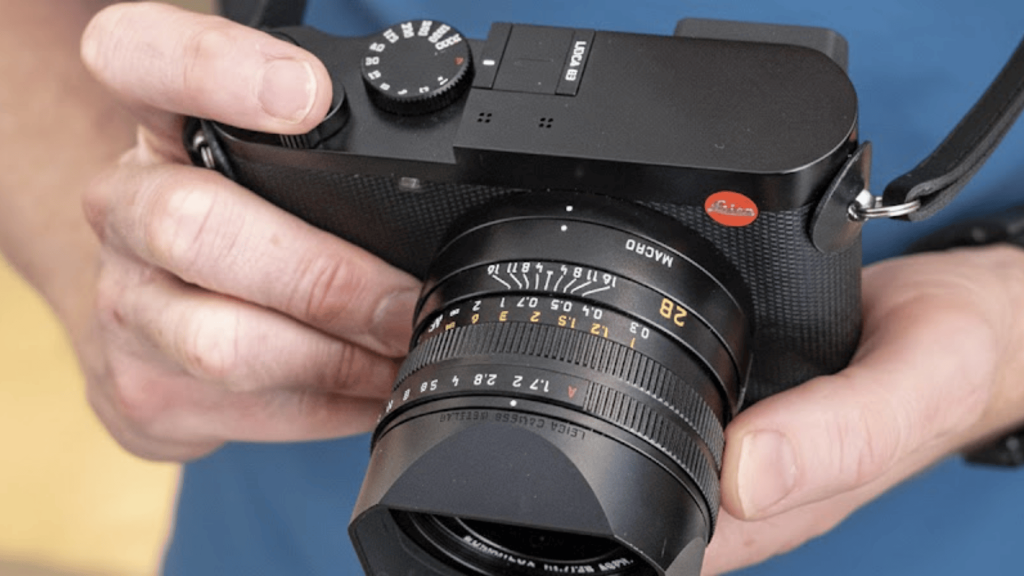
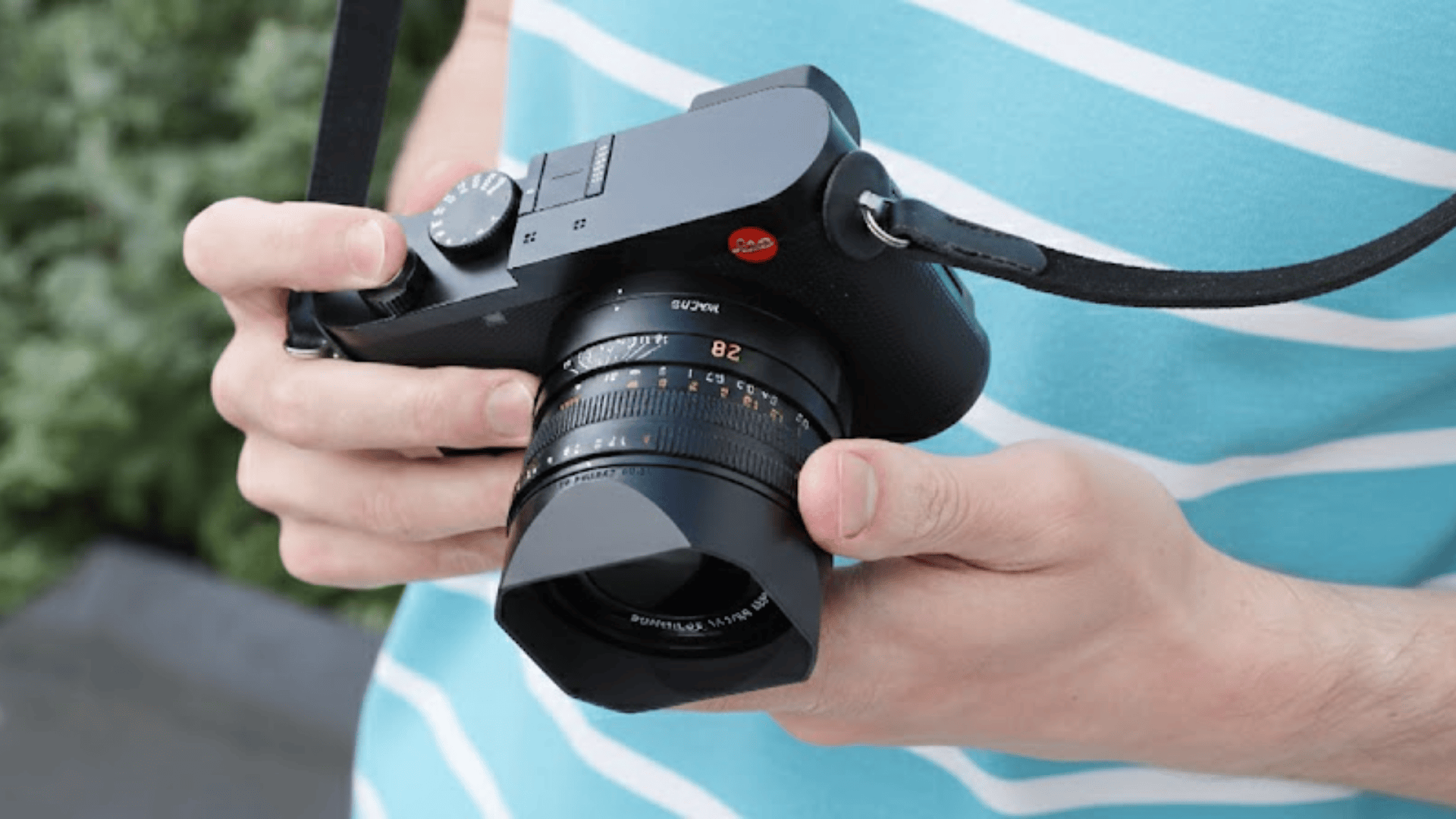
It features a weather-sealed aluminum body with IP52 certification, offering protection against dust and moisture in demanding environments.
A 60MP sensor supports digital crop modes that simulate 35mm, 50mm, 75mm, and 90mm focal lengths while maintaining strong resolution.
An integrated macro mode allows close-up shooting from 17cm, adding flexibility beyond standard wide-angle use.
The Q3 appeals to professionals and enthusiasts who prefer tactile controls and renowned Leica optics, and who are ready to publish JPEG output using Leica Looks presets in a compact, travel-ready body built for lasting use.
Key Features of The Leica Q3
A balanced look at how the camera performs across photography essentials, focusing on real-world results rather than specifications.
1. Image Quality and Sensor Output
The Leica Q3 delivers consistently detailed images thanks to its high-resolution full-frame sensor.
Fine textures remain intact, while colors appear natural and well-controlled across varied lighting conditions. Low-light output stays usable at higher ISO levels, with controlled noise and preserved detail.
The fixed lens complements the sensor well, producing sharp results across the frame and maintaining image consistency throughout extended use.
2. Autofocus Speed and Accuracy
Autofocus performance plays a major role in everyday shooting and highlights its balanced approach.
Subject detection works reliably for common scenarios, while single-point autofocus offers precision when control is needed.
Focus acquisition is generally fast in good lighting and remains dependable indoors.
Overall, autofocus behavior feels refined, predictable, and suitable for street, travel, and documentary-style photography.
3. Stabilization and Handheld Shooting
In-body stabilization contributes significantly to handheld usability, especially in low-light conditions.
Slower shutter speeds remain usable without introducing noticeable motion blur. This helps extend shooting flexibility without relying on tripods or additional support.
Stabilization works easily in the background, without drawing attention or complicating settings.
This performance supports both casual shooting and intentional compositions in challenging lighting conditions.
4. Handling, Speed, and Responsiveness
Camera responsiveness impacts shooting confidence, and performance remains snappy across core operations.
Startup times are short, menu navigation feels fluid, and shutter response stays immediate. Buffer handling keeps pace with typical photography needs, preventing slowdowns during short bursts.
The overall experience prioritizes smooth operation, allowing focus to remain on framing and timing rather than technical delays or interruptions.
5. Video and Hybrid Use Performance
Video capability rounds out this Leica Q3 review by addressing expectations for hybrid shooting. The footage appears clean and detailed, with reliable stabilization and accurate color rendering.
Autofocus during video performs consistently for static and moderately moving subjects.
While photography remains the primary strength, video performance adds versatility for creators who need occasional motion capture without carrying separate equipment.
Leica Q3 Review: Community Insights
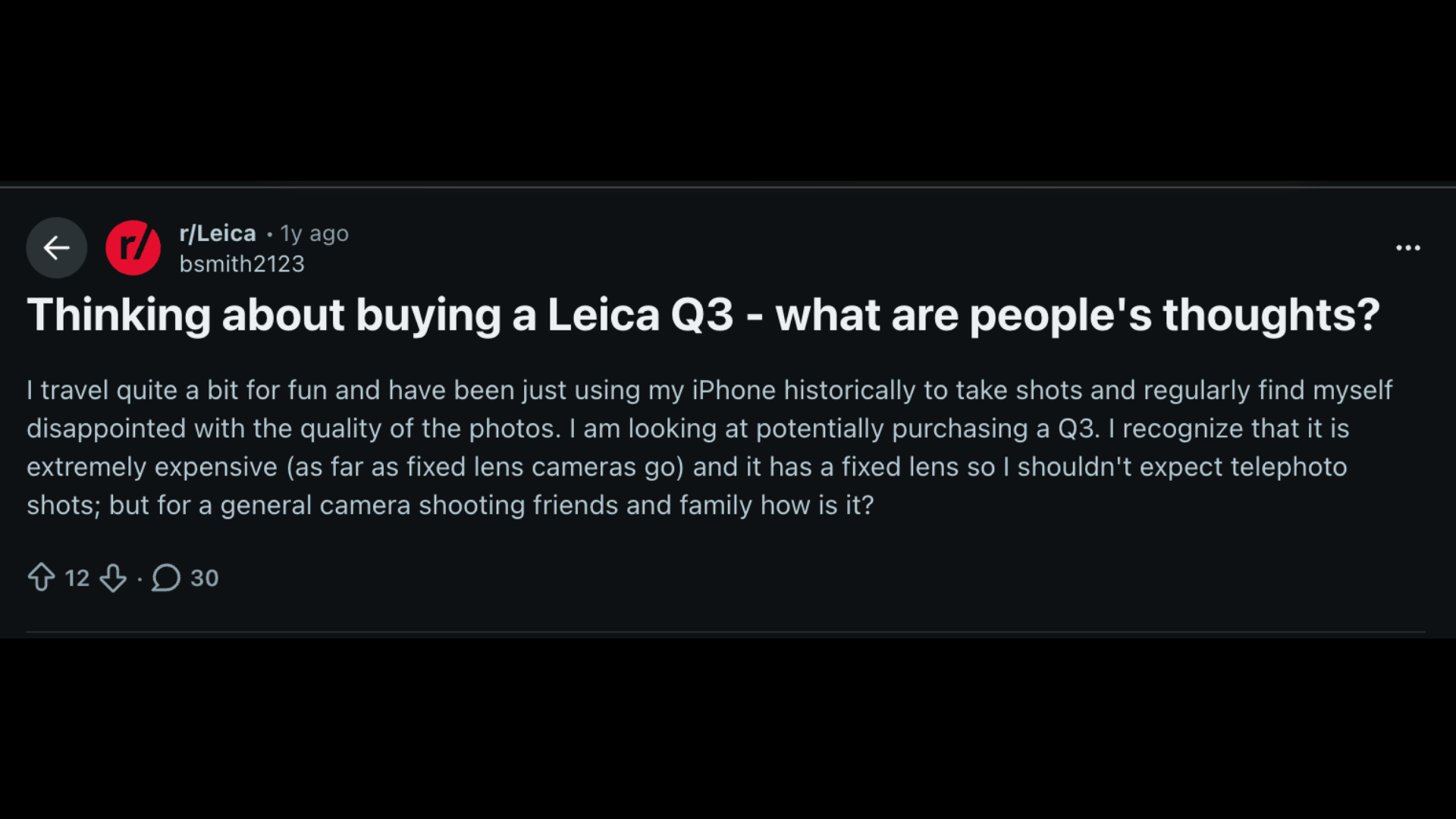
Reddit discussions around the Leica Q3 often describe it as a strong everyday camera; the fixed-lens concept keeps gear decisions simple.
Image quality and lens sharpness get repeated praise, and this Leica Q3 review also highlights how often portability is mentioned.
Travel use appears in many comments, and street shooting comes up frequently. The 28mm focal length remains the main make-or-break point; some consider it the perfect all-around view.
Others feel it lands in an awkward middle, and cropping is cited as a practical workaround. The high-resolution sensor supports that habit.
Autofocus feedback trends positively overall. Some notes suggest a short adjustment period. Manual focus is widely described as enjoyable.
Handling and controls receive consistent approval, and price-to-value debates show up regularly. Alternative cameras are often mentioned for comparison.
Usability Over Time: Experience with The Leica Q3
Long-term usability plays a major role in understanding a camera beyond first impressions, and this Leica Q3 review focuses on how the camera performs with regular use.
Daily handling remains consistent, with controls that stay intuitive and easy to reach over time.
The compact body supports frequent carry without becoming cumbersome, while the fixed-lens design removes the need for constant gear decisions.
Menu navigation becomes faster with familiarity, helping maintain shooting flow during spontaneous moments.
Battery performance remains predictable, allowing better planning for longer sessions. File handling and editing flexibility stay reliable across repeated use, supporting an efficient workflow.
Overall consistency and dependable operation suit photographers who value simplicity and long-term reliability in a premium compact system.
Is the Leica Q3 Worth It?
Value depends on priorities, shooting style, and expectations from a premium compact camera.
The Leica Q3 justifies its cost through strong image quality, reliable performance, and a refined fixed-lens experience that emphasizes simplicity.
Build quality and long-term usability support consistent daily use, while the high-resolution sensor adds flexibility through cropping.
The 28mm focal length works well for street, travel, and documentary photography, though it may feel limiting for those needing varied perspectives.
Autofocus, stabilization, and overall responsiveness meet the demands of everyday shooting without unnecessary complexity.
Compared to interchangeable-lens systems, the appeal lies in convenience rather than versatility.
For photographers seeking a focused, well-built camera that delivers dependable results and an uncluttered shooting experience.
The Leica Q3 presents a compelling, though premium-priced, option.
Conclusion
A camera at this level is never just about features, but about how it fits into daily creative habits. The Leica Q3 stands as a focused tool built around clarity, discipline, and consistent results over time.
It does not aim to replace every system, yet it rewards photographers who value simplicity and long-term reliability.
You are not only paying for performance, but for an experience shaped by design, build quality, and dependable output.
For some, that focused approach will feel limiting, while for others it will feel freeing and intentional.
If you are considering this camera, think about how often you prefer simplicity over flexibility.
What matters most in your decision: image quality, lens choice, or long-term usability? Tell us, share with us in the comments below.
Frequently Asked Questions
Does the Leica Q3 Support Professional Workflows?
Yes, the camera produces high-quality raw files that integrate smoothly into professional editing workflows and printing requirements.
How Does the Leica Q3 Handle Long Shooting Sessions?
Comfortable ergonomics, stable performance, and predictable battery behavior support extended use without frequent interruptions.
Is the Leica Q3 Suitable for Hybrid Photo and Video Use?
While photography remains the core strength, video features offer enough flexibility for occasional hybrid shooting needs.