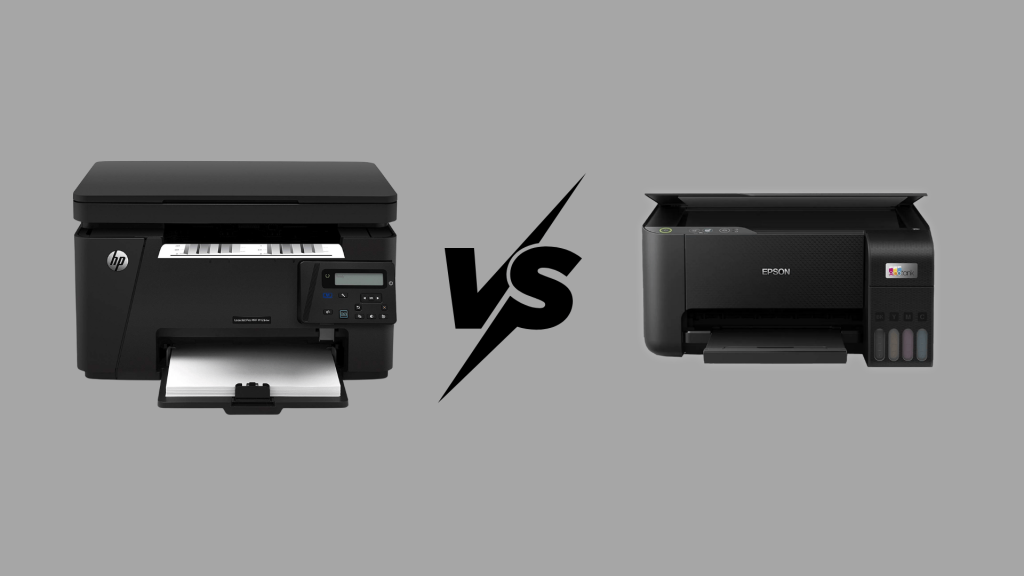
Buying a printer seems easy until you realize there are two main types, and choosing the wrong one can waste your money and time.
Many people compare laser printers vs inkjet printers only after experiencing slow printing, high ink costs, or poor photo quality at home.
The truth is, your printing needs decide everything, whether you print school papers, office files, or colorful family photos.
I will be telling you about laser printer vs inkjet differences in speed, cost, print quality, and long term value so you can choose with confidence.
But before comparing features and prices, let us first understand why this choice matters and how each printer actually works for your daily needs.
Laser Printer vs Inkjet: How Each Technology Actually Works?
A laser printer, such as the Brother HL-L2460DW (monochrome) or the HP Color LaserJet Pro 3301sdw (color), uses toner powder and relies on a drum that receives an electric charge to initiate the process.
A laser beam changes the charge on specific areas of the drum to form text or images, and toner sticks only to those charged sections.
As the paper passes over the drum, it pulls the toner onto its surface. Heat and pressure then fuse the toner into the paper, which is why pages come out dry and ready to use right away.
An inkjet printer, such as theBrother DCP-L2640DW or the Epson EcoTank ET-3950, uses liquid ink stored in cartridges and pushes it through tiny nozzles that spray very small droplets onto the paper.
The printer controls the size and placement of each droplet to create text or images with detail and smooth color blending.
While this method is great for photos and colorful prints, the ink needs a moment to dry and can smudge if touched too soon.
Laser Printer vs Inkjet: Key Differences That Matter
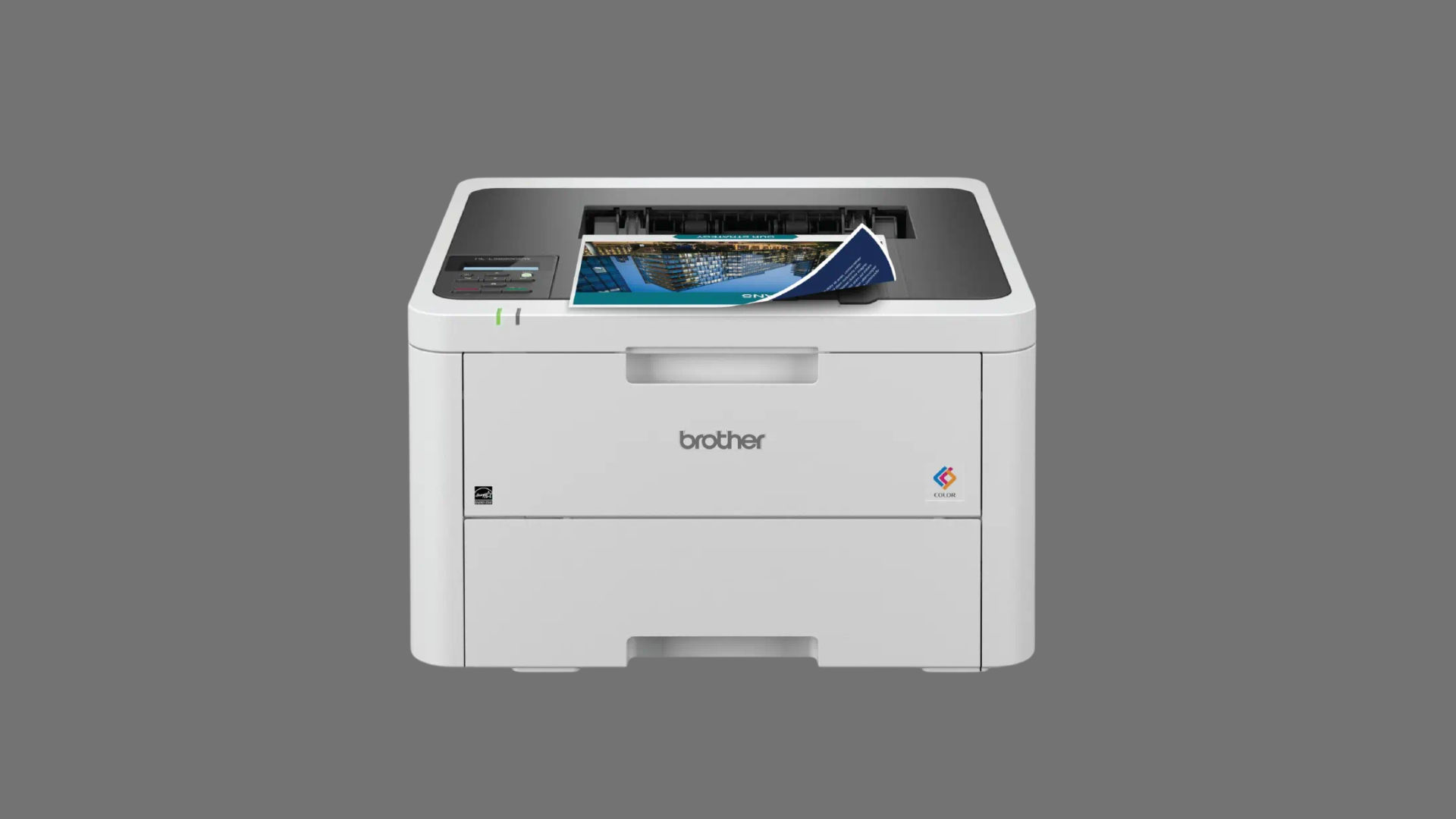
Choosing between the two often comes down to daily use, output needs, and the amount of printing over time.
1. Printing Speed
When it comes to speed, laser printers are usually faster, especially for black-and-white documents.
They can print many pages per minute (20-40 for B&W) without slowing down, which makes them a better fit for office setups or study use where bulk printing is common.
Inkjet printers are slower (10-20 PPM), and while that may not matter for occasional home use, it becomes noticeable during large print jobs.
2. Print Quality
Laser printers produce sharp, clean text, making them ideal for reports, forms, and contracts. Letters look crisp even in small font sizes.
Inkjet printers, on the other hand, are often better for photos because they blend colors more smoothly. Images tend to look softer and more detailed on photo paper.
In terms of color accuracy, inkjet models usually perform better for graphics and pictures, while laser printers focus more on sharp text and consistent output.
3. Volume and Durability
Laser printers are built to handle higher monthly page limits (5,000-50,000/month), making them suitable for frequent, heavy printing. They maintain steady performance even during long print runs.
Inkjet printers are better suited for lower monthly volumes (500-2,000 pages/month) and may struggle if pushed too hard.
Over time, laser printers often last longer under regular use because their components are designed for repeated printing.
Inkjet printers can last as well, but heavy use may lead to quicker wear or more maintenance needs.
4. Size and Noise
Laser printers are often larger and heavier than inkjet ones, especially multi-function models designed for office use.
They take up more desk space and may not suit small setups. Inkjet printers are usually more compact and easier to place in tight areas.
In terms of noise, laser printers can be louder during operation due to internal movement and heating elements, while inkjet printers tend to run more quietly, although both types make some sound during active printing
Laser Printer vs Inkjet: Connectivity and Features
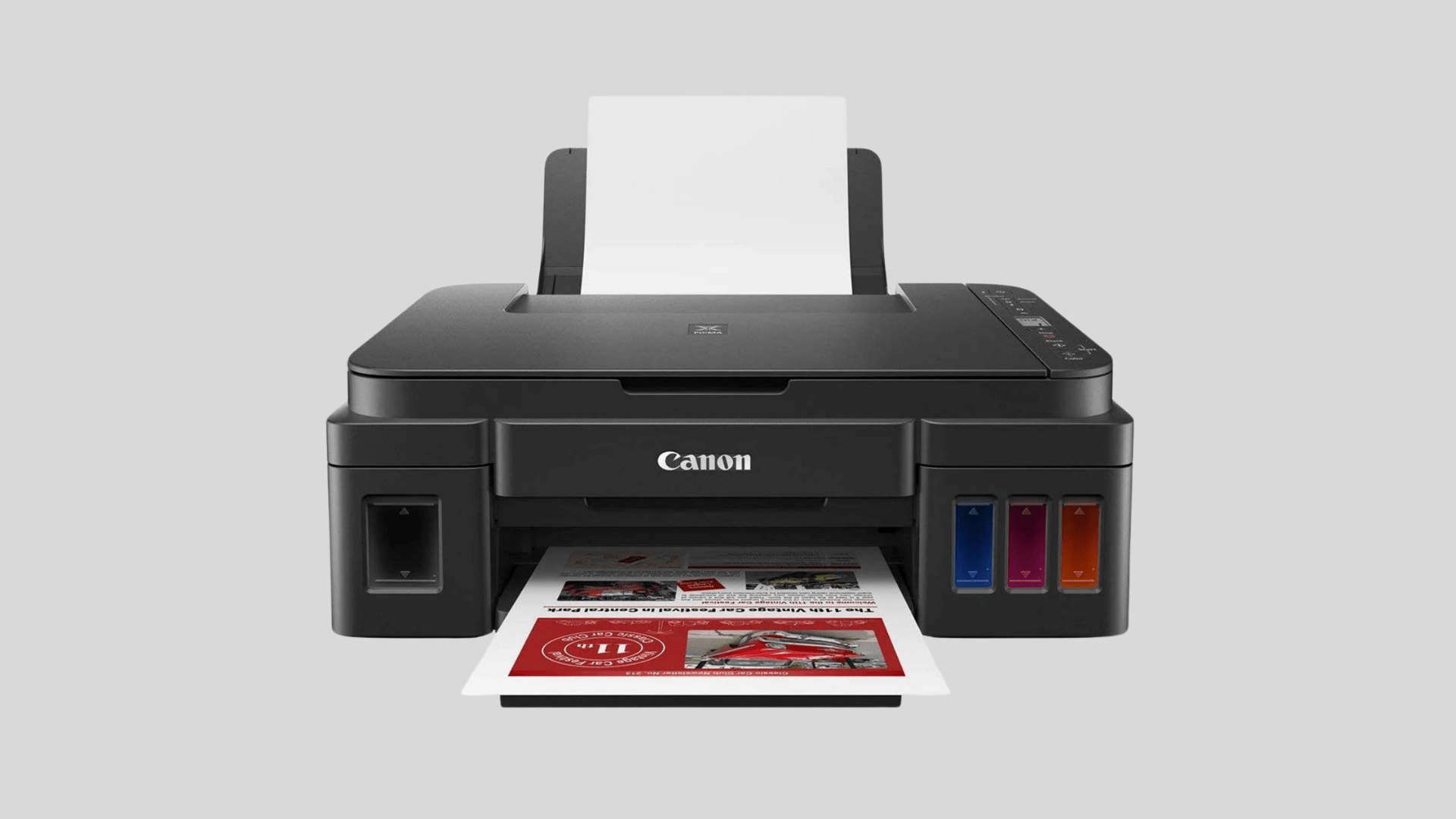
When comparing laser printers and the inkjet models, connectivity and extra features can vary depending on the brand and price range.
Both types now commonly offer Wi-Fi support, and some also include Bluetooth for direct pairing with phones or tablets.
This makes wireless printing easy from laptops and mobile devices. Many laser printers and inkjet options also support mobile printing services such as AirPrint or built-in apps.
Duplex printing is more common in mid- to high-range laser printers, especially those built for office use, while some inkjet models also include it.
Scanning and copying features are available in both types through all-in-one models. App and cloud compatibility is also present in most modern printers, allowing direct printing from online storage platforms.
Laser Printer vs Inkjet: Cost Comparison
The initial price is often the first big difference people notice in the laser printer vs inkjet debate.
Inkjet printers usually cost between $50 and $200, making them more appealing for tight budgets. Laser printers typically range from $150 to $600, depending on features and print type.
However, long-term costs tell a different story. Ink cartridges may seem cheaper at first, but they run out faster and often need frequent replacement.
Toner cartridges cost more upfront, yet they last much longer and print more pages. This lowers the cost per page for laser models, especially for frequent printing.
Maintenance also differs. Inkjets may clog nozzles if not used regularly, while laser printers generally require less frequent attention.
Costs can also go up if you buy a color printer instead of a monochrome one.
Laser Printer vs Inkjet: What Real Users Actually Say
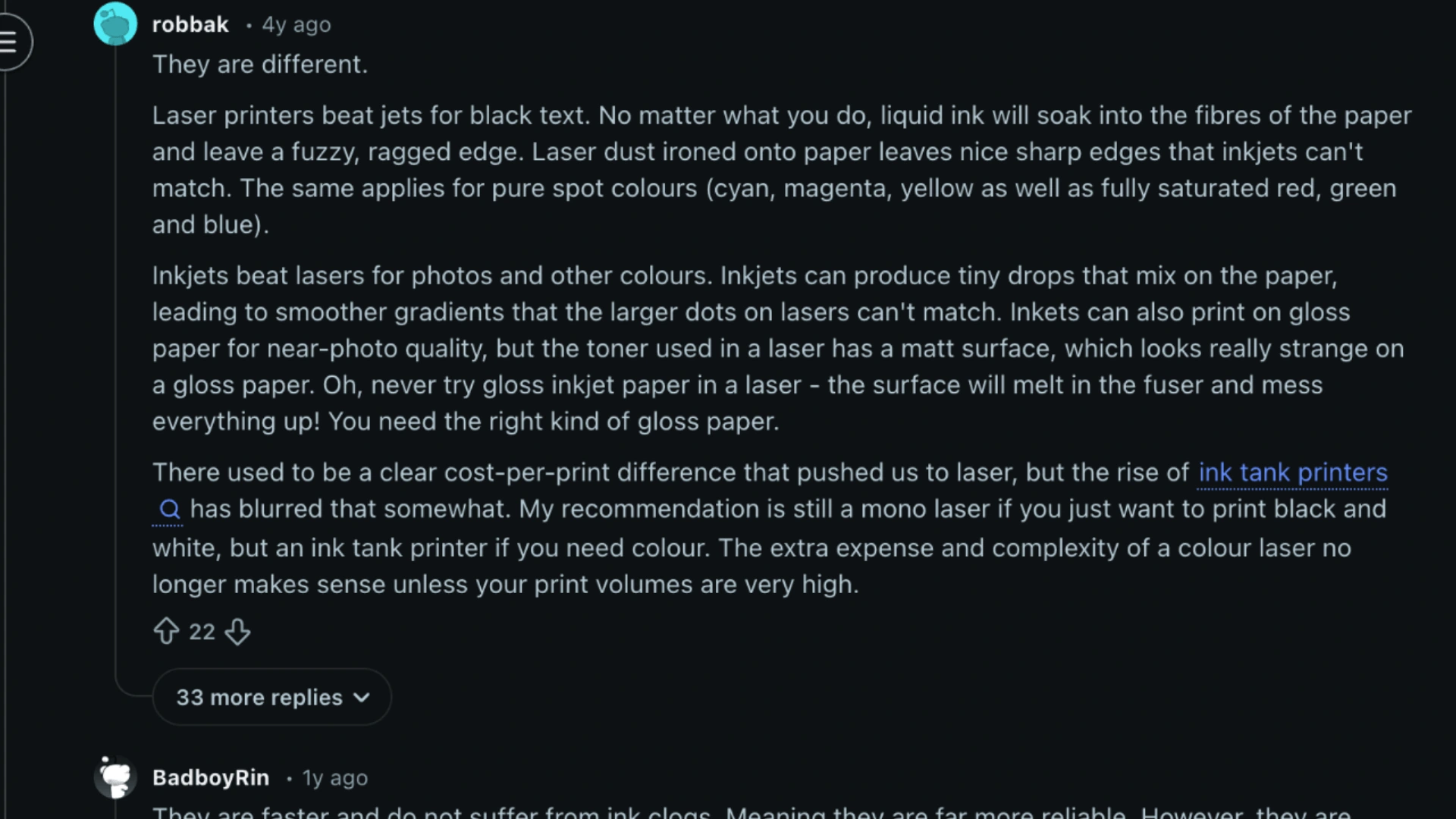
When Reddit users talk about laser printers vs. inkjet printers, strong opinions often stem from daily use.
Many users say laser printers produce much sharper black text because toner sits on the paper instead of soaking into it, which keeps edges clean and clear.
They also point out that laser models are faster and do not suffer from ink clogging, which makes them feel more reliable for schoolwork and documents.
On the other hand, inkjet fans argue that photos look better with liquid ink since tiny droplets blend smoothly and work well on glossy paper.
In this debate, users often agree on one thing: inkjet printers are cheaper to buy, but ink can run out quickly and feel expensive over time.
Who Should Buy Which Printer?
The right choice depends on how often you print, what you print, and whether you care more about photos or fast documents.
- Home users: For basic tasks like school assignments, tickets, and occasional color prints, an inkjet usually makes sense because it costs less upfront and handles mixed use well.
- Office users: For regular document printing, reports, and bulk paperwork, a laser printer is a better fit, as it offers faster output and a lower cost per page over time.
- Casual printers: If printing happens once in a while, an inkjet works fine, but it should be used regularly to avoid ink drying inside the nozzles.
- Heavy users: For frequent and high-volume printing, a laser printer is more practical because it handles large workloads without slowing down.
- Photo enthusiasts: For detailed images and glossy photo paper, inkjet printers are usually preferred because they produce smoother color transitions.
- Document-heavy workers: For text-focused tasks such as contracts and study materials, laser printers deliver sharper text and more consistent results.
Conclusion
The laser printer vs inkjet choice becomes easier when you stop searching for the best printer and start focusing on what fits your real-life printing needs.
Some of you print homework, reports, or office files almost every day, while others only need color pages or photos from time to time.
I believe the smart decision comes from considering print speed, long-term ink or toner costs, space, and how often you will actually use the machine.
When you match your usage with the right printer type, you avoid wasting money and frustration later.
Are you planning to buy a printer soon? If so, then inkjet or laser, tell us, share with us in the comments below.