Ever catch yourself scrolling through a friend’s sunset shot and think, yeah, my phone could do that too! Umm, or maybe not?
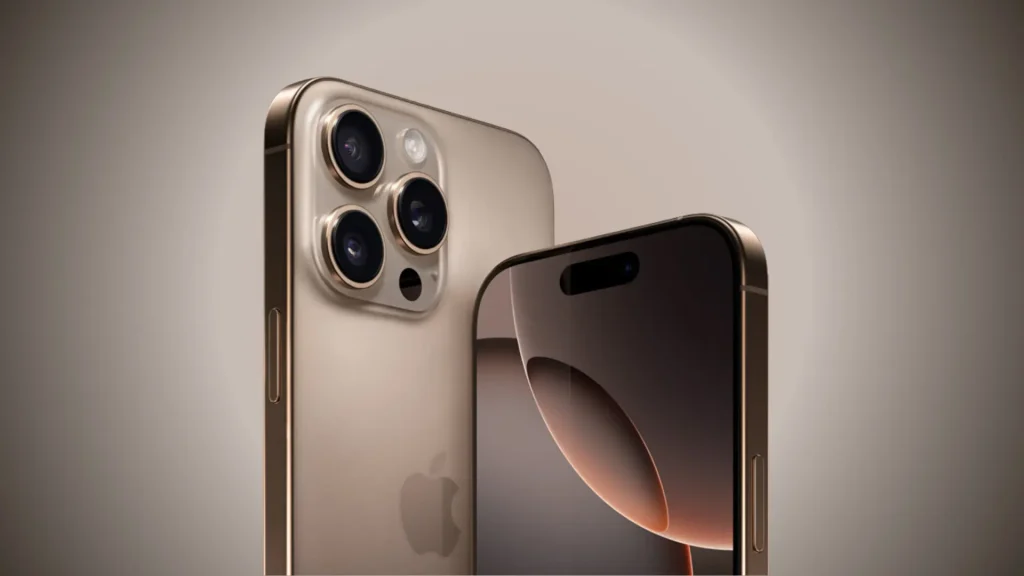
The iPhone 16 Pro Max camera is one of those upgrades that has created real curiosity among photographers, travelers, and everyday users.
Apple has refined its camera system with smarter image processing, making everyday snaps feel a little more alive.
After researching reviews, user feedback, and real photo samples, I have finally figured out what the camera does well and where expectations should stay realistic.
This blog covers the hardware upgrades, real-world photography performance, and comparisons with the iPhone 16 Pro camera.
What Makes the iPhone 16 Pro Max Camera Different?
In my view, the biggest shift in the iPhone 16 Pro Max camera comes from how intelligently it processes images, rather than relying solely on hardware upgrades.
Apple has focused heavily on improving computational photography. Photos look sharper, highlights are better balanced, and shadows retain more detail than what I noticed on the iPhone 15 Pro.
The upgraded zoom lens also feels more practical for everyday shooting, especially when capturing distant subjects without losing clarity.
Low-light performance is noticeably improved, with cleaner images and less grain in night shots. Focus speed also feels faster, which helps a lot with moving subjects.
Apple also highlights these camera improvements on its official page, noting that smarter HDR processing produces more natural colors.
iPhone 16 Pro Max Camera Specifications
After looking at the phone’s specs, I feel the upgraded sensors, zoom lens, and A18 Pro chip explain why the iPhone 16 Pro Max camera performs better.
- 48MP Main Fusion Sensor (24mm f/1.78 lens): Delivers highly detailed 48MP images with sensor-shift stabilization that helps reduce blur and improve brightness in handheld shots.
- 48MP Ultra Wide Camera (13mm f/2.2): Matches the resolution of the main camera and includes autofocus for sharper macro photography.
- 12MP 5x Telephoto Lens (f/2.8 tetraprism): Enables clear long-distance photography with lossless zoom.
- A18 Pro Chip Image Processing: Supports faster computational photography with improved noise reduction and image analysis.
- 4K 120fps Video Recording: Records slow-motion HD videos with smooth motion rendering. Advanced stabilization and audio processing help maintain clear footage even when recording moving subjects or outdoor scenes.
iPhone 16 Pro Max Camera Performance
Real-world photography reveals how the iPhone 16 Pro Max camera handles daylight scenes, portraits, night shots, zoom, macro detail, and cinematic video recording.
1. Daylight Landscape with iPhone 16 Pro Max Camera
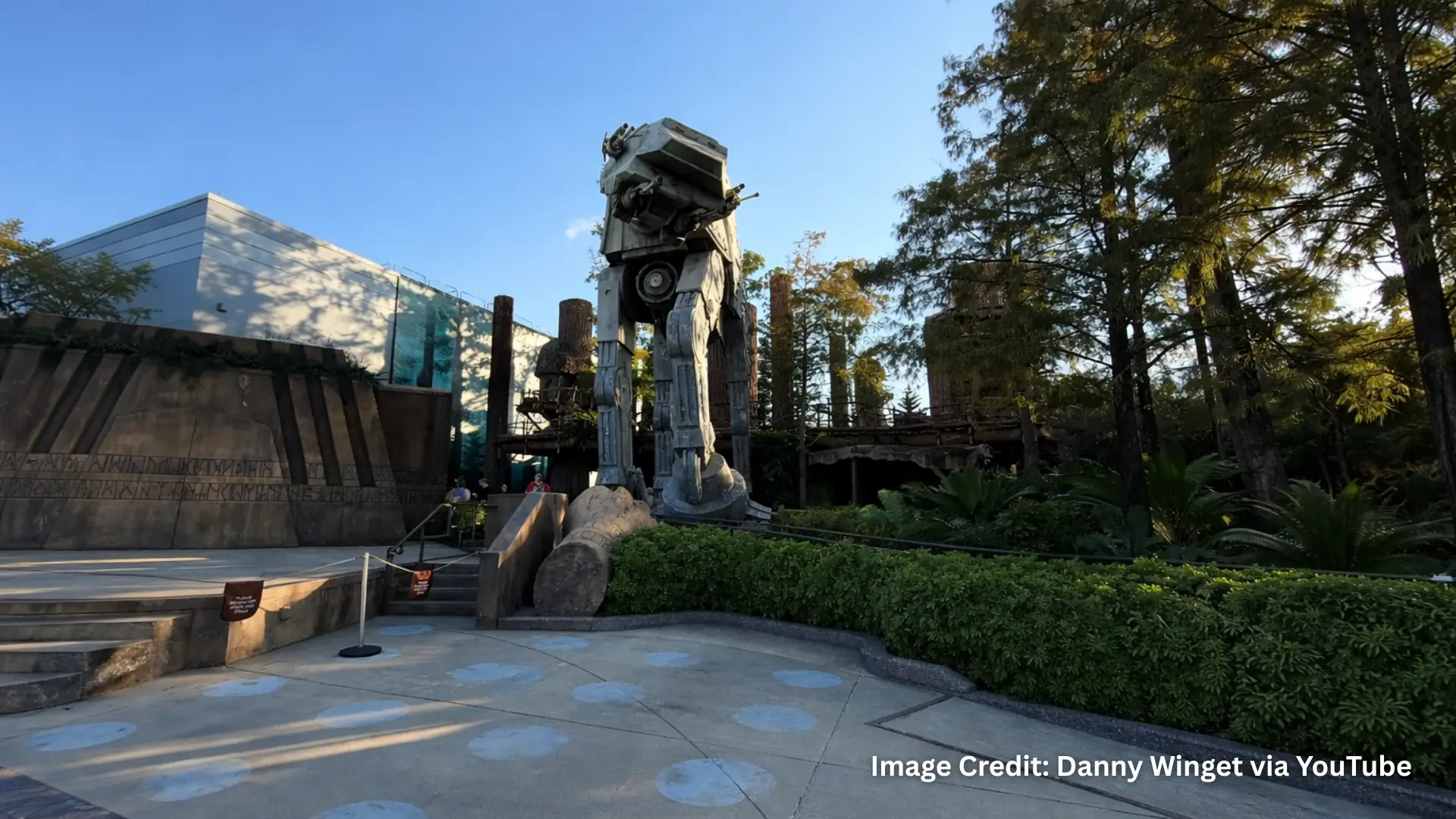
As per the demonstration by Danny Winget, Daylight photography is where the iPhone 16 Pro Max camera really shows its strength.
The 48MP main sensor captures sharp details in distant trees, buildings, and skyline shots. Colors appear vibrant yet natural, with blue skies and green landscapes that look balanced rather than overly processed.
Dynamic range also improves noticeably. Bright highlights remain controlled while shadow areas retain visible detail, which helps when shooting scenes in strong sunlight.
This makes the camera reliable for travel photography, city landscapes, or park views. Apple’s ProRAW processing and computational photography also allow deeper editing flexibility.
2. Portrait Mode on iPhone 16 Pro Max Camera

In his video, Danny also tests out portrait photography, and that feels more refined with the iPhone 16 Pro Max camera, thanks to improved depth detection and better background blur.
Subjects remain sharp while the background fades smoothly, creating a natural portrait look.
Edge detection has improved as well, helping the camera more accurately separate hair, clothing, and facial outlines. Skin tones appear balanced and realistic under different lighting conditions.
Apple’s updated Photographic Styles also allow subtle tone adjustment. This makes portrait shots suitable for social media photos, travel portraits, and casual photography.
3. Night Shooting with iPhone 16 Pro Max Camera
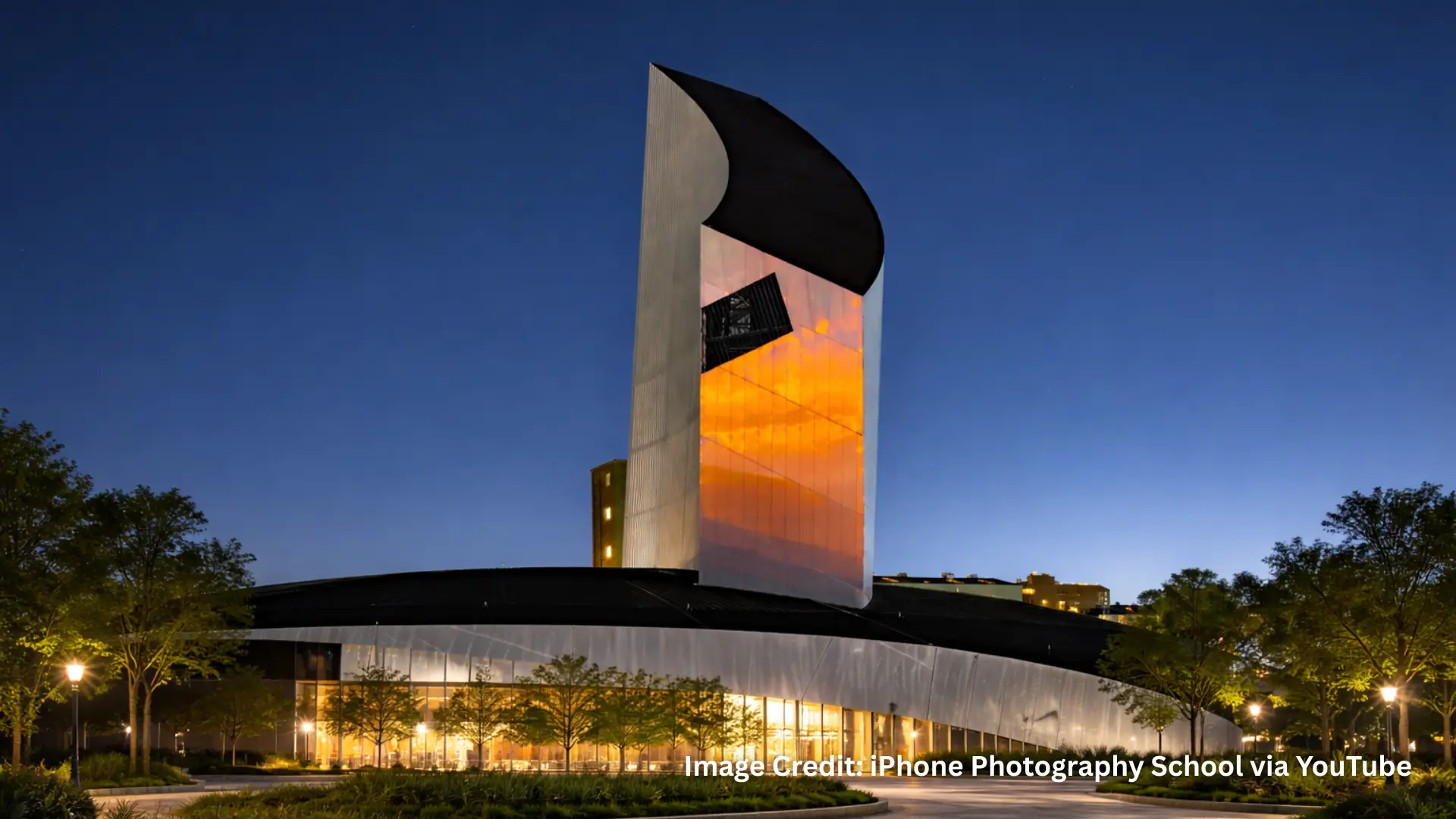
Night Mode on the iPhone 16 Pro Max camera performs very well. It is praised for processing images faster while combining multiple exposures to brighten scenes without introducing heavy noise.
Street lights, city skylines, and indoor lighting appear clear with balanced highlights and shadows. Textures such as walls, pavement, and signs remain visible rather than becoming soft or grainy.
Even handheld night shots maintain good detail, thanks to stabilization and improved image processing. This makes the camera reliable for evening photography, restaurants, night walks, and events.
This easy tutorial by the iPhone Photography School shares simple tips for night photography you can use to capture high-quality images in low lighting.
4. Telephoto Zoom on iPhone 16 Pro Max Camera
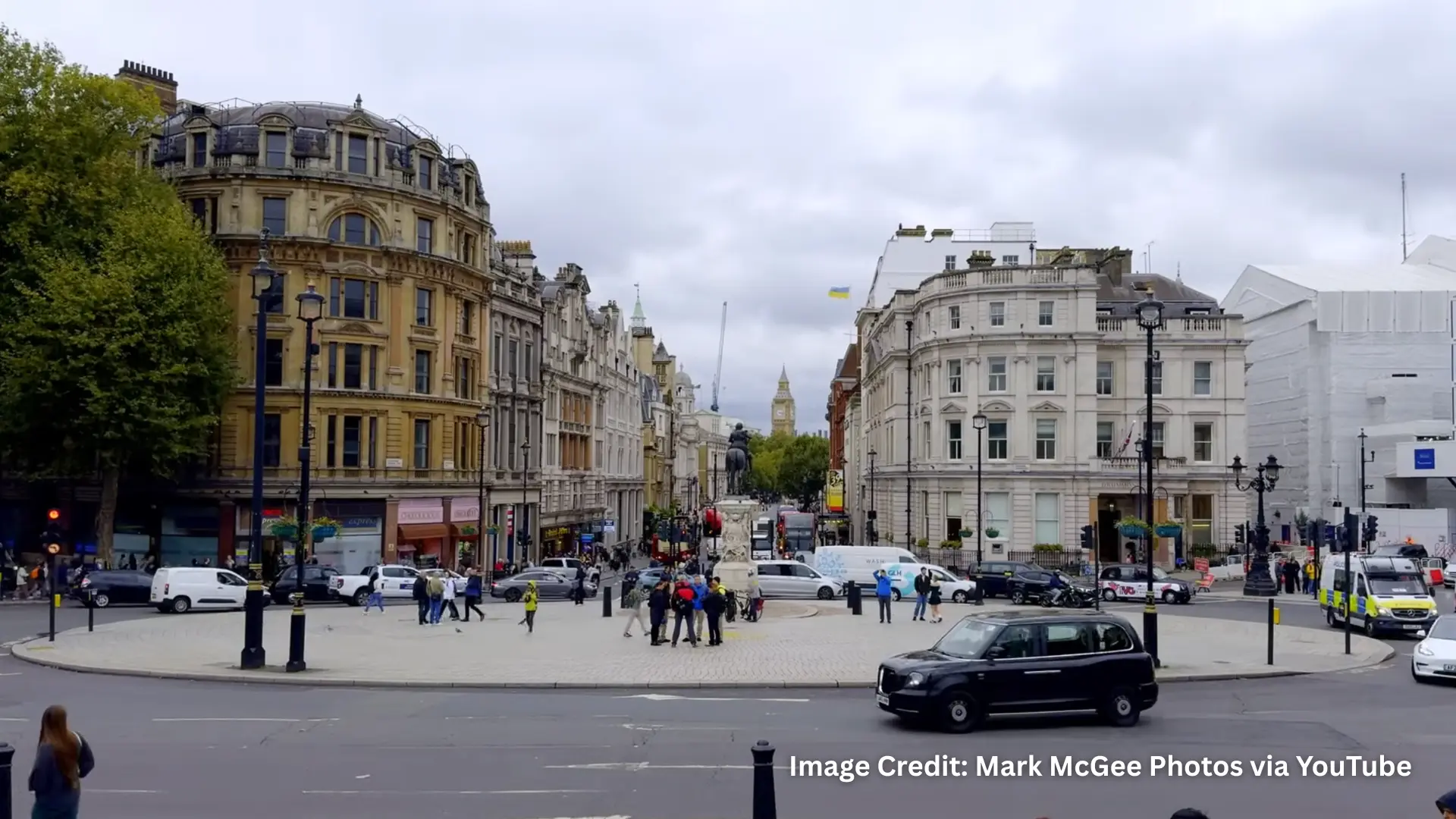
The iPhone 16 Pro Max camera includes a 5x optical telephoto lens with a tetraprism design for long-distance photography.
Images remain sharp at 3x-5x zoom, making it useful for architecture, sports, wildlife, and distant subjects. Optical stabilization helps keep photos steady when shooting handheld.
Even when zooming beyond optical range, image processing keeps detail relatively clean compared to older iPhones. It allows you to capture subjects that would normally require a dedicated camera lens.
This video by Mark McGee Photos demonstrates how a telephoto zoom works in real shooting situations.
5. Macro and Ultra Wide on iPhone 16 Pro Max Camera
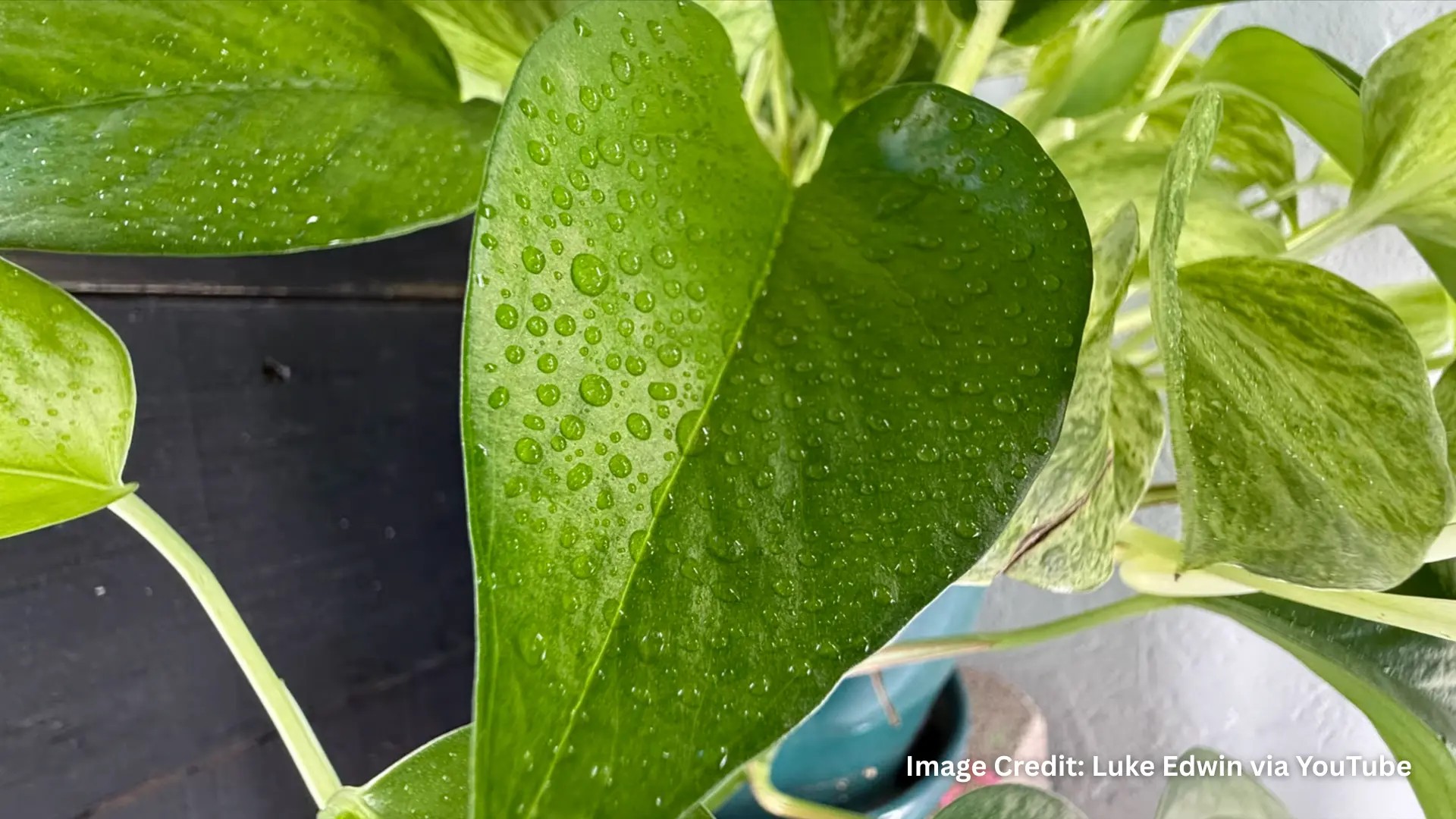
The upgraded 48MP ultra-wide camera brings stronger detail. The lens focuses extremely close, allowing small subjects like flowers, textures, and food details to appear sharp.
Macro shots are great for higher resolution, which means images can be cropped later without losing clarity.
The ultra-wide view also works well for architecture, landscapes, and group photos that require a wider perspective. Image processing maintains color consistency across both the main and ultra-wide cameras.
Luke Edwin shares simple photography tricks for capturing detailed macro images with the iPhone 16 Pro Max camera.
6. Video Features of iPhone 16 Pro Max Camera
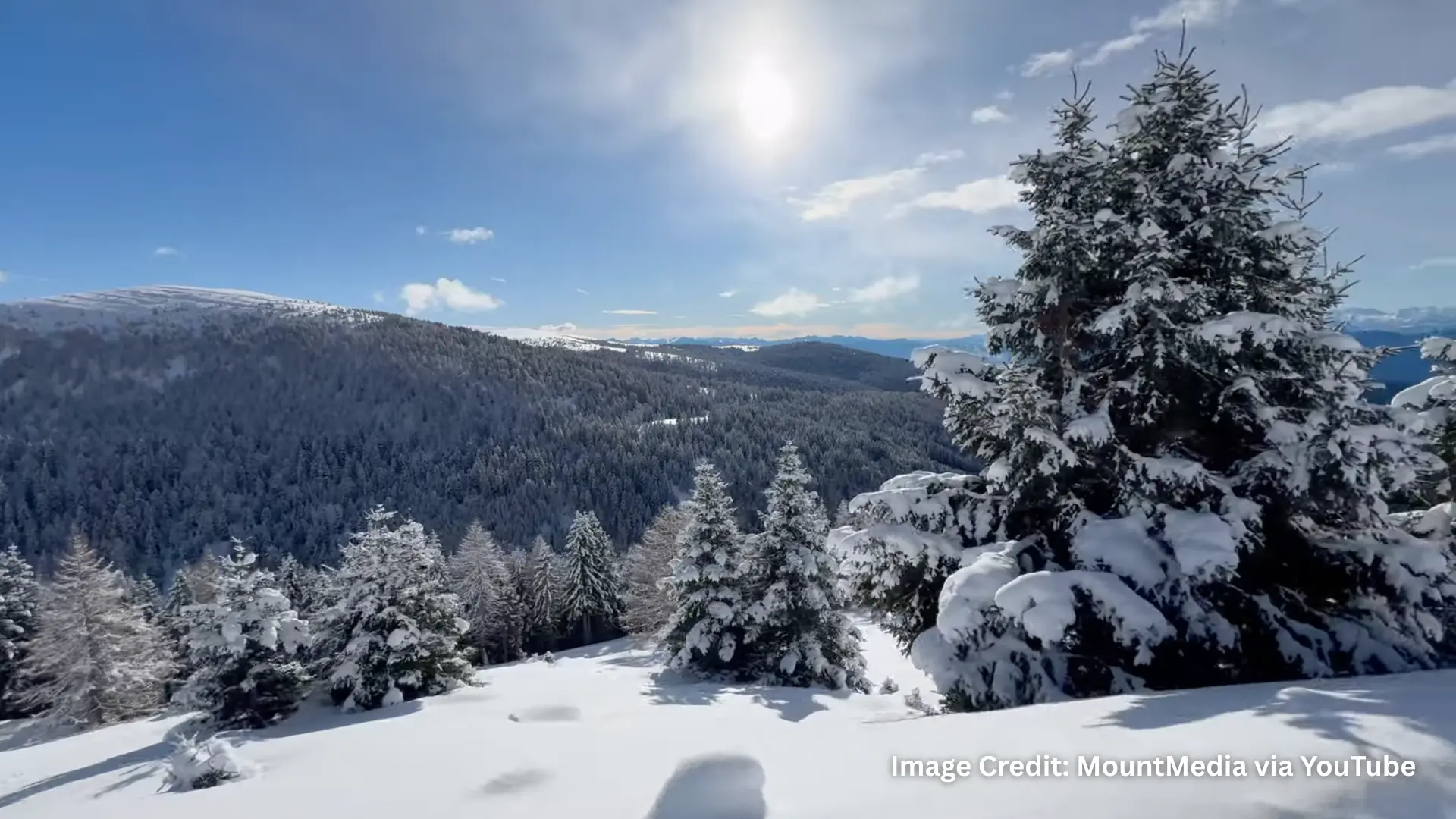
Video recording is also a strong area of the iPhone 16 Pro Max camera. The phone supports 4K video at up to 120 fps, allowing smooth slow-motion footage while maintaining high resolution.
Stabilization keeps the videos steady even while walking or recording moving subjects. Cinematic Mode adds depth effects by blurring backgrounds, which helps create a more professional video look.
Dolby Vision HDR also improves color and contrast across different lighting conditions. These features make the camera useful for vlogging, travel videos, and everyday recording.
This video by MountMedia demonstrates the iPhone 16 Pro Max recording smooth, high-quality footage.
User Reviews on iPhone 16 Pro Max Camera
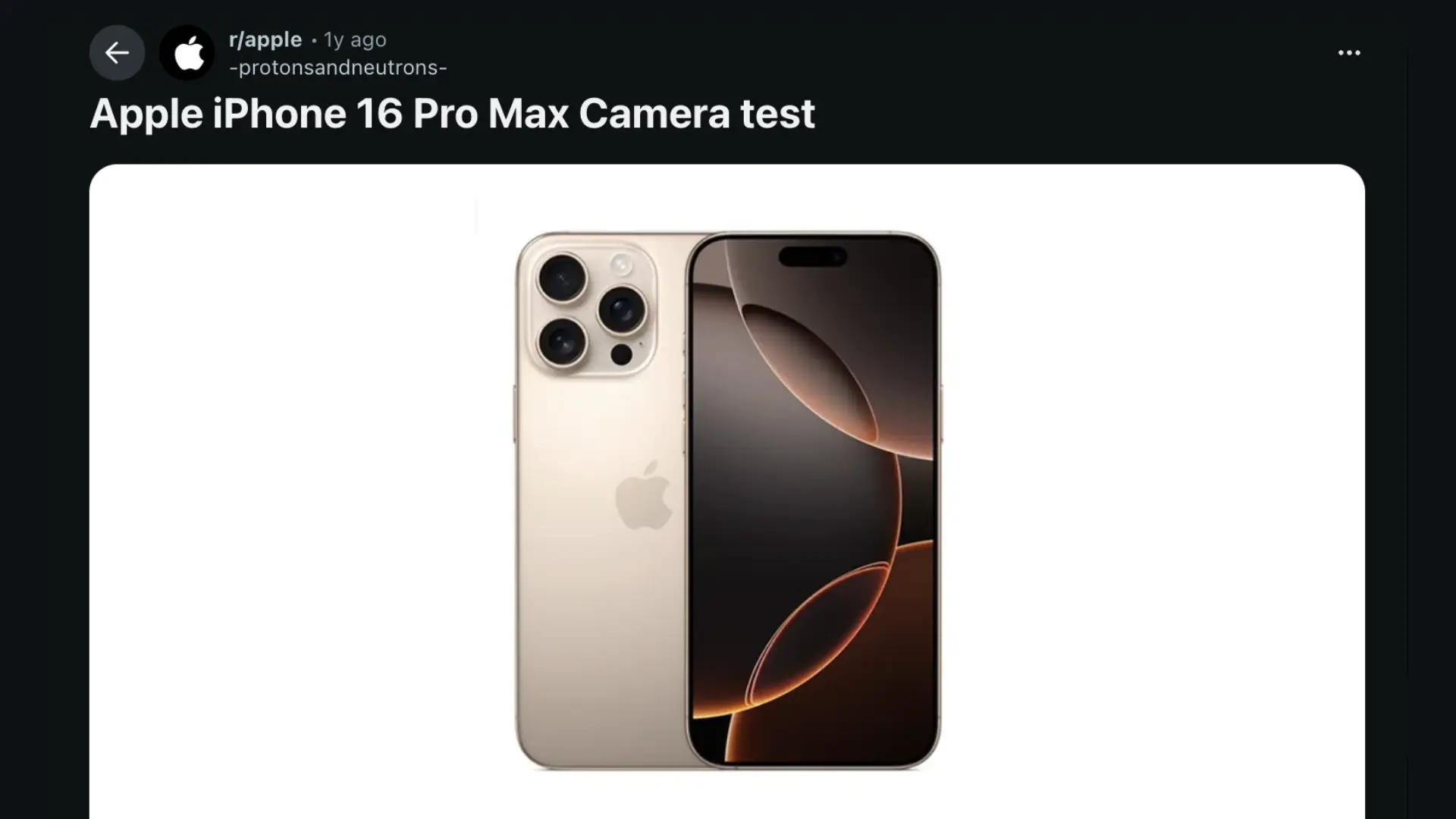
After going through the Reddit discussion on the iPhone 16 Pro Max camera test, the overall reaction from users is mostly positive, though a few are realistic criticisms.
Many people seemed impressed with how sharp and balanced the photos look, especially in daylight scenes and landscapes.
Several people noted that the colors appear natural and that the dynamic range is strong, helping capture skies, buildings, and shadows without blowing out highlights.
From what I’ve observed, users also appreciate how reliable the camera feels for everyday photography, like travel shots or quick social media photos.
That said, some users noted that the improvement over the iPhone 15 Pro Max does not feel dramatic. Many users feel the camera improvements are more gradual than dramatic.
Overall, the iPhone 16 Pro Max still delivers excellent photo detail, reliable colors, and some of the best video quality available on a smartphone today.
What Photographers Say About the iPhone 16 Pro Max Camera?
After watching the detailed review by Chris Nichols from the PetaPixel, I’ve gathered a few insights that photographers will probably care about the most.
One thing that stood out was the faster sensor readout on the main camera. It is probably the biggest improvement from the previous iPhone camera versions.
According to the review, this helps reduce shutter delay and capture moving subjects more accurately, which can make everyday photography feel more responsive.
The upgraded 48MP ultra-wide camera also adds more detail, especially for macro photography and wide landscapes.
At the same time, the he also points out that image quality improvements over the iPhone 15 Pro are mostly subtle rather than dramatic.
Video recording remains a major strength, with 4K at 120 fps and HDR offering excellent detail and smooth motion. The video below shows how it performs in real shooting conditions.
iPhone 16 Pro Max Camera vs. iPhone 16 Pro Camera
Photography results are nearly identical on both devices. So choosing between the two models often comes down to shooting comfort and endurance.
| Feature | iPhone 16 Pro | iPhone 16 Pro Max |
|---|---|---|
| Camera System | 48MP Fusion main + 48MP ultra wide with macro | Same camera system as iPhone 16 Pro |
| Battery for Camera Use | Good battery for daily shooting | Longer battery for extended photo sessions |
| Screen Size | 6.3-inch display for framing shots | 6.9-inch display for wider preview |
| Handling | Compact body, easier one-handed use | Larger body, steadier for long shoots |
| Starting Price | $999 starting price | $1,199 starting price |
Photography Tips to Make Your iPhone 16 Pro Max Camera Better
Small camera settings adjustments can noticeably improve photo quality, helping the iPhone 16 Pro Max capture sharper detail, richer colors, and cleaner images.
- Enable ProRAW Mode: Turn on ProRAW to capture more image data, enabling deeper control over color, exposure, and detail when editing photos in third-party apps later.
- Customize Photographic Styles: Adjust tone and warmth settings to maintain a consistent look across photos without permanently altering the original image.
- Use Ultra Wide Lens for Macro Shots: The 48MP ultra wide camera can focus very close, making it ideal for capturing detailed textures, small objects, flowers, and food photography.
- Let Night Mode Work Automatically: Night Mode activates automatically in low light and combines multiple exposures to brighten scenes, reducing blur and excessive image noise.
- Use 5x Telephoto for Portraits: The 5x telephoto lens creates natural depth and background blur, allowing portraits to look more professional.
- Turn On Gridlines: Enabling the rule-of-thirds grid in camera settings helps align subjects, maintain level horizons, and create more balanced photographs.
Conclusion
After looking at the photo results and user feedback, the iPhone 16 Pro Max camera stands out as one of the most capable smartphone cameras available right now.
Image processing has gotten smarter, daylight photos look sharp and balanced, and video quality remains a strong advantage.
The upgrades may feel gradual compared with the previous generation, yet the overall consistency in zoom performance and night shooting makes the camera reliable in almost any situation.
For people who enjoy mobile photography, travel shooting, or quick social media content, the camera delivers dependable results without needing extra gear.
If camera quality is your priority, it is worth spending time testing the phone in a store or comparing sample photos online before making a final decision.
What’s your go-to phone photography trick? Drop it in the comments below, I’d love to hear and maybe even try it out.