If you’ve ever shopped for a phone, smartwatch, or earbuds, you’ve probably seen the term IP68 on the box. It sounds impressive, but what does it actually mean for real-world use?
Many people assume this rating makes a device fully protected in every water situation, but the truth is a bit more specific, and that’s where most confusion begins.
In this blog post, I will break down the IP68 waterproof rating, how the IP68 waterproof rating is tested, and what it really protects your device from.
I also explain how it compares to other ratings, such as IP69 and IPX8, so you know exactly what you’re getting before you take your device near water.
This clear breakdown helps you make smarter choices and avoid costly mistakes.
IP68 Waterproof Meaning: A Clear Explanation
The IP68 waterproof rating is a standardized way to show how well a device can resist dust and water. “IP” stands for Ingress Protection, and each number has a specific meaning.
The first number, 6, indicates full protection against dust, meaning no particles can enter the device.
The second number, 8, indicates that the device can withstand continuous submersion in water for a depth and duration specified by the manufacturer.
These tests follow strict international guidelines, providing reliable information on actual protection levels.
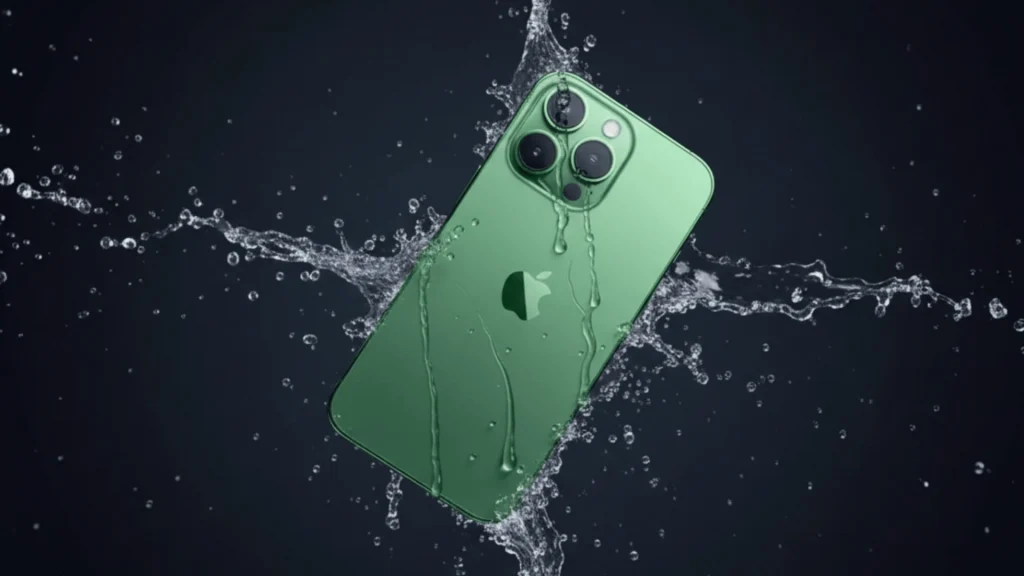
Many of the latest devices, such as the iPhone 16 & 17 series, Apple Watch Ultra 2, Sony WF-1000XM5 headphones, and more, have an IP68 rating.
Knowing what IP68 truly covers helps you use your device wisely and avoid conditions that may still cause damage.
How the IP68 Waterproof Rating Works?
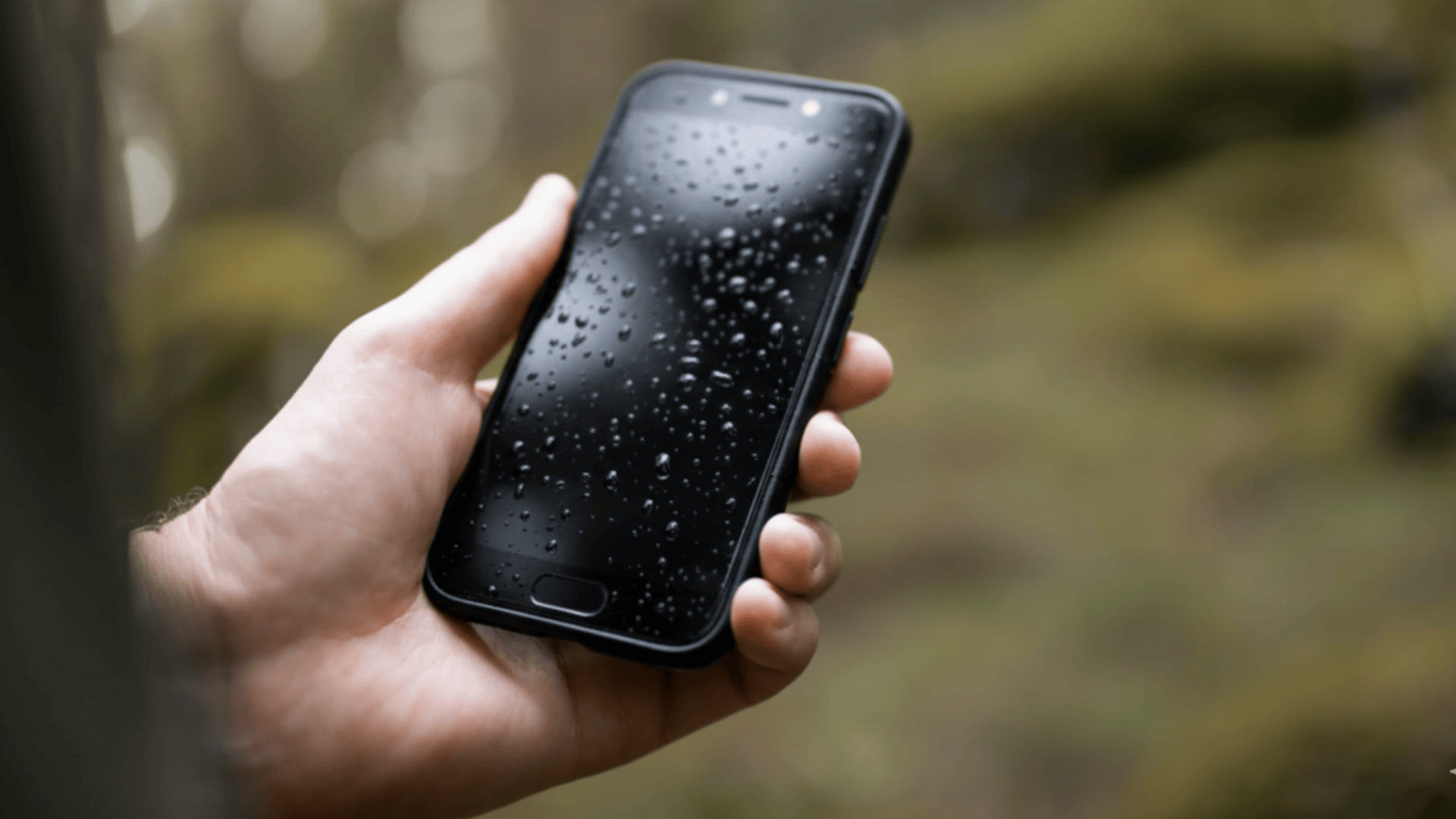
The rating is based on controlled testing that measures how well a device can handle water exposure.
These tests follow defined international standards to ensure consistent results across different brands. During testing, the device is placed underwater at a specific depth for a set period, usually up to 30 minutes.
The depth and duration can vary because manufacturers choose their own testing limits within the IP68 category.
For IP68, the general depth is up to 5 feet (1.5 meters) for 30 minutes, but it can go more for rugged equipment rated for 10 meters, 100 meters, or deeper.
This rating also assumes clean, still freshwater, not moving, hot, or chemically treated water.
By knowing how these tests are performed, you get a realistic picture of what IP68 protection can handle in everyday situations and when extra caution is still necessary.
IP68 Waterproof Coverage vs Non-Coverage Explained
Below is a simple table that shows what the IP68 rating can handle and the situations where it falls short, so you know exactly how to use your device without risking damage.
| Situations IP68 Can Handle | Situations IP68 Cannot Handle |
|---|---|
| Full dust protection | Saltwater exposure |
| Rain, splashes, and spills | High-pressure water jets |
| Accidental drops into water | Hot water and steam |
| Short-term submersion in freshwater | Fast-moving or deep water beyond tested limits |
| Controlled lab-tested conditions | Chemical-treated pools (chlorine, cleaning agents) |
| Freshwater within the rated depth and time | Damage from cracks, aging seals, or repairs |
IP68 Waterproof Rating Compared to IPx8 and IP69
Understanding how IP68 compares to IPX8 and IP69 helps you choose the right level of protection for your device.
1. IP68 vs IPX8
IP68 and IPX8 may seem similar, but they serve different purposes.
IP68 provides protection against both dust and water, making it more reliable for everyday use where dirt, sand, or debris are common.
IPX8 devices focus only on water resistance. While IPX8 can handle underwater conditions, it may not hold up well in dusty environments.
Here, the “X” indicates that the device was not tested in that category. This makes IP68 the more practical choice for most users.
2. IP68 vs IP69
IP69 is designed for extreme conditions involving high-pressure, high-temperature water jets. You’ll usually find this rating on industrial tools and equipment that require heavy cleaning or harsh outdoor use.
IP68 is rated for controlled water submersion but is not designed for the intense pressure of pressure washing.
For regular consumer electronics, IP68 offers more realistic protection, while IP69 is better suited to demanding work environments where strong water exposure is expected.
Can You Swim or Shower with An IP68 Device?
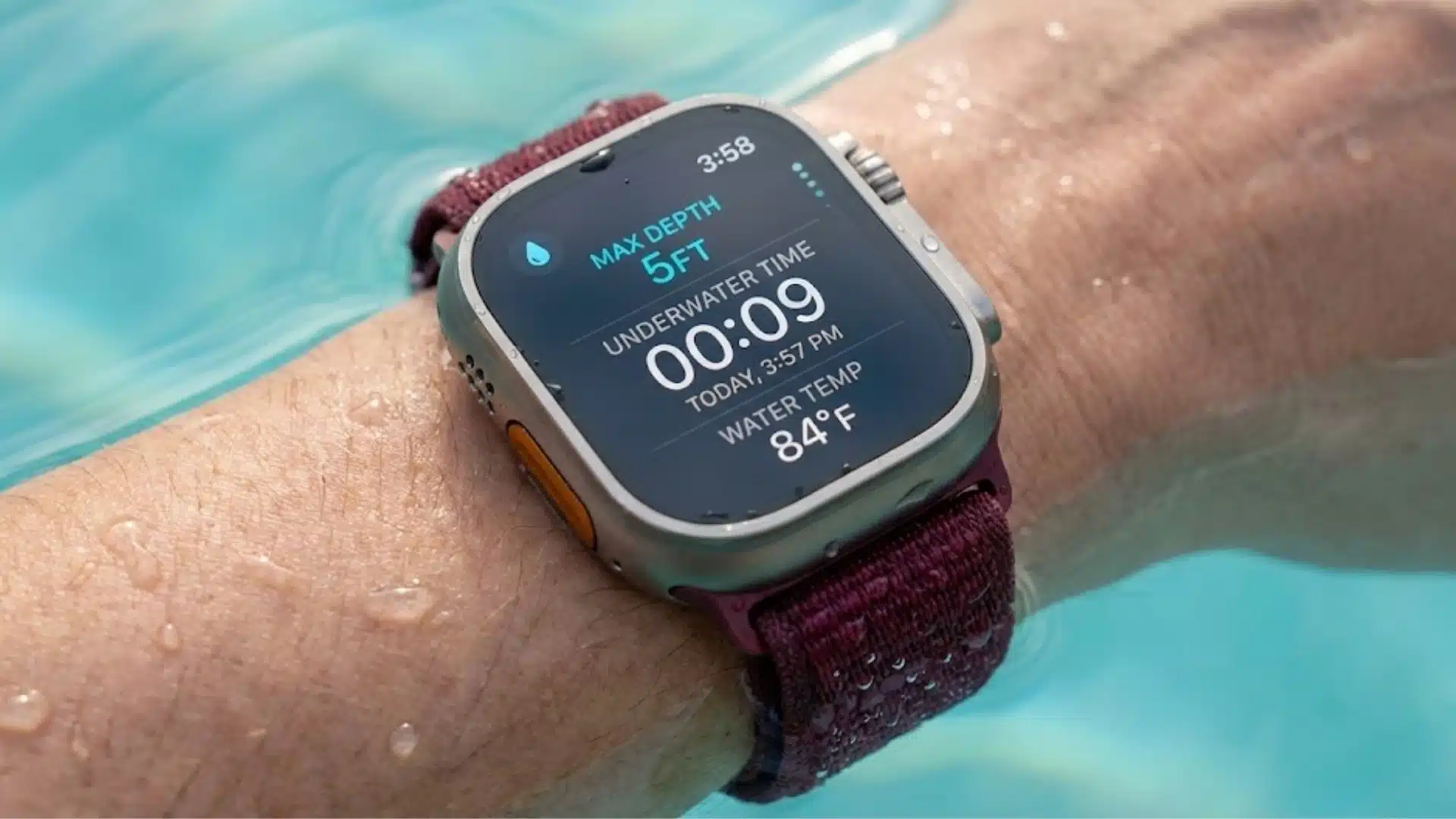
Many people assume an IP68 waterproof device is safe for swimming or showering, but the rating has clear limits.
IP68 is tested in still, clean freshwater, not moving water, heated water, or water mixed with soaps and chemicals.
This means that short, controlled submersion is usually fine, but real-world conditions can vary widely.
Swimming exposes your device to movement and pressure changes, while showers add heat, steam, and soap that can affect seals over time.
Even with strong protection, long or repeated exposure can weaken the water resistance.
Understanding these boundaries helps you decide when it’s safe to use your device around water and when it’s better to keep it dry.
Common Myths About IP68 Waterproof
Knowing the common myths around IP68 ratings helps you avoid assumptions that may lead to device damage, especially when exposed to real-world water conditions.
- IP68 means fully waterproof: It actually means water-resistant under specific test conditions, not all real-world situations; it is not completely waterproof.
- IP68 protects against all types of water: The rating applies to clean freshwater only, not saltwater or chemically treated pools.
- All IP68 devices are equal: Different brands set different depth and time limits during testing, it can also vary for consumer and industrial tools.
- IP68 protection lasts forever: Seals can weaken over time due to age, heat, impact, or regular wear.
- IP68 covers damage from cracks: Any crack or opening instantly reduces the device’s water resistance.
How to Maintain IP68 Water Resistance?
Proper care helps your device maintain its IP68 water resistance over time, reducing the risk of seal damage in daily use.
- Avoid cracks: Even a small crack on the screen or frame can weaken the IP68 seal and let water seep inside the device.
- Rinse after use: After swimming in saltwater or pools, rinse with clean water to remove salt, chlorine, and residue that can damage seals.
- Skip heat and steam: Hot showers, saunas, and steam rooms can loosen adhesives and weaken water-resistant seals over time.
- Close all ports: Always check that SIM trays, charging ports, and protective covers are fully sealed before exposing the device to water.
- Avoid third-party repairs: Unauthorized repairs may not restore factory seals correctly, reducing your device’s original IP68 water protection level.
- Limit water use: Frequent submersion in water slowly wears down rubber gaskets and internal seals, even on devices rated IP68.
Conclusion
Understanding the IP68 waterproof rating helps you know exactly how much protection your device has in real situations.
The IP68 waterproof meaning goes beyond a simple label and shows the level of dust resistance and controlled freshwater submersion your device can safely handle.
While it offers strong coverage, the rating still has limits, especially when it comes to saltwater, heat, pressure, and long-term wear.
Knowing these boundaries makes it easier to decide when your device is safe near water and when extra care is needed.
It also helps you compare ratings like IPX8 or IP69 with more confidence.
If you found this guide helpful or want to share your experience, leave a comment and let me know what you think.
Frequently Asked Questions
Can an IP68 Device Handle Soap or Shampoo?
No. Soap and shampoo can break down seals over time, reducing the device’s water resistance and causing potential damage.
Does IP68 Protection Apply when Using a Case?
Only if the case is waterproof and fully sealed. Regular cases do not improve or maintain IP68 protection levels.
Can IP68 Devices Handle Cold Water or Icy Conditions?
Cold water is generally safe, but extreme freezing temperatures can stiffen seals and reduce flexibility, affecting overall water resistance.