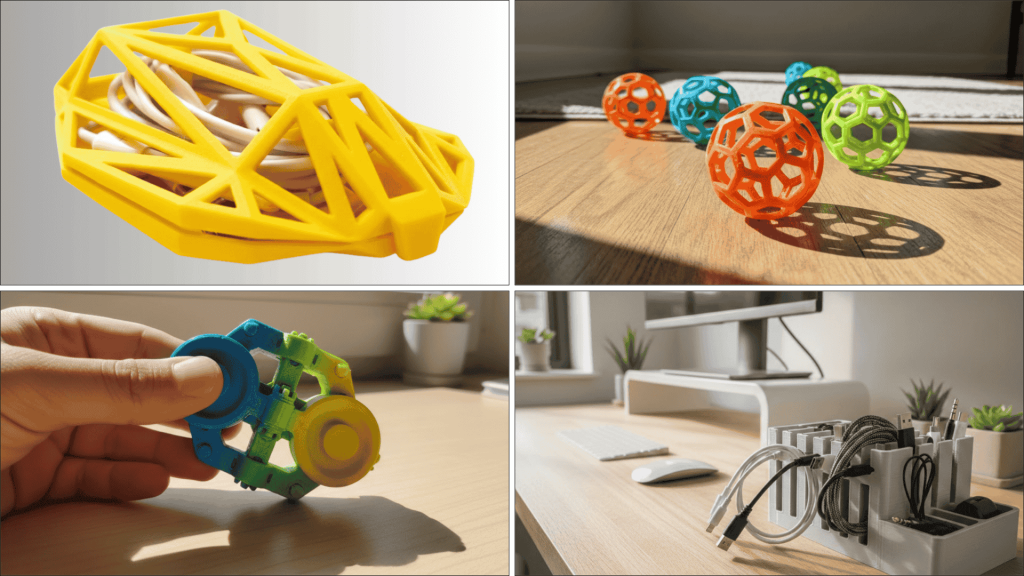
Imagine you want a cute little thing as a showpiece on your table or a wire manager for your work table, but when you go to buy one, it costs hundreds of dollars for something of poor quality.
3D printing feels like having a tiny factory at home because you can create thousands of things, turning simple ideas into real objects that feel super useful.
Many people want to know what you can do with a 3D printer because it feels exciting to discover new ways to fix things or build fun items easily.
3D printing is used for home tools, toys, organizers, and clever little upgrades that make your space feel cooler and more comfortable every single day.
I will share ideas for what you can make with a 3D printer, along with simple projects that help you create useful home items without any stress.
Things to Get Ready Before Starting 3D Printing
Before you jump into using a 3D printer at home, you gotta prep a few basics so your prints come out clean and stress-free.
- Pick a beginner printer that is easy to set up and simple to learn, so you do not feel lost during your first prints.
- Gather your tools like calipers, tweezers, scrapers, spare nozzles, and a few basic adhesives for fixing simple printing mistakes quickly.
- Install slicer software, such as Ultimaker Cura, to turn your models into printable files, and learn a few starter settings to avoid messy prints right away.
- Create a stable workspace with good airflow and enough room to move around so your printer stays steady during long printing sessions.
- Learn simple skills by watching short videos and practicing with small test shapes, so you understand how your printer behaves in real-world use.
- Keep your safety gear ready, like glasses, gloves, and a small respirator, ready nearby so you can grab them fast whenever you handle hot parts or strong fumes.
Top Things You Can Make with a 3D Printer
Top 3D printing ideas can help you make useful things at home without spending too much on store-bought items that often break or don’t fit well.
1. Cable Organizers
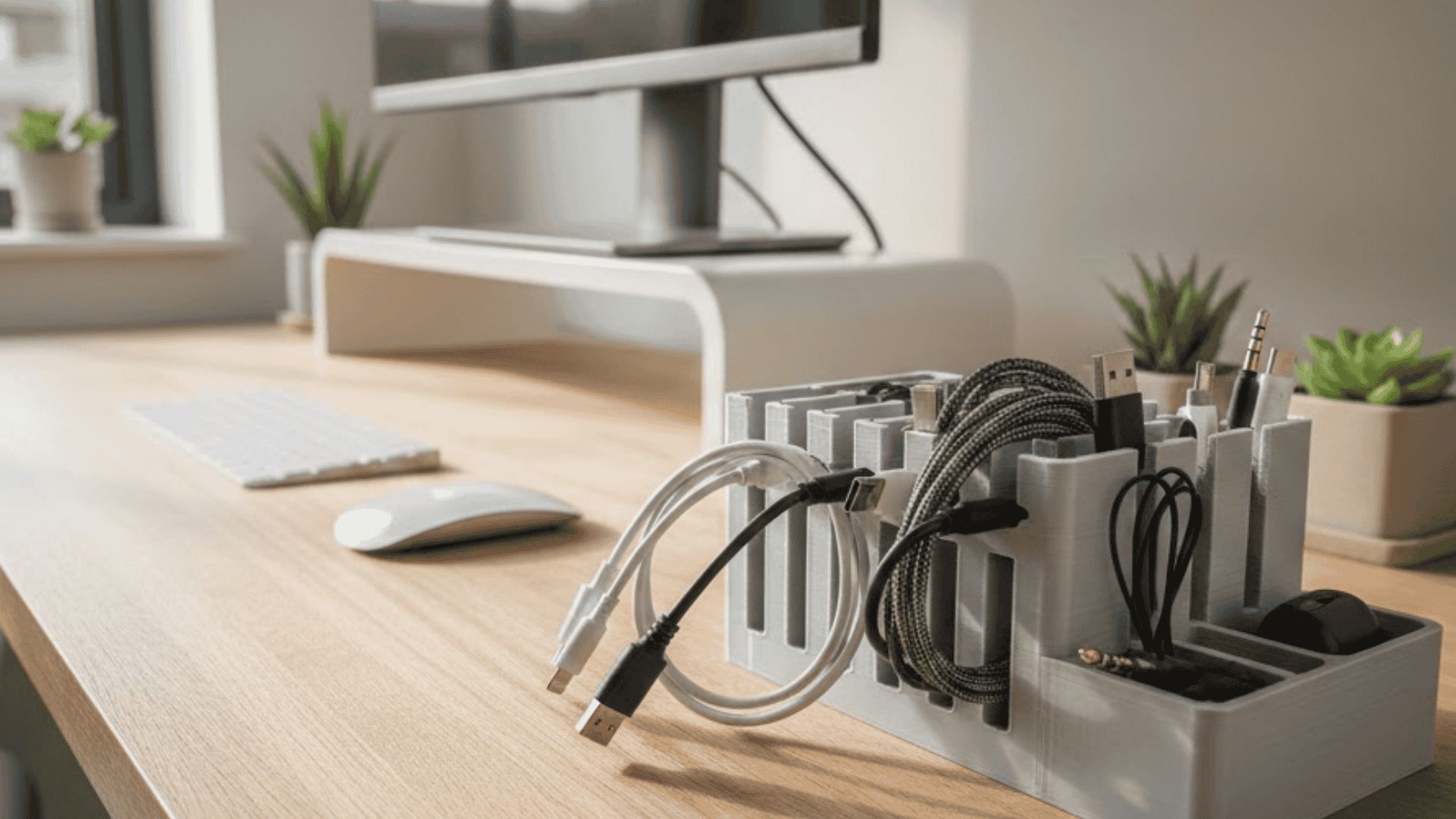
Cable Organizers help keep your wires neat without buying overpriced holders that break easily and never match the setup on your desk.
Printing them lets you choose custom slot sizes for every cable, so chargers, headphones, and USB cords stay in their own lanes.
They work best with PLA at 15 percent infill, with no supports, which keeps prints strong while saving material.
Beginners can finish a set in about 30 minutes, making this a fast and helpful print that quickly cleans messy cable areas.
Post-Printing Tips:
- Lightly sand edges so cables slide smoothly without catching.
- Use small labels or colors to mark which cable belongs to each slot.
2. Phone Stands
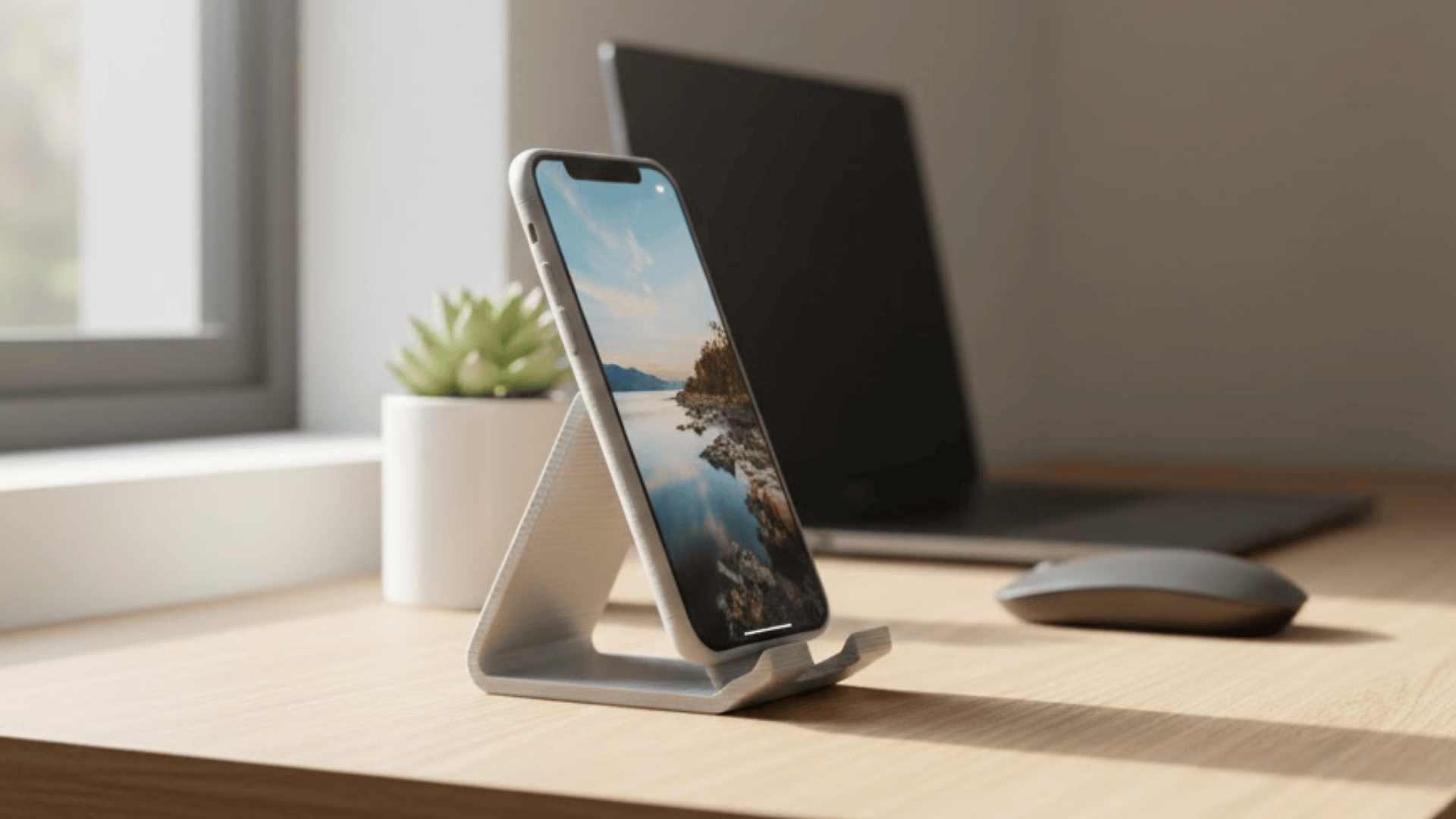
Phone stands help you hold your phone steady for watching shows or working without buying store stands that tip over or feel uncomfortable to use.
Printing them lets you adjust the angle and height easily, so the stand works well on your desk, kitchen counter, or bedside table.
They print best with PLA at 25 percent infill and only need supports if the design leans forward, which helps keep the base strong and stable.
Beginners can finish one in about 45 minutes, making this a simple and helpful project that gives your phone a safer and more comfortable resting spot.
Post-Printing Tips:
- Add rubber pads under the stand so it does not slide on smooth surfaces.
- Slightly smooth the resting edge so it does not scratch your phone case.
3. SD Card Holders
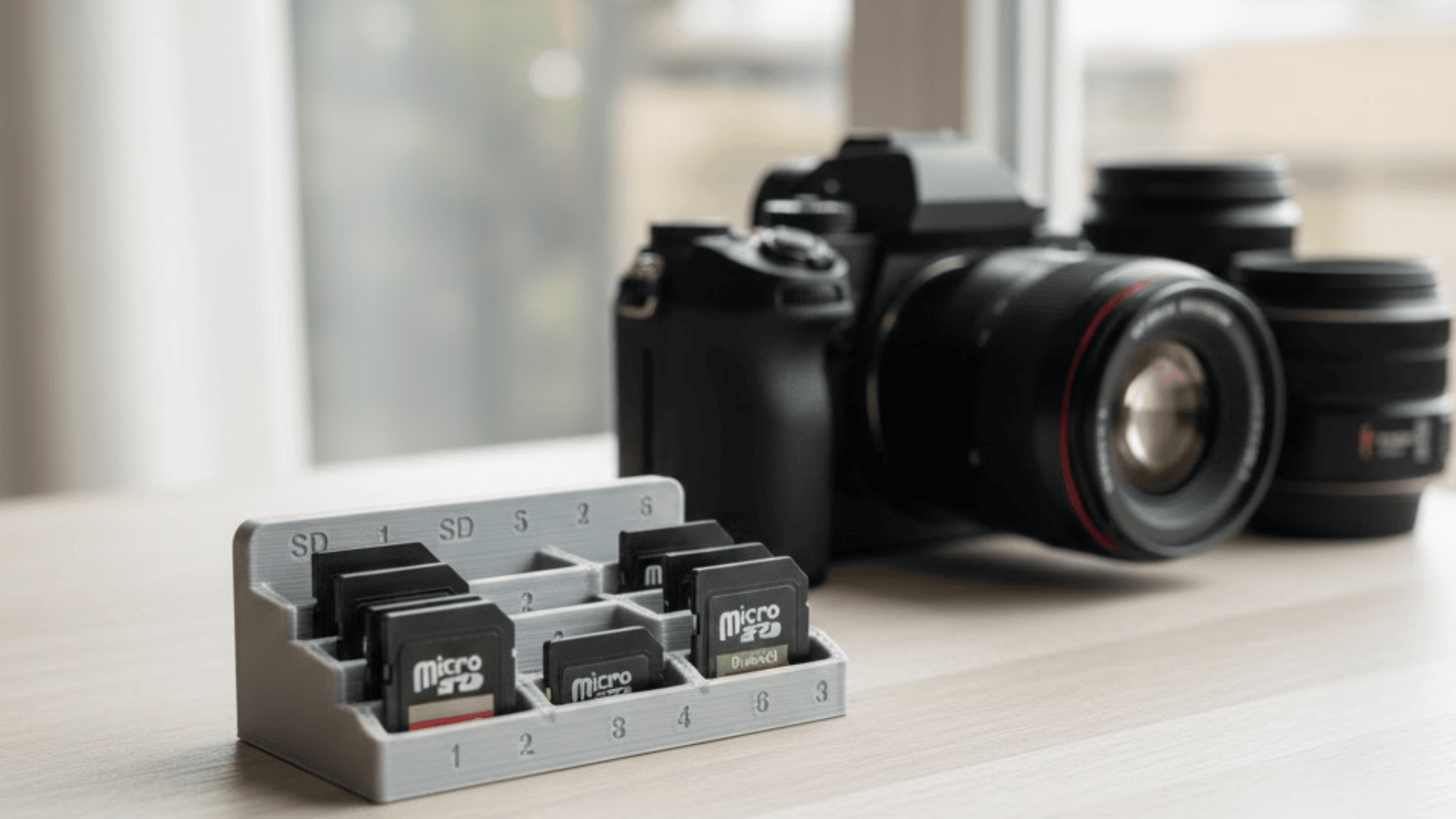
SD Card Holders keep small cards safe without buying thin cases that crack easily or lose their lids when carried around in bags or pockets.
Printing them lets you choose the number of slots and add labels or patterns, which helps you sort camera cards, console cards, and backups.
They use PLA at 20 percent infill with no supports, keeping the holder light while still firm enough for daily use and frequent opening and closing.
Beginners can print one in about 20 minutes, making this a fast and useful project for anyone who needs organized storage for memory cards.
Post-Printing Tips:
- Sand the inside edges lightly so the cards slide in smoothly.
- Mark each slot clearly if you store cards of different types or sizes.
4. Wall Hooks
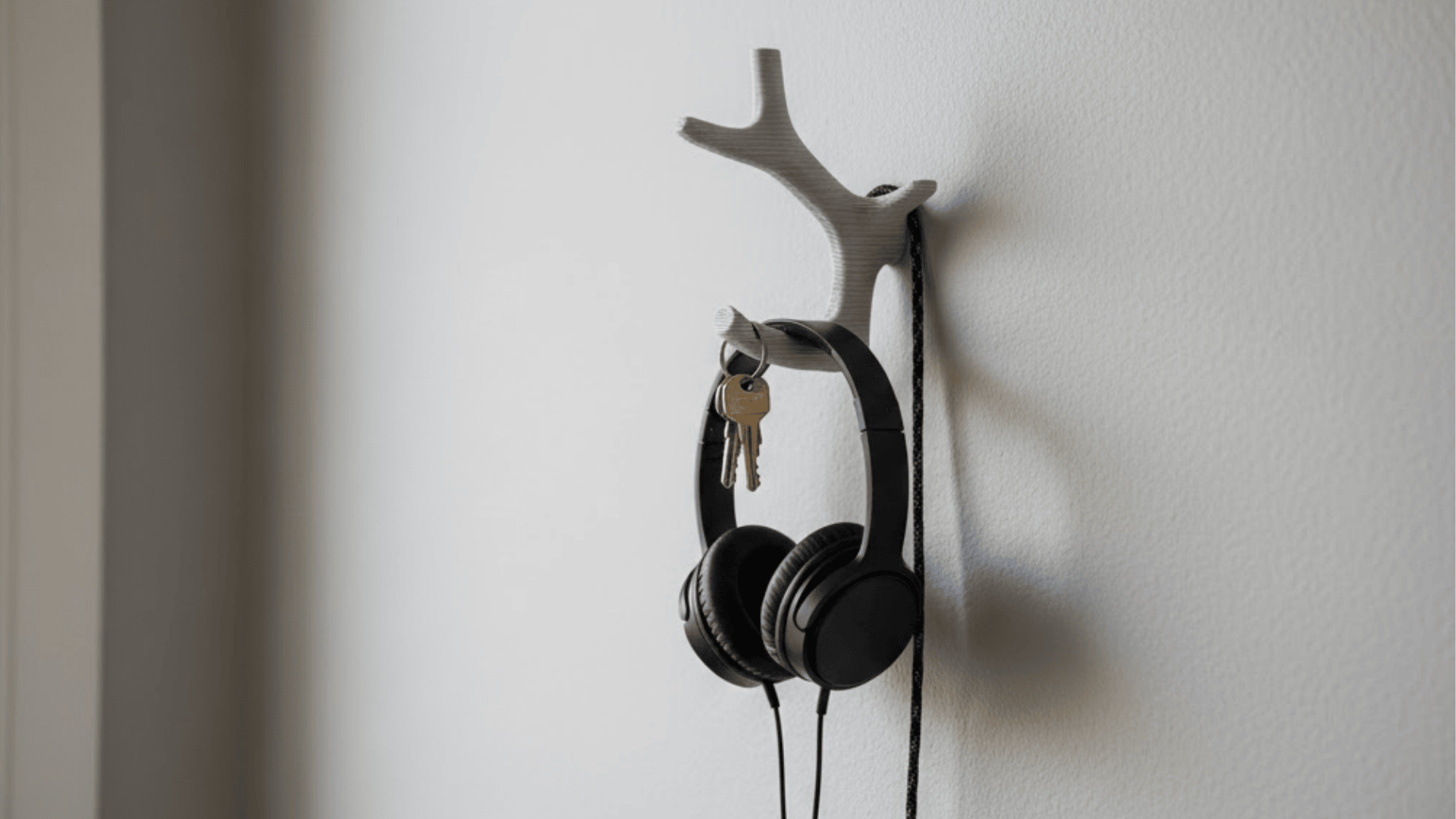
Wall Hooks help you hang keys, headphones, or small tools without buying metal hooks that do not match your room or take up too much space.
Printing them lets you control the size and shape, so each hook matches what you want to hang and where you want to place it.
They work well with PLA at 30 percent infill and no supports, which keeps the hooks strong enough for light items around your home.
Beginners can print a hook in about 25 minutes, making this a simple project that adds quick storage to doors, desks, and walls.
Post-Printing Tips:
- Use strong tape or screws, depending on the wall surface and weight.
- Test each hook with light items first before hanging heavier things.
5. Drawer Dividers
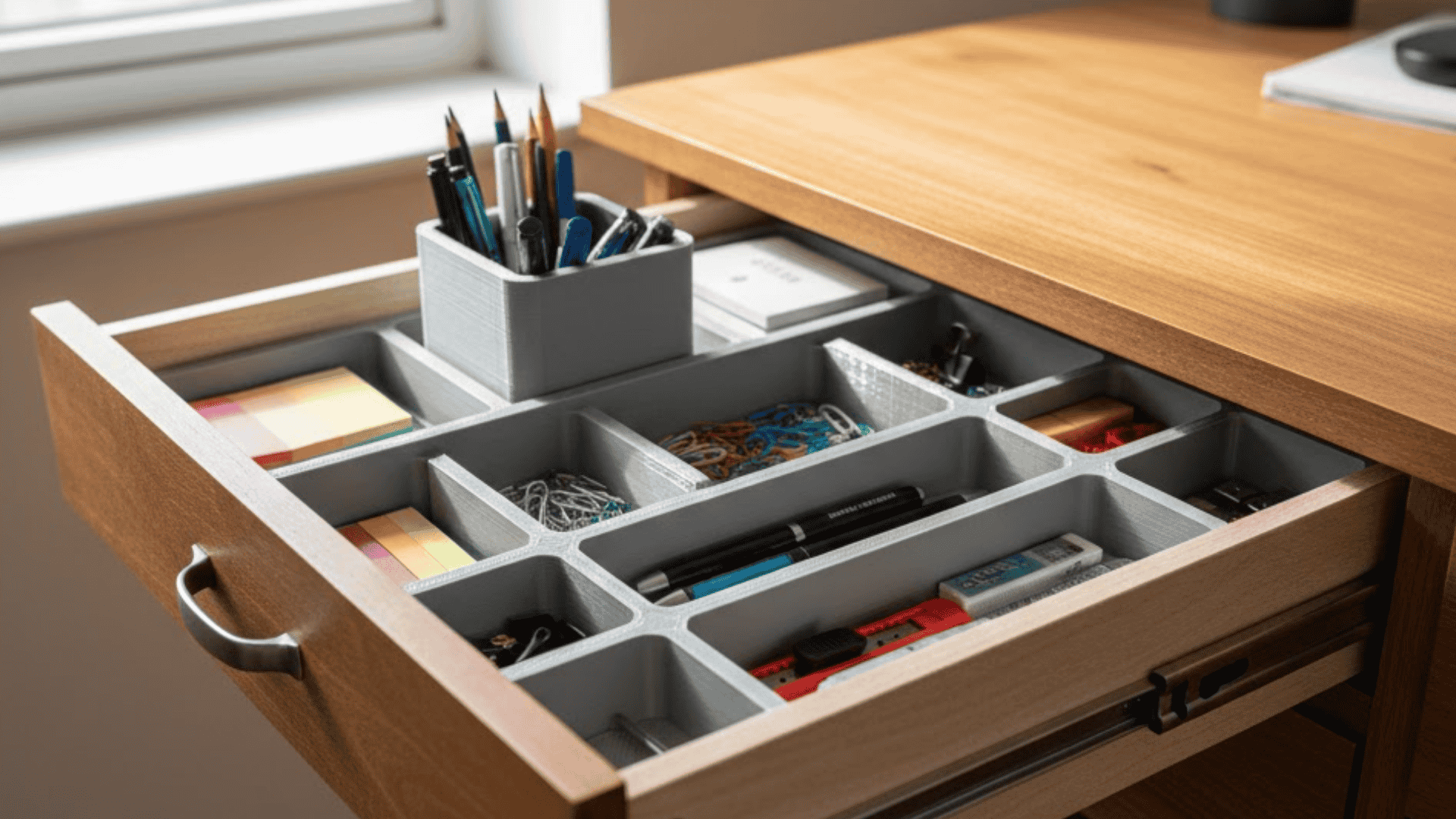
Drawer Dividers help you fix messy drawers without buying divider sets that never fit quite right or waste space at the edges.
Printing them lets you adjust the length and width so every section fits your drawer, making it easier to store clothes, tools, or office items.
They use PLA with 20 percent infill and no supports, resulting in light walls that are still strong enough to hold daily-use items.
Beginners can finish a set in about 1 hour, making this a very practical project that makes any drawer feel cleaner and more organized.
Post-Printing Tips:
- Measure inside your drawer carefully and tweak sizes if any piece feels tight.
- Add thin felt or foam under the dividers to keep them quiet when you open the drawer.
6. Coasters
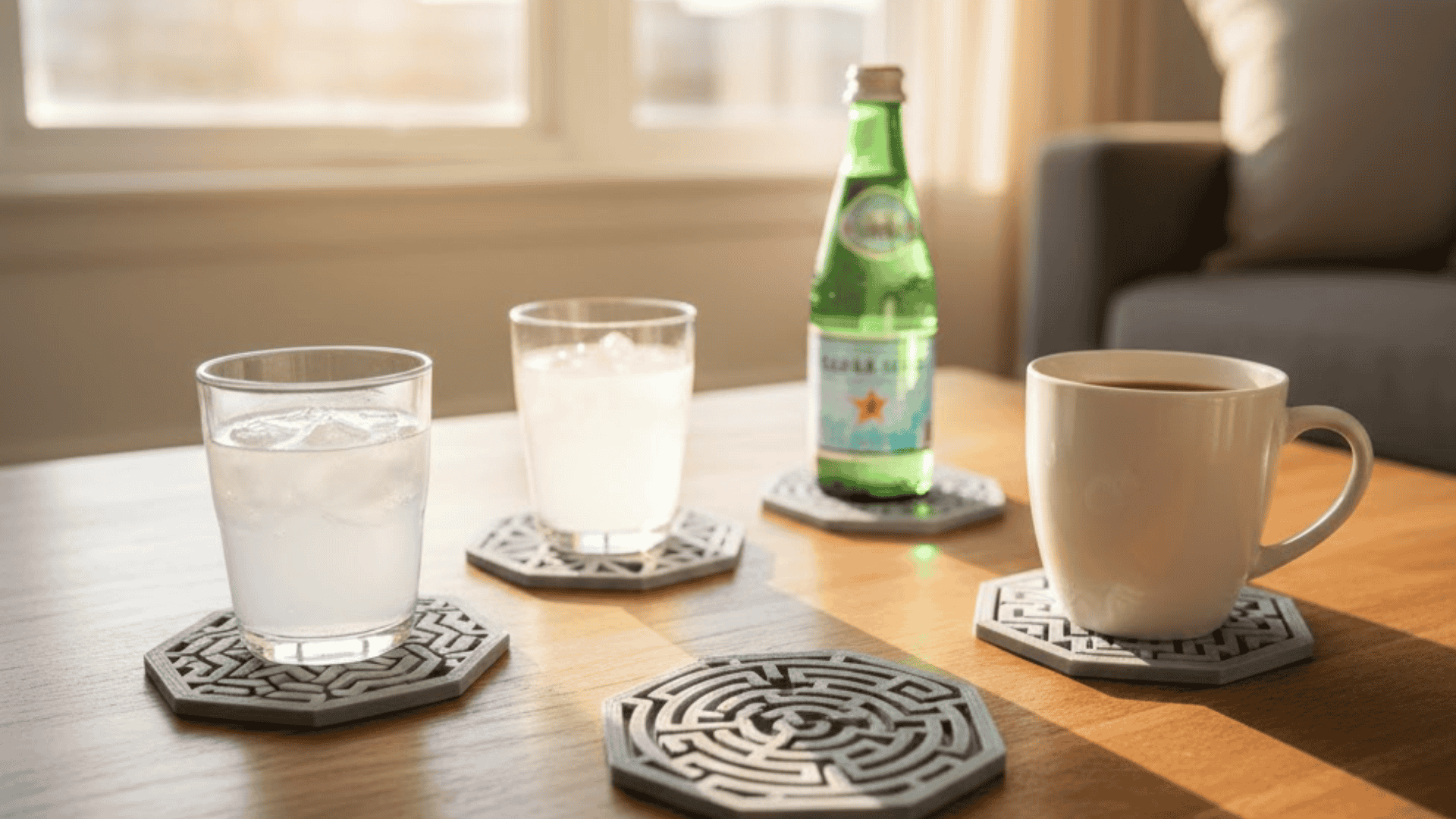
Coasters protect your table from water rings and heat marks without buying boring sets that do not match your room style.
Printing them lets you choose fun shapes, patterns, or logos, so every coaster feels more personal and fits your gaming desk or coffee table.
They work best with PLA at 10 percent infill and no supports, which keeps them quick to print while still flat and useful for drinks.
Beginners can make a coaster in about 15 minutes, making this a quick project that adds personality and protection to your furniture.
Post-Printing Tips:
- Add a cork or a rubber under each coaster to prevent it from sliding.
- Seal the top if you expect a lot of hot mugs or cold glasses that may sweat.
7. Measuring Spoons
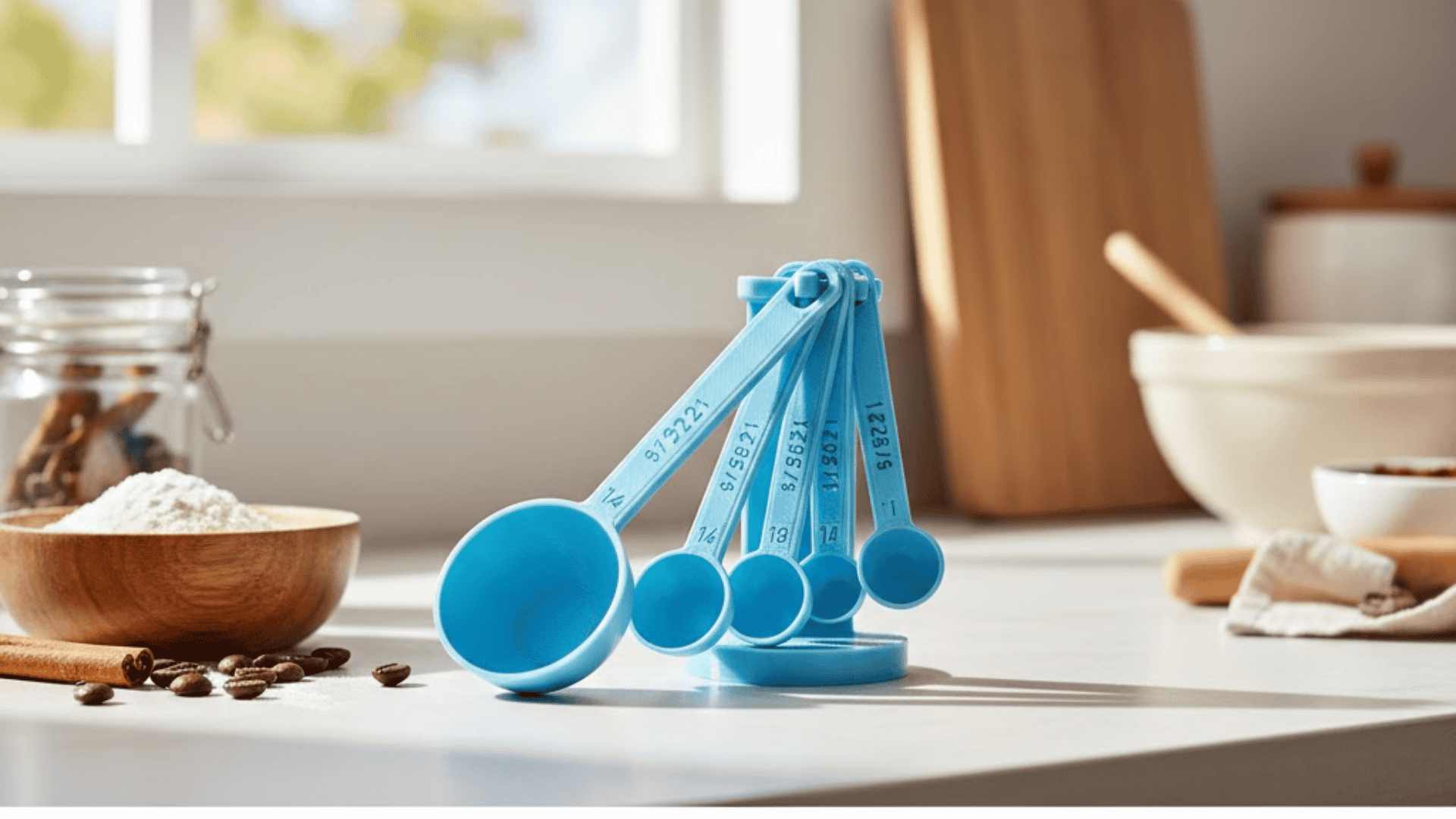
Printing them lets you choose scoop sizes and handle shapes, so they feel comfortable in your hand and match your favorite cooking style.
They use food-safe PLA with 30 percent infill and tree supports for the handles, which keep the spoons strong enough for daily kitchen use.
Beginners can print a full set in about 40 minutes, making this a useful project that keeps all your measurements clear and easy to grab.
Post-Printing Tips:
- Engrave or mark each size so the numbers stay readable over time.
- Wash gently with warm water, avoiding very hot water to protect the plastic.
8. Herb Planters
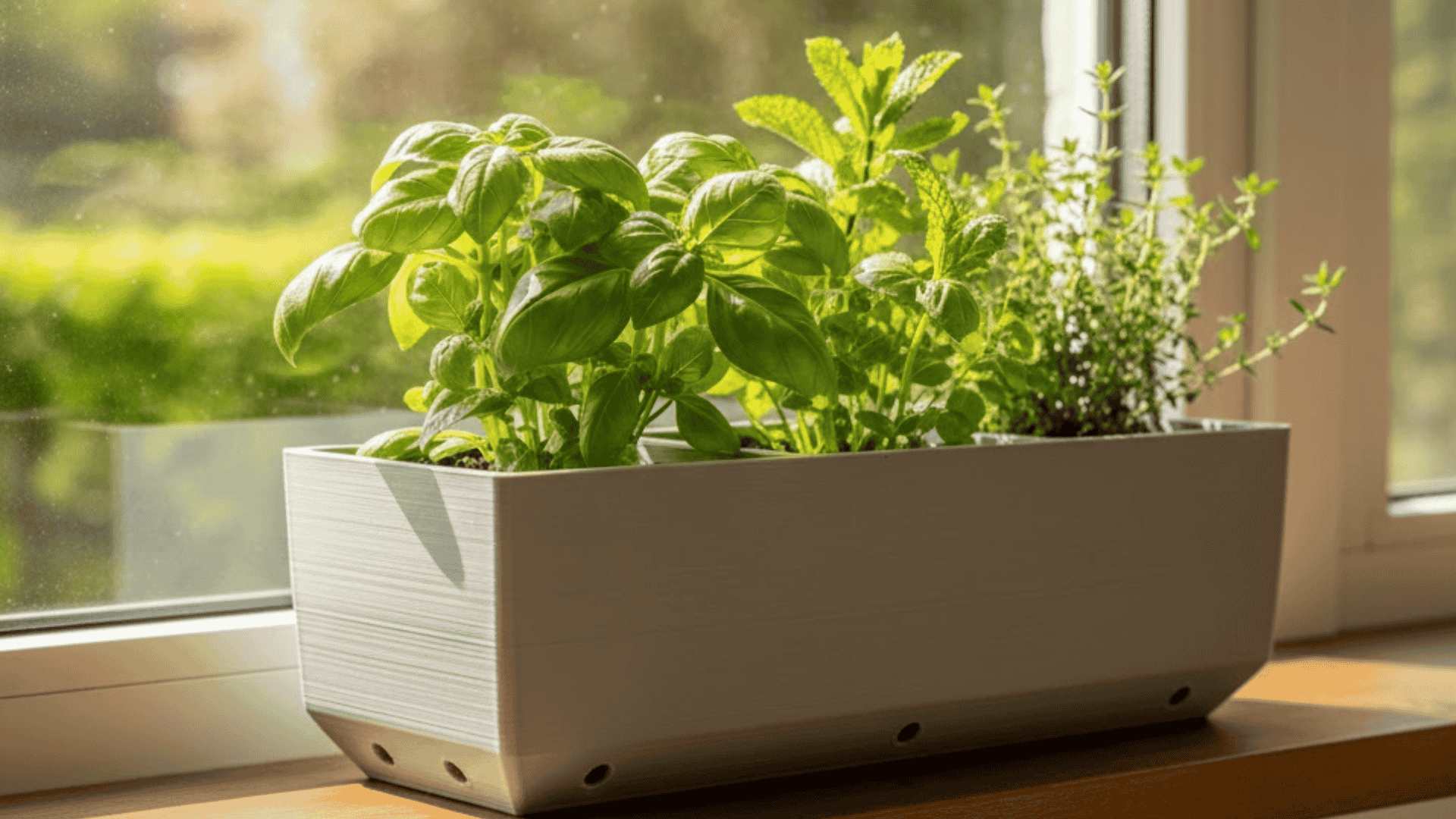
Herb Planters let you grow small plants indoors without buying expensive pots that do not fit your shelves or windowsills.
Printing them lets you pick shapes and heights that fit your space, making it easier to keep herbs in sunny spots around your home.
They work well with PLA at 15 percent infill and no supports, and adding drainage holes helps keep roots healthy and prevents extra water from sitting.
Beginners can print a planter in about 50 minutes, turning this into a relaxing project that adds fresh herbs and greenery to your room.
Post-Printing Tips:
- Place a tray or plate under the planter to catch extra water.
- Seal the inside if you want the planter to last longer with frequent watering.
9. Pen Holders
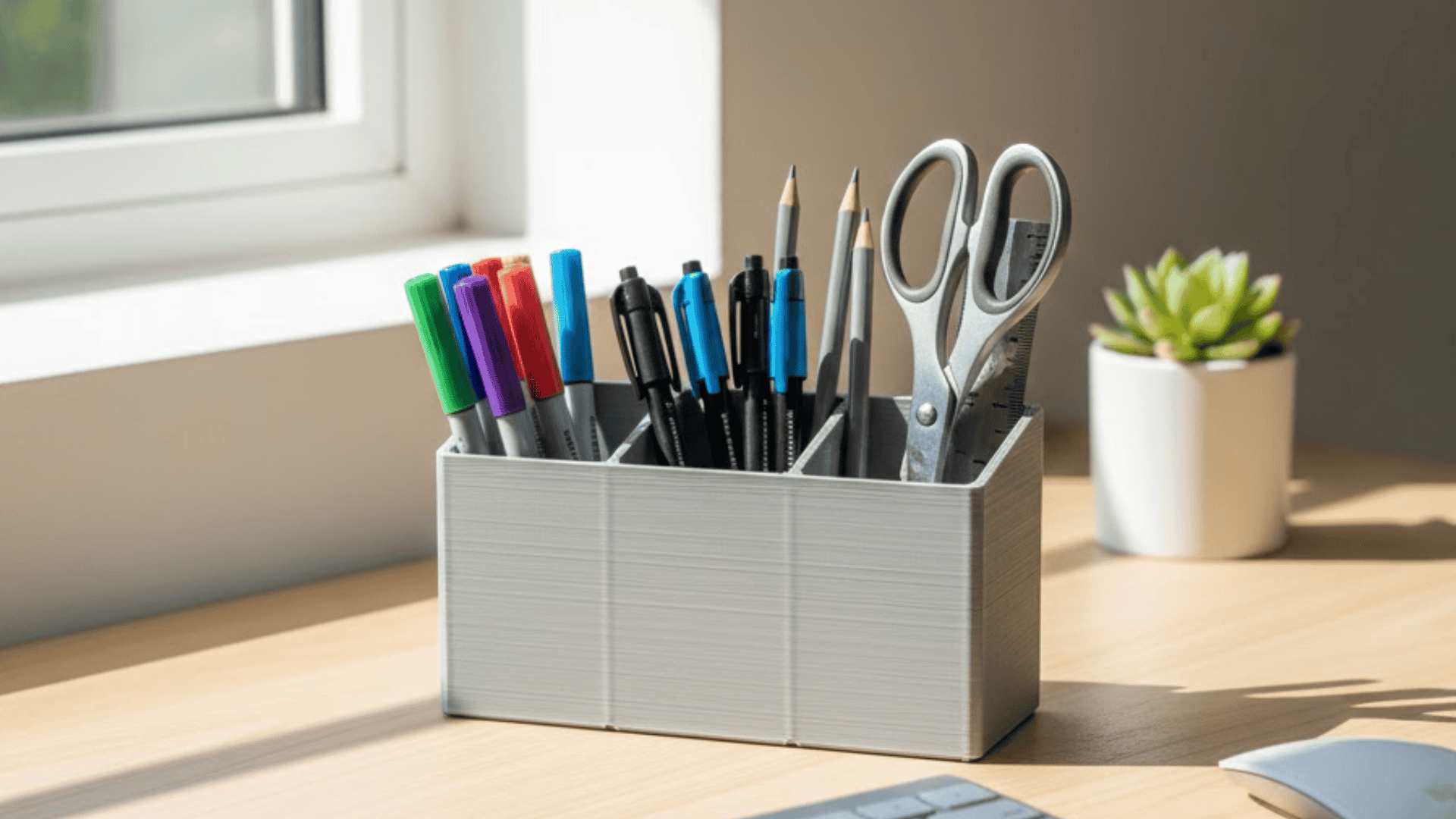
Pen Holders help you clean up crowded desks without buying plain cups that do not match your setup or storage needs.
Printing them lets you design separate sections for pens, markers, scissors, and tools, which keeps everything in its own easy-to-reach spot.
They use PLA with 20 percent infill and no supports, keeping them simple to print while still sturdy enough to stay upright on your desk.
Beginners can finish one in about 30 minutes, making this a quick project that turns a messy workspace into a neater, calmer area.
Post-Printing Tips:
- Add felt pads under the holder to prevent it from scratching your desk surface.
- Sort pens and markers by color or type to use the sections better.
10. Custom Keychains
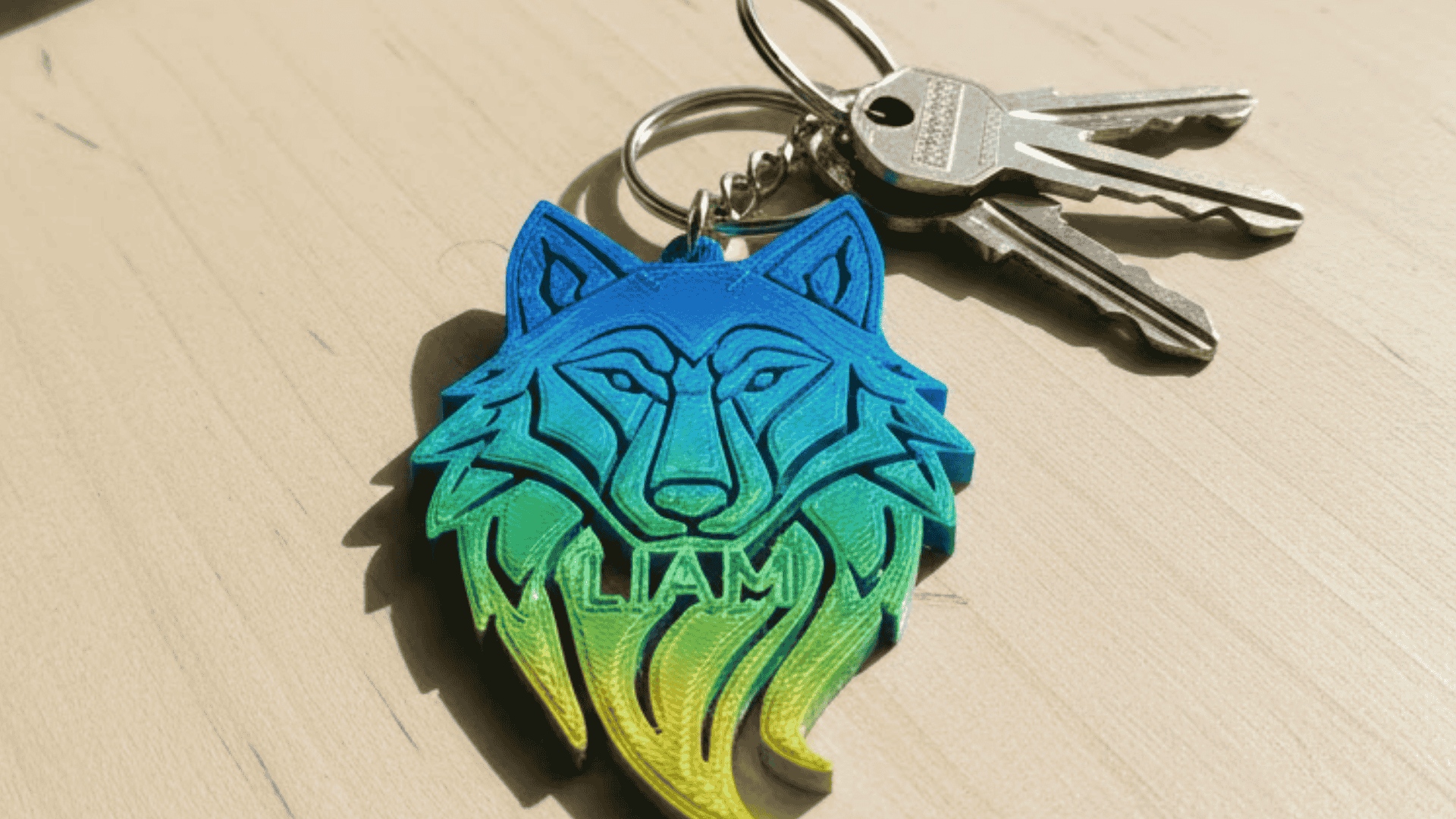
Custom Keychains give your keys personality without buying special designs that cost extra or do not match your style.
Printing them lets you add names, shapes, or icons, which makes it easier to tell keys apart for home, work, and bags.
They work best with PLA at 20 percent infill and no supports, which keeps them thin, light, and fast to print in many colors.
Beginners can print a keychain in about 10 minutes, making this a fun project for small gifts or for organizing your own key sets.
Post-Printing Tips:
- Use metal rings instead of printed loops for extra strength.
- Seal any painted details the prevent chipping from daily use.
11. Bottle Openers
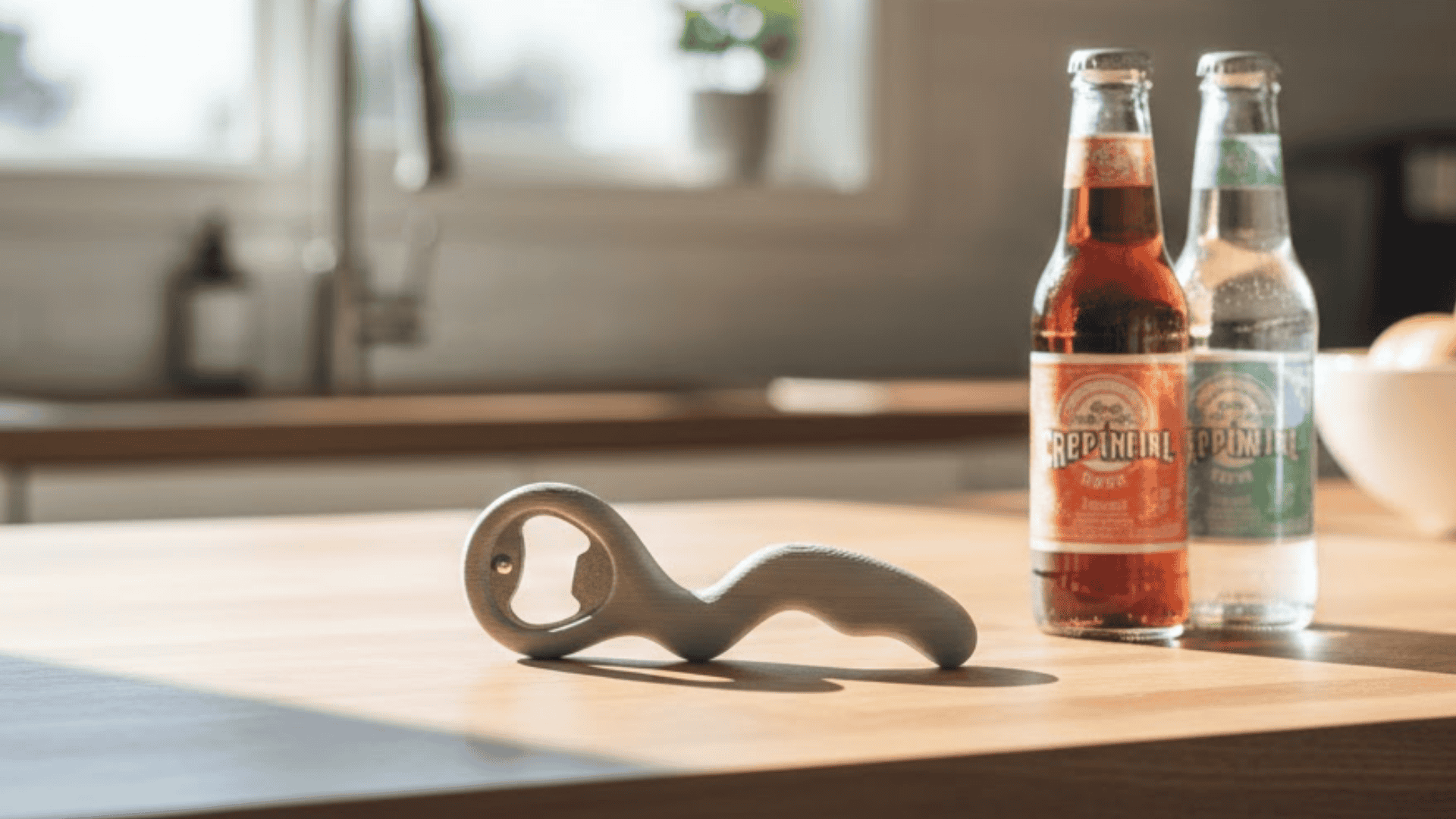
Bottle Openers are handy to keep around without buying lots of metal tools that feel uncomfortable or get lost easily.
Printing them lets you choose shapes that fit your hand better, and you can even match colors with your kitchen or bar area.
They use PLA at 30 percent infill with no supports, and you can add a small metal insert for the part that lifts the cap.
Beginners can print one in about 35 minutes, making this a cool project that gives you useful tools in several rooms if you want.
Post-Printing Tips:
- Test the opener gently at first to see if it needs extra strength.
- Add a key ring hole if you want to carry it on your keys.
12. Toothbrush Stands
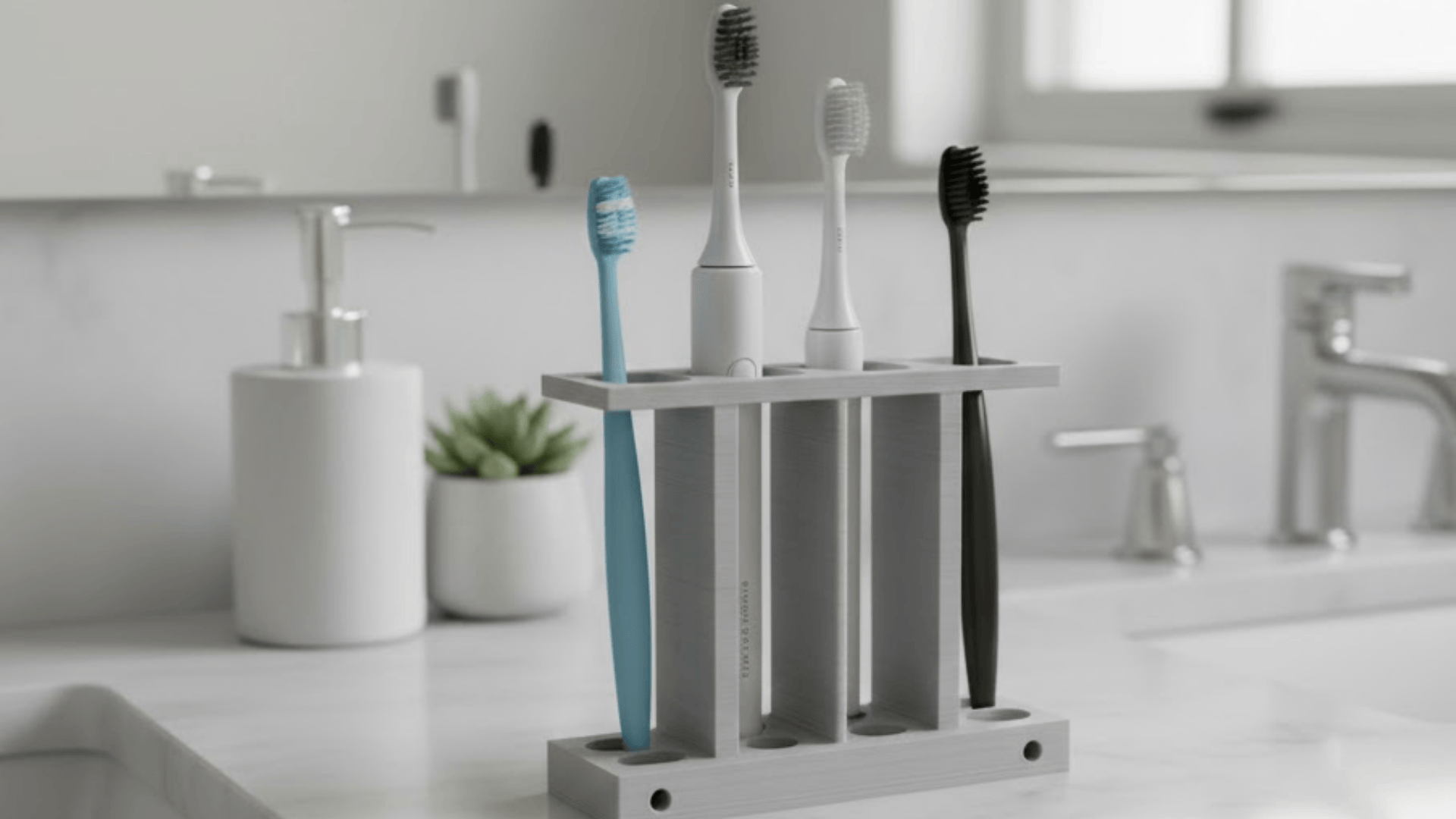
Toothbrush Stands keep brushes off the counter without buying cups that trap water and start to look dirty quickly.
Printing them lets you choose the number of slots, so each person in the family has a space for their brush and maybe toothpaste.
They work well with PLA at 25 percent infill and no supports, and you can design small openings so extra water can drain away.
Beginners can finish a stand in about 25 minutes, making this a clean project that keeps the bathroom sink area more organized.
Post-Printing Tips:
- Rinse the stand often to prevent toothpaste and water from building up.
- Add tiny holes in the bottom if water collects under the brush heads.
13. Remote Control Caddies
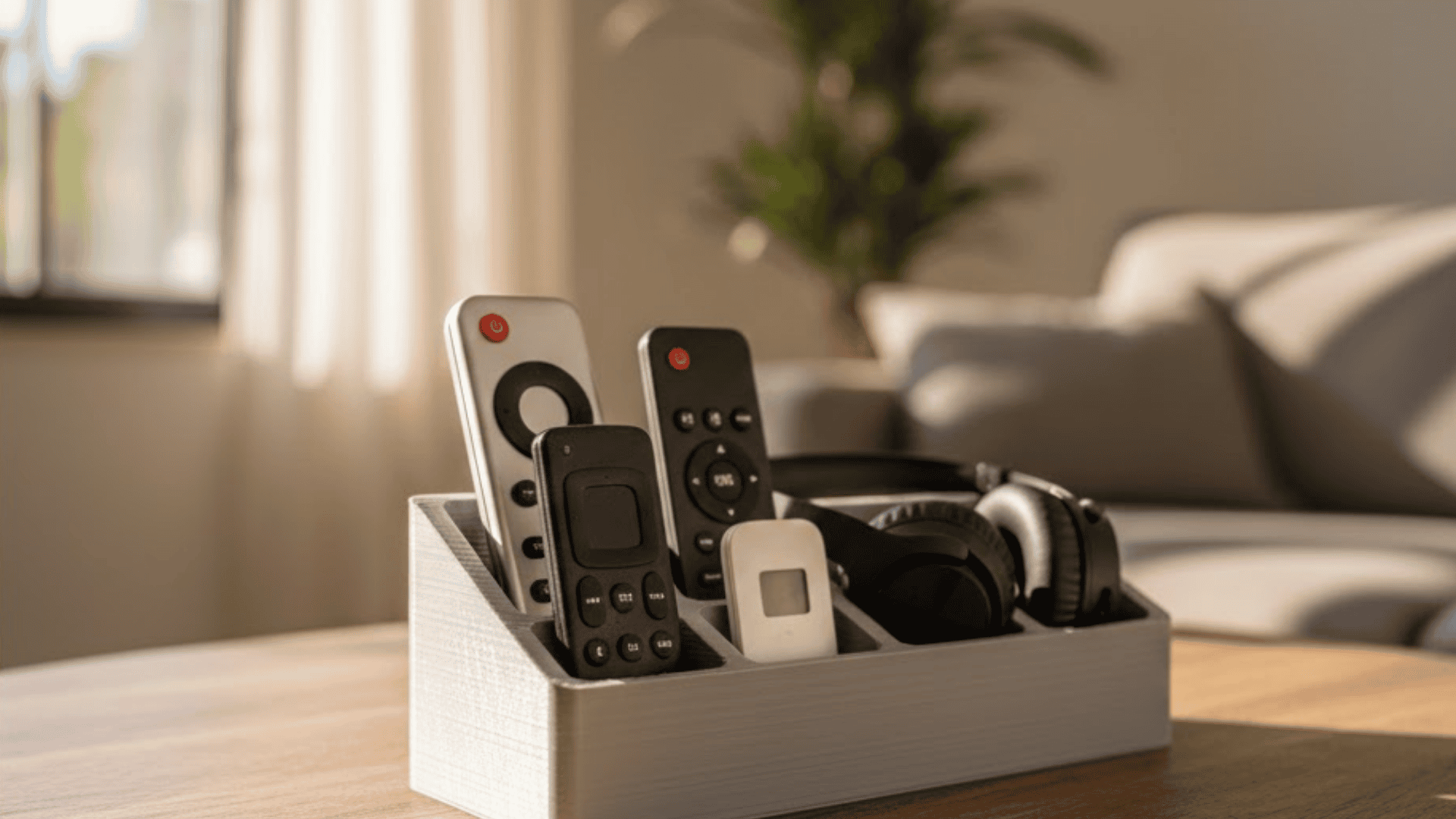
Remote Control Caddies stop remotes from getting lost in cushions without buying bulky organizers that take over your coffee table.
Printing them lets you size each compartment for your TV, sound system, and console remotes, which keeps everything in one easy spot.
They use PLA with 20 percent infill and no supports, resulting in a light but firm caddy that sits well on tables or shelves.
Beginners can print one in about 45 minutes, making this a very practical project that reduces clutter and the need to search for items in the living room.
Post-Printing Tips:
- Add soft pads under the base to prevent it from scratching your furniture.
- Measure each remote carefully so every slot fits without forcing.
14. Headphone Stands
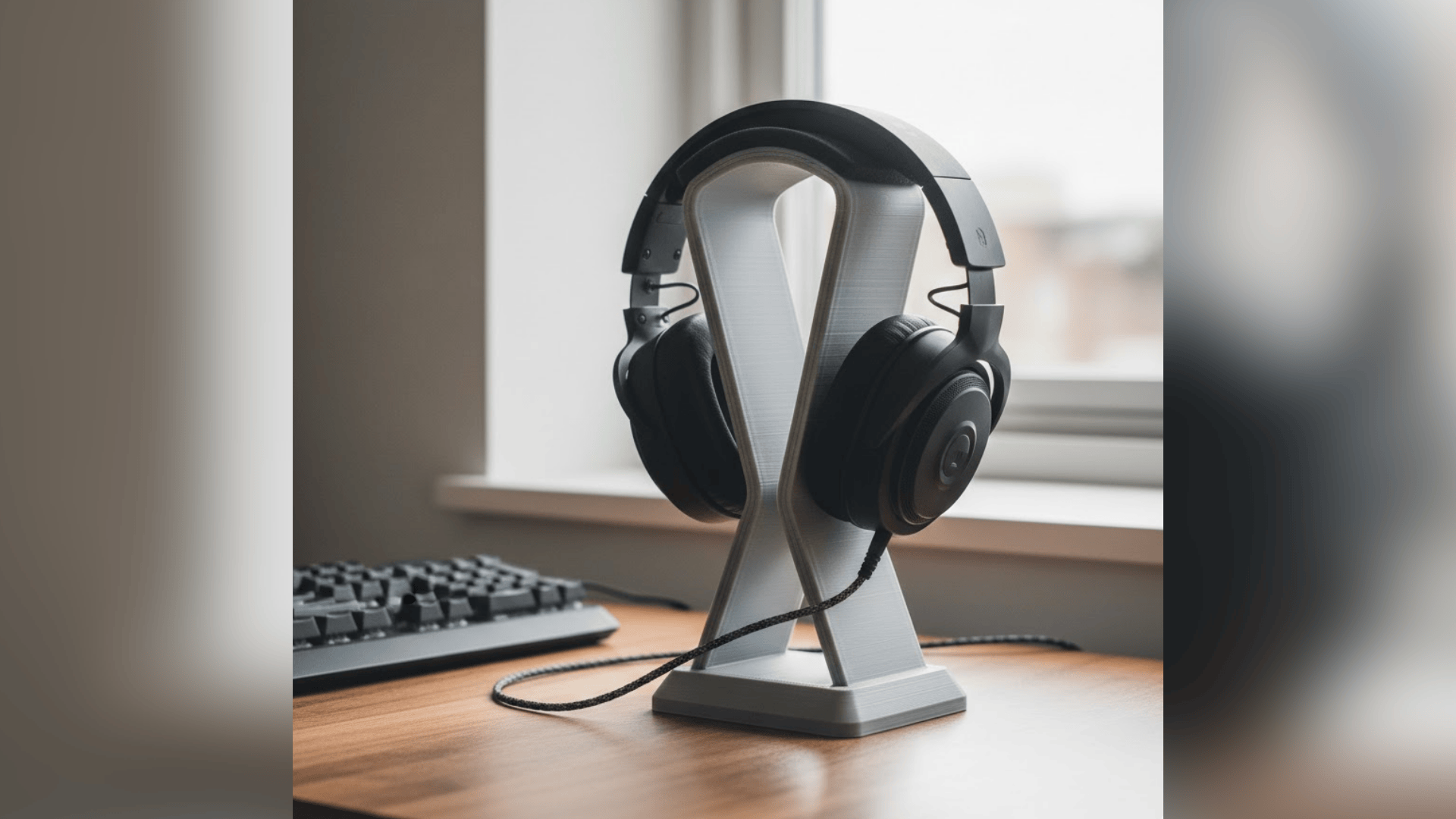
Headphone Stands keep your headset safe without buying metal stands that may not match your setup or gaming style.
Printing them lets you adjust height, base size, and arm shape, so the stand holds your headphones gently without bending the band.
They work well with PLA at 25 percent infill and need supports if the arms curve, which helps keep the stand strong and stable.
Beginners can finish one in about 1 hour, making this a nice project that protects your gear and cleans up your desk or shelf.
Post-Printing Tips:
- Add foam or a soft strip where the headband rests to prevent marks.
- Check the balance with your headphones before leaving them in busy areas.
15. Charging Cable Clips
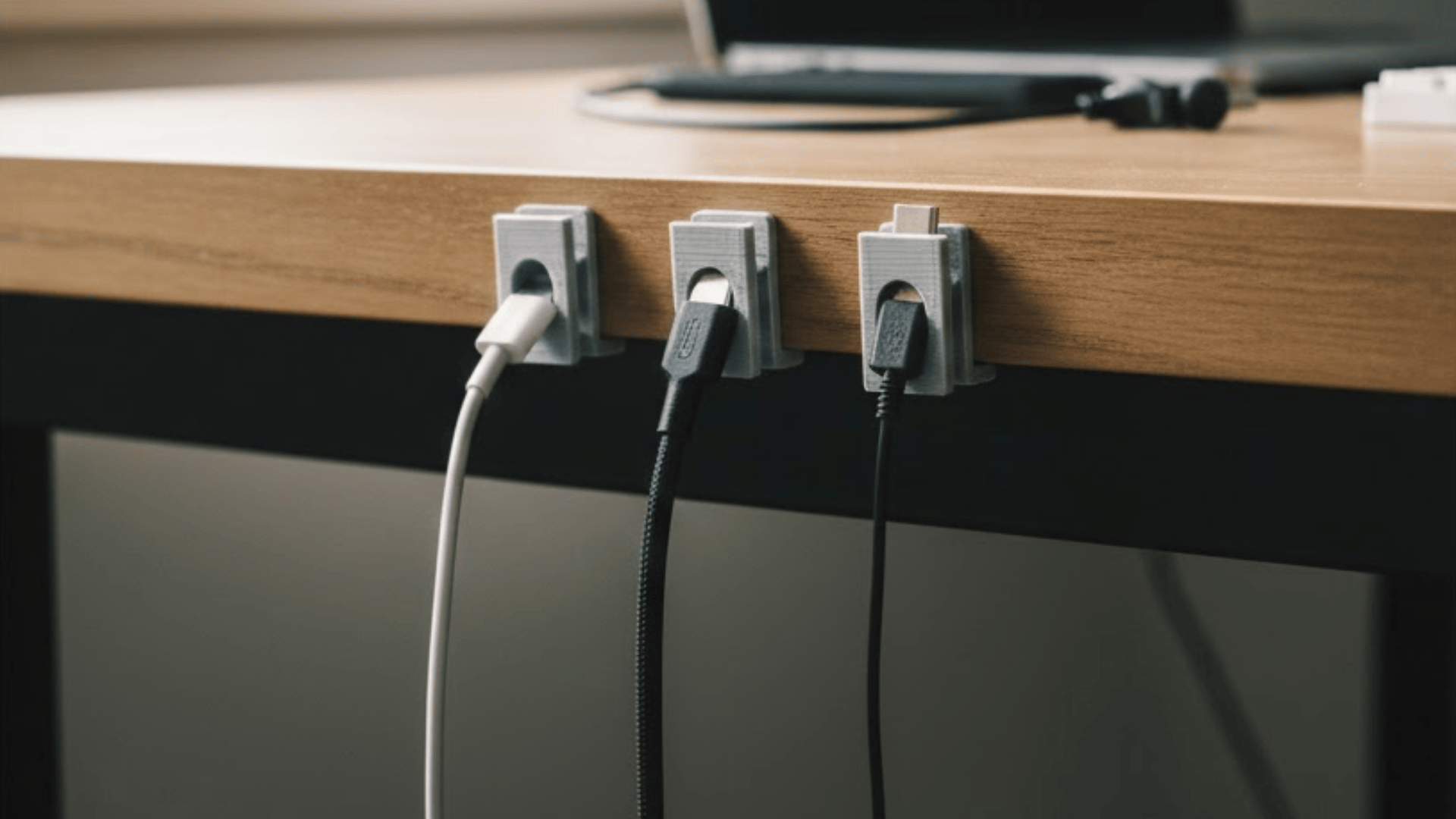
Charging Cable Clips prevent cords from slipping behind desks without buying big packs of plastic clips that don’t match your cables.
Printing them lets you match the slot size to each cable, which keeps phone, laptop, and console chargers lined up and easy to reach.
They use PLA at 15 percent infill with no supports, making them quick and cheap to print in small groups for different spots at home.
Beginners can print a set in about 15 minutes, making this a small but powerful upgrade for charging areas.
Post-Printing Tips:
- Use strong tape or screws, depending on the surface you’re attaching to.
- Print a few extras so you have clips ready for future cables.
16. Wall-Mounted Shelves
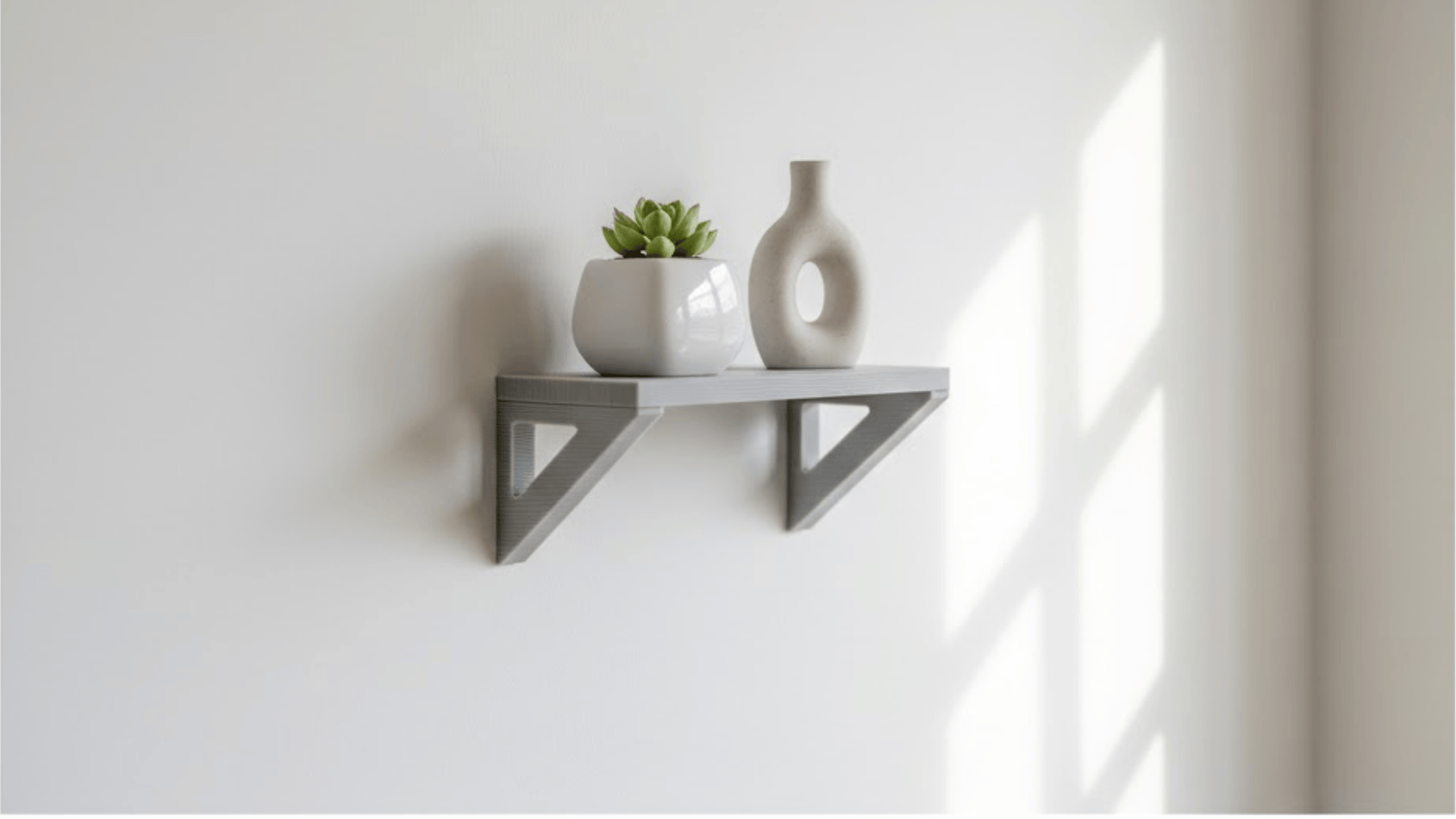
Wall-mounted shelves give you extra storage without buying full furniture pieces that take up too much space or cost a lot.
Printing them lets you design custom sizes for corners, narrow walls, or small gaps, which makes your space feel more useful and neat.
They work best with PLA at 30 percent infill and supports for the brackets, keeping them strong enough for light items like plants or figures.
This project is suitable for intermediate users, and each shelf takes about 1.5 hours to print, making it a serious yet rewarding build.
Post-Printing Tips:
- Use proper wall anchors or screws instead of tape for long-lasting strength.
- Test with light decorations first before adding heavier objects.
17. Picture Frame Stands
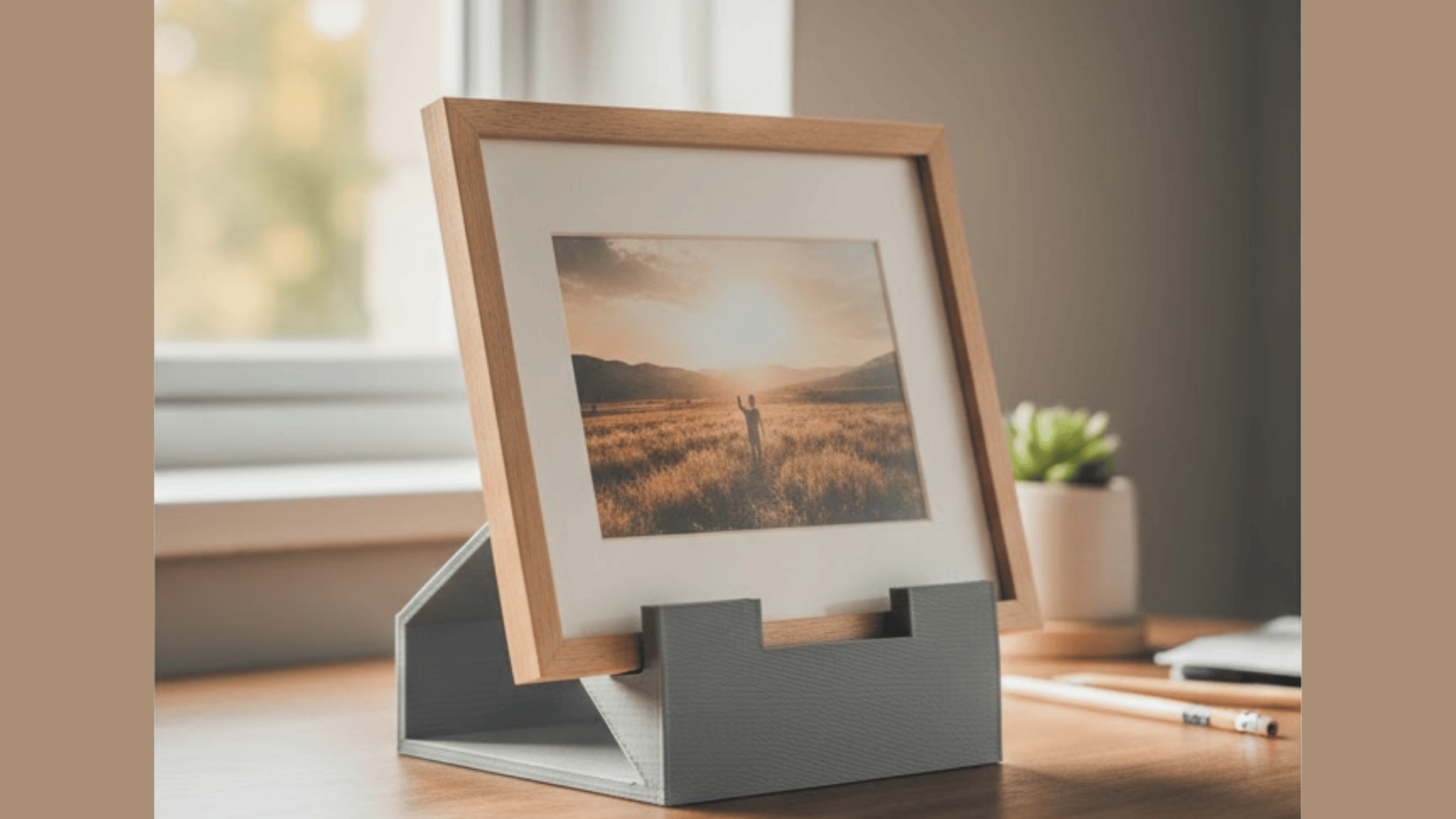
Picture Frame Stands hold photos or art upright without buying extra frames or bulky stands that take over your shelves.
Printing them lets you match the stand size to your frame, which keeps pictures from slipping or leaning too far forward or backward.
They use PLA with 20 percent infill and no supports, making them easy to print while still stable enough for desks and shelves.
Beginners can print one in about 30 minutes, making it a quick way to display memories in a cleaner, more custom way.
Post-Printing Tips:
- Adjust the stand angle in the design if the frame does not sit right.
- Add soft pads where the frame touches to avoid scratches.
18. Vases
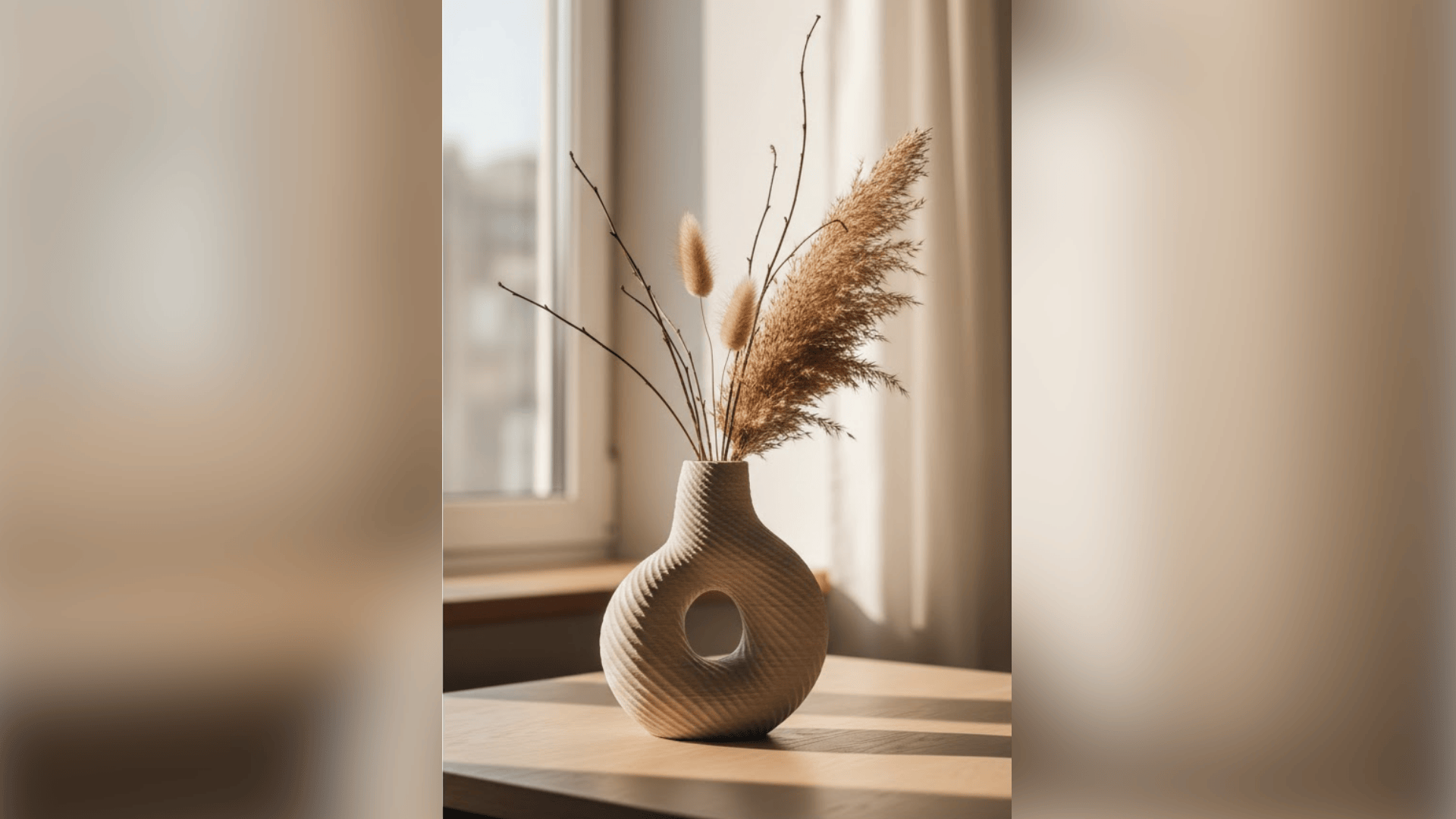
Vases give you a way to display flowers without buying heavy glass pieces that break easily if knocked over.
Printing them lets you try different shapes, textures, and patterns, which helps match your vase with your room theme or season.
They work well with PLA at 10 percent infill and no supports, often using spiral printing for smooth and clean looking walls.
Beginners can finish a vase in about 1 hour, making this a pretty project for dried flowers or sealed containers for fresh flowers.
Post-Printing Tips:
- Seal the inside if you plan to use real water with fresh flowers.
- Add stones or weights to the base if the vase feels too light.
19. Bookends
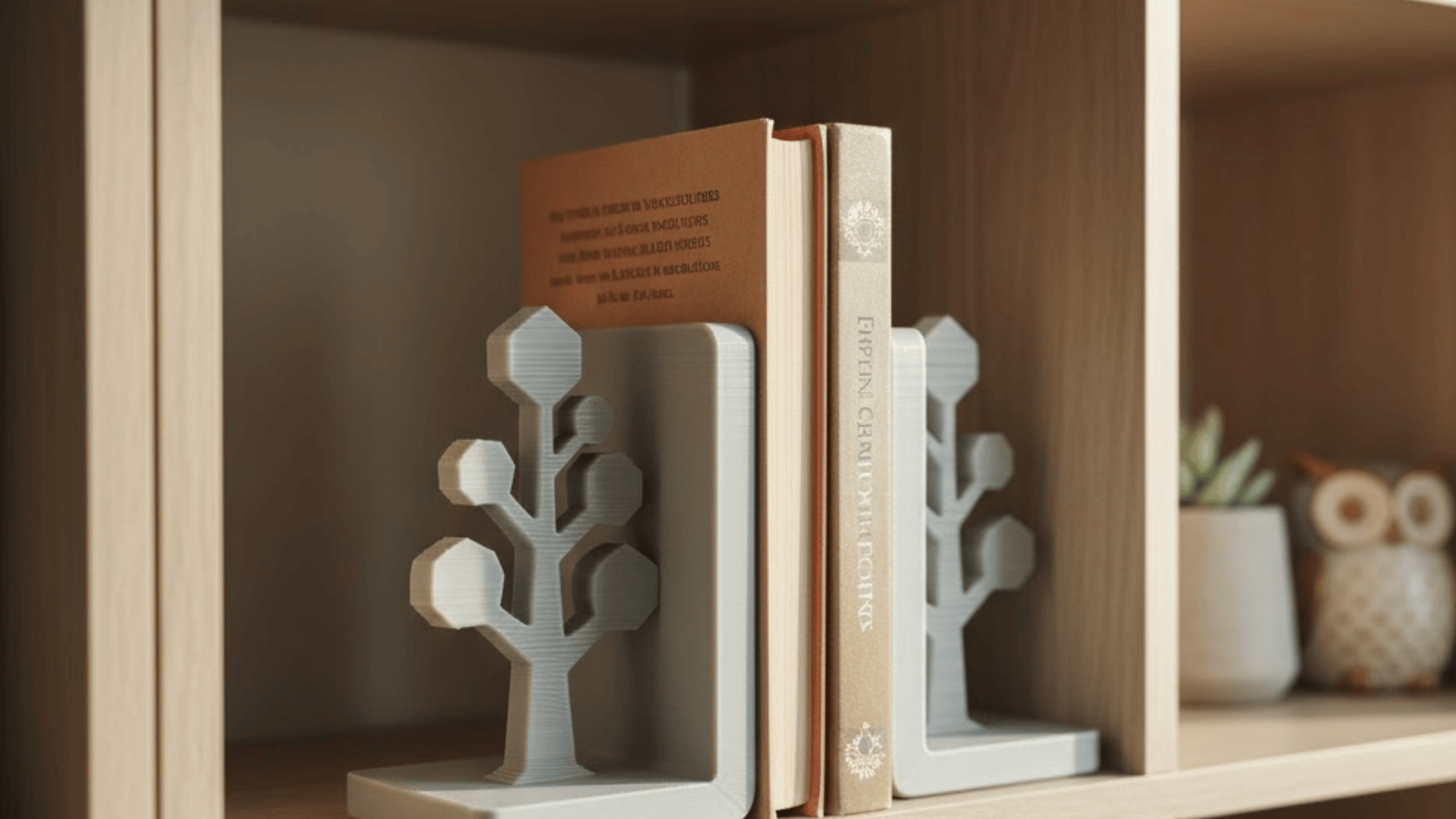
Bookends help your books stand straight without buying plain metal blocks that lack personality.
Printing them lets you create themed shapes, like game icons or symbols, which makes your shelf look more fun and personal.
They use PLA with a 40 percent gyroid infill and no supports, which keeps them heavy and strong enough to hold several books in place.
This project is suitable for intermediate users, and each bookend takes about 1 hour to print, giving you custom shelf pieces that stand out.
Post-Printing Tips:
- Place felt pads on the bottom to prevent scratches on your shelves.
- Add sand or stones inside hollow designs for extra weight.
20. Fidget Toys
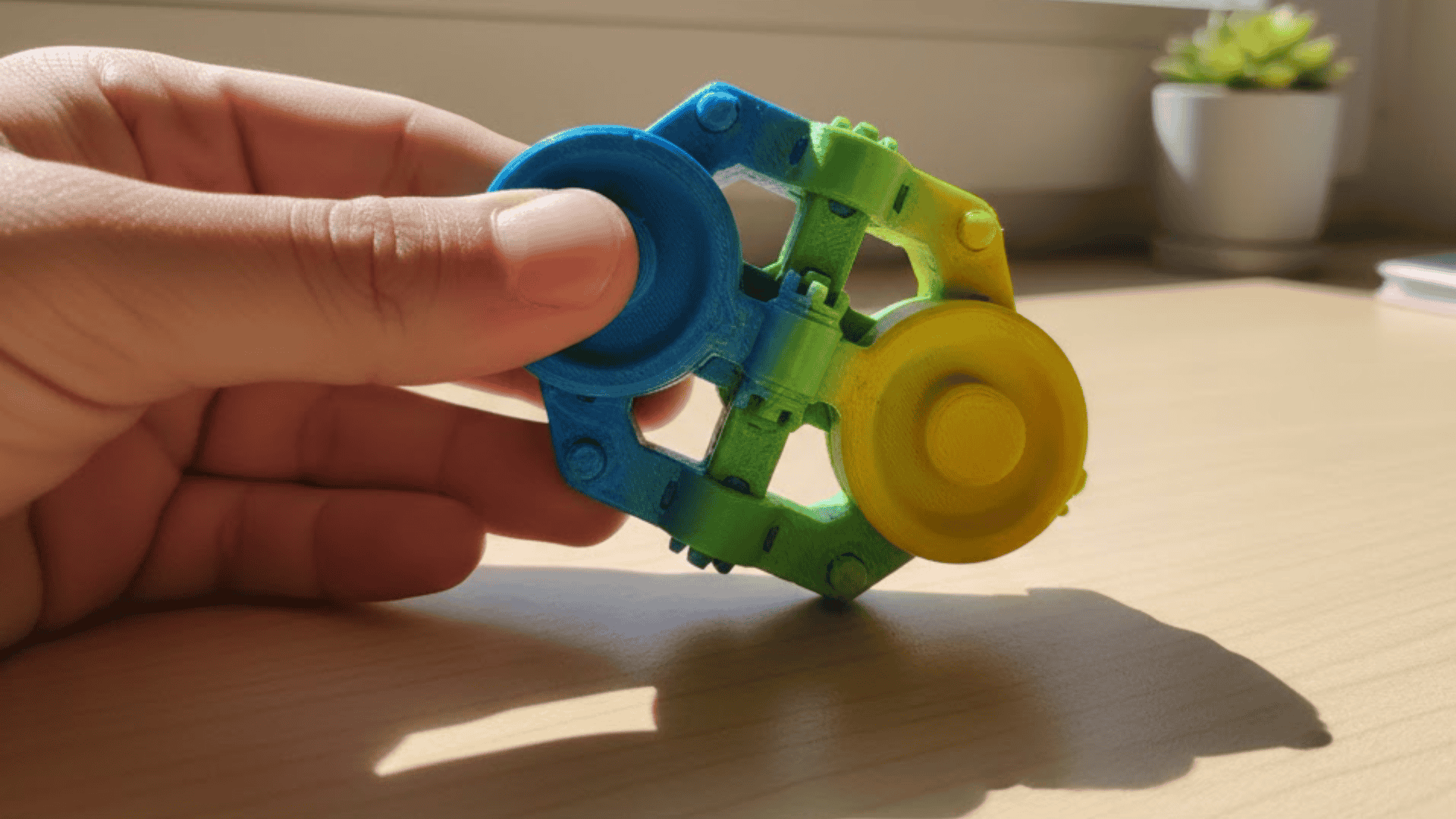
Fidget Toys give your hands something to do without buying flimsy gadgets that break fast or feel cheap.
Printing them lets you pick spinner, clicker, or twist designs, which helps match the toy to how you like to fidget during the day.
They use PLA or TPU with 25 percent infill and no supports, keeping them strong while still comfortable to hold and move.
Beginners can finish a toy in about 20 minutes, making this a fun project that can help with focus and stress.
Post-Printing Tips:
- Use small bearings or pins for parts that need smooth spinning.
- Test moving pieces slowly first, so nothing snaps under pressure.
21. Puzzle Pieces
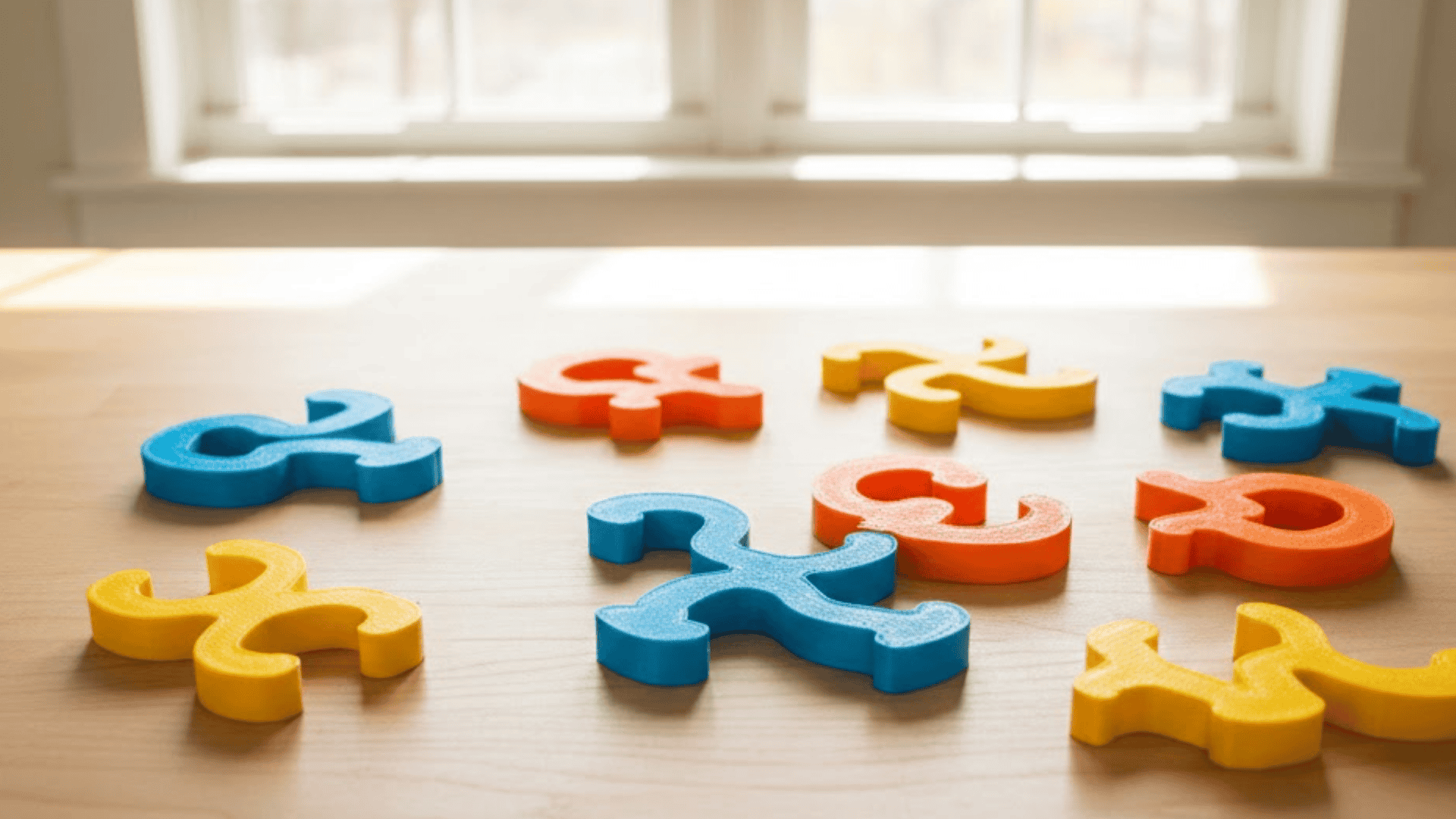
Puzzle Pieces let you create your own puzzles without buying premade sets that feel boring after one use.
Printing them lets you design shapes, patterns, or learning letters, which makes the puzzle more personal and fun for kids or adults.
They use PLA at 25 percent infill with no supports, which keeps the pieces sturdy while still being easy to print in larger batches.
Beginners can print a small set in about 40 minutes, turning this into a playful project for games, gifts, or learning tools.
Post-Printing Tips:
- Lightly sand the edges so pieces connect smoothly without forcing.
- Add paint or stickers on top if you want pictures or letters.
22. Mini Board Game Pieces
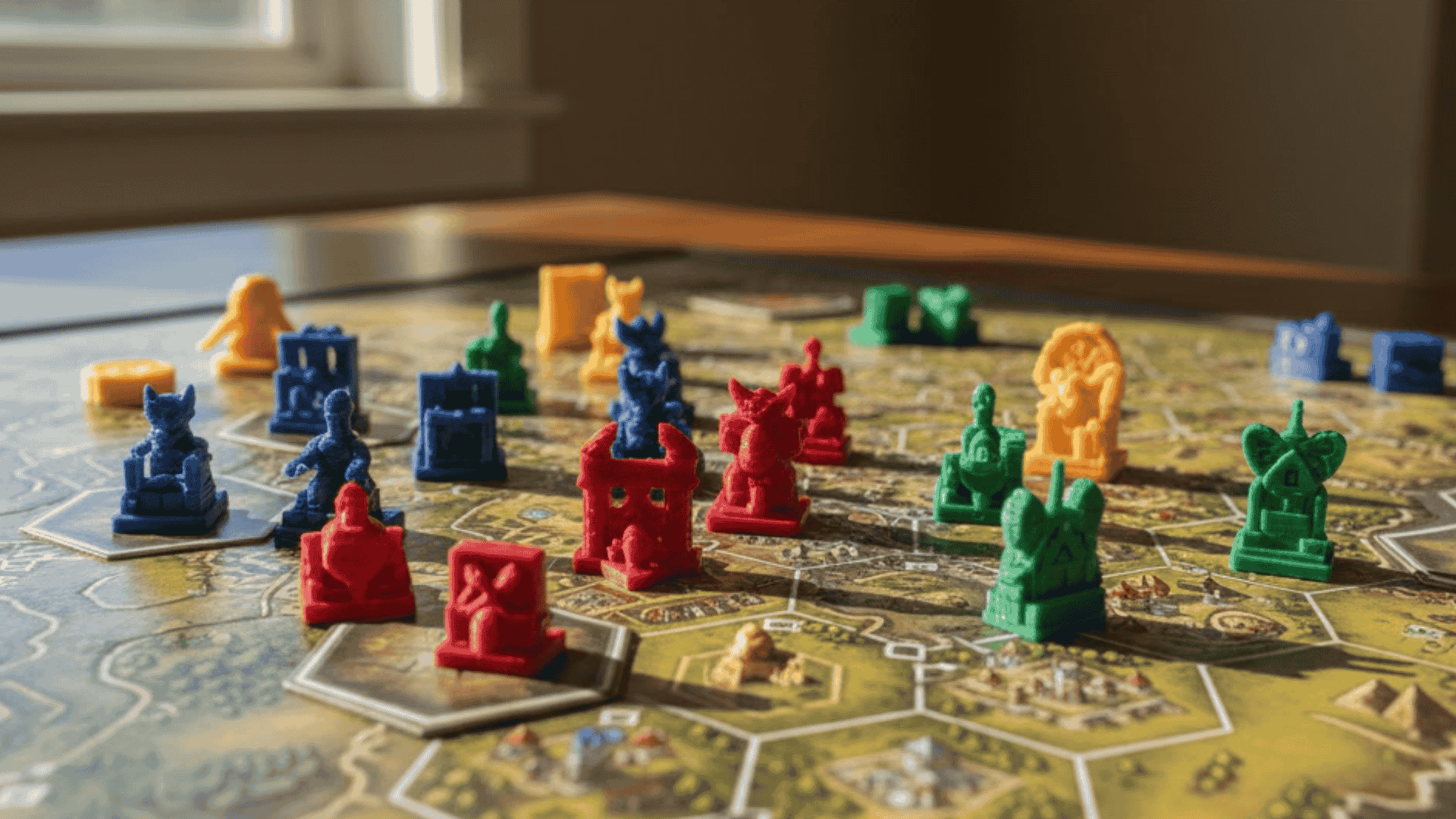
Mini Board Game Pieces replace lost tokens without buying new copies of your favorite games.
Printing them lets you design custom characters, shapes, or team markers, giving your games a fresh, personal look.
They use PLA at 20 percent infill with minimal supports, keeping details clear while still printing fast enough for full sets.
Beginners can print a group in about 30 minutes, making this a fun way to upgrade or repair board games at home.
Post-Printing Tips:
- Use different colors to show teams, roles, or levels.
- Store pieces in a small printed box to prevent them from getting lost.
23. Pet Food Scoops
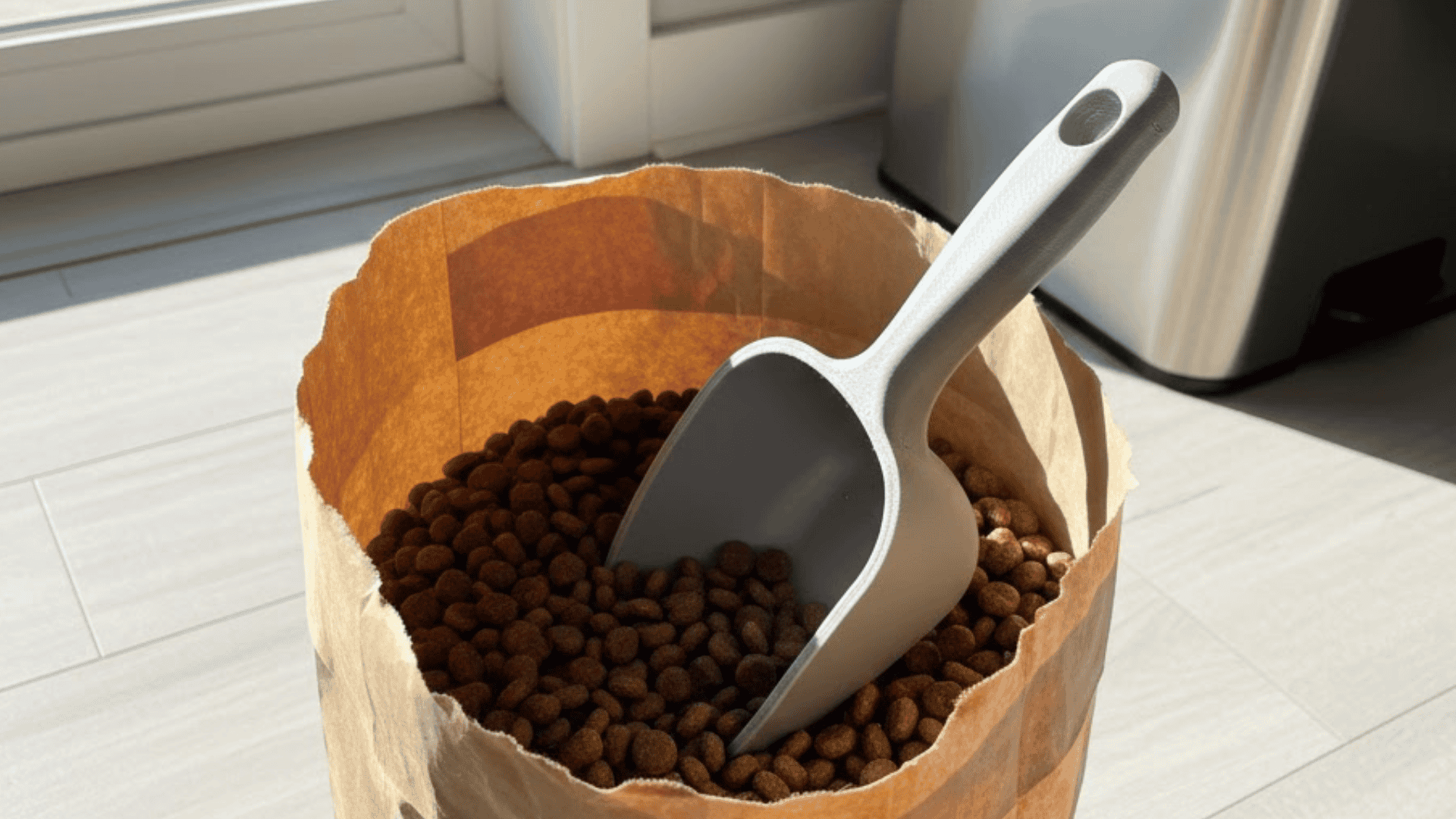
Pet Food Scoops help you give pets the right amount of food without guessing or using random cups.
Printing them lets you match the scoop size to your vet’s advice, which helps keep feeding more consistent and easier to follow.
They use food-safe PLA with 30 percent infill and no supports, resulting in strong handles that can handle daily scooping.
Beginners can print a scoop in about 45 minutes, making this a caring project that supports better feeding habits for your pets.
Post-Printing Tips:
- Mark the scoop volume clearly so everyone uses the same amount.
- Rinse regularly and avoid very hot water to keep the scoop in good shape.
24. Treat Dispensers for Dogs
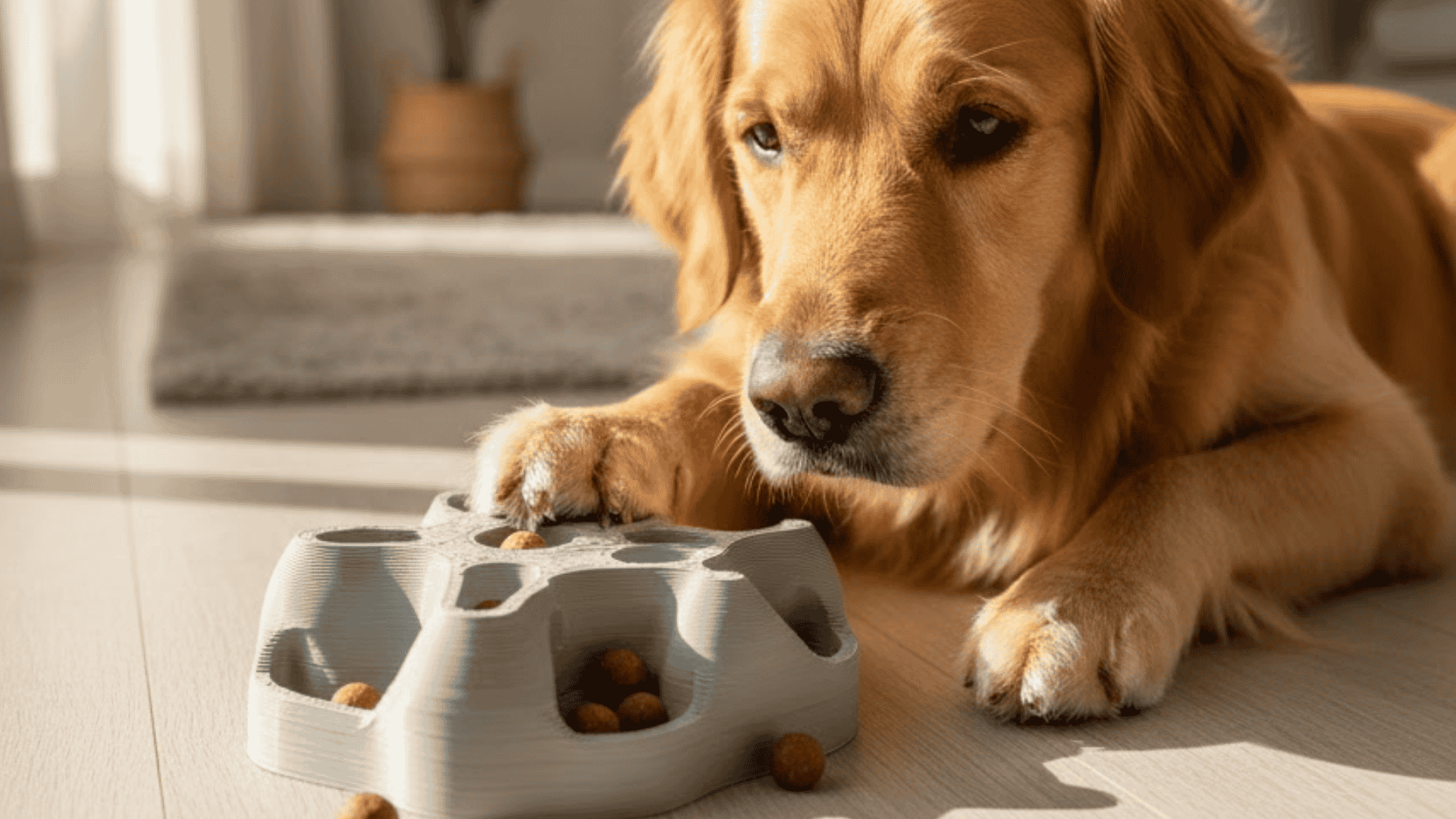
Treat Dispensers for Dogs turn snack time into a fun puzzle without buying expensive pet toys.
Printing them lets you adjust hole sizes and pathways, which helps you match the difficulty level to your dog’s age and energy level.
They use PLA or TPU at 25 percent infill with tree supports, keeping the walls strong enough to handle bumps and chewing.
This project is suitable for intermediate users, and each dispenser takes about 50 minutes, providing your dog with a playful and interesting challenge.
Post-Printing Tips:
- Start with larger openings, so treats come out easily, then shrink them if you want more challenge.
- Check the inside for sharp edges before giving it to your dog.
25. Cat Toy Balls
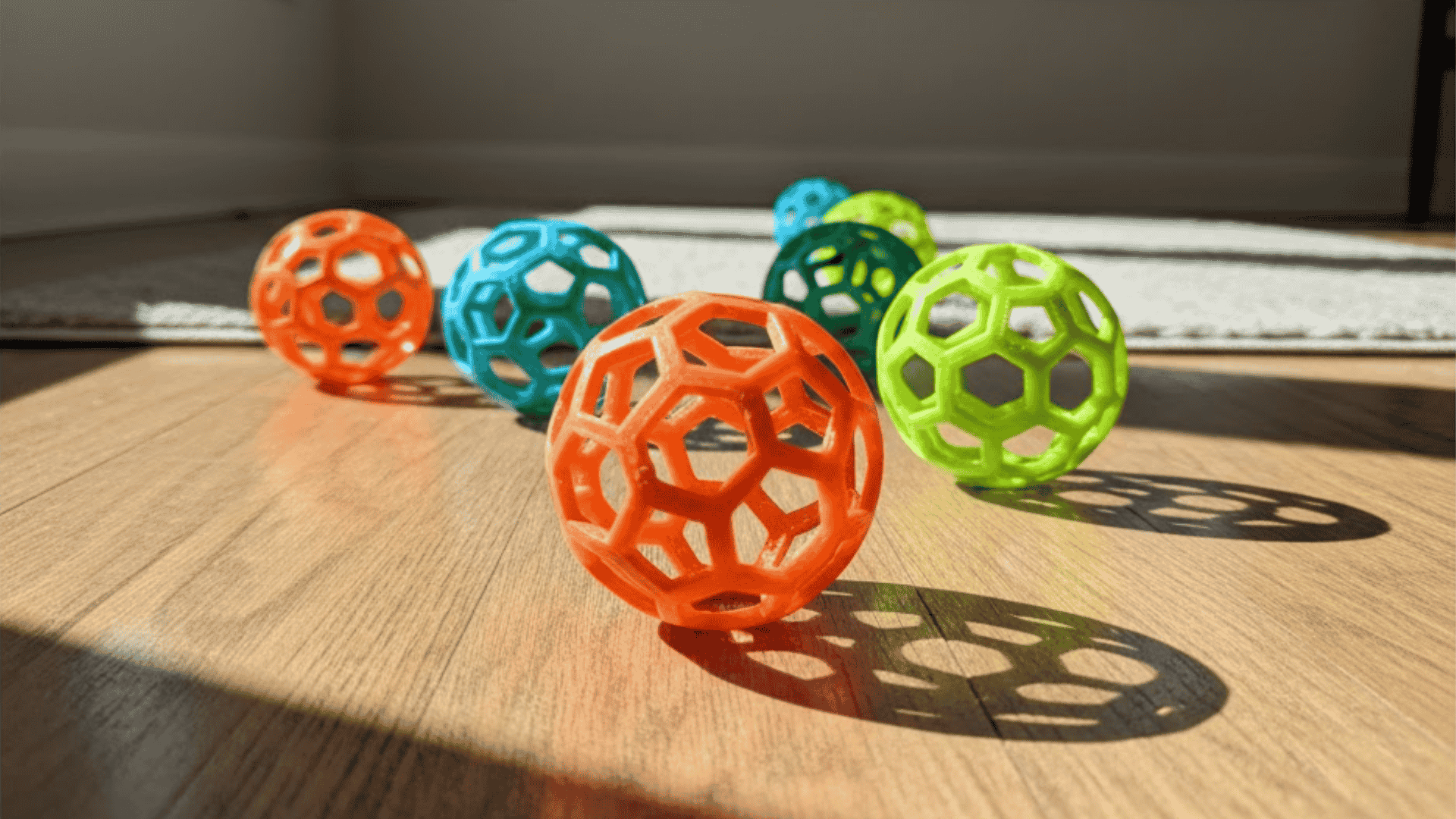
Cat Toy Balls keep your cat active without buying tiny toys that disappear under furniture.
Printing them lets you choose hole patterns and shapes, which makes them easier for your cat to bat, chase, and carry.
They use PLA at 15 percent infill with no supports, keeping the balls light and fast to print while still sturdy for daily play.
Beginners can print a ball in about 15 minutes, making it a fun way to add more playtime for your cat.
Post-Printing Tips:
- Place a small bell inside if your cat enjoys sounds.
- Check the balls regularly for cracks and reprint if any are damaged.
26. Seed Starter Pots
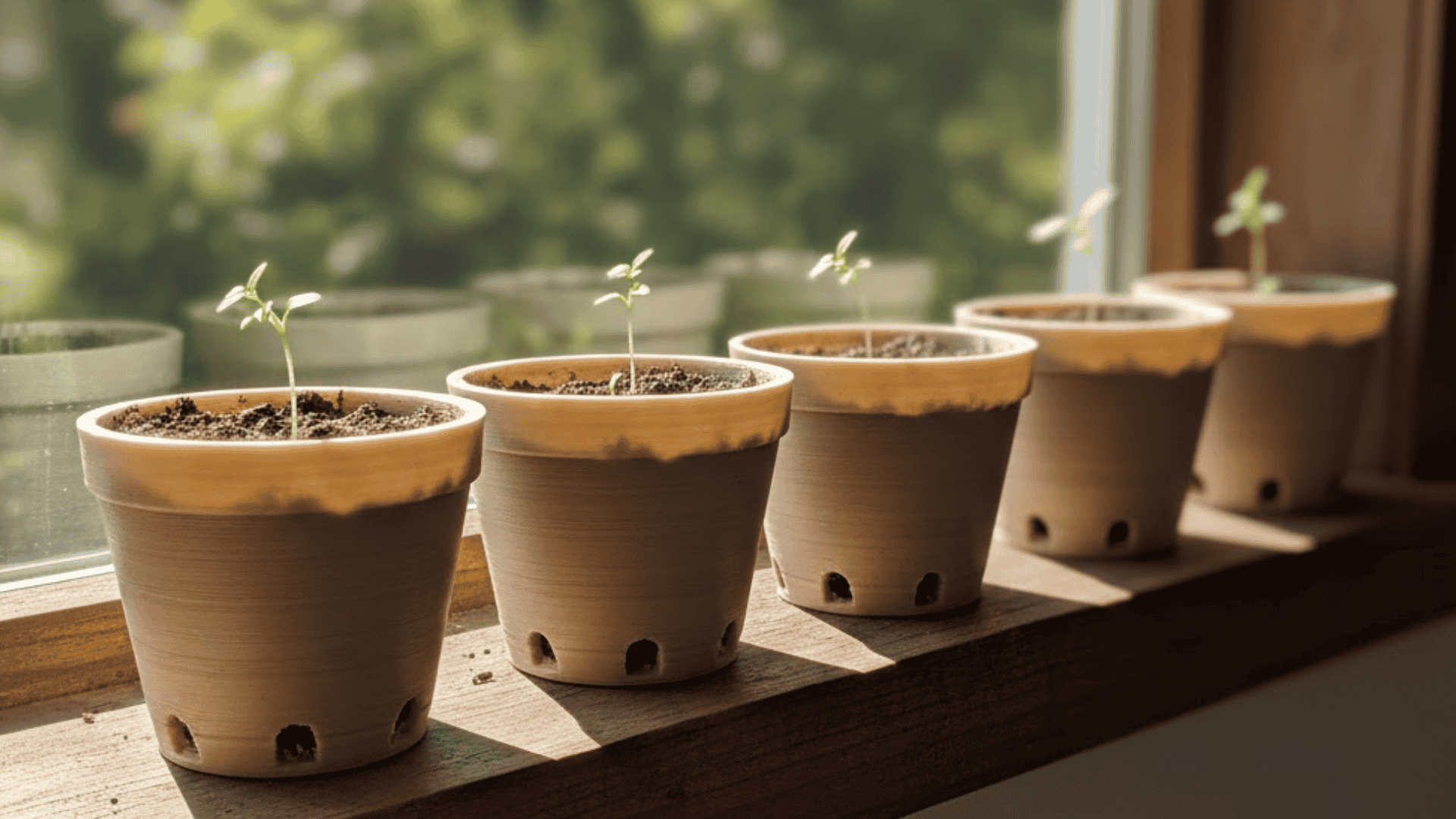
Seed Starter Pots let you begin plants indoors without buying thin plastic trays that bend or crack.
Printing them lets you design stackable shapes that fit shelves, windows, or garden benches, which helps keep your planting area neat.
They use PLA at 15 percent infill with no supports, keeping them light and easy to handle while still holding soil and seeds safely.
Beginners can print a pot in about 25 minutes, making this a great project for the gardening season.
Post-Printing Tips:
- Add drainage holes so extra water can escape from the soil.
- Label each pot with plant names and dates to track growth.
27. Plant Labels
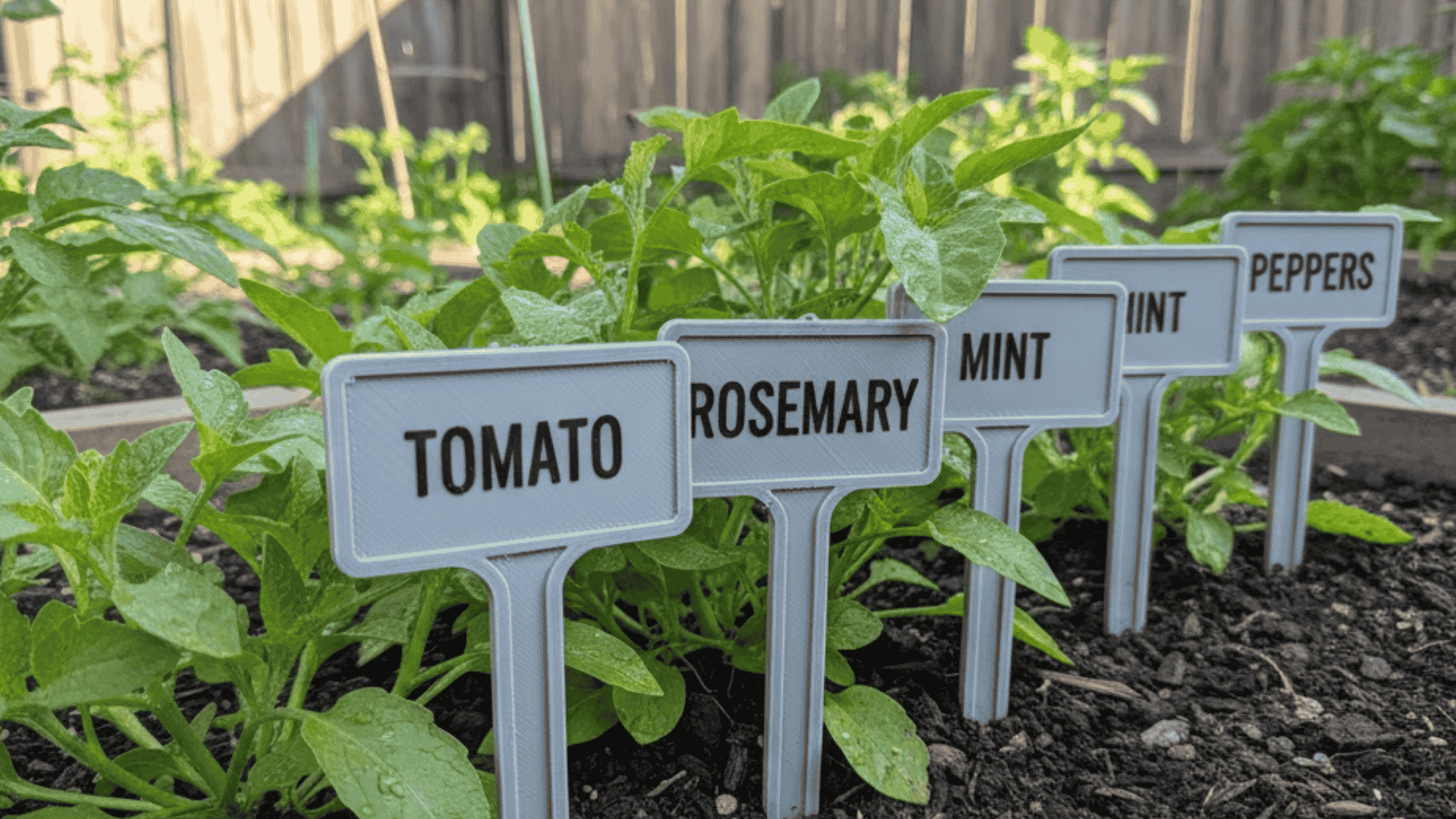
Plant Labels help you remember what you planted without buying flimsy tags that fade in the sun.
Printing them lets you choose stake length and label size, which helps them fit both small pots and bigger garden beds.
They use PLA at 20 percent infill with no supports, making them quick to print in large groups for many plants.
Beginners can make a label in about 10 minutes, turning this into a fast and useful gardening tool.
Post-Printing Tips:
- Use weather-resistant markers or paint so names last longer.
- Push labels deep enough into the soil so wind does not knock them over.
28. Hose Guides for Watering
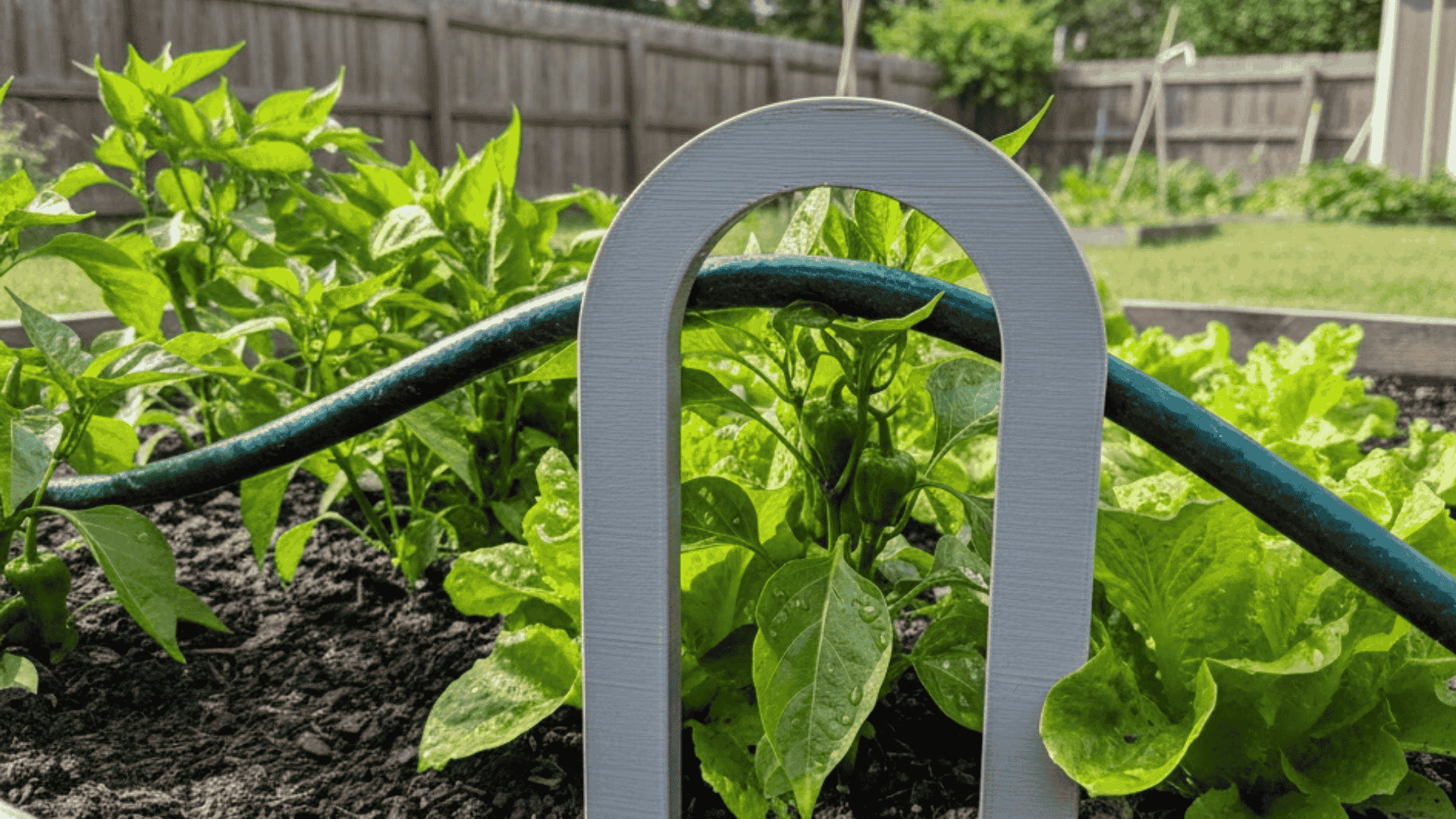
Hose Guides for Watering protect plants and corners without buying heavy garden pieces.
Printing them lets you set the curve radius, which keeps hoses from crushing flowers or scraping against walls and steps.
They use PLA with 30 percent infill and no supports, making them strong enough to withstand hose pulls along paths and around beds.
Beginners can print a guide in about 40 minutes, making this a helpful project that gets smoother with each run.
Post-Printing Tips:
- Push the guide firmly into the ground so it does not tilt under pressure.
- Place several guides at sharp turns to smooth hose movement.
29. Earbud Cases
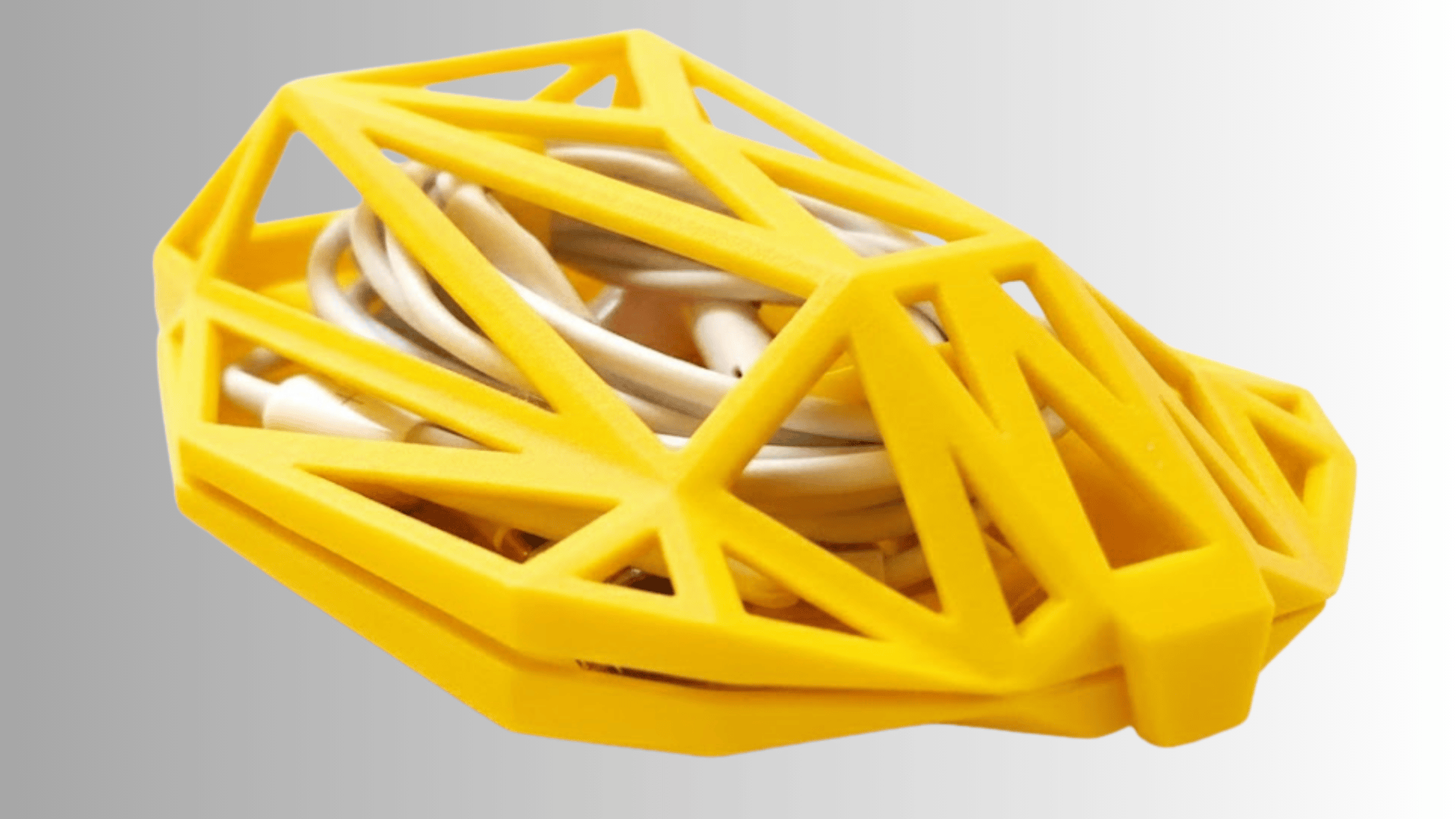
Earbud Cases keep earphones safe without buying hard boxes that do not fit your specific model well.
Printing them lets you shape the inside for wired or wireless earbuds, helping prevent tangles and damage in your bag or pocket.
They work well with PLA at 25 percent infill and no supports, giving a strong shell that still prints quickly.
Beginners can print a case in about 30 minutes, making this a handy project for everyday carry.
Post-Printing Tips:
- Add a loop or clip hole if you want to hook the case to a bag.
- Test the lid fit and adjust the design if it feels too loose or tight.
30. Watch Stands
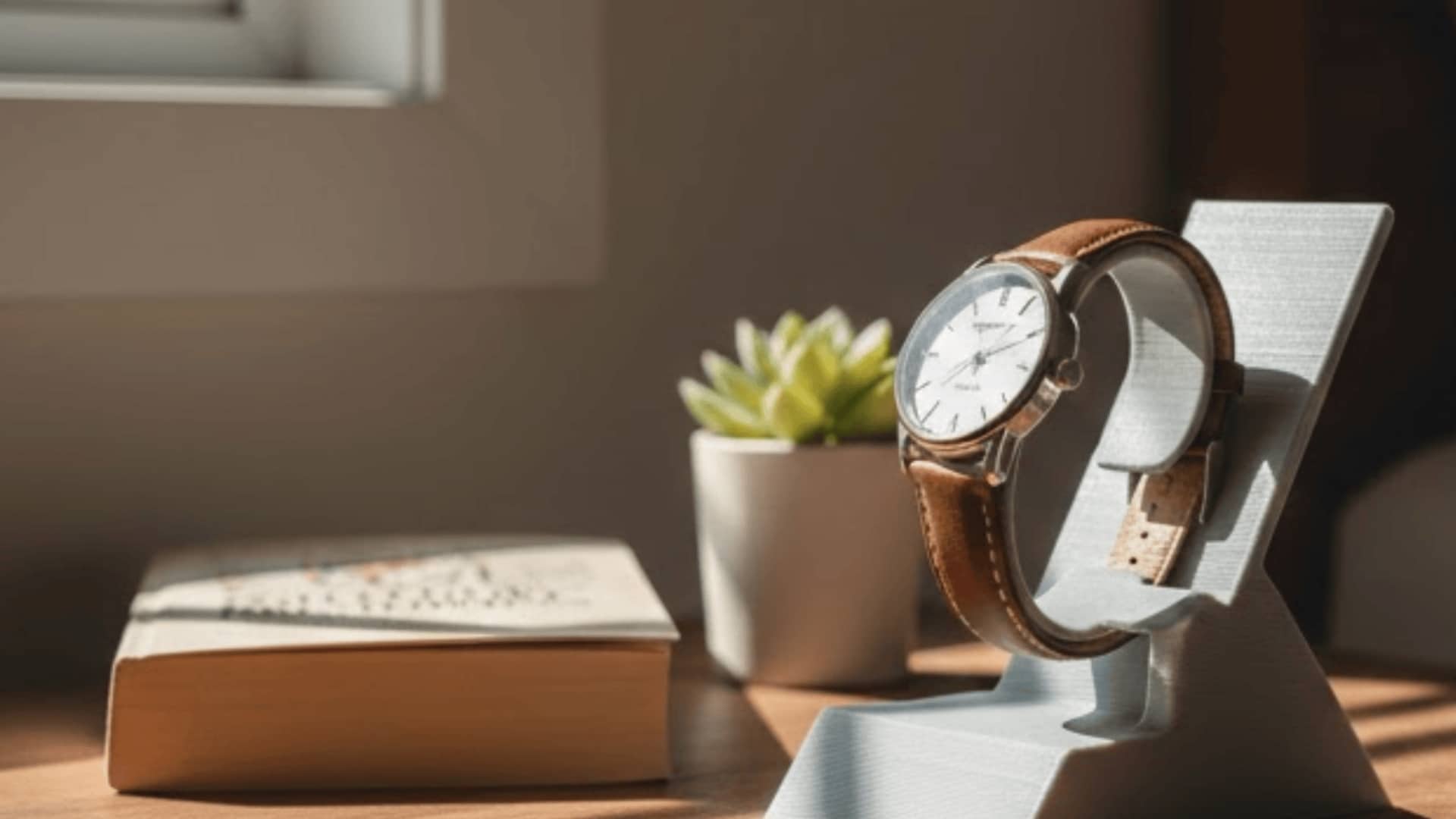
Watch Stands hold your watch safely without taking up too much space.
Printing them lets you choose the height and angle, which keeps the watch easy to grab and easy to see on a nightstand or shelf.
They use PLA with 25 percent infill and supports when the design curves, which keeps the stand strong but still light.
Beginners can print a stand in about 35 minutes, turning this into a simple project that keeps watches organized.
Post-Printing Tips:
- Add a soft pad where the band rests so it does not get marks.
- Place the stand away from the edges where it could be knocked over.
31. Sunglasses Holders
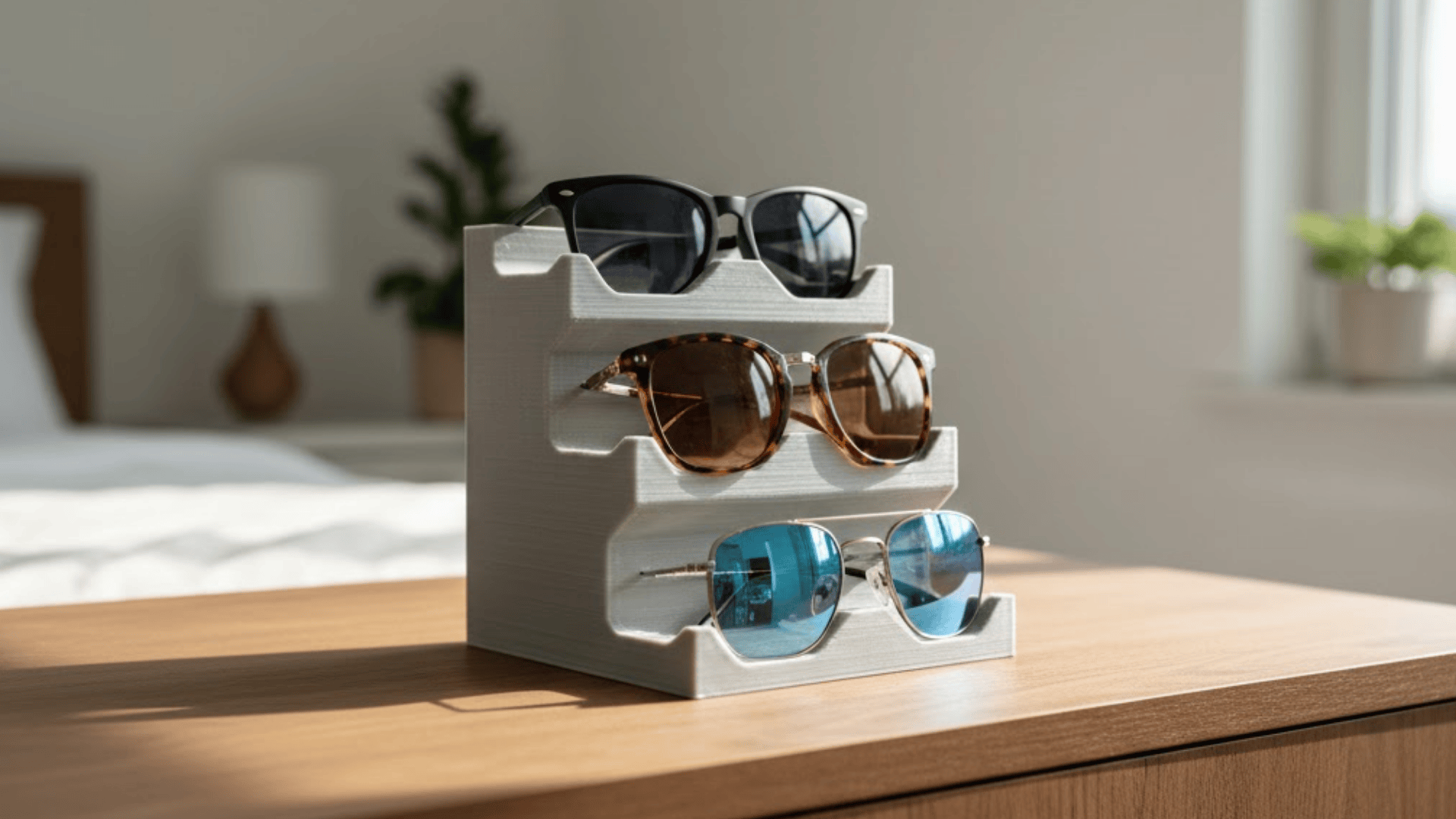
Sunglasses Holders keep glasses from getting scratched without buying racks that do not match your style.
Printing them lets you add slots for 1 or more pairs, which keeps sunglasses lined up and easy to find.
They work well with PLA at 20 percent infill and no supports, making them light but stable on desks or shelves.
Beginners can print one in about 25 minutes, making this a simple project for anyone who owns several pairs.
Post-Printing Tips:
- Check each slot width so frames slide in without getting squeezed.
- Add a small front lip to stop glasses from sliding forward.
32. Door Stops
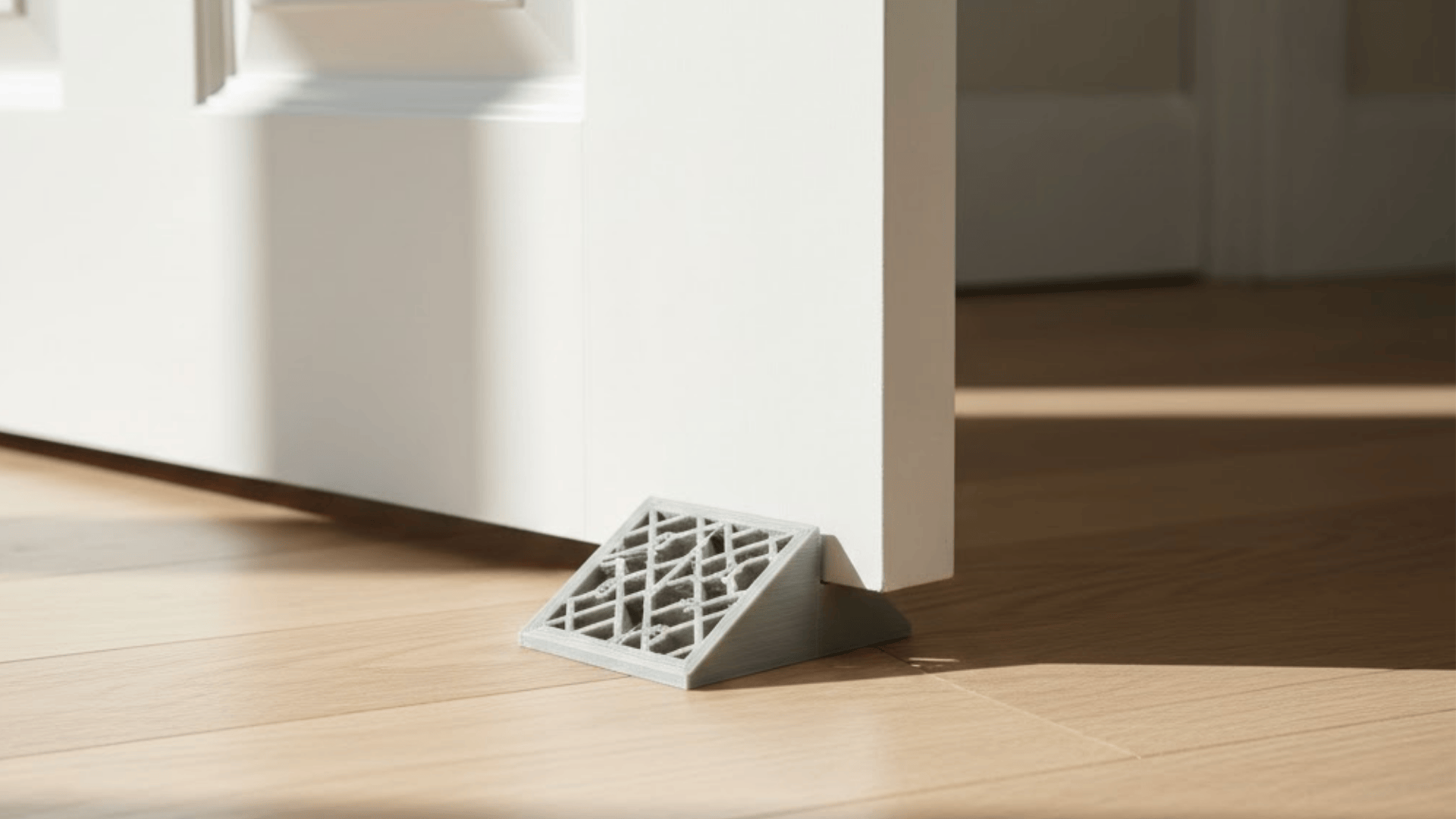
Door Stops keep doors open without buying rubber wedges that wear down quickly.
Printing them lets you match the wedge height and shape to your door gap, which keeps doors steady on different floors.
They use PLA with a 40 percent gyroid infill and no supports, making them heavy and tough enough for tile or wood floors.
This project is suitable for intermediate users, and each door stop takes about 45 minutes to print.
Post-Printing Tips:
- Add rubber or tape on the bottom for extra grip on smooth floors.
- Test the wedge angle gently at the door to confirm it works well.
33. Light Switch Extenders
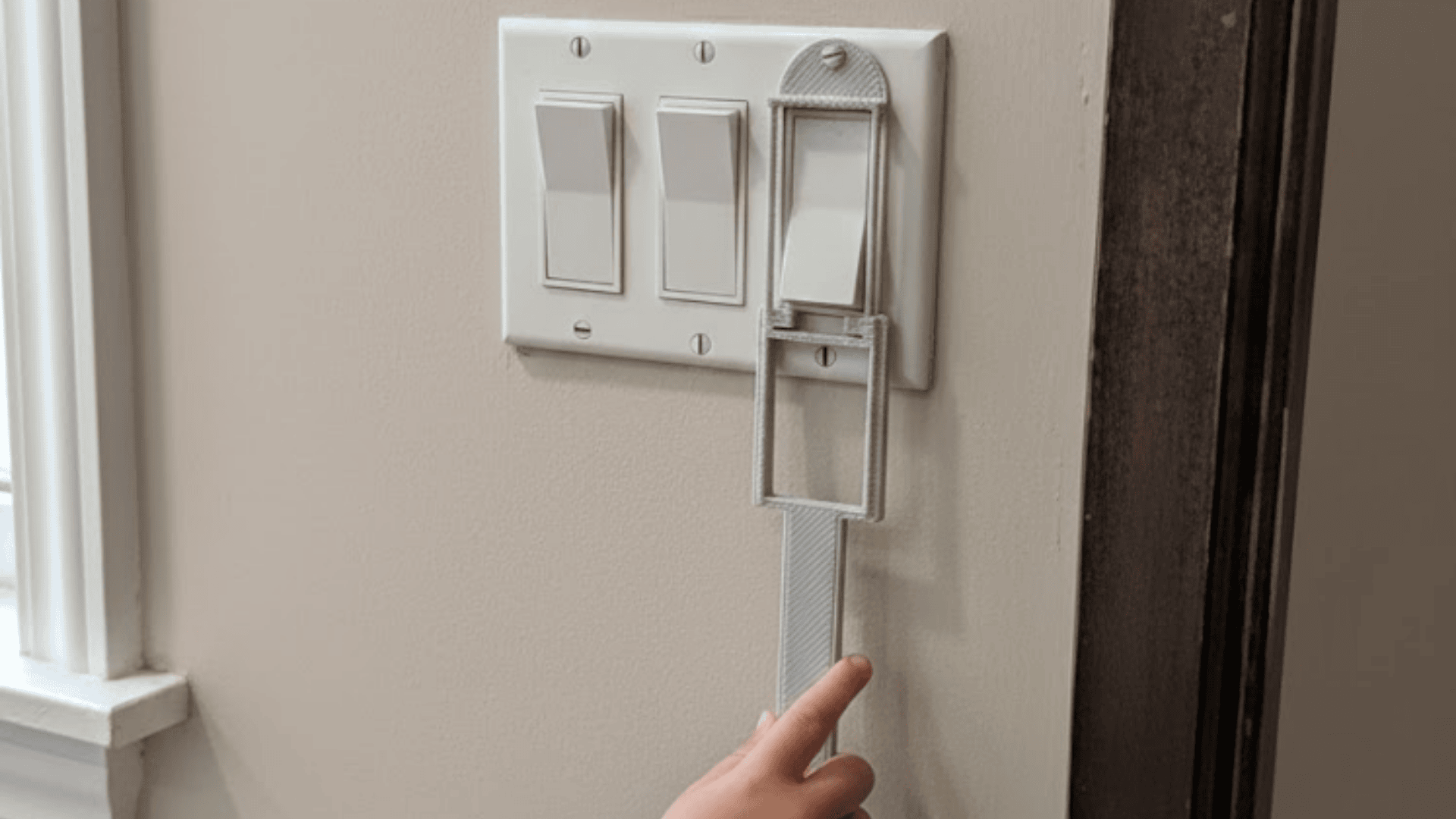
Light Switch Extenders help kids or people with limited reach use switches without changing the whole switch unit.
Printing them lets you set the length so the handle reaches lower, which makes it easier to turn lights on and off.
They work well with PLA at 25 percent infill and no supports, keeping them light but durable for daily use.
Beginners can print one in about 20 minutes, making this a thoughtful accessibility project.
Post-Printing Tips:
- Test the extender gently so it does not stress the switch too much.
- Round sharp corners to make the handle comfortable to grab.
34. Appliance Knobs Replacements
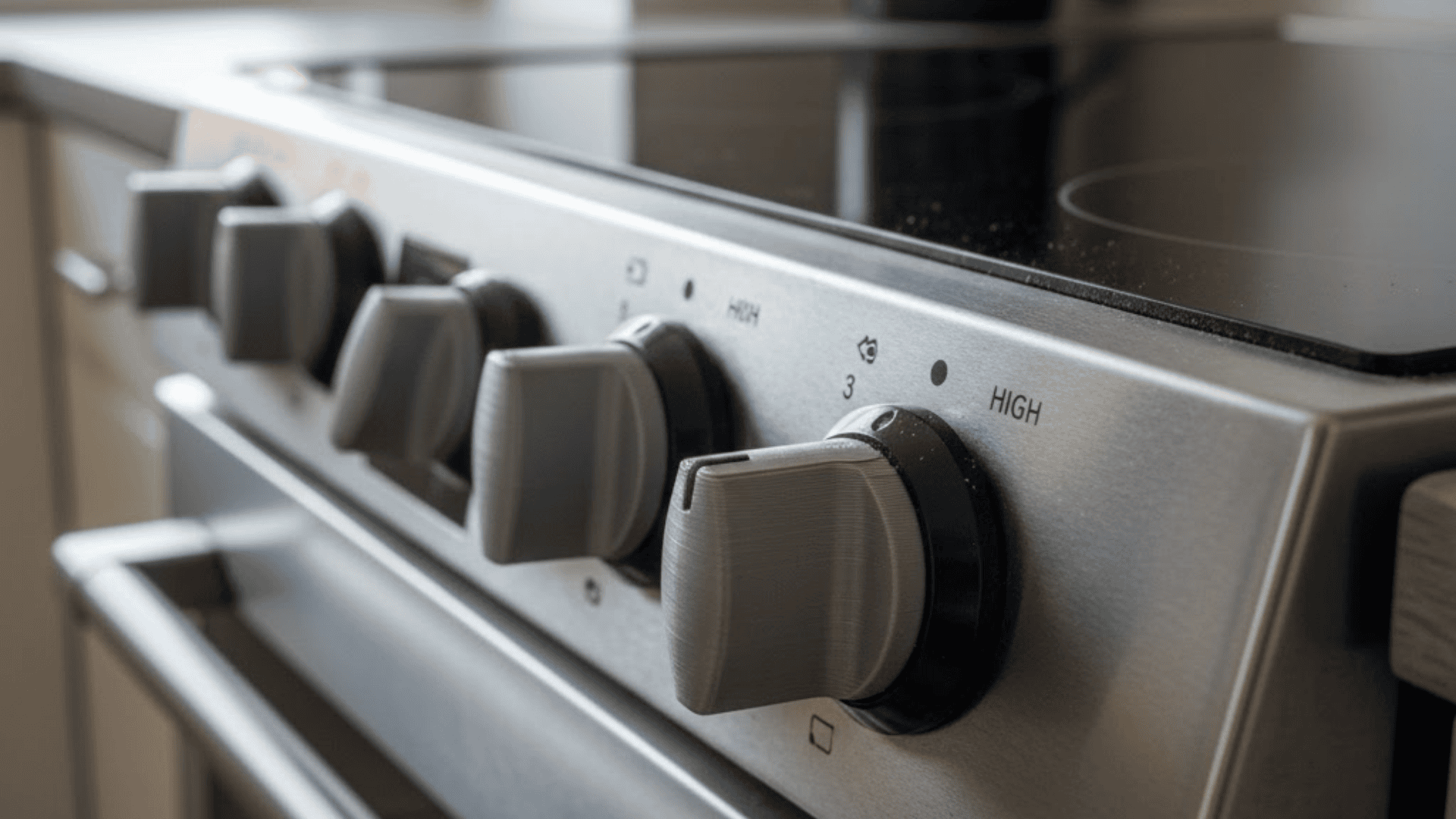
Appliance Knobs Replacements fix broken knobs without buying expensive original parts or replacing the whole device.
Printing them lets you copy the shape and improve grip, making it easier to adjust settings on ovens, stoves, or other appliances.
They use PLA at 30 percent infill with no supports, and you must match the spline fit closely so the knob sits correctly.
This project fits intermediate users, and each knob takes about 30 minutes to print.
Post-Printing Tips:
- Test the fit gently and reprint slightly tighter if the knob slips.
- Press the knob on slowly instead of forcing it to avoid cracks.
35. Hanger Spacers for Closets
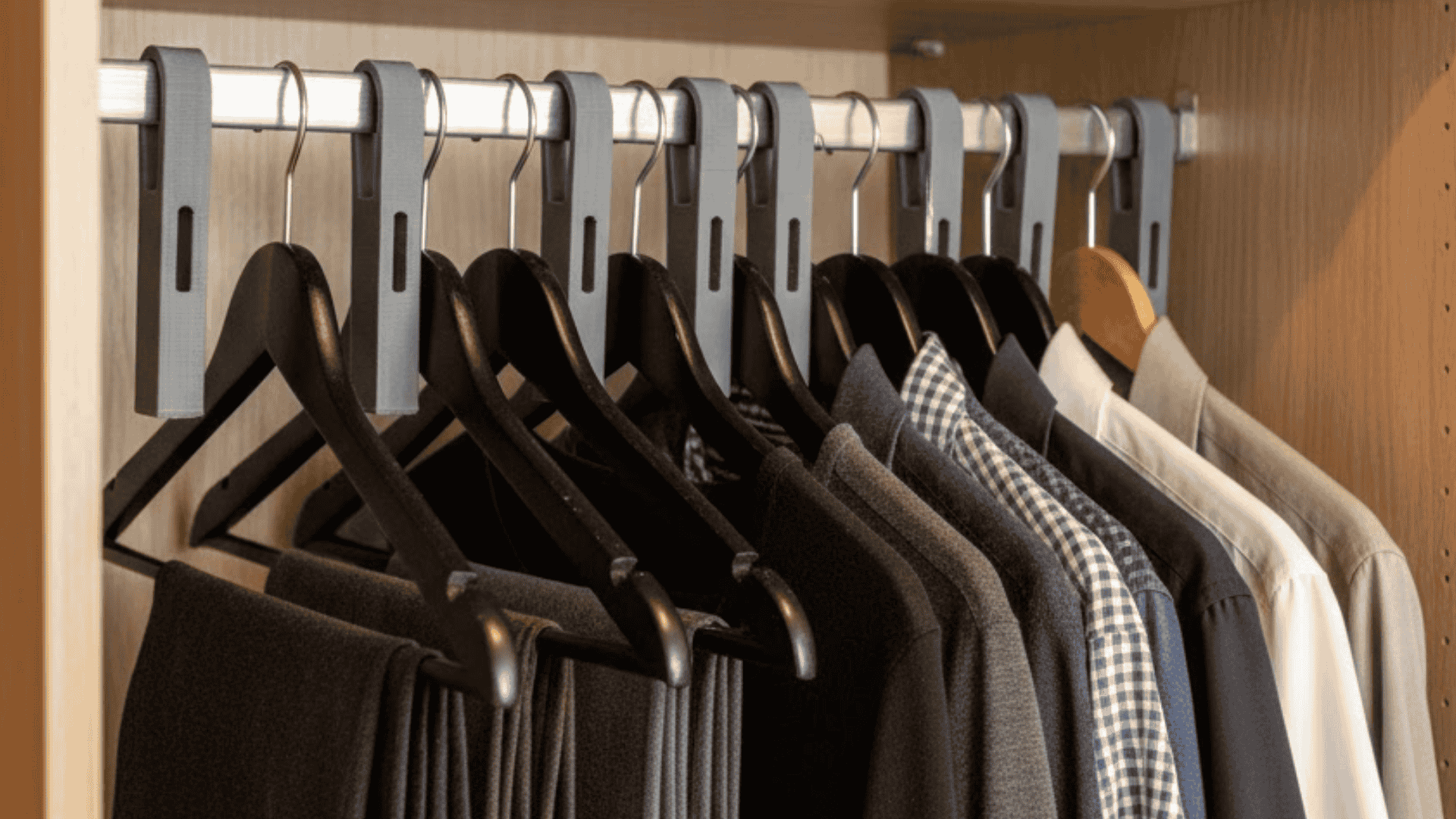
Hanger Spacers for Closets keep clothes evenly spaced without buying special hangers.
Printing them lets you control the thickness, which stops shirts and jackets from crowding together and wrinkling.
They use PLA with 20 percent infill and no supports, making them light yet strong enough to sit between hangers along the rod.
Beginners can print several spacers in about 15 minutes, turning this into a quick project that makes closets look neater.
Post-Printing Tips:
- Print a test spacer first to see how much space looks good on your rod.
- Use bright colors so the spacers are easy to spot while organizing.
Essential Safety Tips to Remember
Staying safe while using a 3D printer is important because the machine can get very hot and run for long hours, so you want to avoid risky situations.
- Keep your printer on a stable surface that will not shake or wobble, as vibration can cause prints to fail and create dangerous situations.
- Make sure your room has fresh airflow, so fumes do not build up, and always choose low-emission materials when you are learning to print safely.
- Wear simple safety gear, like glasses and gloves, when handling recently printed parts, as they can stay hot longer than many beginners expect.
- Follow the safety steps in your printer manual and never remove guards or open parts that are not meant to be opened during regular printing use.
- Check wires and parts every few days so you catch loose pieces early and stop problems that might cause strange smells or unsafe heat.
Conclusion
3D printing feels powerful because it lets you create things that fit your life perfectly, whether you need a cable organizer or a cute home decor item that matches your style.
Once you understand the settings and basic skills, you can turn simple ideas into real objects that look good, work well, and help your home feel more organized.
The best part is that every project teaches something new, which helps you try even cooler prints that feel more personal and useful for your everyday routine.
3D printing becomes easier with each experiment, giving you the freedom to design small tools or fun items that make your space feel more creative.
What is the first thing you want to try printing for your home, maybe something fun or something useful?
Tell us and share with us in the comments below.