Medication routines often involve strict schedules, multiple prescriptions, and little room for error.
As care needs grow, managing doses accurately and on time becomes increasingly demanding in both personal and professional settings.
A Medication Dispensing System is commonly adopted across homes, pharmacies, hospitals, and clinical environments to support structured medication handling and reduce manual dependency.
This blog focuses on the different types of dispensing systems available, highlighting where each is typically used.
It outlines the key benefits of automated dispensing and highlights important features and technical specifications.
Not only this, it also compares systems based on automation level, safety controls, monitoring capabilities, and cost considerations.
The coverage is designed to help readers evaluate available options and identify a solution that aligns with specific medication management requirements.
What Is a Medication Dispensing System?
Medication handling requires precise timing, accurate dosage control, and consistent organization.
Automated dispensing solutions support these needs through preset schedules, controlled release mechanisms, and reminder alerts.
Medications are stored in designated compartments and dispensed only at scheduled times, helping reduce missed doses and manual errors.
In home settings, these systems are often referred to as an auto pill dispenser, designed for daily routines and simple operation.
In professional environments, advanced systems support higher volumes, secure access, and activity tracking, ensuring reliability across care settings.
These systems support structured medication routines with minimal manual effort.
Types of Medication Dispensing Systems
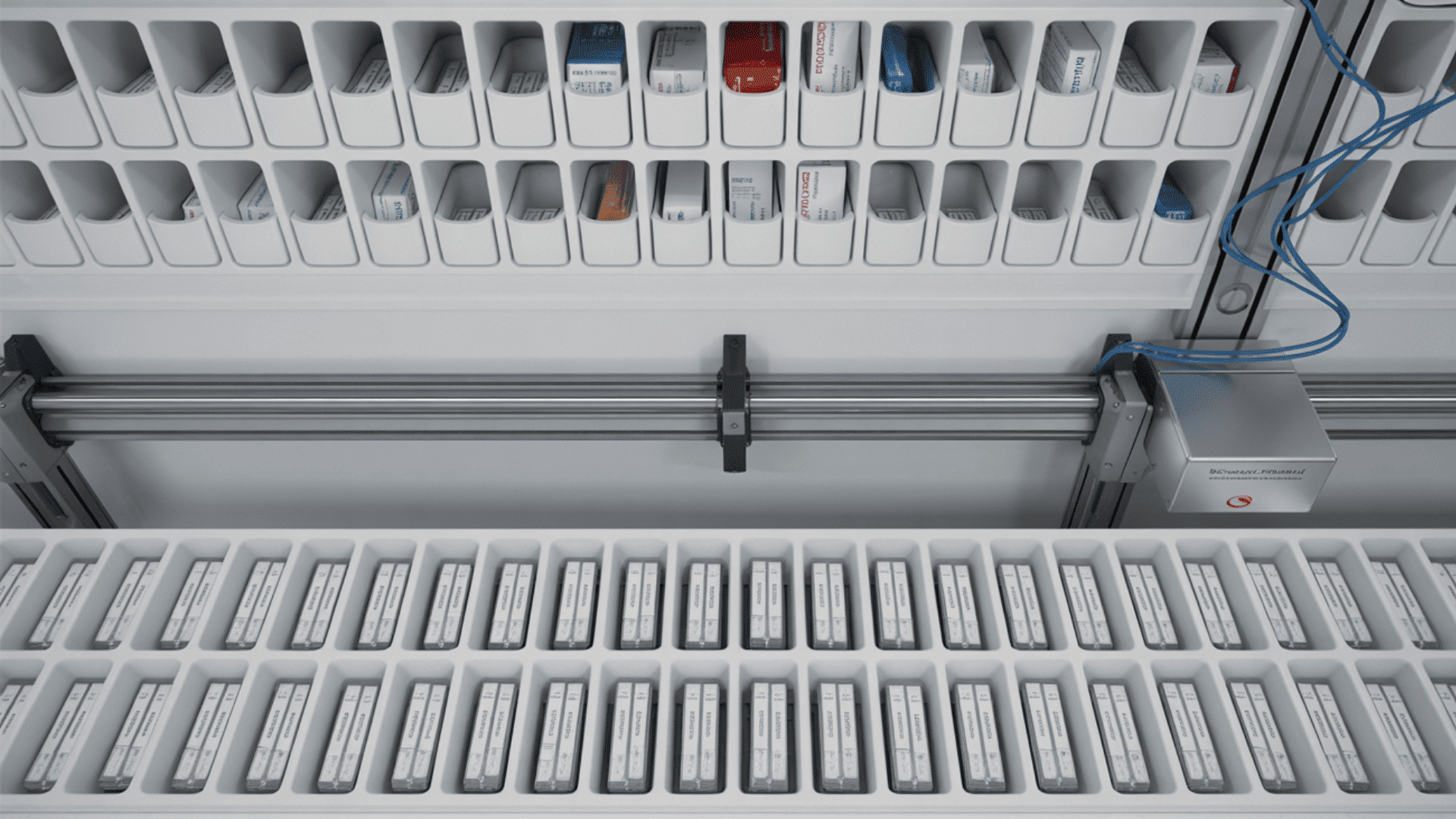
These dispensing systems are designed to meet different operational needs depending on where and how they are used. The level of automation, capacity, security, and monitoring varies across usage environments.
1. Home Medication Dispensing Systems
Home medication dispensing systems are intended for personal use or caregiver-supported routines where simplicity and consistency are essential.
These systems manage daily or weekly medication schedules and dispense doses at preset times.
Visual or audible reminders support adherence, while locked compartments help prevent early access or missed doses.
Most models prioritize ease of setup, compact design, and minimal maintenance, making them suitable for long-term medication routines that require accurate timing without continuous supervision.
2. Pharmacy Medication Dispensing Systems
Pharmacy dispensing systems are built to handle high prescription volumes while maintaining accuracy and efficiency.
These systems automate counting, sorting, labeling, and packaging to reduce manual handling errors.
Integration with pharmacy management software enables direct prescription processing, supported by barcode verification and inventory tracking.
Such systems help maintain consistent dispensing output and faster turnaround times in retail and institutional pharmacy settings.
3. Hospital and Clinical Dispensing Systems
Hospital and clinical dispensing systems are used in controlled care environments where security and accountability are critical.
These systems often include secured cabinets with user authentication and detailed activity logs.
Medications are tracked by user, time, and dosage to support auditing and compliance needs.
Integration with electronic health records helps align dispensing activity with patient treatment plans across inpatient and clinical care settings.
They also support controlled substance management, reduce unauthorized access, and help standardize medication workflows.
These systems are widely used in settings requiring strict oversight.
Popular Medication Dispensing Products
This section highlights commonly used medication dispensing products across home, pharmacy, and clinical settings. Each example reflects typical features, capacity, and usage scenarios rather than rankings.
1. Hero Automatic Pill Dispenser
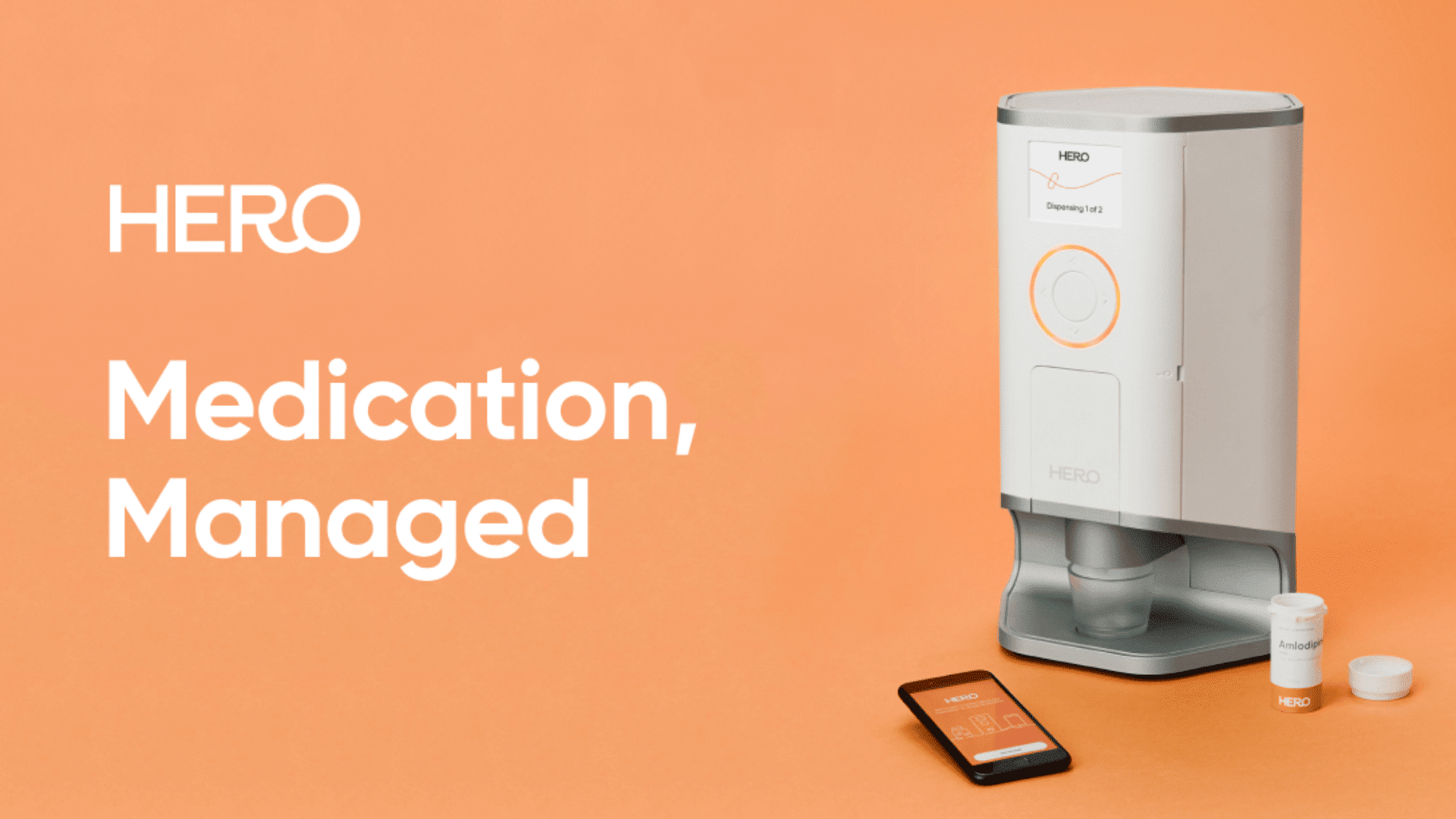
The Hero Automatic Pill Dispenser is designed for home use and supports individuals managing multiple daily medications.
It stores and dispenses pills based on scheduled times, reducing missed or incorrect doses.
The system includes built-in alerts and mobile app connectivity, allowing caregivers to receive notifications and monitor adherence remotely.
Its compact design and automated refilling reminders make it suitable for long-term medication routines that require consistent timing with minimal manual handling.
2. MedaCube Automatic Medication Dispenser
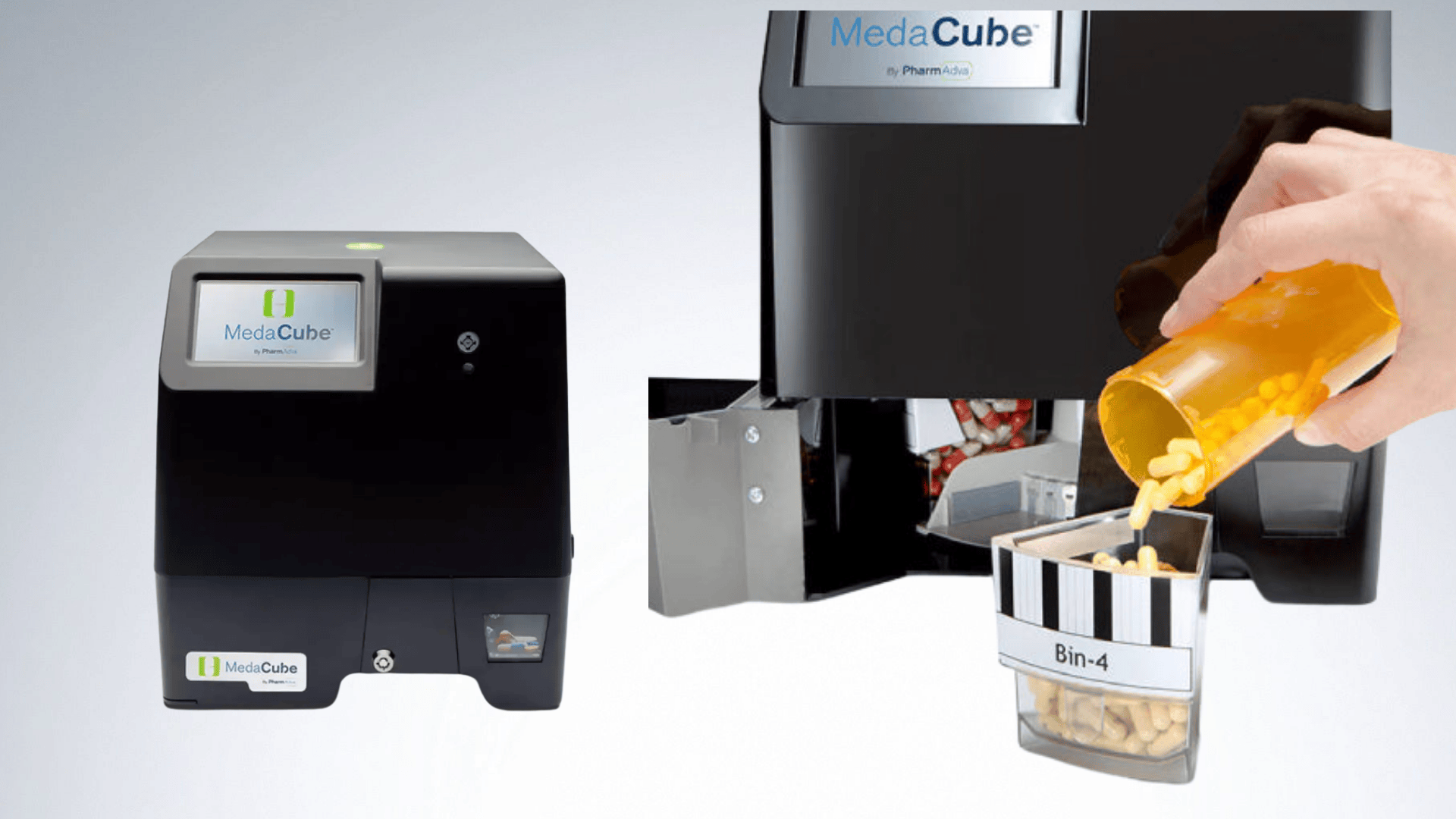
MedaCube is a high-capacity home medication dispenser built for complex dosing schedules.
It allows users to store a large quantity of medications in separate compartments and dispenses them only at scheduled times.
The system includes a touchscreen interface, visual alerts, and locking mechanisms to prevent early access.
MedaCube is often selected when multiple prescriptions must be managed over longer periods without frequent refilling or constant supervision.
3. LiveFine Automatic Pill Dispenser
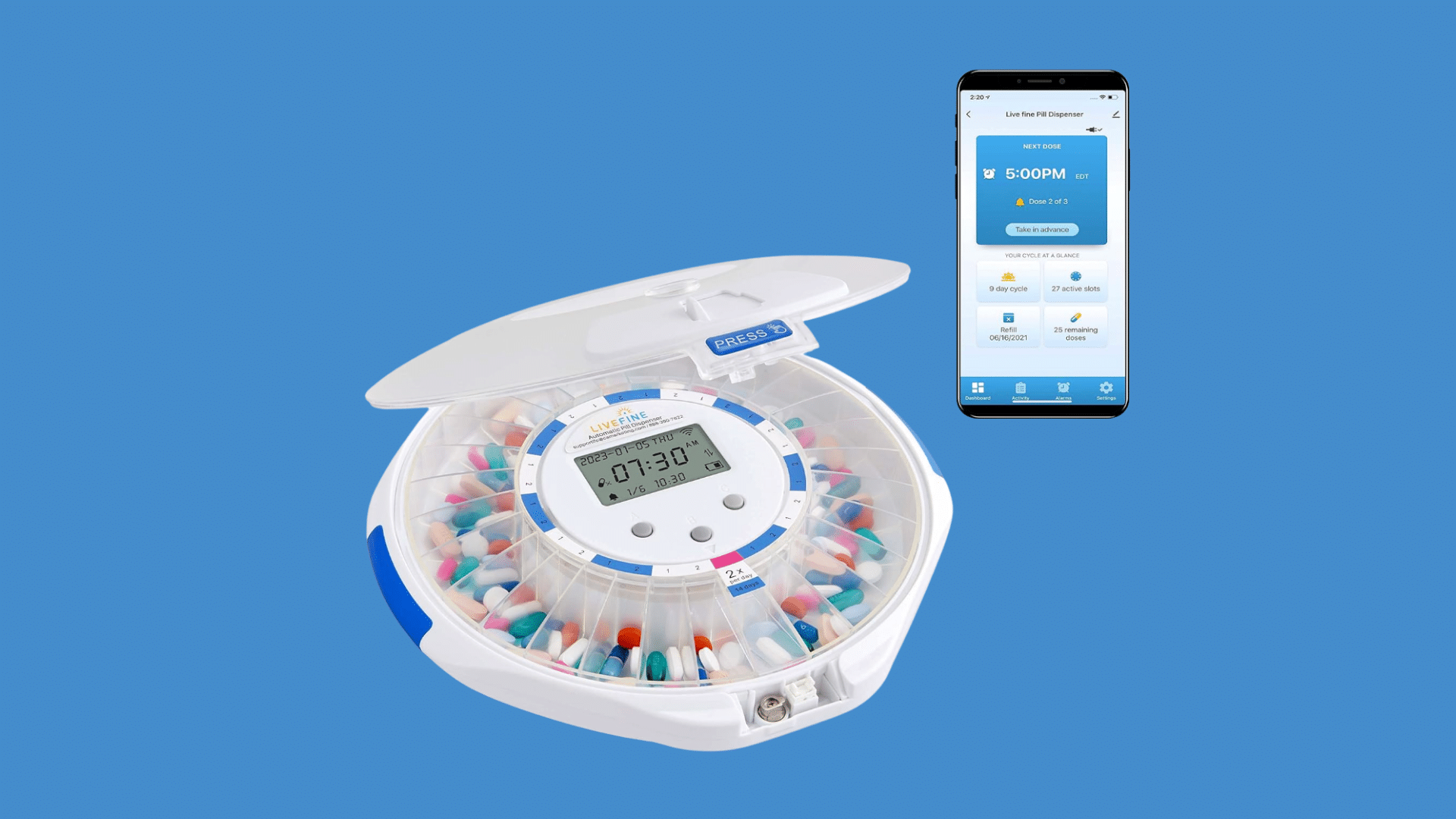
The LiveFine Automatic Pill Dispenser is a compact solution designed for straightforward medication routines.
It uses a rotating tray with prefilled compartments and provides audible and visual reminders when doses are due.
The system is simple to program and does not require connectivity, making it suitable for users who prefer basic functionality.
It is commonly used for daily or weekly medication schedules that do not require advanced monitoring or caregiver access.
4. Omnicell XT Automated Dispensing Cabinet
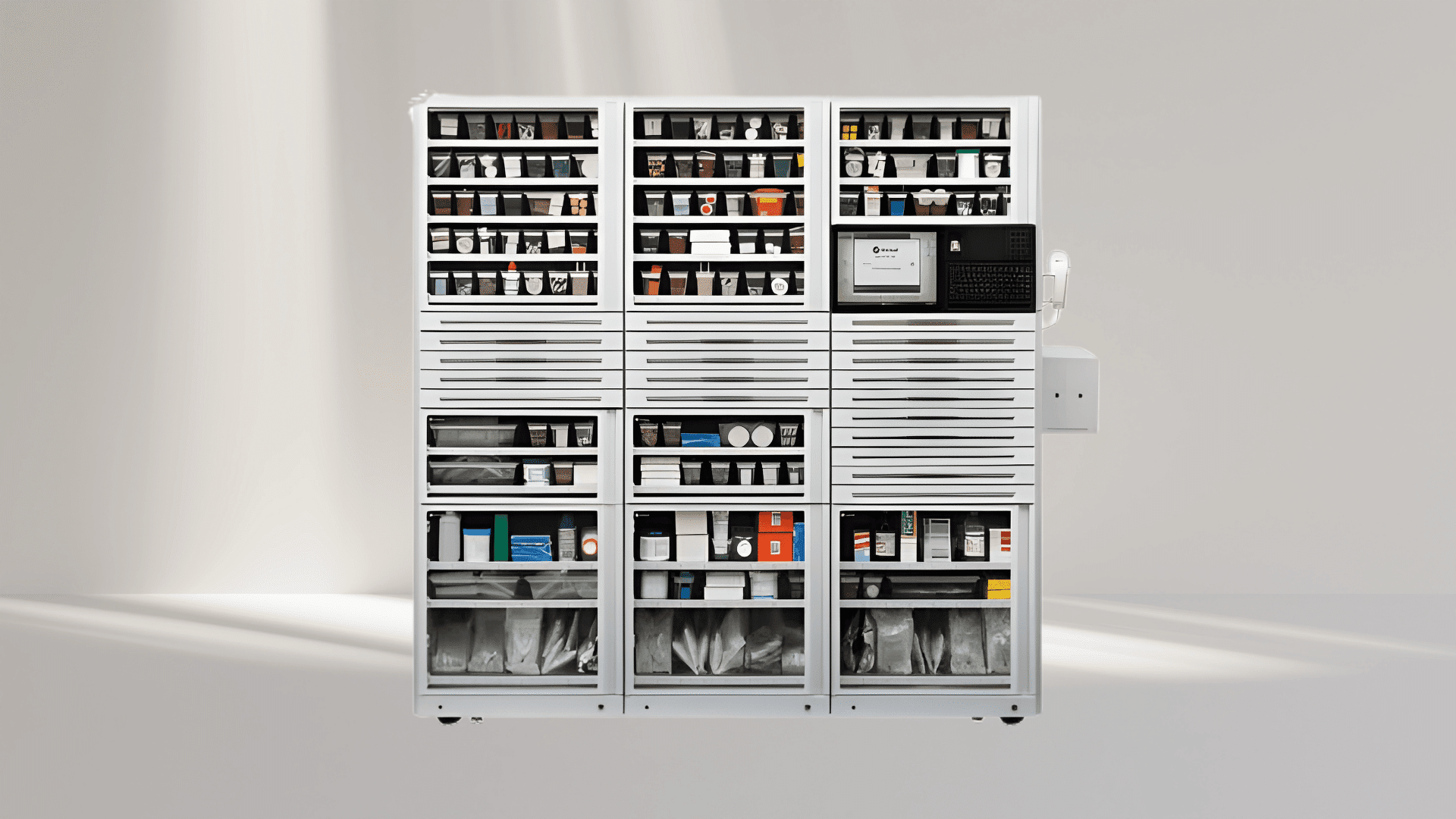
The Omnicell XT Automated Dispensing Cabinet is used in hospital and clinical environments where secure medication management is required.
It provides controlled access through user authentication and tracks dispensing activity in real time.
The system integrates with electronic health records to align dispensing with medication orders.
Omnicell XT supports inventory management, audit reporting, and controlled substance handling, making it suitable for inpatient units, emergency departments, and high-acuity care areas.
5. BD Pyxis MedFlex System
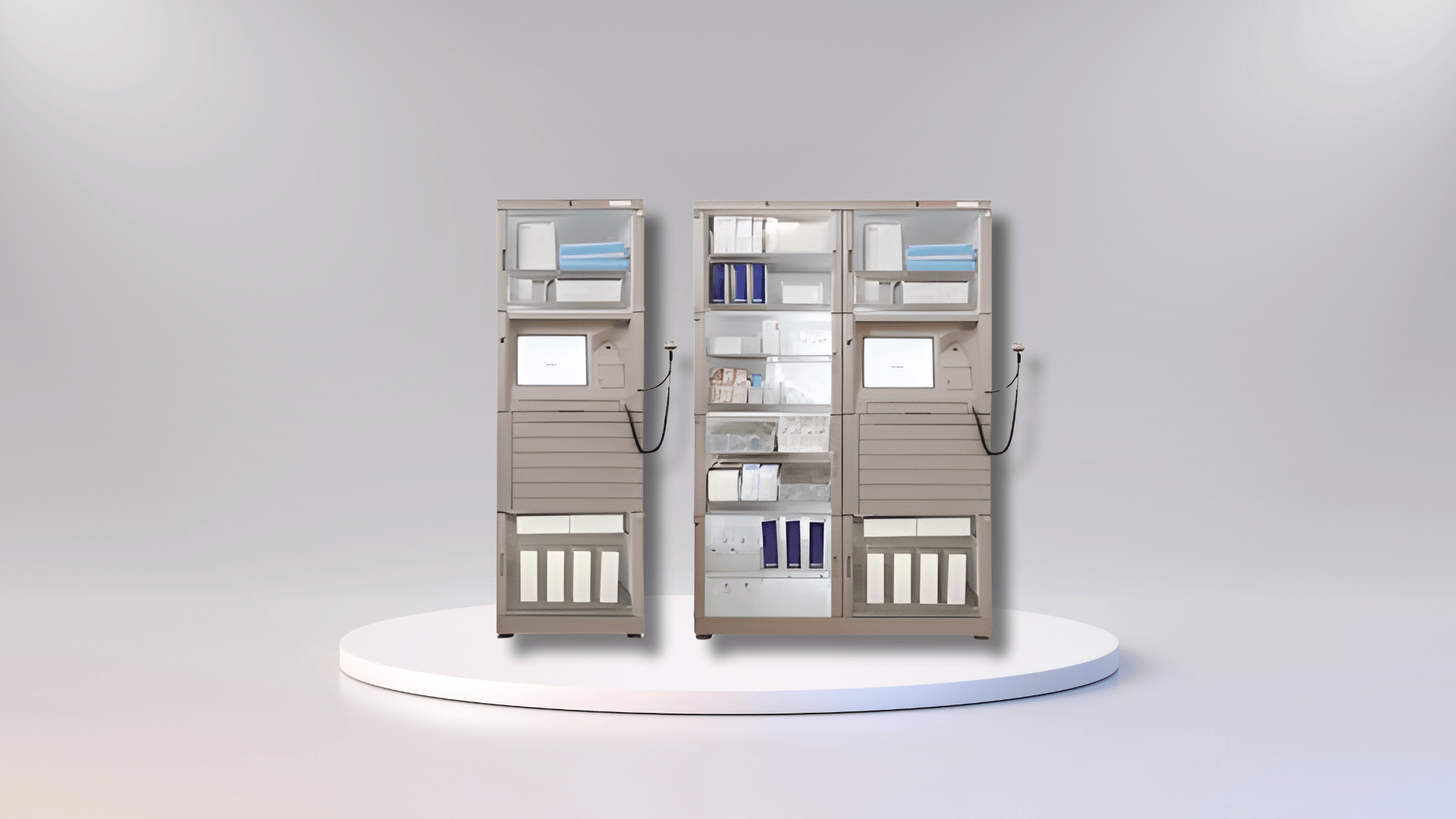
The BD Pyxis MedFlex System is an automated dispensing solution designed for hospitals, outpatient clinics, and specialty care settings.
It offers flexible drawer configurations, secure access controls, and detailed tracking of medication and supply usage.
The system supports workflow efficiency by reducing manual inventory checks and improving accountability.
Integration with hospital information systems allows accurate documentation and reporting, supporting compliance, safety, and consistent medication distribution across care environments
Benefits of Using a Medication Dispensing System
Medication dispensing systems offer practical advantages that support accuracy, safety, and consistency across different care settings. These benefits apply to both personal medication routines and professional healthcare environments.
- Improved medication adherence: Supports timely and consistent dosing, especially for multi-dose routines.
- Enhanced safety controls: Restrict unauthorized access through locking mechanisms or user authentication.
- Reduced medication errors: Limits manual handling and minimizes the risk of incorrect dosage or timing.
- Better monitoring and oversight: Tracks dispensing activity to support review, accountability, and reporting.
- Operational time savings: Reduces workload for caregivers and healthcare staff by automating routine tasks.
- Lower caregiver burden: Decreases the need for constant supervision and manual reminders.
- Consistent documentation: Maintains clear dispensing records for review and compliance needs.
- Support for complex schedules: Helps manage multiple medications with different timing requirements.
Key Features and Specifications
Selecting a medication dispensing system often depends on how well its technical specifications align with daily usage needs.
Key specifications help compare performance, safety, and reliability across different systems
- Medication capacity and compartment design for single or multiple doses
- Scheduling accuracy and flexibility for complex dosing routines
- Alert mechanisms, including audible, visual, or mobile notifications
- Security features such as locking systems and user access controls
- Connectivity options for monitoring, reporting, or caregiver access
- Power source, battery backup, and system reliability during outages
These specifications form the basis for evaluating how well a system fits specific medication management requirements.
Comparison of Medication Dispensing Systems
Medication dispensing systems differ in functionality, scale, and intended use. The table below highlights key comparison points across common system categories.
| Comparison Factor | Home-Use Systems | Pharmacy Systems | Hospital & Clinical Systems |
|---|---|---|---|
| Intended use | Personal or caregiver routines | Prescription dispensing | Clinical medication management |
| Dispensing capacity | Low to moderate | High | High |
| Automation level | Basic to moderate | High | High |
| Monitoring and tracking | Basic alerts | Inventory tracking | Full audit logs |
| Security controls | Basic locking | Controlled access | Advanced authentication |
Tips for Choosing the Right Medication Dispensing System
Choosing a medication dispensing system works best when based on daily usage and care needs. The following tips help narrow options without overcomplicating the selection process.
- Assess medication volume and schedules: Consider how many medications are taken daily and how often doses are required.
- Prioritize ease of use: Match system complexity with user ability, mobility, and comfort with technology.
- Check security requirements: Identify whether basic locking or advanced access control is necessary.
- Review monitoring needs: Decide if alerts, usage logs, or caregiver oversight are required.
- Plan for long-term costs: Factor in purchase price, support services, and maintenance needs.
- Medication compatibility: Ensure the system supports pill sizes, quantities, and special dosing needs.
- Set up and refills: Check how often refilling is required and how complex the setup may be.
Conclusion
Medication routines often involve strict schedules, multiple prescriptions, and the need for consistent oversight.
Choosing the right solution requires more than looking at features alone.
Understanding system types, benefits, specifications, and comparison factors helps clarify how different options support accuracy, safety, and long-term usability.
A Medication Dispensing System can support structured routines across home care, pharmacy operations, and clinical environments when selected based on real usage needs.
Reviewing automation level, access controls, and ongoing support also helps align system performance with care goals and operational demands.
Each setting presents different priorities, making informed evaluation essential before selection.
Which factors matter most when comparing dispensing systems for specific care needs?
Share thoughts or experiences in the comments to help others make informed decisions.
Frequently Asked Questions
What Are some Examples of Dispensing Errors?
Wrong medication, incorrect dosage, wrong patient, incorrect labeling, and dispensing medication at the wrong time are common dispensing errors in healthcare and pharmacy settings.
Is Omnicell or Pyxis Better?
Dispensing errors are commonly caused by human error, poor system design or workflow, and communication gaps between prescribers, pharmacists, and healthcare staff.
What Are the Three Causes of Dispensing Errors?
Neither is universally better; Omnicell emphasizes analytics and interoperability, while Pyxis focuses on reliability and hospital integration. The better choice depends on facility needs.