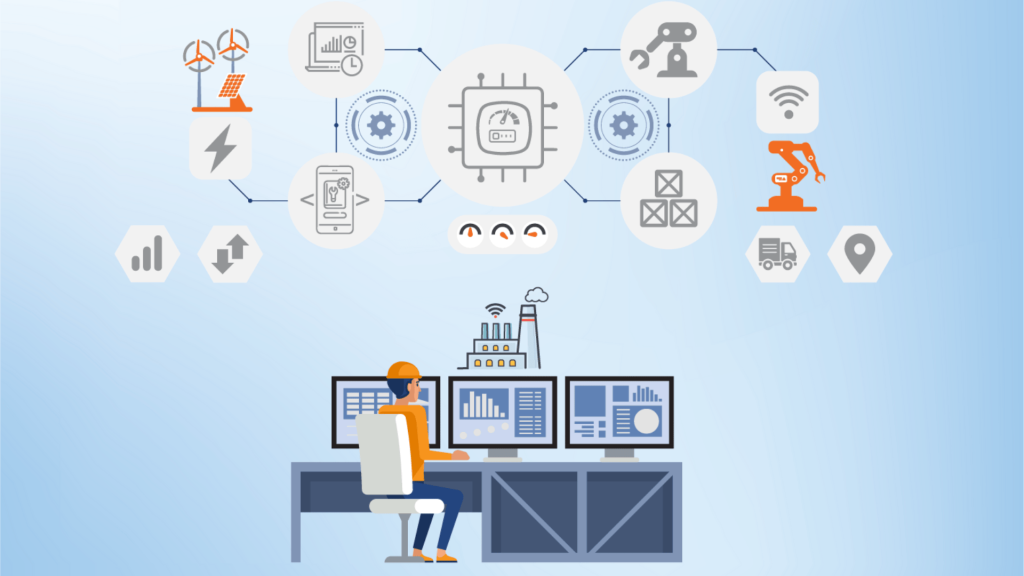
Connected devices are everywhere today, from smart homes to factory systems, and they all rely on one thing to work smoothly: strong software.
That is where IoT software development plays a key role. It helps businesses connect devices, collect data, and turn that data into useful actions.
For many teams, the biggest challenge is knowing where to start and how everything fits together.
This is why understanding the IoT development process matters.
From planning and system design to testing and long-term support, each step shapes how reliable and secure the final solution will be.
In this guide, I explain how it works, the steps involved, and what to look for when working with an IoT development company.
What is IoT Software Development?
It refers to the process of creating software that allows connected devices to collect, share, and act on data.
It connects hardware like sensors and devices with cloud systems, data storage, and user-facing apps. The goal is to help devices communicate clearly and work together in real time.
Unlike traditional software, IoT software development must handle constant data flow, device management, and system updates across many locations.
It also focuses strongly on security, performance, and scalability.
A well-built solution ensures devices run smoothly, data stays accurate, and users can monitor or control systems with ease.
This makes IoT software a core part of modern connected solutions across many industries.
Why Businesses Invest in IoT Software Development?
Businesses adopt this to improve efficiency, manage data better, reduce costs, and support long-term system growth across different industries.
1. Operational efficiency: IoT software helps businesses track systems in real time, reduce manual work, and improve daily operations through automation.
2. Better data use: Connected devices collect large amounts of data, and IoT software turns this data into clear insights that support faster decisions.
3. Cost control: Early issue detection and remote monitoring help reduce downtime, maintenance costs, and unexpected system failures.
4. Improved customer experience: Businesses can offer smarter products, real-time updates, and better service using connected solutions.
5. Scalability and growth: It allows systems to expand easily as device numbers and business needs increase.
6. Industry adaptability: IoT solutions support healthcare, manufacturing, logistics, and other sectors with flexible system design.
IoT Development Process: Step-by-Step Guide
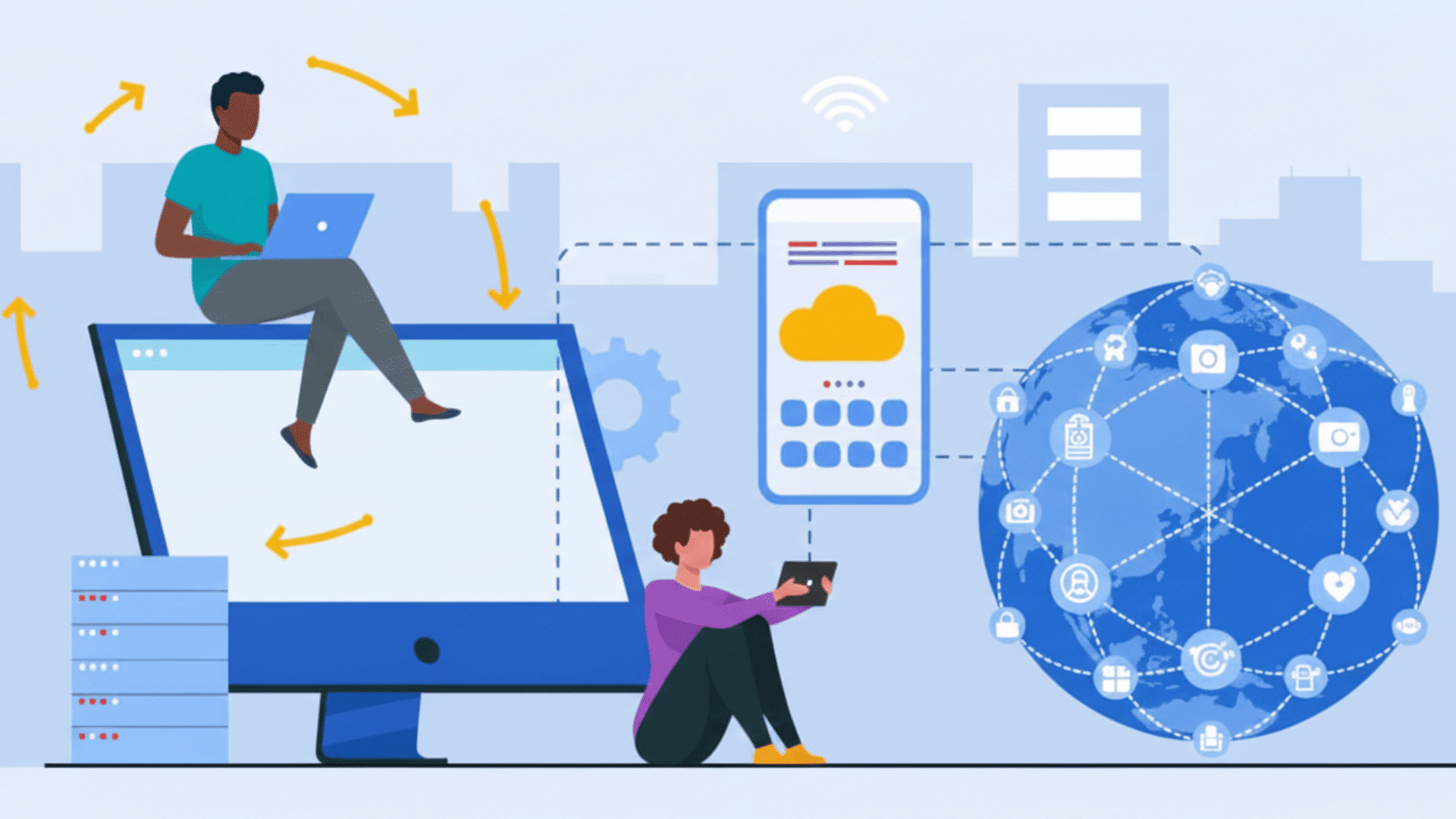
This section explains each stage of the IoT development process, showing how planning, design, development, testing, and maintenance work together to build reliable IoT solutions.
1. Requirement Analysis and Planning
This step focuses on understanding business goals and defining how the IoT solution should work. Teams identify use cases, target users, device needs, and data requirements.
They also decide success metrics, budget limits, and timelines. Clear planning helps avoid confusion later and ensures the solution solves real problems.
A strong foundation at this stage supports smoother development and better alignment between business needs and technical execution.
2. Architecture and System Design
In this stage, teams design how devices, networks, cloud systems, and applications connect.
Decisions include device types, communication methods, data flow, and security layers. Choosing between cloud-based or edge-based processing also happens here.
A clear system design helps ensure reliable performance, easy scaling, and secure data handling. This step shapes how well the IoT solution functions under real-world conditions.
3. Development and Integration
This phase involves building the core software components. Developers create device-level code, backend services, and user interfaces such as dashboards or mobile apps.
Integration ensures all parts communicate smoothly, including third-party systems when needed. The goal is to make data flow consistently from devices to applications.
Proper coordination during development helps reduce errors and supports stable system performance.
4. Testing and Quality Assurance
Testing checks if the IoT solution works as expected in real conditions. This includes device testing, data accuracy checks, performance validation, and security reviews.
Teams also test how the system handles failures or network issues.
Quality assurance helps identify issues early and ensures reliability before launch. A well-tested system reduces future maintenance effort and improves user trust in the solution.
5. Deployment and Ongoing Maintenance
After testing, the solution is released into a live environment.
Deployment includes setting up monitoring tools, managing devices, and tracking system performance.
Ongoing maintenance ensures updates, security patches, and system improvements continue over time.
This step is critical for long-term success, as IoT systems must stay reliable while supporting growing device networks and changing business needs.
Technologies and Tools Used in IoT Software Development
This section highlights the key technologies and tools used in it to support device connectivity, data processing, system control, and long-term scalability.
| Technology Area | Common Tools and Platforms | Purpose |
|---|---|---|
| Cloud Platforms | AWS IoT, Azure IoT Hub, Google Cloud IoT | Manage device data, processing, storage, and system scalability |
| Communication Protocols | MQTT, HTTP, CoAP | Enable secure and reliable data transfer between devices and servers |
| Programming Languages | Python, C/C++, Java, JavaScript | Develop device firmware, backend services, and user applications |
| Data Storage & Analytics | SQL databases, NoSQL databases, and real-time analytics tools | Store, process, and analyze data generated by connected devices |
| Device Management Tools | Device monitoring platforms, OTA update tools | Track device health, manage updates, and maintain system stability |
| Security Tools | Encryption tools, authentication systems, and access control frameworks | Protect data, devices, and communication channels from security risks |
Best Practices for Successful IoT Software Development
Following proven practices helps teams build secure, scalable, and reliable IoT systems that perform well, adapt to growth, and support long-term business goals.
-
Security at every stage: Build security into planning, design, development, and testing to protect devices, data, and system access from risks.
-
Scalable system design: Use a flexible architecture that allows the system to support more devices, users, and data without performance issues.
-
Reliable data handling: Ensure accurate data collection, safe storage, and smooth data flow between devices, cloud systems, and user applications.
-
Ongoing updates and testing: Maintain system stability through regular updates, performance checks, clear documentation, and consistent testing standards.
Applying these practices reduces system failures, improves performance, and ensures It remains reliable, secure, and ready to support changing business needs.
How to Choose the Right IoT Development Company?
Selecting the right IoT development company helps ensure your solution matches business goals, integrates smoothly with existing systems, and supports long-term growth.
1. Business-focused approach: Select a company that understands your goals and aligns the IoT solution with real operational or customer needs.
2. Integration capability: The partner should connect IoT software with existing systems such as ERP, CRM, or data platforms.
3. Customization flexibility: Look for a team that adapts solutions to your specific use case instead of using rigid, fixed models.
4. Project transparency: Choose a company that provides clear timelines, progress updates, and measurable delivery milestones.
5. Long-term collaboration mindset: A reliable partner supports future updates, system changes, and ongoing performance improvements.
Common Challenges in IoT Software Development
Understanding common challenges in IoT software development helps teams plan better, reduce risks, and build systems that perform reliably as device networks grow.
- Device compatibility: Different devices and firmware versions may not work smoothly together.
- Large data volumes: Managing and processing constant data flow can strain systems.
- Unstable connectivity: Network issues can disrupt data transfer and system response.
- Scaling performance: System performance can drop as more devices connect.
- Continuous maintenance: Devices and software require regular updates and monitoring.
Addressing these challenges early supports smoother operations, stronger system stability, and long-term success for businesses using these solutions.
Conclusion
IoT software development requires careful planning, clear execution, and the right technical support to deliver real value.
When each stage of the IoT development process is handled properly, businesses gain better system control, improved data use, and dependable long-term performance.
From choosing the right tools to working with an experienced development company, every decision affects how well the solution performs over time.
For businesses planning to build or scale connected systems, taking a structured and informed approach makes a clear difference.
If you are considering it, now is the right time to evaluate your goals and next steps.
Share your thoughts, questions, or experiences in the comment section, or reach out to a trusted IoT development partner to move forward with confidence.