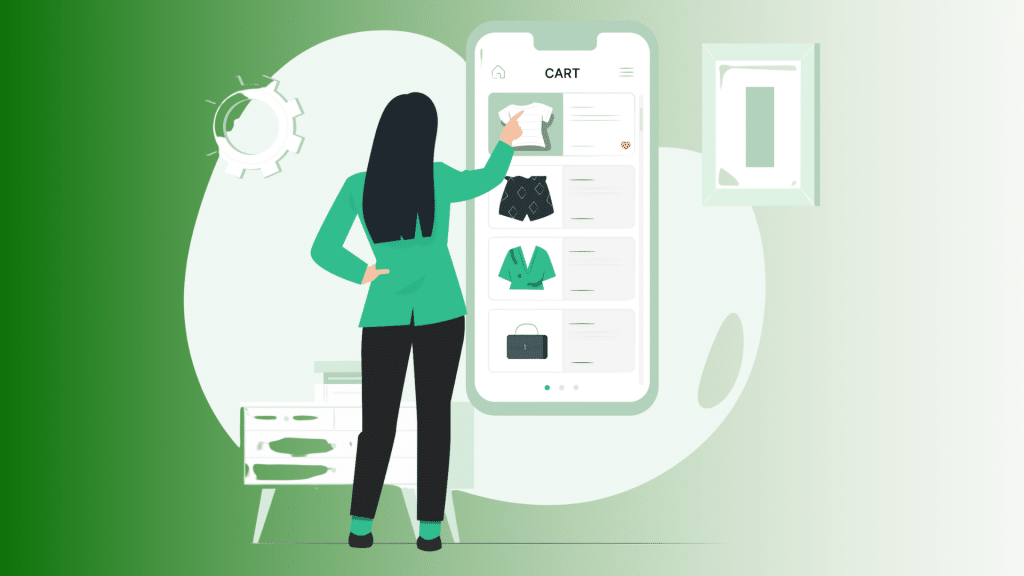
I see e-commerce app development as more than just building a shopping app. It is about creating a smooth, reliable way for people to browse, choose, and buy products from their phones.
Today, mobile shopping keeps growing, and businesses need apps that are fast, simple, and easy to use. In this guide, I walk through how online commercial app development works from start to finish.
I explain the key features every app needs, the benefits of having an e-commerce app, and the latest trends shaping mobile commerce. I also break down the whole development process step by step, so it feels clear and manageable.
The goal is to help you understand what it really takes to build a successful e-commerce app that meets user needs and supports long-term business growth.
What Is E-Commerce App Development?
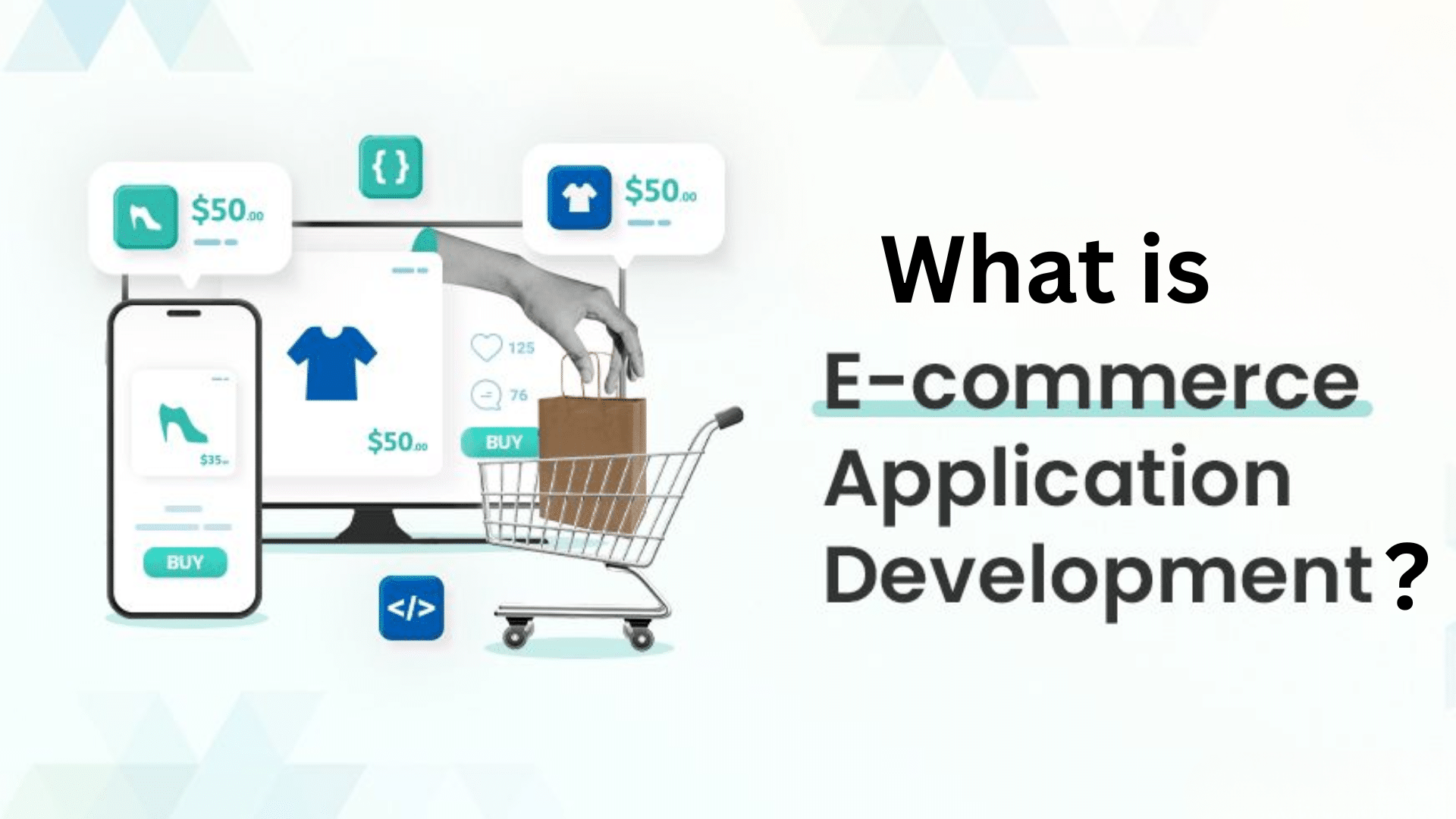
E-commerce app development is the process of creating a mobile app that allows people to buy and sell products or services online.
I see it as building a digital store that fits right into a user’s phone.
These apps handle everything from product browsing to secure payments and order tracking. Unlike E-commerce websites, apps are designed for speed, ease, and repeated use.
They often load faster and feel more personal.
E-commerce apps can support different business models, such as single-brand stores, online marketplaces, or business-to-business sales.
When done right, ecommerce app development helps businesses offer a smoother shopping experience, reach more users, and build stronger customer relationships through mobile.
Types of E-Commerce Apps You Can Build
I see different types of e-commerce apps designed to match business goals and user needs. Choosing the right type helps shape features, performance, and long-term growth.
1. Native E-Commerce Apps
I see native ecommerce apps as the best option for strong performance and a smooth user experience.
These apps are built specifically for one platform, such as Android or iOS, which helps them run faster and feel more responsive.
Native apps support features like push notifications, secure payments, and device tools with ease.
This makes them ideal for businesses that want a reliable, high-quality app with long-term growth in mind.
2. Hybrid E-Commerce Apps
I find hybrid ecommerce apps useful for businesses that want to launch faster and manage costs. These apps use a single codebase to work across multiple platforms.
While they may not match native apps in speed, they still offer a decent shopping experience.
Hybrid apps are easier to update and maintain, making them a good choice for startups or businesses testing a new ecommerce idea.
3. Progressive Web Apps (PWA)
I like progressive web apps because they offer flexibility without requiring app store downloads. PWAs work through a browser but feel like a mobile app.
Users can save them to their home screen and access them quickly.
These apps load fast and perform well even on slow internet connections, which helps reach users in areas with limited network speed.
4. Marketplace Apps vs Single-Store Apps
I see marketplace apps and single-store apps serving different business needs.
Marketplace apps allow multiple sellers to list products in one app, which requires more features and management tools.
Single-store apps focus on one brand and are easier to manage. The choice depends on whether you want to support many sellers or promote a single business.
Advanced E-Commerce App Features
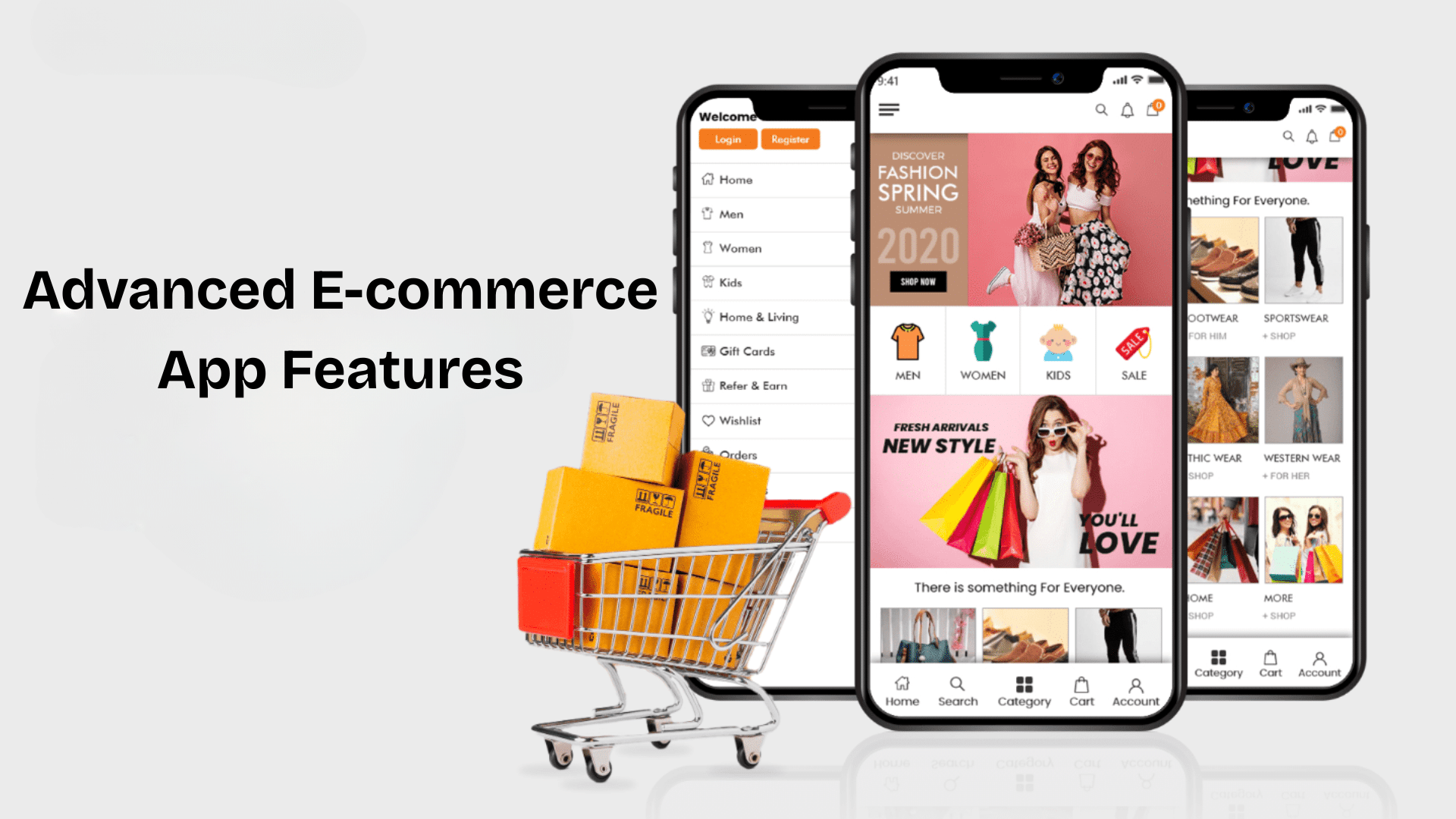
These features help ecommerce apps feel more helpful and easier to use. They improve engagement, support smarter shopping, and increase user trust.
1. AI-Based Product Suggestions
I see AI-based product suggestions helping users find products that match their interests. This feature uses browsing history, past purchases, and search behavior to show relevant items.
When users see products they like, they stay longer in the app and add more items to their cart.
Over time, this improves user satisfaction, boosts sales, and makes the shopping experience feel more personal and useful.
2. Voice Search
I find voice search helpful for users who want quick and hands-free shopping.
Instead of typing, users can speak product names or categories to find what they need.
This feature saves time and reduces effort, especially on mobile devices.
Voice search also improves accessibility, helping users with limited typing ability browse products easily and complete purchases faster.
3. Chatbots for Customer Support
I see chatbots improving customer support by providing instant answers to common questions.
They help users track orders, resolve issues, and get product details without waiting.
This feature reduces support workload and improves response time.
When users receive quick help, they feel more confident using the app, which supports higher satisfaction and fewer abandoned purchases.
4. AR Product Previews
I like AR product previews because they help users see how products may look in real life.
This feature is useful for items like furniture, decor, or fashion.
When users can view products in their own space, they feel more confident before buying.
This reduces return rates and improves trust in product quality and accuracy.
5. Multiple Language and Currency Support
I see language and currency support helping E-Commerce apps reach more users worldwide.
This feature allows shoppers to view content in their preferred language and pay in their local currency.
It removes confusion during checkout and builds trust.
When users feel comfortable and understood, they are more likely to complete purchases and return again.
Step-by-Step E-Commerce App Development Process
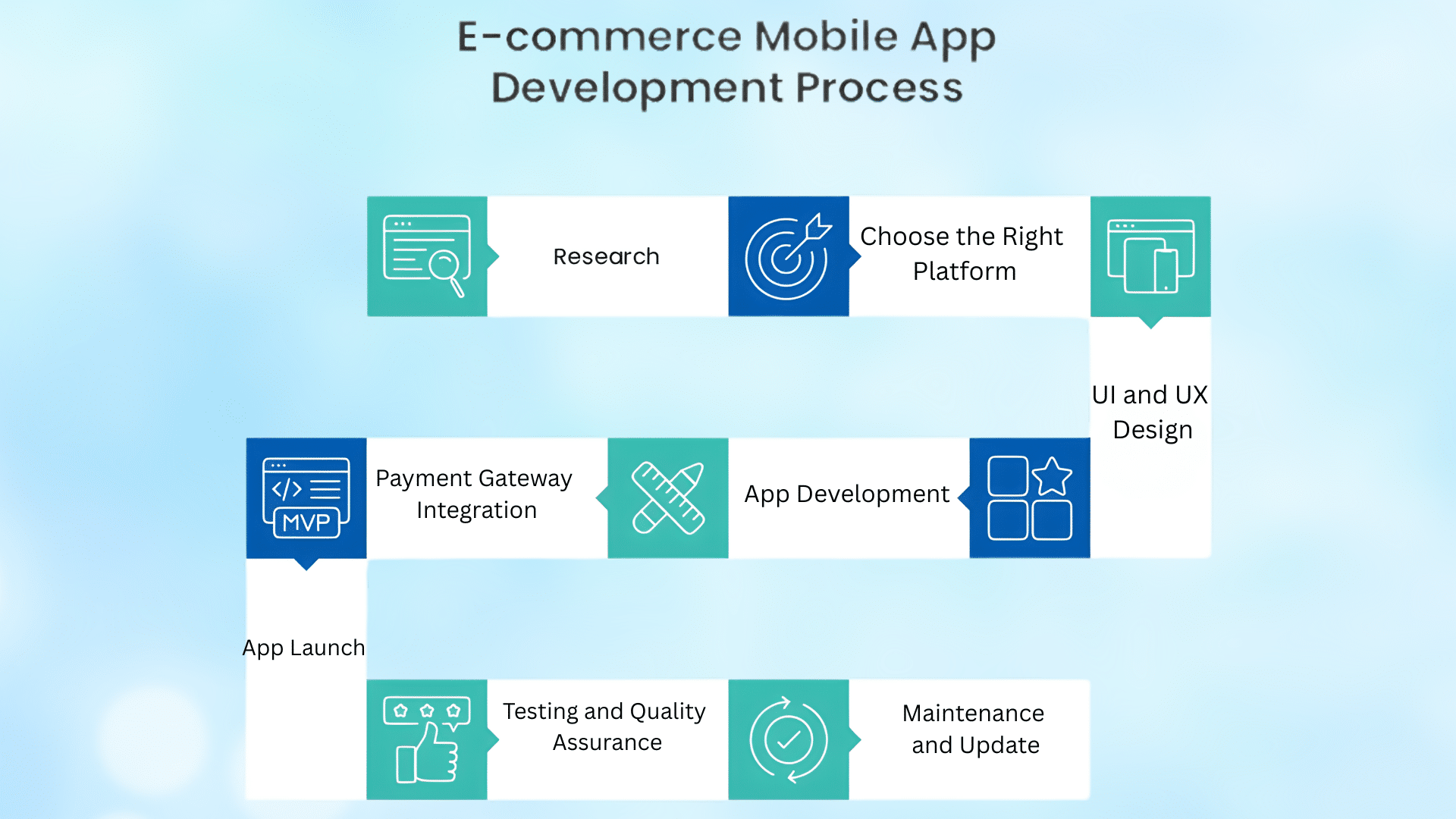
I see E-Commerce app development as a clear process with defined stages. Following each step helps build a stable, user-friendly, and scalable app.
Step 1: Market Research and Planning
I start ecommerce app development by studying the market and understanding user needs. This step helps me identify the target audience, analyze competitors, and define clear business goals.
Good planning helps decide which features are required and which can wait. When research is done properly, it reduces risks, saves time, and prevents costly changes later.
A solid plan creates a strong base for building a successful E-Commerce app.
Step 2: Choose the Right Platform
I see platform selection as a major decision in E-Commerce app development. Choosing between Android, iOS, or cross-platform options affects cost, reach, and performance.
Each platform serves different user groups and business goals.
Selecting the right platform ensures the app reaches the intended audience while keeping development practical. This choice also impacts future updates, maintenance, and overall user experience.
Step 3: UI and UX Design
I focus on UI and UX design to make the E-Commerce app easy to use. Simple navigation, clear layouts, and smooth checkout flows help users shop without confusion.
Good design keeps users engaged and reduces drop-offs. When the app feels easy and comfortable, users are more likely to complete purchases and return.
Strong design improves trust and supports long-term user satisfaction.
Step 4: App Development
I see app development as turning ideas into a working E-Commerce app. This stage includes frontend development for user interaction and backend development for data handling.
APIs connect payments, products, and user accounts.
Clean coding and proper structure help the app run smoothly. A well-built app performs better, handles traffic efficiently, and supports future feature upgrades.
Step 5: Payment Gateway Integration
I consider payment gateway integration essential for secure online transactions. This step adds trusted payment methods like cards and digital wallets.
Secure payment handling protects user data and builds confidence.
When payments work smoothly, users are less likely to abandon carts. Reliable payment integration improves trust and supports higher conversion rates.
Step 6: Testing and Quality Assurance
I rely on testing and quality assurance to ensure the E-Commerce app works properly. This step checks performance, security, and usability across devices.
Finding and fixing bugs before launch prevents negative user experiences.
Proper testing improves stability and reduces crashes. A well-tested app builds trust and delivers a smooth shopping experience.
Step 7: App Launch and Deployment
I see the app launch as a planned step, not something rushed. This stage includes meeting app store rules, preparing listings, and making sure the app is ready for real users.
A smooth launch helps prevent approval delays and reduces the risk of negative reviews. After launch, I monitor performance closely to catch issues early and fix them fast.
Strong deployment builds early user trust, supports stable performance, and helps the E-Commerce app gain positive traction from the start.
Step 8: Maintenance and Updates
I treat maintenance as an ongoing part of ecommerce app development, not a one-time task. Regular updates help fix bugs, improve speed, and refine existing features.
As user needs change, updates keep the app useful and reliable. Ongoing maintenance also improves security and prevents performance issues.
By monitoring user feedback and app behavior, I can make steady improvements that support growth, maintain stability, and keep users satisfied over the long term.
Benefits of E-commerce App Development
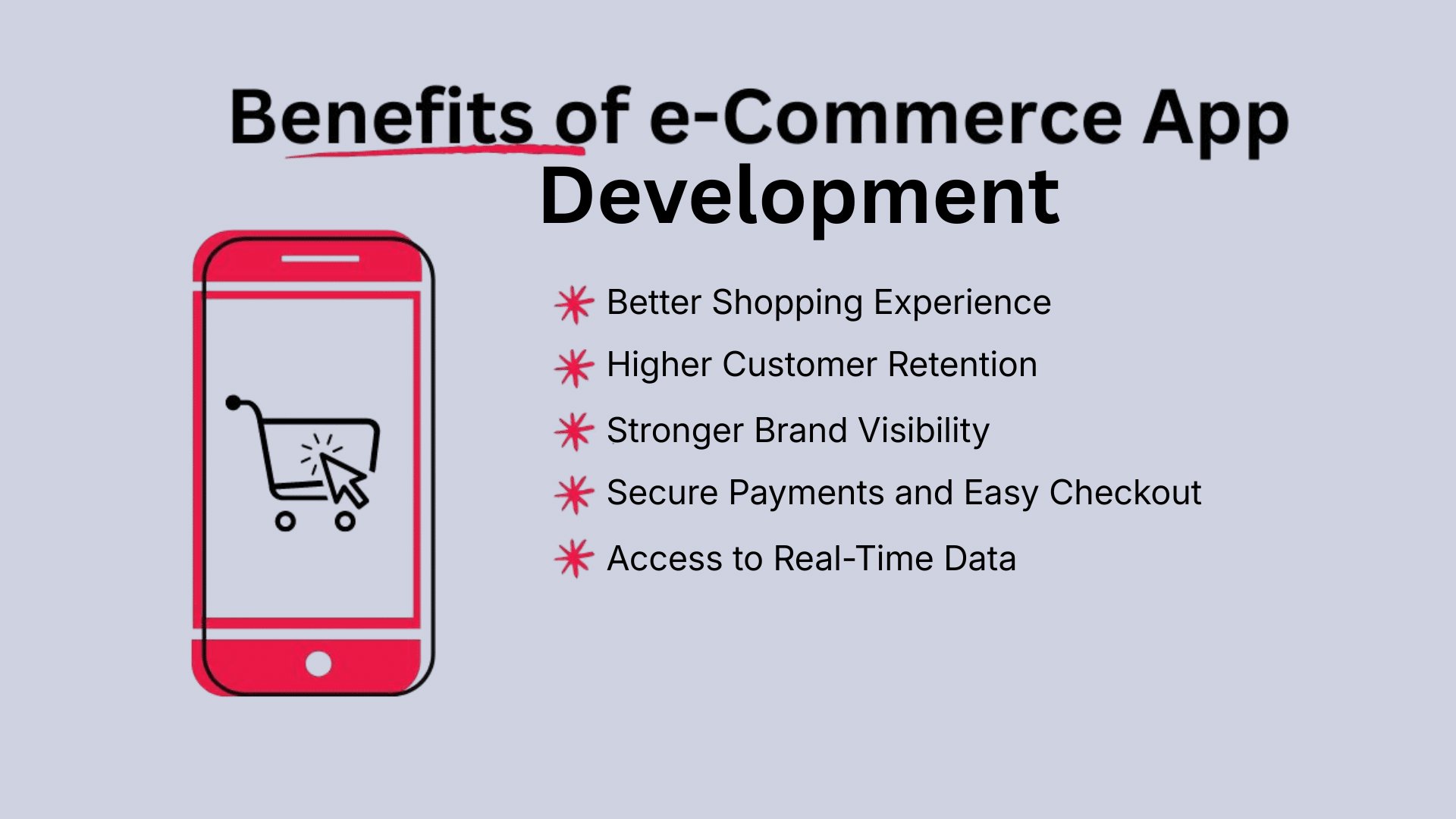
E-Commerce app development is a smart way to improve how customers shop and interact with a brand. These benefits help businesses grow, keep engaged, and improve overall performance.
1. Better Shopping Experience
I see E-Commerce apps making shopping quicker and easier for users. Apps load faster than websites and feel smoother to use on mobile devices.
Features like saved carts, quick search, and simple navigation help users find what they need without effort. When the experience feels easy, people are more likely to finish their purchase and come back again.
This smooth flow plays a big role in keeping customers happy and engaged over time.
2. Higher Customer Retention
From my experience, E-Commerce apps help businesses stay connected with customers. Push notifications allow brands to share deals, order updates, and reminders directly on a user’s phone.
This keeps the app visible and useful even after the first purchase.
When customers feel informed and valued, they tend to return more often. Over time, this leads to repeat sales and stronger relationships with users.
3. Stronger Brand Visibility
I find that E-Commerce apps simply improve brand visibility. Once installed, the app icon stays on the user’s phone, acting as a daily reminder of the brand.
This constant presence helps build familiarity and trust.
Compared to websites, apps feel more personal and direct. That personal connection helps businesses stand out and stay top of mind in a competitive market.
4. Secure Payments and Easy Checkout
I believe secure payments are one of the biggest benefits of E-Commerce app development. Apps support trusted payment methods and protect user data through built-in security features.
A smooth checkout process also reduces friction during purchases.
When users feel safe, and checkout feels quick, fewer carts get abandoned. This improves both customer confidence and overall sales performance.
5. Access to Real-Time Data
I see real-time data as a major advantage of E-Commerce apps. Businesses can track user behavior, popular products, and sales trends in one place.
This data helps improve decisions, plan promotions, and fix issues early.
When businesses understand how users interact with the app, they can make updates that match customer needs and support steady growth.
Latest E-commerce App Development Trends
I see these trends shaping how modern E-Commerce apps are built and used. They focus on speed, personalization, and better mobile shopping experiences.
1. Mobile-First Shopping
I see mobile-first shopping becoming the main focus of E-Commerce app development. Most users now shop from their phones, so apps must load fast and feel smooth on small screens.
Designs focus on simple navigation, quick checkout, and thumb-friendly layouts.
When apps are built for mobile use first, users spend more time browsing and complete purchases more easily, which supports better engagement and higher sales.
2. AI and Machine Learning
I find AI and machine learning helping e-commerce apps feel smarter and more helpful. These tools analyze user behavior to improve product suggestions, search results, and pricing strategies.
AI also helps detect fraud and improve customer support. When apps learn from user actions, they deliver more relevant experiences.
This improves satisfaction, increases conversions, and helps businesses make better data-driven decisions.
3. Headless Commerce
I see headless commerce giving businesses more flexibility in E-Commerce app development. This approach separates the frontend from the backend, making updates faster and easier.
Developers can change the app design without affecting core systems. Headless commerce supports faster performance and smoother integrations.
This trend helps apps scale easily while adapting to new technologies and user expectations.
4. Social Commerce Integration
I notice social commerce growing as apps connect directly with social platforms.
Users can browse products, read reviews, and make purchases without leaving the app.
Social sharing and influencer content also drive traffic. This trend shortens the buying journey and builds trust through social proof.
Integrating social features helps E-Commerce apps reach wider audiences and increase engagement.
5. One-Click Checkout
I see one-click checkout reducing friction during purchases. By saving payment and shipping details, users can complete orders faster.
This trend helps lower cart abandonment and improve user satisfaction. When checkout feels quick and simple, users are more likely to buy again.
One-click checkout supports faster decisions and smoother shopping experiences.
6. Subscription-Based Models
I find subscription-based models growing in e-commerce apps. Users can receive products on a regular schedule without placing repeat orders.
This trend works well for everyday items and digital services. Subscriptions create steady revenue and improve customer retention.
When managed well, they offer convenience for users and predictable growth for businesses.
Common Challenges
E-Commerce app development comes with challenges that can affect user trust and sales if not handled early. Knowing these common issues helps businesses plan better and avoid mistakes.
- Data Security Risks: E-Commerce apps handle sensitive user and payment data. Weak security can lead to data leaks and loss of customer trust.
- Performance and Speed Issues: Slow loading, crashes, or lag frustrate users. Poor performance often leads to app uninstalls and lost sales.
- Payment Failures: Failed or delayed transactions create frustration and increase cart abandonment. These issues often come from poor payment integration.
- Complex Checkout Process: Long checkout steps or hidden fees cause users to leave before buying. A simple checkout flow helps reduce drop-offs.
- Device and Platform Compatibility: Apps may not perform well across all devices or OS versions. Proper testing helps ensure a consistent user experience.
Conclusion
I see e-commerce app development as a clear process that helps businesses create better mobile shopping experiences.
Building an e-commerce app involves planning, choosing the right platform, adding essential features, and following current trends.
When done correctly, an online commercial app improves user convenience, supports secure payments, and helps businesses reach customers more effectively.
Understanding the development steps makes the process easier and reduces costly mistakes. I also see strong benefits in focusing on performance, user experience, and regular updates.
By learning how e-commerce app development works, businesses can make informed decisions and build apps that meet user needs while supporting long-term success.
Planning to build an e-commerce app for your business? Use this guide to shape the right features, process, and strategy before investing time and budget into development.