Social media feeds are evolving rapidly, and grabbing attention within seconds is proving to be more challenging. Numerous posts are overlooked simply because static images fail to stand out, and long videos consume more time than users are willing to give.
Consequently, creators and marketers have a hard time delivering messages that are quick to consume and visually appealing. Here is where animated visuals such as GIFs come in. GIFs combine both motion and simplicity and make content more engaging without demanding the viewer’s full attention.
Posts become more noticeable, easier to understand, and shareable as they are converted from short video clips into looping images. These compact animations add movement to your content, but retain the message concise and focused.
This article describes how the transformation of videos into GIFs can really enhance the success of social media posts.
1. Stronger Visual Impact in Social Media Feeds

In social media feeds, there is too much competition for content to capture attention, and that is why it is hard to make static images stand out. Motion naturally draws attention, and even a simple animated feature can make users pause while scrolling.
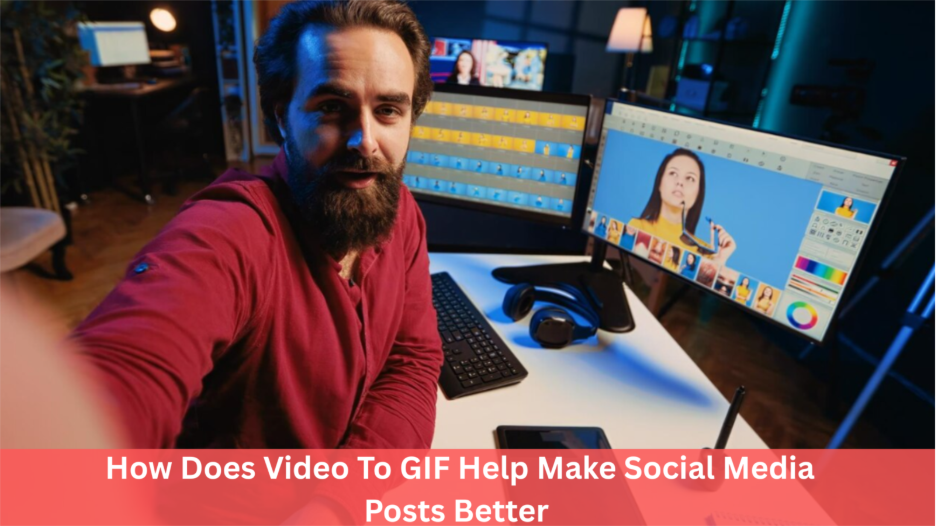
A simple method of introducing this movement is to turn short clips using a video to GIF tool. By transforming brief video sequences into looping visuals, the posts get a dynamic aspect that static graphics lack.
GIFs play automatically and repeat continuously, thus attracting attention more quickly and providing your posts with greater visual impact.
2. Faster Communication of Key Message
Social media users tend to browse quickly, and thus the message should be conveyed within seconds. Long captions or extended videos tend to lose focus even before the key point appears.
GIFs can overcome this issue by introducing information in the form of brief visual loops that communicate ideas immediately. A short animation can be used to show a feature, highlight a reaction, or a quick step without having to rely on long explanations.
Since the animation is repeated automatically, viewers can perceive the message even if they see only a part of it. This makes GIFs a good format for providing clear and quick communication.
3. Improved Engagement and Interaction
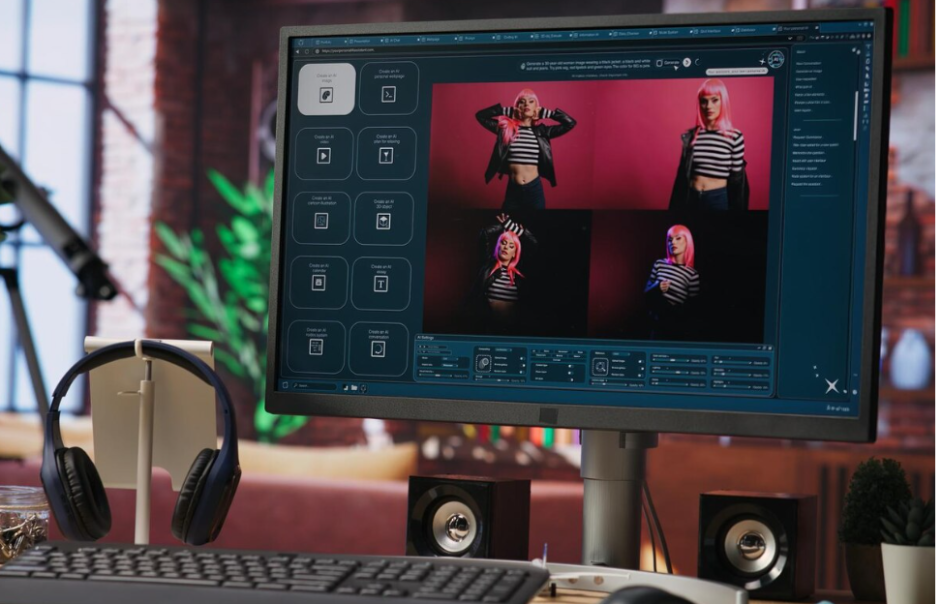
Videos with motion tend to receive more interaction because movement invites the audience to pause and take a closer look. GIFs have the effect of a video but the ease of an image, and are easy to consume within a busy feed.
In contrast to traditional videos, they start playing immediately without the viewer clicking a play button. This smooth experience eliminates the friction in viewing.
With the looping animation, the audience spends more time on the post, with a greater chance of getting likes, comments, and shares, and ultimately enhances the level of overall engagement.
4. Efficient Content Repurposing from Existing Videos
Producing new content on social media can be time-consuming and effort-intensive. Nevertheless, creating new images by turning short portions of already existing videos into GIFs offers an effective method of creating new content without needing to create something from scratch.
A longer video also has a few little moments that work well as short animations. Using this technology, creators have the ability to reuse a single piece of content to make unlimited GIF posts by editing particular highlights.
This approach keeps social media feeds active while reducing production workload. As a result, existing video material continues to deliver value across different posts and platforms without requiring constant new recordings.
5. Flexible Customization for Brand Consistency

Consistency in visual identity is important across social media platforms. GIF creation tools often include customization options that allow users to adjust the animation to match their brand style.
For example, creators can add text overlays, adjust colors, and apply custom fonts to the GIF. Logos and brand elements can also be incorporated to maintain recognition.
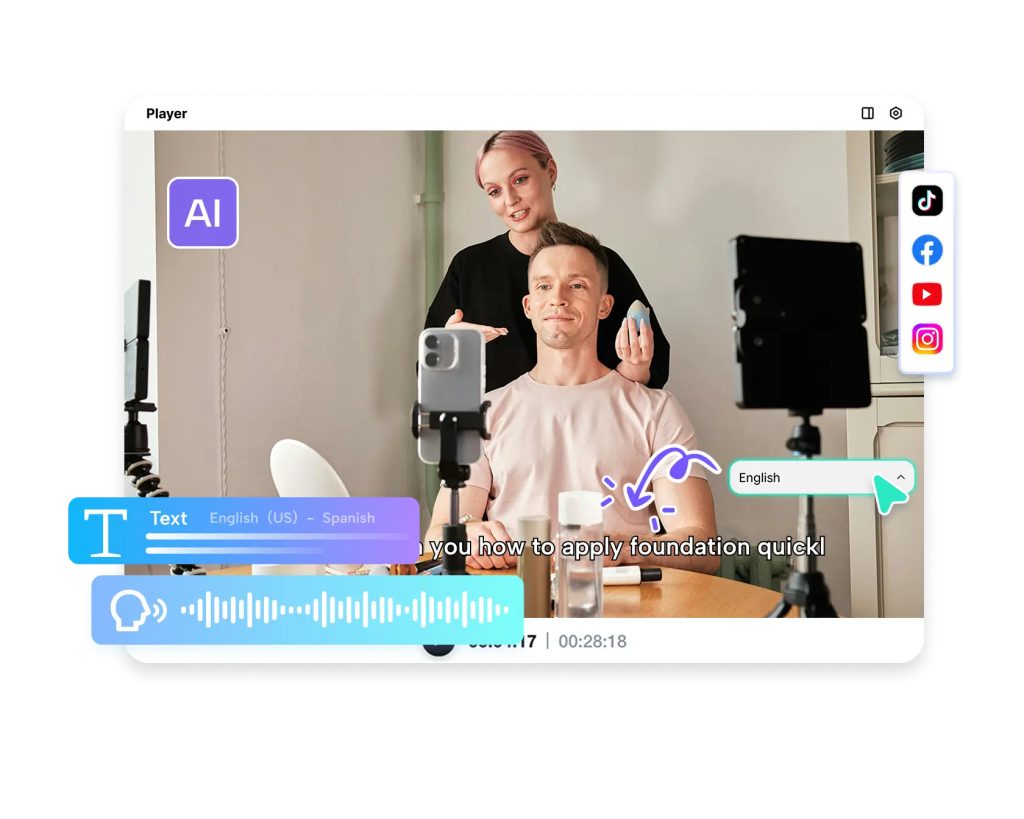
These customization options allow the animation to remain aligned with the overall branding strategy. As per platform features, users can edit GIFs by adding text, selecting styles, trimming clips, and resizing visuals to fit different social platforms.
As a result, even short animations can maintain a professional and consistent appearance across multiple posts.
6. Optimized Format for Social Media Sharing
Another advantage of GIFs is their compatibility with various social platforms. Unlike large video files, GIFs are lightweight and load quickly on both desktop and mobile devices.
This smaller file size allows them to appear instantly in feeds, comments, and messages without buffering. Faster loading improves the overall user experience and increases the likelihood that viewers actually watch the animation.
Additionally, GIFs can be resized to match the dimensions required by different platforms. This flexibility ensures that content remains visually balanced whether it appears on Instagram, Twitter, LinkedIn, or blogs.
Because of these characteristics, GIFs provide a practical format for delivering animated content efficiently across multiple channels.
Conclusion
GIFs have become an effective way to bring motion and clarity to social media posts without requiring lengthy videos. By converting short clips into looping animations, creators can capture attention quickly while delivering concise messages that are easy to understand.
These visuals help improve engagement, extend the value of existing video content, and maintain consistent branding across platforms. In addition, their lightweight format allows them to load quickly and fit naturally into social media feeds.
When used strategically, GIFs can turn simple moments from videos into impactful visual content that keeps audiences interested and encourages interaction.