How do motion sensors work, and why do they react the moment I walk into a room?
I ask this because motion technology feels simple on the surface, yet it relies on innovative systems working quietly in the background.
In this guide, I explain motion sensors in clear terms, without heavy jargon or technical overload.
It includes the basic idea behind detection, the signals sensors look for, and how those signals turn into actions like lights turning on or alarms triggering.
I also touch on where these sensors are commonly used and what affects their accuracy. As you read, you can think about the sensors around you and how often they shape daily routines.
By the end, you should have a steady understanding of the technology and feel confident.
What is a Motion Sensor?
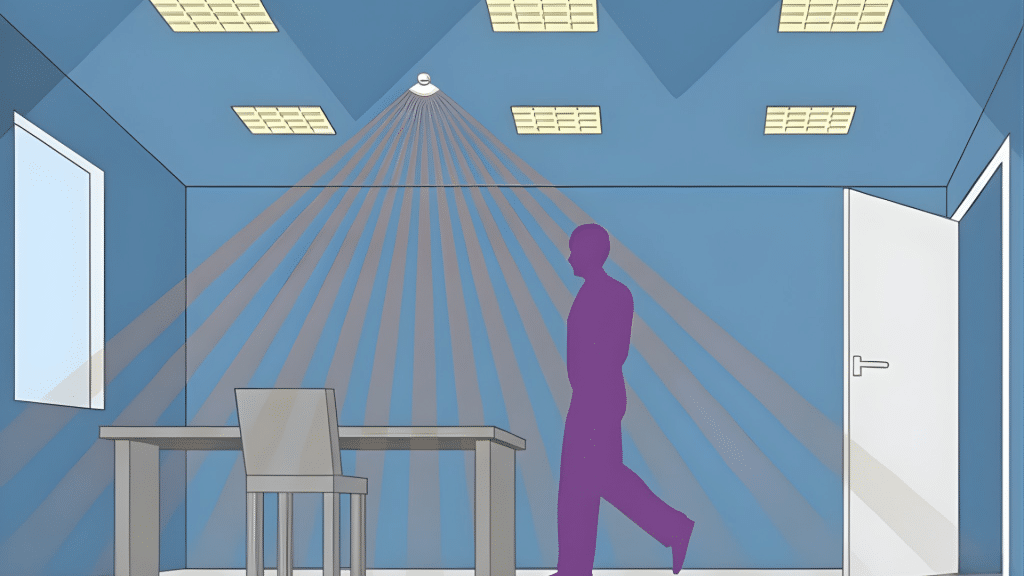
A motion sensor is an electronic device designed to detect movement within a specific area.
It works by monitoring changes in heat, light, or sound and converting those changes into electrical signals.
These signals trigger actions such as turning on lights, activating alarms, or sending alerts to connected systems.
Motion sensors are commonly used in homes, offices, outdoor spaces, and security systems to improve safety and energy efficiency.
Different sensor types respond to different motion cues, including infrared heat from people, shifting microwave signals, or broken light beams.
To understand “How Do Motion Sensors Work”, it helps to know that each sensor follows a simple process: detect change, process the signal, and respond with a preset action.
How Do Motion Sensors Work: The Core Technology
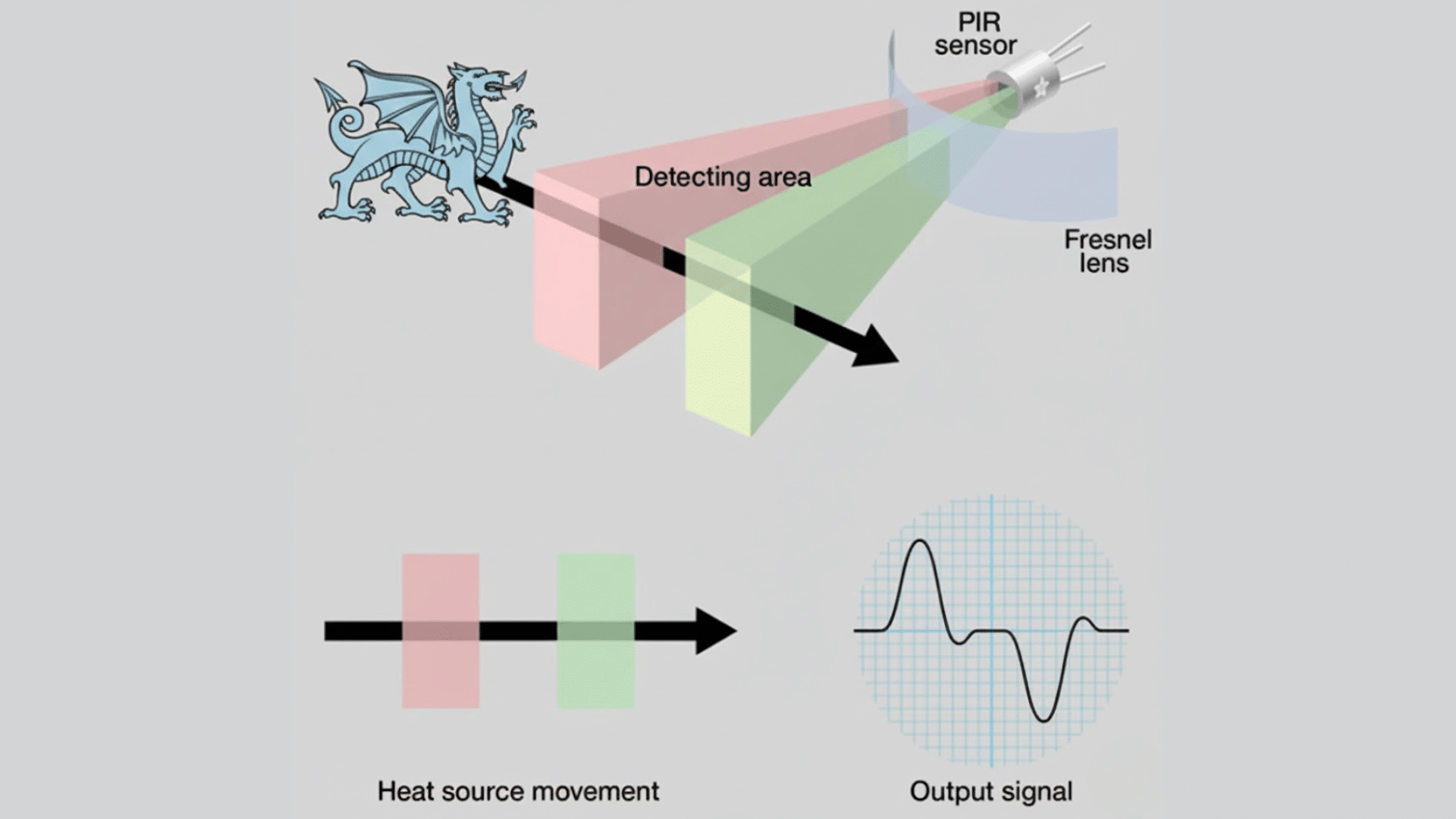
Motion sensor technology relies on detecting environmental changes and converting them into signals that trigger automated responses in connected devices.
1. The Basic Principle Behind Motion Detection
Motion detection is based on identifying changes within a monitored area, such as heat shifts, wave disruption, or signal reflection.
Sensors constantly observe their surroundings and compare current readings with a baseline state. When movement causes a measurable difference, the system recognizes it as motion.
Different technologies interpret change in various ways, but the goal remains consistent: to detect movement accurately and quickly.
Once detected, the sensor sends an electrical signal to a control unit, which then performs a preset action.
2. Key Components of a Motion Sensor System
A motion sensor system consists of several parts working together to ensure reliable detection and response. The sensing element monitors environmental changes such as heat, sound, or waves.
A signal processor then analyzes this data to decide if movement meets the activation threshold. Once confirmed, the control circuit sends instructions to a connected device, such as lighting, alarms, or cameras.
Power sources, either wired or battery-based, keep the system operational. Some systems also include adjustment controls that manage sensitivity, range, and timing.
Main Types of Motion Sensors
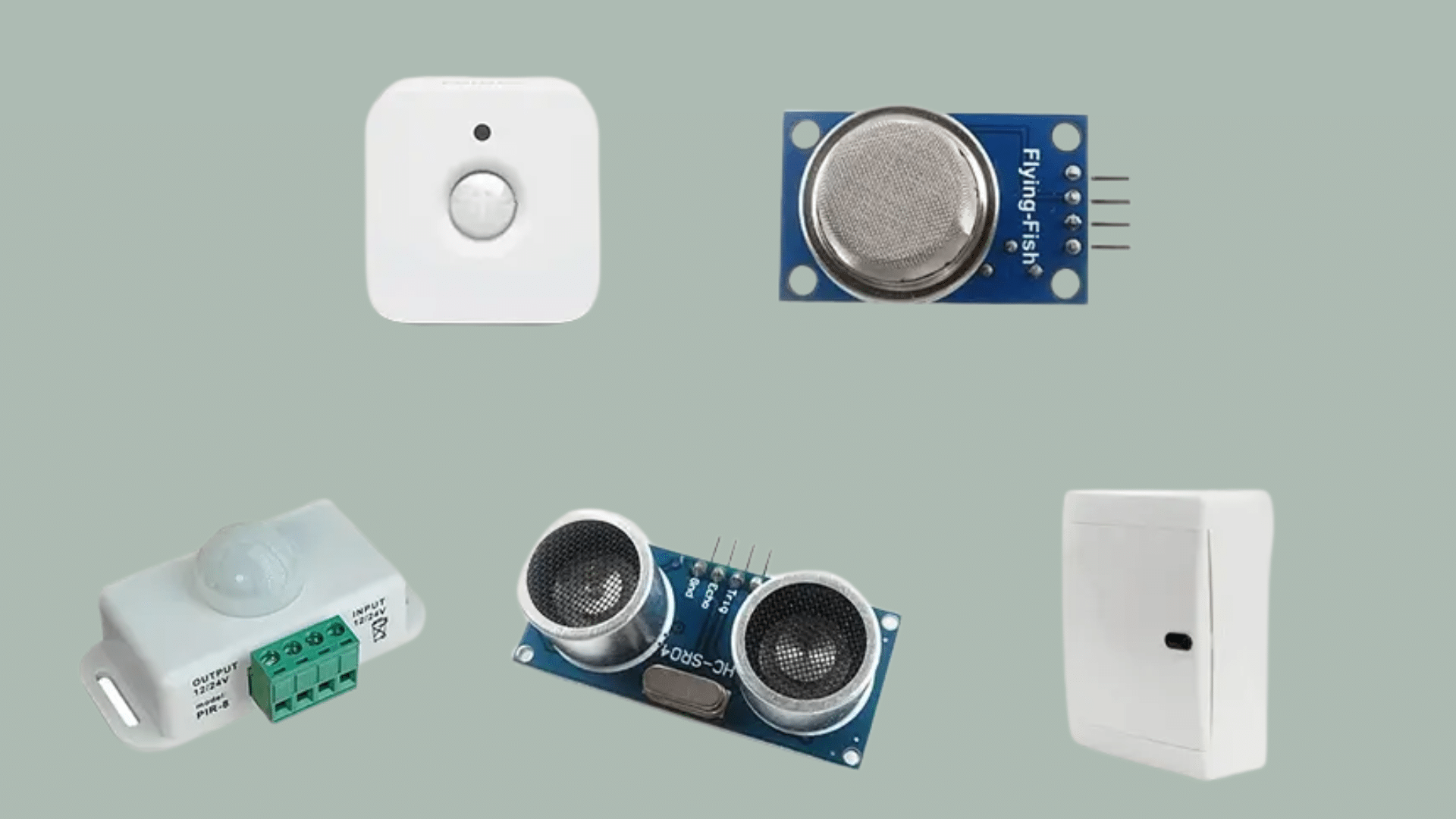
The main types of motion sensors differ by detection method and use case.
Each technology offers specific strengths for accuracy, coverage, and environment, making some better suited for homes, security systems, or advanced monitoring setups.
- Passive Infrared (PIR) Sensors: Detect motion by sensing heat changes from people or animals; widely used in homes, lighting systems, and basic security setups due to reliability.
- Microwave Sensors: Emit radio waves and analyze reflections; movement disrupts wave patterns, offering wide coverage but higher sensitivity and potential interference through walls.
- Ultrasonic Motion Sensors: Use high-frequency sound waves and detect motion through frequency shifts; effective in enclosed spaces like offices, hallways, and automated lighting controls.
- Tomographic Sensors: Create a radio wave mesh between nodes to detect disturbances; ideal for large areas and advanced security without direct line-of-sight detection.
- Dual Technology Sensors: Combine PIR and microwave or ultrasonic methods to reduce false triggers and improve accuracy in environments with variable motion conditions.
How Do Motion Sensors Work in Different Environments?
Motion sensors behave differently depending on surroundings, layout, and exposure, requiring specific setup choices to maintain accuracy and detection results.
1. Indoor Motion Detection
Indoor systems must account for walls, furniture, temperature control, and daily human activity. False triggers often occur due to pets, moving curtains, or heating vents releasing warm air.
Solutions include adjusting sensitivity levels, selecting pet-aware devices, and narrowing detection zones to high-traffic areas.
Placement plays a significant role in performance, with corner mounting offering more exhaustive coverage and fewer blind spots. Sensors should avoid facing windows, vents, or direct sunlight to prevent signal disruption.
2. Outdoor Motion Sensing
Outdoor detection faces unpredictable conditions that affect accuracy and consistency. Rain, fog, snow, and strong winds can interfere with signals or create unwanted movement detection.
Temperature swings may blur heat differences, making some technologies less effective. Weather-resistant housings and adaptive sensitivity settings help address these challenges.
Range must be balanced carefully, as more exhaustive coverage increases exposure to passing cars, animals, and trees. Sensitivity controls allow tuning responses to meaningful motion only.
Advantages and Limitations of Motion Sensor Technology
Motion sensor technology offers practical benefits for automation and security, but it also has certain constraints that affect accuracy, placement, and performance in different environments.
| Advantages | Limitations |
|---|---|
| Improves energy efficiency | May trigger false alerts |
| Enhances security monitoring | Performance varies by environment |
| Enables automatic device control | Limited detection range |
| Reduces manual operation | Affected by pets or weather |
| Supports smart home systems | Requires proper placement |
| Low power consumption options | Sensitivity needs adjustment |
Tips for Optimizing Motion Sensor Performance
Proper setup and regular adjustments help motion sensors detect movement accurately, reduce false triggers, and maintain reliable performance in different environments.
- Correct Placement: Install sensors away from vents, windows, and direct sunlight to reduce interference and ensure consistent detection across active areas.
- Adjust Sensitivity: Fine-tune sensitivity settings to balance accurate motion detection while avoiding false alerts from pets, airflow, or minor environmental changes.
- Choose the Right Sensor Type: Select PIR, microwave, or dual technology sensors based on room size, usage patterns, and surrounding conditions for better results.
- Maintain Clear Detection Zones: Keep the sensor’s field of view free from obstacles like furniture, plants, or decorations that can block or distort signals.
- Test and Recalibrate Regularly: Periodically check performance and adjust angles, range, or timing settings to maintain accuracy as layouts and conditions change.
Conclusion
Understanding motion sensor technology becomes much easier once the core ideas, types, and limitations are clear.
I covered how sensors detect movement, why placement matters, and how different environments affect performance.
Not only that, but I also explained the strengths and weaknesses so expectations stay realistic.
When I look at everyday systems like lighting or security, it’s clear how much these sensors quietly support daily routines.
Learning “How Do Motion Sensors Work” helps make more intelligent choices during setup, upgrades, or troubleshooting.
With the right adjustments, motion sensors stay reliable, efficient, and responsive over time.
If this guide helped clarify the topic or raised new questions, now is the perfect time to share your thoughts.
Leave a comment below with your experience, questions, or tips, and let’s keep the conversation going.
Frequently Asked Questions
Can Motion Sensors Work in Complete Darkness?
Yes, most motion sensors work in darkness because they detect heat, sound, or wave changes rather than relying on visible light.
Do Motion Sensors Work Through Walls or Glass?
Some sensors, like microwave types, can pass through walls or glass, while PIR sensors usually require a clear line of sight.
How Far Can Motion Sensors Detect Movement?
Detection range varies by sensor type, design, and sensitivity, typically ranging from a few feet indoors to over 70 feet outdoors.
What’s the Difference Between Active and Passive Motion Sensors?
Active sensors emit signals and analyze reflections, while passive sensors detect existing environmental changes like heat without sending signals.