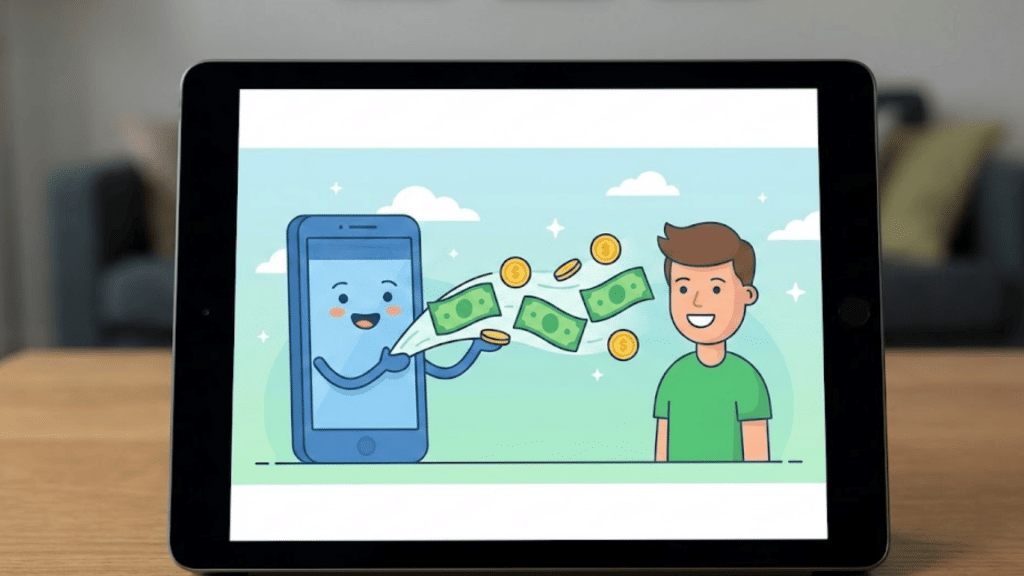
You open your phone, download a free app or game, and never pay a cent, yet that app somehow grows, updates, and stays alive.
This raises a simple question people keep asking online today: how do free apps make money without charging users & grow easily?
I see many users confused by ads, locked features, and plans, while paid apps feel rare and harder to notice.
I will be telling you about how free apps earn money, not just ads or subscriptions, but every single way.
You will also see a clear comparison between free and paid apps, so you can judge which model fits users better if you are a beginner to app development.
But before beginning, let’s discuss why most apps nowadays are free.
Why Most Apps Today Are Free?
Most apps are free because people do not like paying before they know an app is worth it.
A price tag on an app can feel like a waste of money, whereas a free download feels safer, so more people try it without thinking twice.
Free apps also get more installs, and installs help them show up more in the app store.
When an app gets lots of taps and time spent, the store may show it to even more people. That creates a loop where the app keeps growing with less effort.
It doesn’t matter whether the app is a game or lifestyle-related; if it can do a thing for free that a paid app would require even a single dollar, people would prefer a free app first.
Free apps also bring in almost all global app revenue, which I’ll be telling you in the next section.
How Do Free Apps Make Money?
Most free apps do not depend on a single income source. They mix different methods together, since combining models usually brings steadier income and reduces long-term risk.
1. In-App Advertising

Apps like Instagram, Facebook, X (formerly known as Twitter), and many other social platforms earn mainly through ads shown inside feeds, stories, and short videos.
These ads blend into normal content, so users keep scrolling without stopping. Brands pay based on views, clicks, or actions.
The more time users spend inside the app, the more valuable each ad slot becomes for advertisers.
2. In-App Purchases (IAPs)

Games like Candy Crush and Hill Climb Racing make money by selling small digital items during gameplay.
These include extra lives, boosters, or special upgrades that help players progress faster.
Users download the game for free, then spend small amounts over time. This slow spending feels lighter than one big payment and works well for casual players.
And by spending money, people tend to stick with the app, as they count it more like an investment.
3. Subscriptions
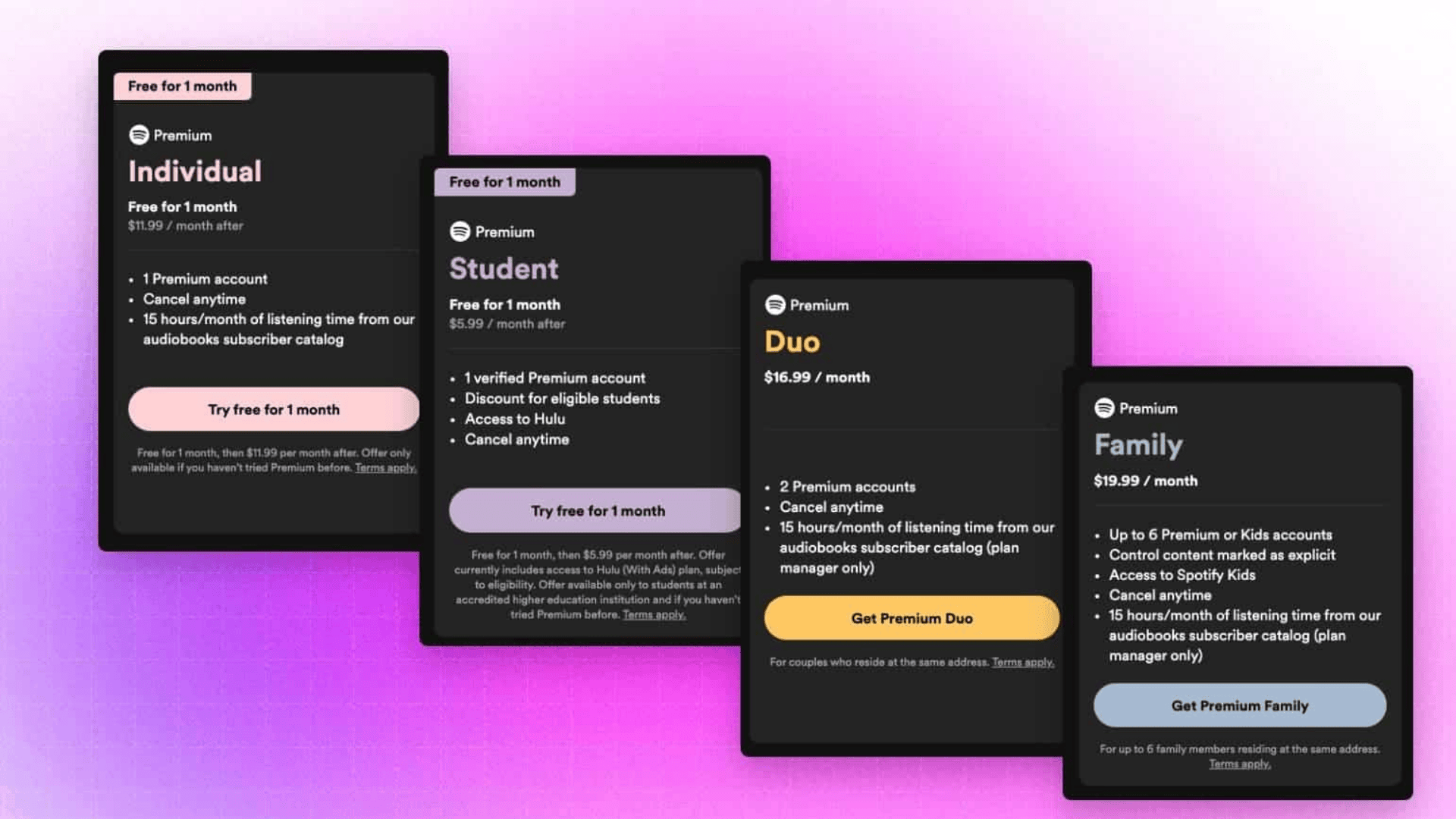
Apps like Spotify use subscriptions to slowly move users from free access into paid plans after habits and trust form through repeated daily usage.
Free users accept limits and ads, while paid users receive smoother access, offline features, and fewer interruptions during regular listening sessions.
Monthly or yearly billing gives apps a stable income instead of random spending spikes. This model works best when users return often and feel the app supports their routine.
4. Freemium Model
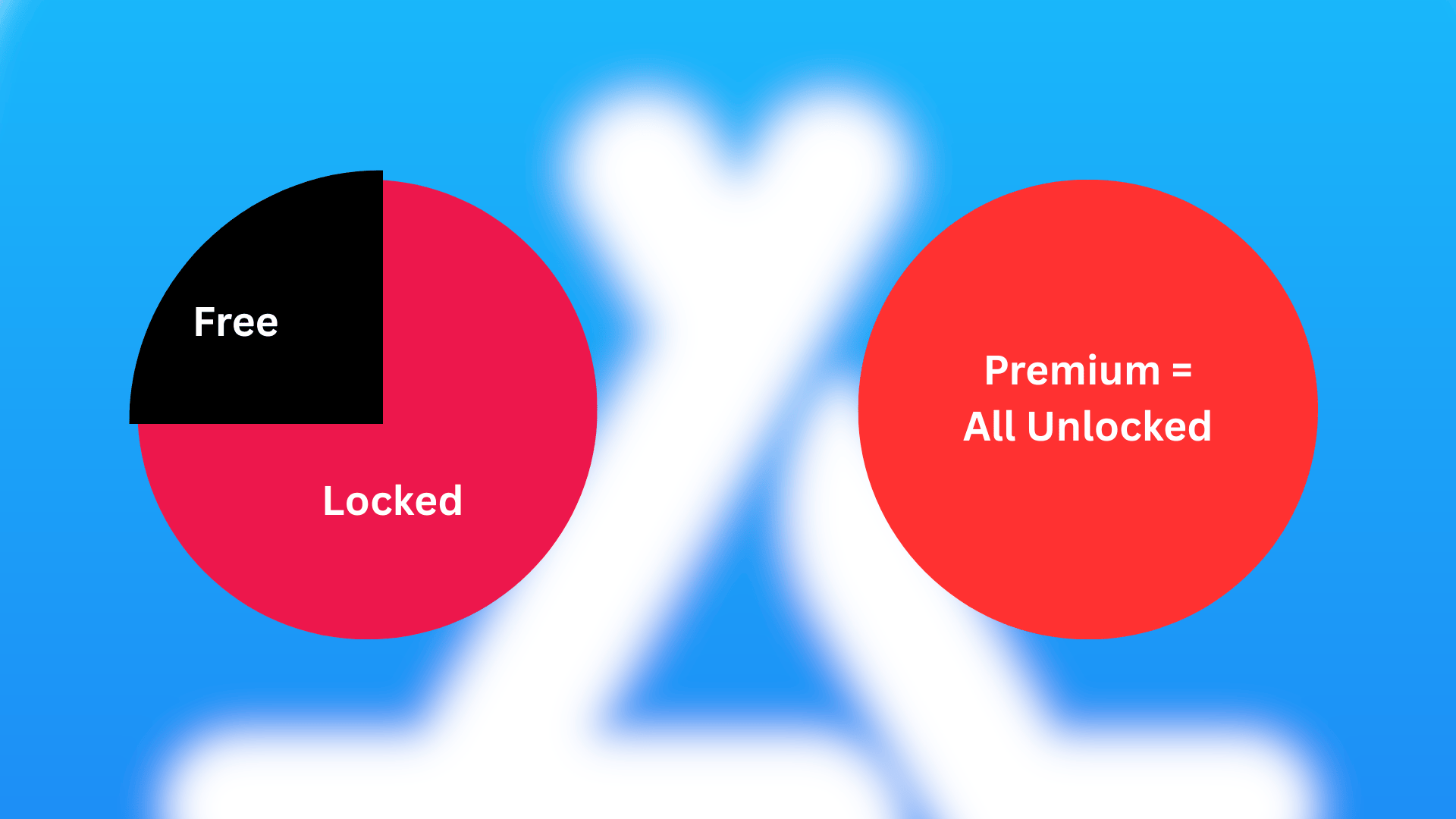
Tools like Canva and ChatGPT allow people to use basic features without payment, which lowers fear and builds comfort before asking for money.
Free users face limits on speed, depth, or usage, while paid plans remove those limits; only a small share of upgrades, usually one to five percent.
Large user numbers still make this approach effective for long-term growth.
5. Sponsorships & Brand Partnerships
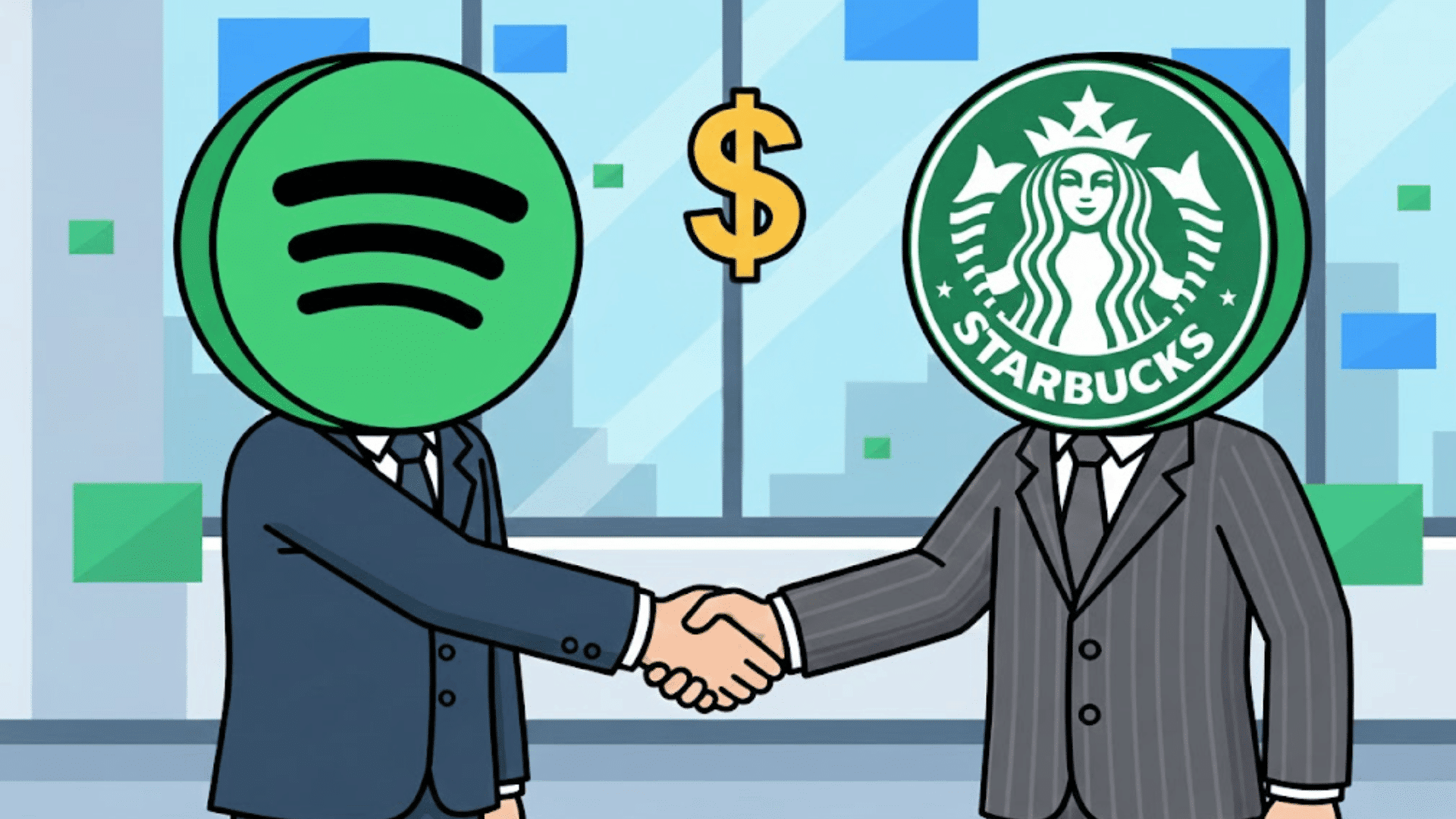
Brand partnerships appear often, such as Spotify working with Starbucks to connect music, rewards, and store visits into shared campaigns.
Brands pay apps to reach users inside environments that already have attention and trust. These deals may include special content, offers, or time-limited events.
This method works best when the app audience closely matches the brand’s customer group.
6. Affiliate Marketing & Referrals

Many transactional apps grow and earn money through referral rewards and partner payouts.
Acorns has offered deals like “Give $5, get $5” for inviting friends. Apps earn when new users sign up or complete actions through shared links.
This makes free marketing by users connecting their friends and family &
These programs usually include many rules and limits, so users should read the details carefully before joining.
7. Merchandise and Physical Goods
Many apps work more like an online shopping, where many sellers can sell goods to users, like Amazon, Walmart & Target.
Depop is another example, a free social shopping app focused on buying and selling second-hand fashion between users.
People list items without paying anything up front, which keeps entry friendly and straightforward. Depop earns by taking a ten percent commission on each completed sale.
The app makes money only when transactions happen, not from downloads or advertising.
8. Other Strategies
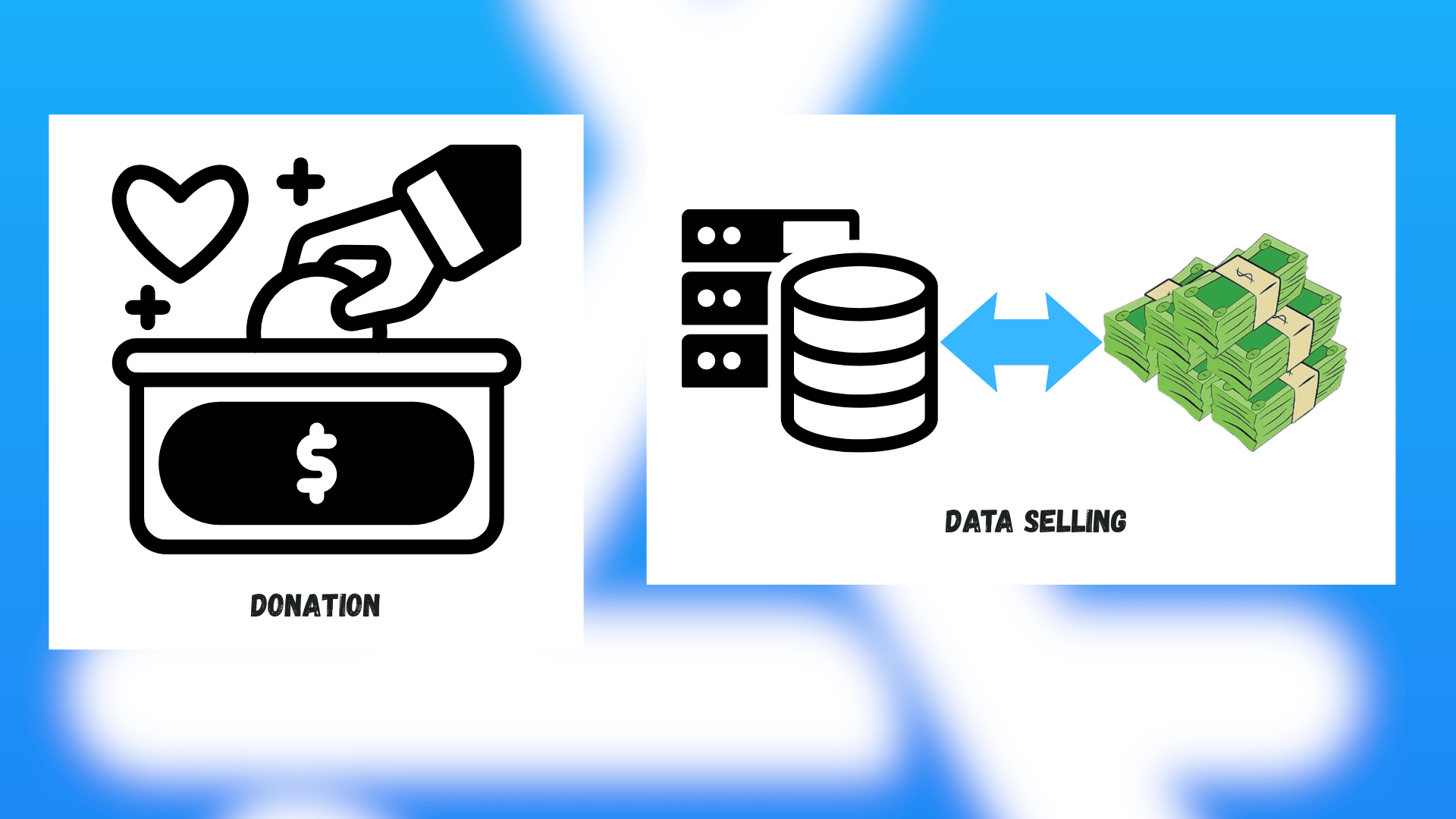
Some apps earn money through donations, tips, or supporter payments, especially tools built for communities, learning, or shared public value.
Data-related income depends on user permission, local laws, and clear app rules, making it more limited today.
Apps may use anonymous usage patterns for internal insights or partner reports, but selling personal data can break trust.
A few apps also earn by selling their software systems or tools to businesses as paid services.
How Paid Apps Make Money?
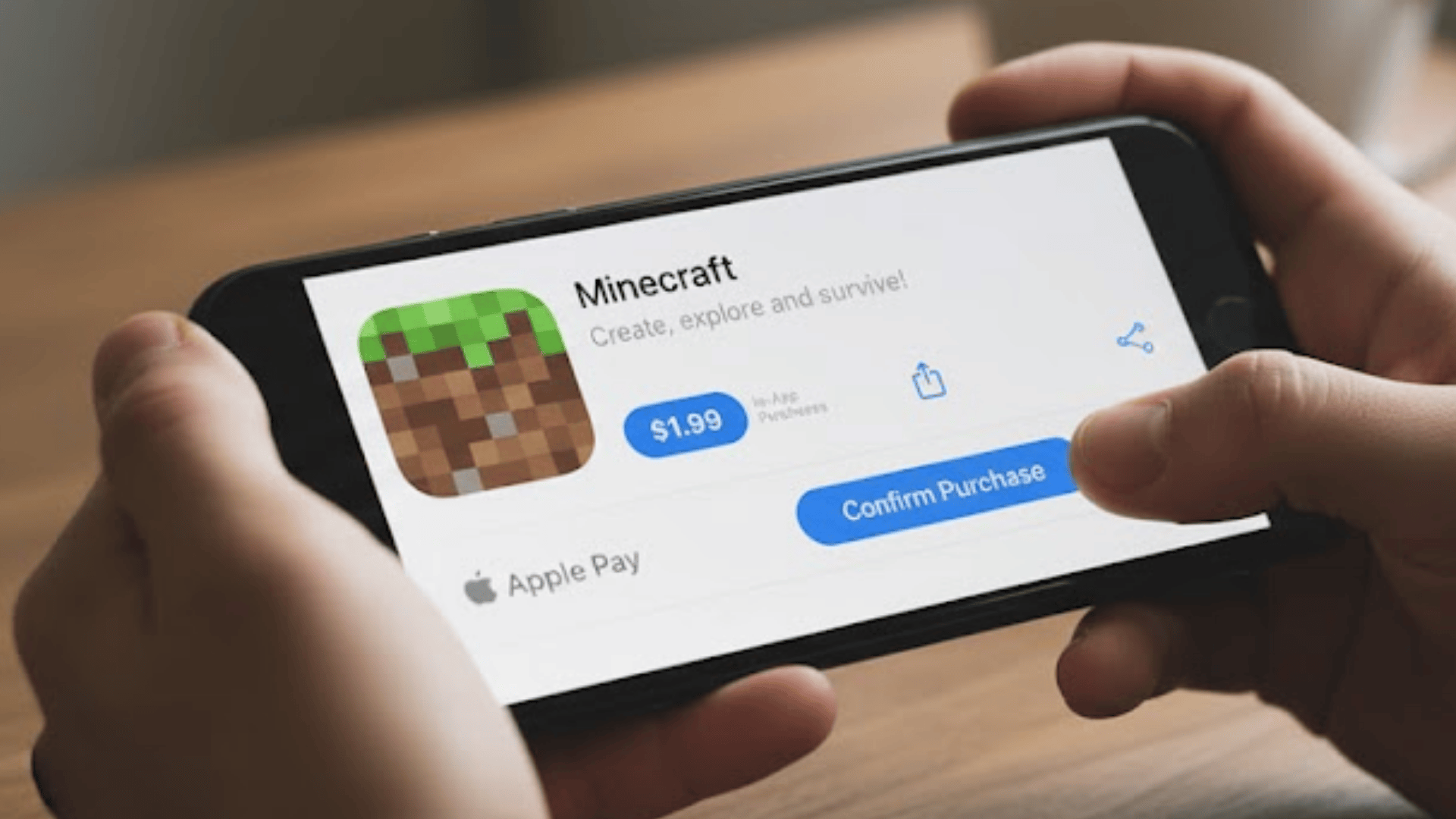
Just as the name suggests, paid apps often earn through a pre-download price that users must pay before installing the app from the store.
Popular examples include games like GTA and Minecraft, where users pay once to unlock the full experience.
This model works best when the app already has strong demand, clear value, or a trusted brand name behind it.
Creative apps follow a slightly different approach by mixing download access with ongoing payments for added services.
Adobe apps like Photoshop require users to install the app, but also pay for cloud-based subscriptions. These plans cover storage, updates, and advanced tools.
Some paid apps also sell team licenses or business plans, which bring higher income from fewer users.
Free Apps vs Paid Apps: Detailed Comparison
The differences between free and paid apps become clearer when both models are placed side by side.
This comparison helps show how money flow, user behavior, and growth patterns change based on pricing choice.
| Aspect | Free Apps | Paid Apps |
|---|---|---|
| Downloads | Very high because users do not face any payment barrier | Lower since users must decide before paying |
| Revenue Potential | Large overall due to scale and repeated spending | Smaller total but higher value per user |
| User Acquisition | Easier because sharing and store visibility help growth | Harder since strong marketing is often needed |
| User Commitment | Can be unstable with frequent drop-offs | Often stronger since users have already paid |
| Pricing Flexibility | Multiple options like ads and upgrades | Mostly limited to upfront pricing |
| Risk Level | Risk comes from weak spending behavior | Risk comes from low download numbers |
Both models can work well when matched with the right audience and app purpose. The best choice depends on user habits, market demand, and how clearly the app solves a real problem.
What Should Future App Developers Choose?

Choosing between free and paid pricing depends on the app type, target users, and long-term plans, not personal preference or trends.
Many new apps fail because pricing does not match how users think or behave. Testing different options early helps reduce risk and shows what users accept.
Starting simple allows room to adjust without losing trust.
- Games usually perform better with free access plus in-app purchases, since players prefer trying first and spending slowly over time.
- Utility apps often work well with subscriptions, because users pay when tools save time or effort repeatedly.
- Niche or professional apps may succeed with upfront pricing, since users already understand value and expect to pay.
- Many teams start free to grow users, then add paid options later once habits form, and feedback improves quality.
The safest approach for most new apps is mixing models carefully, watching data closely, and adjusting pricing based on real user behavior.
Conclusion
Free apps keep growing because they fit how people think, act, and spend money today. Users like trying things freely before trusting an app enough to spend later.
Paid apps still matter, especially for tools, games, or services where value feels clear from the start.
You might happily pay upfront when the app solves a serious problem or saves real time. What matters most is matching pricing with user behavior, not copying trends or chasing quick money.
I have seen many apps fail simply because the earning model did not fit the audience.
If you are building an app, focus on value first, then choose how money comes later. Testing different options early helps you avoid costly mistakes and user frustration.
What kind of apps do you enjoy using more, free ones with options or paid ones with full access? Tell us, share with us in the comments below.