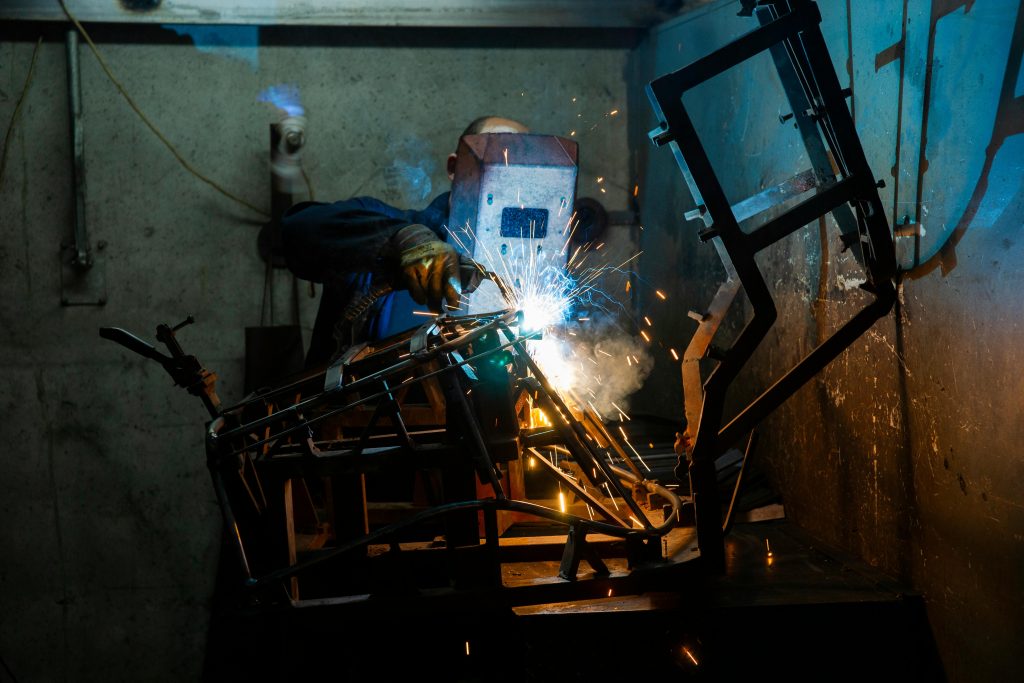
Welding, cutting, and grinding are essential tasks in many construction and industrial projects, but they also carry a hidden danger: the risk of fire.
Every year, countless workplaces experience incidents linked to hot work, resulting in property damage, operational delays, and, tragically, injuries or fatalities.
Despite rigorous safety training and protocols, the very nature of hot work creates environments where a single spark can escalate into a catastrophic event. Understanding these hazards and implementing continuous monitoring is not just a regulatory requirement — it is a proactive strategy that saves lives and protects investments.
Understanding Hot Work Hazards
Hot work refers to any activity that generates heat, sparks, or flames, including welding, soldering, cutting, and grinding. While these tasks are integral to modern construction and manufacturing, they inherently increase the risk of fire.
Sparks and molten metal can ignite nearby combustible materials, including wood, paper, cloth, flammable liquids, and even structural dust.
In enclosed or poorly ventilated areas, these hazards are magnified, and the consequences can be severe.
The National Fire Protection Association (NFPA) identifies welding and cutting as leading causes of industrial fires. Many of these fires occur because hot work is often conducted in environments not originally designed for high temperatures or where combustible materials are stored nearby.
Even with proper fire-resistant barriers and protective gear, the risk remains significant. Recognizing these dangers underscores the need for continuous, vigilant monitoring to prevent small incidents from escalating.
The Role of Continuous Monitoring
Continuous monitoring involves assigning trained personnel or systems to observe hot work operations in real time, ensuring that any signs of fire or unsafe practices are immediately addressed.
Unlike periodic inspections, which may miss sudden incidents, continuous monitoring creates a constant line of defense.
Fire watch personnel can respond instantly to sparks landing outside designated areas, overheated equipment, or the ignition of materials that might otherwise go unnoticed.
Industry guidelines, such as those from OSHA and NFPA 51B, emphasize that fire watch duties should be maintained during hot work and for a period afterward, often 30 minutes, to ensure that embers do not smolder and ignite fires after the work has concluded.
This continuous oversight is particularly critical in high-risk environments such as construction sites, industrial plants, and facilities storing flammable materials.
It transforms safety from a reactive measure into a proactive strategy, ensuring that potential hazards are addressed before they become emergencies.
High-Risk Environments Require Specialized Attention
Not all welding or cutting sites are equally hazardous. Factors such as the type of materials involved, site layout, ventilation, and proximity to flammable substances determine risk levels.
For example, a construction site with exposed wood beams, paint storage, and welding operations is exponentially more dangerous than a controlled metal fabrication shop.
In these scenarios, continuous monitoring becomes not just important, but indispensable.
Advanced risk assessments help identify areas where hot work hazards are most likely to occur. Fire watch professionals use these assessments to position themselves strategically, ensuring visibility of high-risk zones.
They are trained to recognize early signs of potential fires, including sparks landing on combustible materials, equipment overheating, and the presence of flammable vapors.
By maintaining constant vigilance, they provide an immediate line of defense that dramatically reduces the likelihood of fire-related incidents.
Monitoring High-Risk Welding Sites
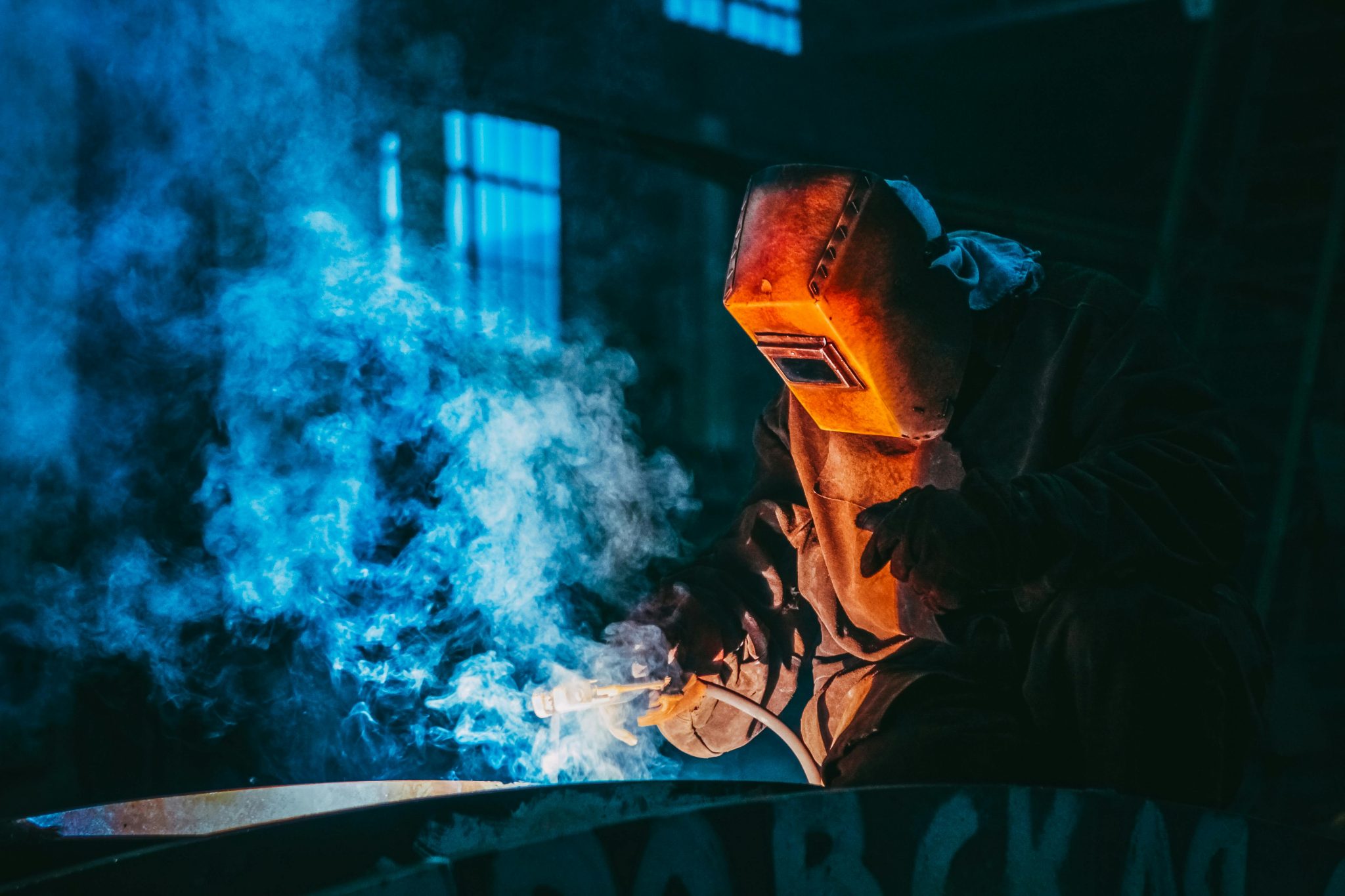
For construction managers and site supervisors, ensuring safety during hot work is a multi-layered responsibility. One effective measure is partnering with specialized teams dedicated to monitoring high-risk welding sites.
These teams combine expertise in fire prevention, emergency response, and hot work protocols, offering an additional layer of protection beyond standard safety equipment.
Implementing such monitoring programs is aligned with industry best practices. According to the NFPA, nearly half of all fires in industrial settings could have been mitigated or prevented with appropriate fire watch measures.
This demonstrates that continuous oversight is not merely a compliance exercise but a tangible method to reduce risk. By investing in professional monitoring, companies can safeguard personnel, protect assets, and maintain uninterrupted project timelines.
Technology and Fire Watch Integration
Modern fire watch strategies often integrate technology alongside human oversight. Thermal cameras, heat sensors, and real-time alerts can complement personnel monitoring, providing data-driven insights into potential hazards.
For instance, heat sensors can detect temperature spikes on combustible surfaces, while surveillance cameras allow supervisors to maintain a clear line of sight across multiple work zones.
These tools enhance situational awareness, allowing fire watch teams to respond faster and more effectively.
However, technology is most effective when paired with trained personnel who can interpret signals and take immediate action. A sensor may indicate a rising temperature, but only a human observer can determine whether it represents a minor flare-up or an imminent fire threat.
This combination of human vigilance and technological support forms a comprehensive monitoring system capable of addressing the complexities of modern construction and industrial sites.
Training and Protocols for Safety
Continuous monitoring is only as effective as the training and protocols that support it. Fire watch personnel must be knowledgeable in hot work hazards, emergency procedures, and fire suppression techniques.
OSHA and NFPA guidelines specify that fire watch duties should include active observation, immediate reporting, and readiness to deploy fire extinguishing equipment.
Personnel should also maintain clear communication with welders, supervisors, and emergency responders to ensure coordinated responses.
Periodic drills and refresher training are essential to maintaining preparedness. Workers must understand how to respond to alarms, identify potential ignition sources, and implement containment measures quickly.
A well-trained fire watch team not only reacts effectively to emergencies but also actively reduces risks by guiding safe practices during ongoing hot work operations.
The Business Case for Continuous Monitoring
Beyond safety, continuous monitoring has tangible business benefits.
Fires can halt operations, destroy valuable materials, and create costly downtime. Insurance premiums are often lower for sites that demonstrate robust fire prevention measures, including professional monitoring during hot work.
Additionally, a strong safety record enhances reputation and can be a differentiator when bidding for projects, as clients increasingly prioritize safety compliance and risk management.
Investing in continuous monitoring demonstrates a company’s commitment to employee welfare and operational integrity.
In an environment where one incident can have cascading consequences, proactive oversight is not an optional expenditure but a strategic necessity. By embracing monitoring programs, organizations protect both their workforce and their bottom line.
Conclusion
Hot work hazards are an inherent part of welding and construction projects, but their risks can be effectively managed through continuous monitoring.
Vigilant oversight, whether by trained personnel, technology-assisted systems, or a combination of both, ensures that potential fires are detected and controlled before they escalate.
High-risk sites, in particular, benefit from specialized attention and proactive strategies that go beyond compliance, offering protection for workers, property, and operational continuity.
For managers and supervisors responsible for on-site safety, understanding the importance of monitoring high-risk welding sites is essential.
By investing in structured fire watch programs, integrating technology, and maintaining rigorous training standards, organizations can significantly reduce the likelihood of fire-related incidents.
Continuous monitoring is not just a safety measure — it is a practical, responsible, and effective approach to safeguarding people, property, and progress in the dynamic environments of construction and industrial operations.