Action cameras are not what they used to be. They have gone from bulky helmet setups to small devices that fit in your pocket and still shoot sharp footage.
That sounds great, but it also makes things harder when you have too many options to choose from. Most people end up stuck between the same two names.
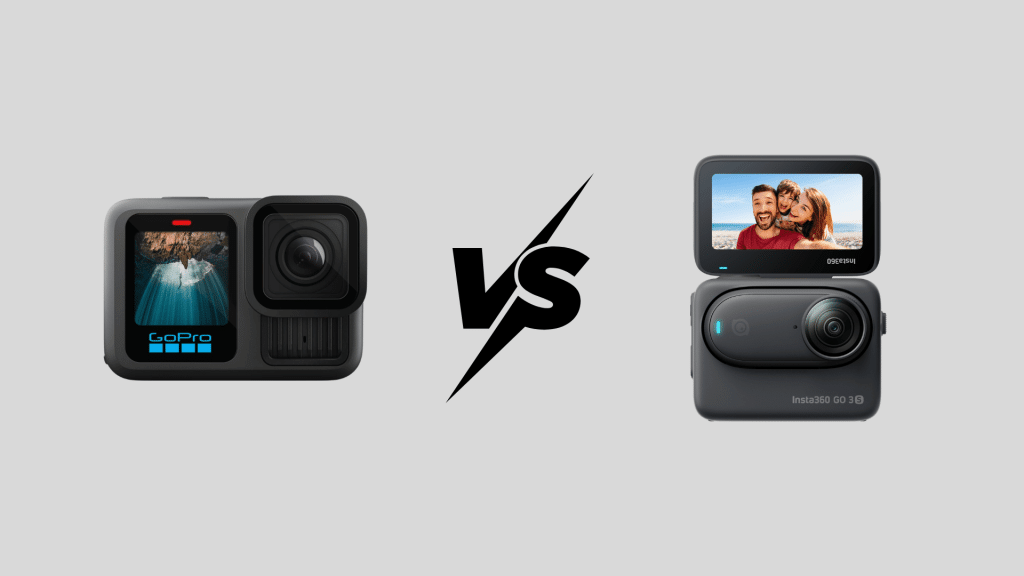
If you have been comparing GoPro vs Insta360, you are not the only one. Both brands show up everywhere, but it is not always clear which one actually matches your style, your budget, and how you plan to shoot.
In this blog, I will break things down simply. You will see how both brands compare in video quality, design, features, battery, and price.
By the end, the goal is simple. You should know which one actually makes sense for you, not just which one looks better on paper.
GoPro vs Insta360: Quick Overview
GoPro has been around since 2004 and has set the standard for action cameras for years. Its focus has always been on simple, wide-angle shooting that delivers consistent results with minimal effort.
It works especially well for sports, outdoor use, and anyone who wants high-quality footage without complex settings. I find this especially useful when the goal is to just shoot and not worry about adjusting too many things.
The HERO lineup, with the HERO13 Black at the top, is known for smooth stabilization via advanced HyperSmooth and colors that look clean straight out of the camera.
It also features a strong mounting system, making it easy to use across different setups with minimal effort.
Insta360, founded in 2015, took a different approach from the start. Instead of focusing only on traditional shooting, it built its name around 360-degree cameras and later expanded into standard action cameras.
Its main lineup now includes the X series for 360 capture and the Ace Pro series for regular shooting. What makes Insta360 stand out is the level of control it offers after shooting.
You can capture everything around you and decide the angle later, which makes it a strong choice for cyclists, solo creators, and people who like more creative shots.
I have noticed this makes a big difference when you want more flexibility without reshooting.
If you look at it simply, GoPro focuses on a classic shooting experience with reliable output, while Insta360 is built for flexibility and creative control.
GoPro vs Insta360: Design and Build Quality Comparison
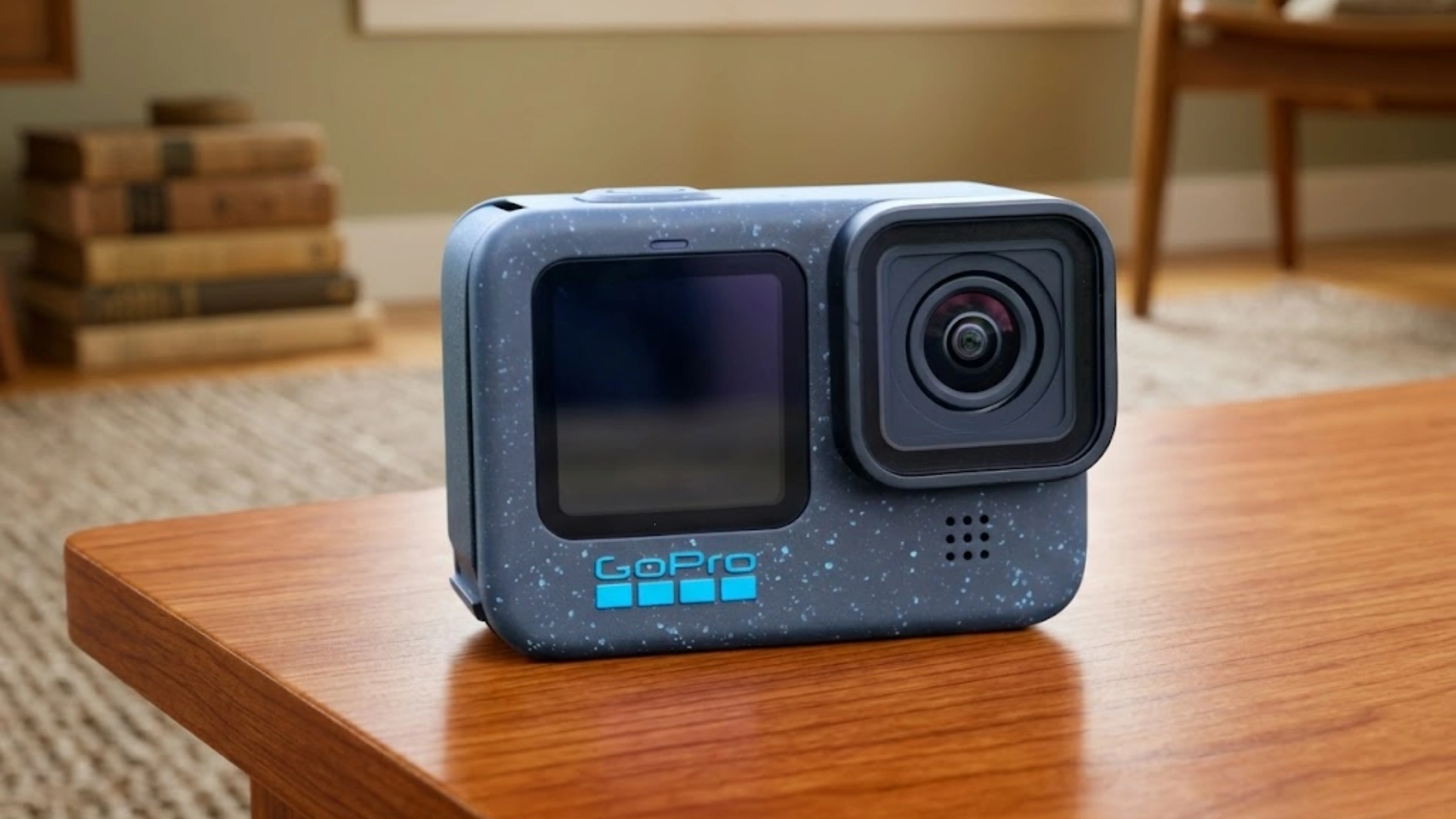
The GoPro HERO13 Black weighs 158g and keeps its compact, boxy design that is easy to mount and carry. It comes with built-in folding fingers and a standard 1/4 inch tripod mount, which adds real convenience in daily use.
It also supports HB-Series interchangeable lenses, such as Ultra Wide, Macro, and Anamorphic, offering more shooting options without changing the camera.
I like this flexibility since it adds variety without needing extra gear.
The Insta360 Ace Pro 2 is slightly heavier at 180g and features a larger 2.5-inch flip screen that works well for vlogging and solo shooting.
In 360 models, the Insta360 X5 has a taller design that fits better on selfie sticks, while the GoPro Max 2 feels more stable on helmets.
Both are waterproof without a case. GoPro is rated for 10m, while Insta360 is rated for 12m. However, Insta360’s exposed lenses are more prone to scratches, so lens protectors are a smart add-on.
Insta360 vs GoPro: Video and Photo Quality

This section breaks down how both cameras perform in real shooting conditions, covering resolution, stabilization, low light, and color to help you make a clear choice.
1. Resolution Comparison
The GoPro HERO13 Black records up to 5.3K at 60fps with a 27MP sensor, which is more than enough for most users, especially for social media and standard video work.
The Insta360 Ace Pro 2 pushes further with 8K video and 50MP photos, along with a Leica Summarit lens that adds better clarity and detail.
If you plan to use either camera at events, it helps to know what goes into taking high-quality event photos beyond just resolution.
In the 360 category, the Insta360 X5 also records 8K sphere video, similar to the GoPro Max 2, but Insta360 stands out with better stitching and smoother post-processing, thanks to its Triple AI Chip system.
While 5.3K works well for most people, Insta360’s higher resolution gives more flexibility for cropping and professional use.
2. Stabilization Performance
GoPro’s advanced HyperSmooth 6.0 and Insta360’s FlowState stabilization both deliver very stable footage in most situations.
In normal daylight conditions, the difference is hard to notice, even during rough movement like biking or handheld shooting. GoPro has a slight edge in fast and aggressive motion, where it keeps footage more consistent.
Insta360, however, performs better in 360 shooting thanks to its built-in horizon lock, which keeps the frame level even when the camera rotates fully.
For everyday use, both systems are reliable and deliver smooth results without needing extra gear.
3. Low Light Performance
Low light is where Insta360 clearly pulls ahead. The Ace Pro 2 uses a larger sensor, along with PureVideo mode and AI processing, to help reduce noise and preserve details in darker scenes.
On the other hand, the GoPro HERO13 tends to struggle in low light, often resulting in grainy footage with reduced detail.
This becomes more noticeable in indoor shots or during early morning and evening shoots.
However, both cameras struggle in very dark, fast-moving situations, where motion blur can occur at slower shutter speeds. If low-light shooting is a regular part of your workflow, Insta360 is the more capable choice at this price range.
4. Color Output and Sharpness
GoPro is known for its color science, which produces warm and vibrant footage straight out of the camera. This makes it easier for users who want to upload content quickly without spending time on editing.
The HERO13 also supports 10-bit video with G-Log and HLG HDR, which gives more control during editing for those who need it.
Insta360, on the other hand, offers a flatter color profile that captures more detail but requires additional post-processing.
This gives more flexibility for creators who like to fine-tune their footage, but it does add to the editing time.
Insta360 vs GoPro: Sound Performance and Recording Quality
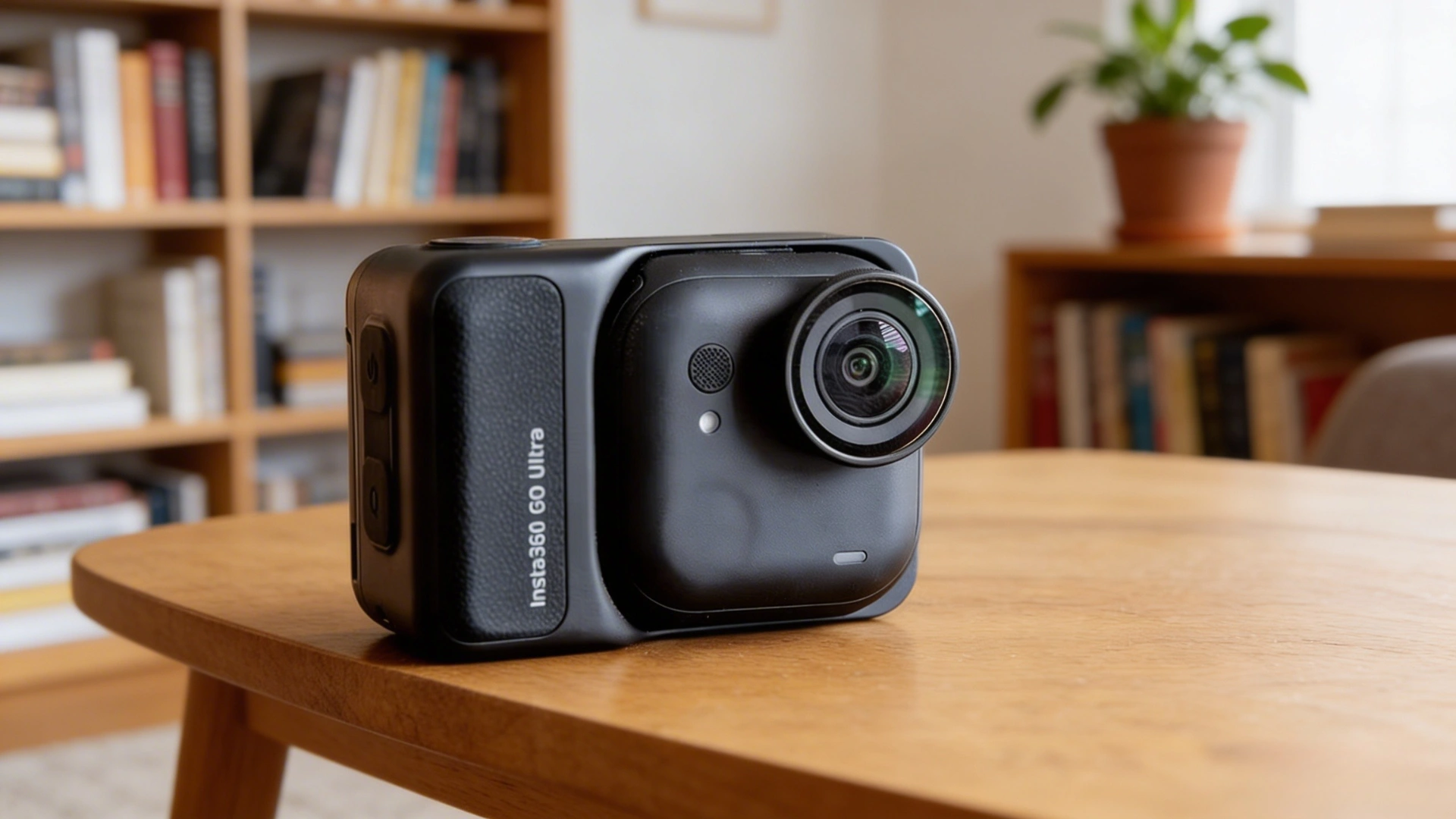
Audio often gets ignored, but it can change how usable your footage feels, especially in real outdoor conditions where wind and background noise are hard to control.
The GoPro Max 2 stands out for its six-microphone setup, which captures 360-degree spatial audio. It does a good job of picking up the voice clearly, even when there is movement.
In quieter settings, it delivers a more immersive sound experience with better direction control.
The Insta360 X5 uses four microphones along with AI-based wind reduction, which helps a lot in outdoor environments where wind noise is common.
For standard action cameras, both the HERO13 Black and Ace Pro 2 come with three microphones.
The Ace Pro 2 gets an advantage with its built-in wind guard, which improves audio clarity in real outdoor use without needing an accessory.
Independent overheating tests also showed the GoPro Max 2 produced slightly more muffled built-in audio compared to the X5 under side-by-side conditions.
If you shoot outdoors often without extra gear, Insta360 handles wind better. For richer audio capture, GoPro has the edge.
GoPro vs Insta360: Unique Features and Shooting Modes

This is where both brands start to feel very different, not just in specs but in how you actually shoot and create content.
GoPro focuses on in-camera modes that work instantly without needing extra editing. Features like Star Trails, Light Painting, Night Lapse, and TimeWarp are processed directly in the camera, which saves time and effort.
It also includes GPS data tracking, voice control that works even in wet conditions, and a strong mount system that fits almost any setup. For action use, it is easy to set up once and let it record without overthinking.
Insta360 takes a different approach by focusing on flexibility after shooting. The biggest feature is reframing, where everything is captured first, and the angle is chosen later.
The invisible selfie stick effect is also very useful, especially for solo shooting. I find this especially helpful when creating short vertical clips, since one clip can give multiple angles without retakes.
The Ace Pro 2 also adds a flip screen, AI highlight generation, and InstaPano mode, which gives more control during and after shooting.
If you are unsure which accessories to pair with either camera, this guide on action camera accessories worth adding covers the essentials that actually improve your footage.
GoPro vs Insta360: Battery Life and Real World Performance
Battery life is one area where the gap between these two brands becomes very clear, especially when you look at real-world usage rather than just specs. GoPro has faced consistent criticism here, and it shows in actual testing.
The HERO13 Black uses a 1900mAh battery, but during 4K at 50fps recording, it can shut down in about 55 minutes indoors due to overheating, even with a good amount of battery remaining.
I have noticed that it performs better outdoors with airflow, but it can still be unreliable for long recording sessions. The GoPro Max 2 also exhibits similar behavior when left running in low-airflow setups, such as fixed mounts.
Insta360 handles this better. The Ace Pro 2 uses a 1800mAh battery but delivers around 84 minutes in the same 4K at 50fps conditions.
Its Endurance mode can stretch up to 180 minutes at 4K 30fps. Charging is also faster, reaching about 80 percent in 20 minutes, which makes a big difference on long trips.
GoPro vs Insta360 Specs Comparison Table
This quick comparison table highlights the key differences in price, specs, and performance, helping you understand which camera fits your needs at a glance.
| Feature | GoPro HERO13 Black | Insta360 Ace Pro 2 | Insta360 X5 (360°) | GoPro Max 2 (360°) |
|---|---|---|---|---|
| Price | ~$400 | ~$300 | ~$550 | ~$500 |
| Resolution | 5.3K at 60fps | 8K/30fps | 8K/30fps (360°) | 8K/30fps (360°) |
| Sensor | 1/1.9″ 27MP | 1/1.3″ 50MP | 1/1.28″ (dual) | N/A |
| Stabilization | Adv. HyperSmooth 6.0 | FlowState | FlowState + Horizon Lock | Adv. HyperSmooth + Horizon Lock |
| Waterproof (bare) | 10m/33 ft | 12m/39 ft | 15m | 5m |
| Flip Screen | No | Yes (2.5″) | No | Yes |
| Battery Life (4K) | ~55 min* | ~84 min | ~180 min (Endurance) | ~78 min |
GoPro vs Insta360: Price and Value for Money Breakdown
Pricing is where the difference becomes more noticeable, especially when you look beyond just the base cost and consider long-term use.
The GoPro HERO13 Black is priced at around $360, while a simpler HERO model is available at around $200 for beginners.
The Insta360 Ace Pro 2 comes in at about $329for a dual-battery model, making it an affordable option while still offering a larger sensor, higher resolution, and a flip screen.
In the 360 category, the Insta360 X5 is priced at around $465, and the GoPro Max 2 sits at around $400. Insta360 generally leads in features and real-world battery life at this price point.
The longer-term cost difference is worth calculating before you buy.
GoPro’s subscription costs around $50 per year and is required to unlock full cloud backup and editing features in GoPro Quik. Insta360 does not require a subscription.
Over three years, that adds roughly $150 to GoPro’s total cost, which is a meaningful difference if budget matters to you.
GoPro vs Insta360: What Reddit Users Are Saying?
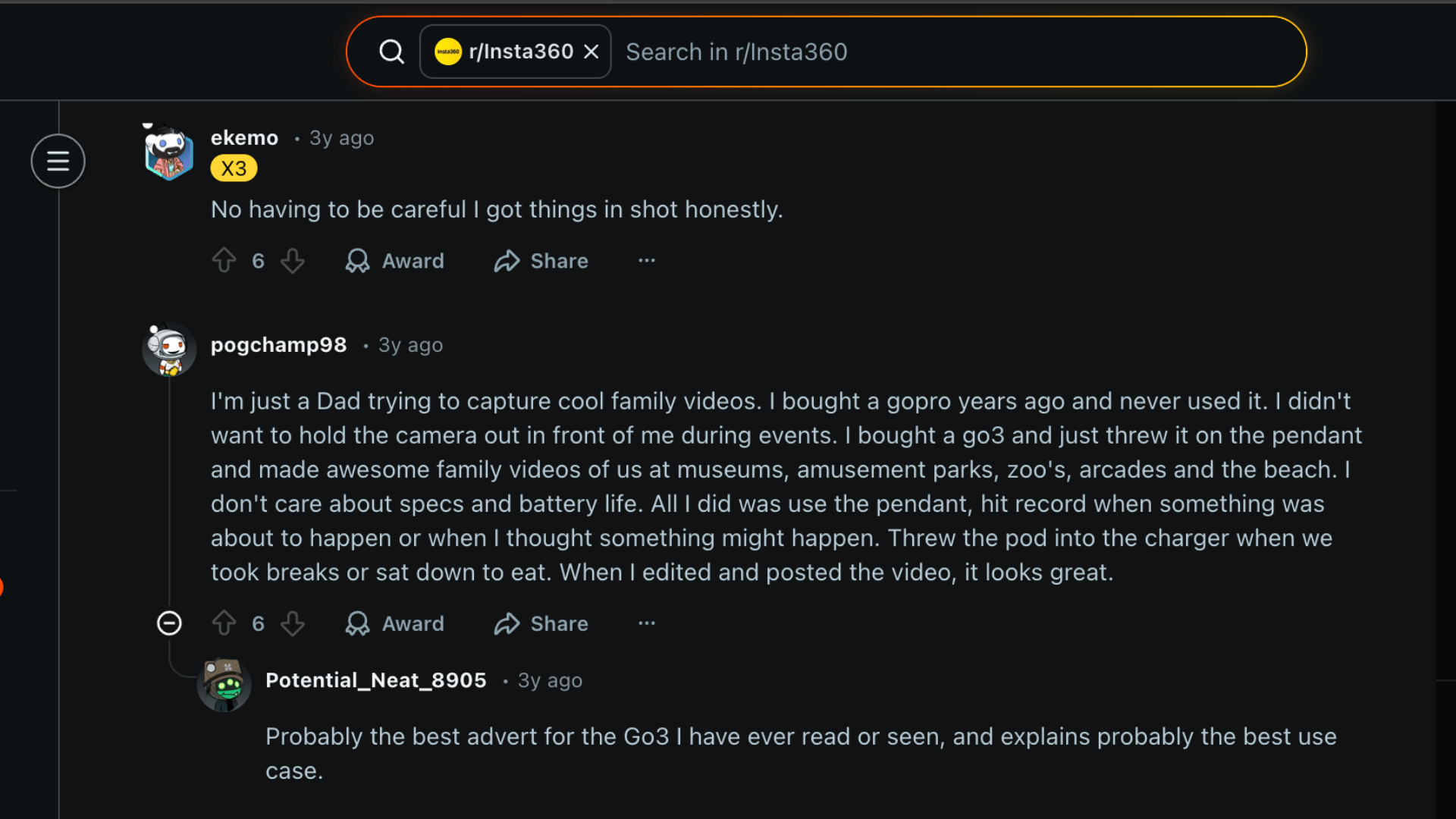
Reddit user feedback on GoPro vs Insta360 shows a clear split based on use case, with strong opinions on both sides.
Some users feel GoPro delivers better overall performance, especially in stability and reliability. Complaints around Insta360 often mention a slow or buggy app experience, which affects editing and workflow.
At the same time, others highlight that Insta360 works well for specific needs, especially when size and flexibility matter.
Smaller models like the Insta Go series are liked for quick, casual clips where carrying a full camera is not practical. On the other hand, GoPro models are often seen as more consistent in quality and easier to rely on.
There are also users who prefer Insta360 for 360 shooting and snow sports, where not worrying about framing becomes a big advantage.
Should You Also Consider a Third Option?
A question that comes up increasingly in action camera discussions is whether DJI’s Osmo Action series deserves a place in this comparison.
The DJI Osmo Action 5 Pro offers a larger sensor, strong low-light performance, dual touchscreens, and no overheating issues at a competitive price.
For users who want traditional-style action camera footage with better thermal reliability than GoPro and more color depth than the HERO13, it is worth a look.
That said, DJI does not offer a 360 camera with full US-based support at this time, so for 360 shooting, GoPro and Insta360 remain the two main options.
Which One Should You Choose?
This section helps you pick the right camera based on how you actually plan to shoot, so you do not end up paying for features you will not use.
- For beginners: Go with GoPro HERO or HERO13 Black. The interface is straightforward, the app is easier to learn, and the footage looks clean without editing.
- For vloggers: Insta360 Ace Pro 2 is the stronger pick. The flip screen, better low-light performance, and AI editing tools make solo recording noticeably easier.
- For travel users: It depends on your style. GoPro is faster for quick uploads. Insta360 X5 gives more flexibility and better storytelling options if you edit your footage.
- For creative shooting: Insta360 is the clear choice. Reframing, 360 capture, and flexible post-production give more control than GoPro’s fixed shooting style.
- For action sports: GoPro is the better choice. Strong stabilization, a protected lens design, a durable build, and the most versatile mounting ecosystem make it ideal for fast and rough activities.
- For long shooting sessions: Insta360 wins on battery life and charging speed, making it more reliable on full-day shoots without access to power.
Conclusion
Choosing between these two cameras is not really about which one is better overall. It comes down to what fits your style.
GoPro still leads when it comes to simple, reliable action shooting. It is easy to use and built for quick capture without much setup.
Insta360, on the other hand, focuses more on flexibility. It offers better low-light performance, more creative control, and stronger value in many cases.
The gap between them has clearly narrowed over time. Insta360 has grown fast and is now a strong alternative rather than just an option.
When comparing both side by side, the real decision depends on how you shoot. Some prefer a straightforward setup, while others want more control and editing options.
Both cameras can deliver great results. So the choice is simple. Do you want something quick and easy, or something that gives more creative control?
Frequently Asked Questions
Can You Use GoPro and Insta360 as a Webcam?
Yes, both support webcam mode. GoPro setup is simpler, while Insta360 may need extra steps depending on the model.
Which Camera is Better for YouTube Content?
Both work well, but GoPro is better for quick uploads, while Insta360 gives more flexibility for creative edits and unique angles.
Do GoPro and Insta360 Support External Microphones?
Yes, both support external mics through USB-C adapters, which is useful for improving audio quality in professional setups.
Which Camera Has Better App Support and Updates?
GoPro’s app is more stable and easier to use, while Insta360’s app has more features but can feel slower at times.
Are Insta360 Cameras Harder to Edit than GoPro Footage?
Yes, Insta360 footage usually takes more time to edit due to reframing, while GoPro clips are quicker to process and publish.