Semiconductors are the invisible actors powering nearly every digital experience available, from smartphones to AI data centers. However, despite the rising demand for these tiny chips, traditional manufacturing is struggling to keep up.
Artificial intelligence (AI), while being the product of these semiconductors, is stepping up to optimize semiconductor manufacturing, enabling faster and more reliable production.
The Bottlenecks in Chip Production
To truly appreciate the value of AI, it helps to understand the scale of the challenge. Semiconductor manufacturing is incredibly complex, involving hundreds of steps taken on equipment worth millions of dollars. High NA, one of the most advanced chipmaking machines in the world, costs $400 million per individual unit as reported by CNBC.
Production facilities also need to use the right fastener types and materials to ensure each chip stays durable and functional. Aluminum, steel and titanium are ideal because they are resistant to corrosion and can handle high temperatures. Even tiny errors can escalate into yield losses and delayed time to market.
Meanwhile, global demand for advanced chips continues to increase due to advanced tech like AI and autonomous systems. The semiconductor market reached a value of $346 billion in the first half of 2025, showing an 18.9% increase annually. Traditional manufacturing processes and volumes are struggling to keep up with this pace, leading to more glaring inefficiencies.
Just as semiconductors power AI technologies, AI can also step in and aid production, improving visibility and automating operations to boost process efficiency and chip quality.
How AI Improves Chip Production From Design to Testing
AI’s influence is apparent across each stage of the semiconductor life cycle, from blueprints to quality certification. Here are three general domains where AI improves chip production and delivers noticeable impact.
Accelerating Chip Design and Validation
Chip design can be highly time-intensive. Engineers need to balance power, performance, size and cost, a process that often takes months of design and testing.
AI-powered tools are changing this flow. Machine learning techniques and generative models automate tasks like layout generation and error detection. These tools can create and identify optimal designs far more rapidly than traditional trial and error.
Engineers can complete design cycles in weeks instead of months, accelerating innovation while reducing the cost of experiments and testing. AI assistants help automate routine tasks, freeing teams to focus on high-priority needs.
Optimizing Manufacturing and Yield
Once a design is ready, semiconductor fabrication, sometimes called “fab,” begins. This process is where silicon wafers transform into circuits through techniques like lithography and plasma etching.
There are several opportunities for error in this stage. Tiny variations in temperature or chemical balance can result in defects that waste raw materials and lower overall yield.
AI and automation technologies can help by analyzing real-time sensor data from fabrication tools to predict and prevent equipment failures before they occur. It can also detect subtle patterns in production that allow teams to optimize and adjust process controls to boost yields.
Bringing robots into production can also significantly improve efficiency. A robotic machine can load, print and unload 275 wafers per hour without generating excess heat or vibrations that may harm product quality.
Enhancing Quality Control
Quality control in semiconductor manufacturing is crucial, often involving high standards. Defects at the microscopic level can lead to failures once the chips are in use, potentially costing companies money and reputational damage.
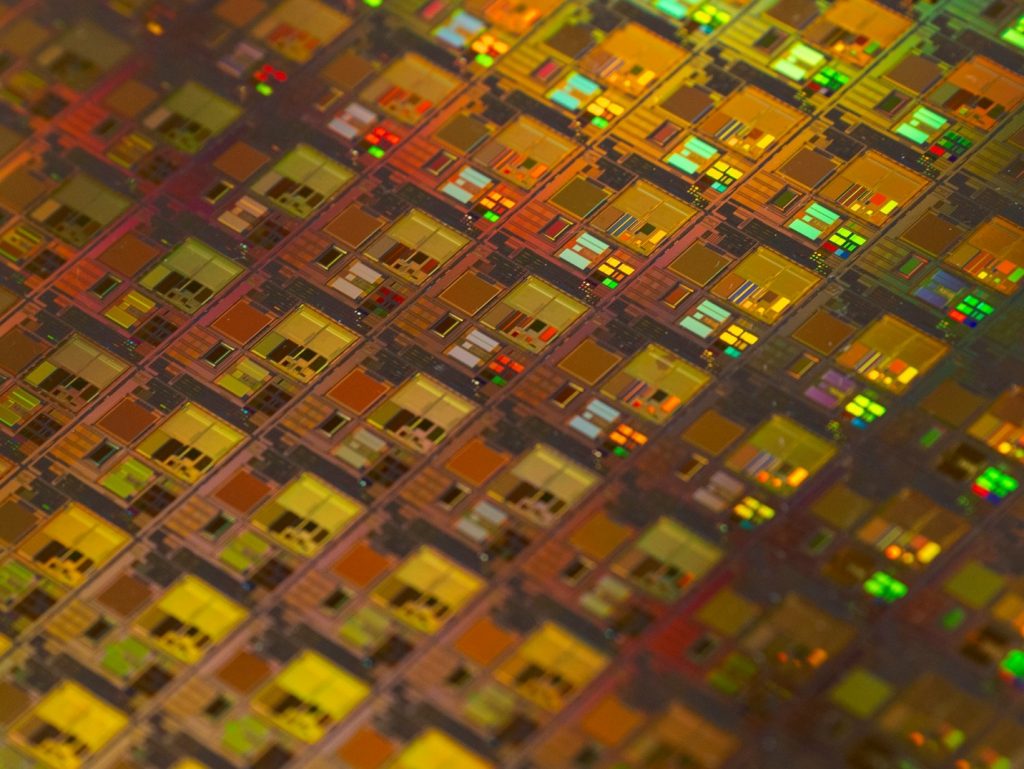
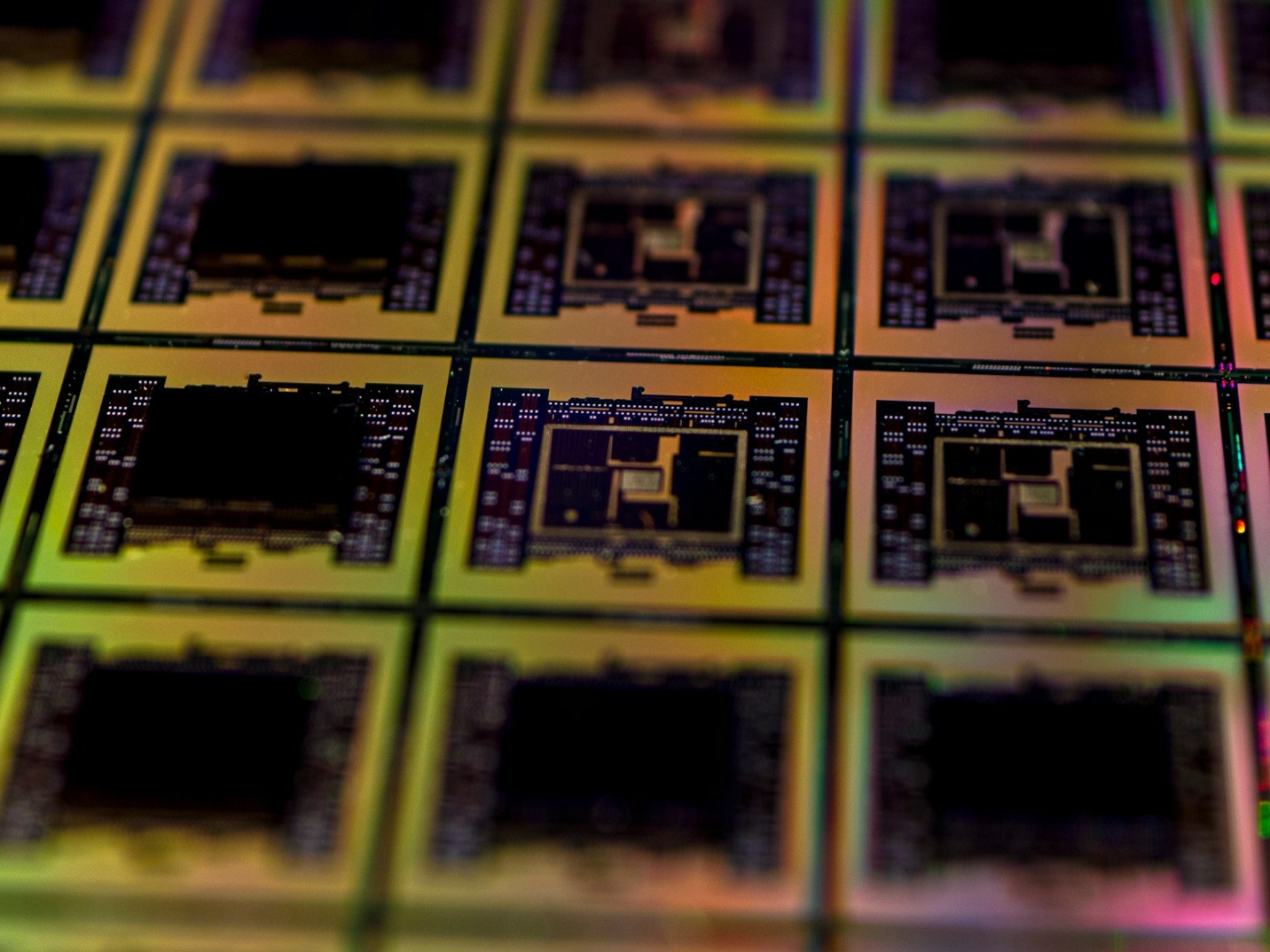
AI-driven image analysis and machine learning models can scrutinize wafer surfaces and structures far more accurately than human inspectors. They can spot microscopic flaws that would otherwise go unnoticed, ensuring that the facility produces quality chips with minimal defects.
Producing quality products means better industry performance and chips that customers and partners can trust.
Key Considerations for AI Adoption in Chip Design and Manufacturing
AI has a lot of potential to do good in semiconductor production. However, successful adoption also requires responsible and ethical use, especially regarding these considerations.
Data Infrastructure
AI models are only as effective as the data they use to learn. In semiconductor environments, this information comes from various sources, including design simulations, equipment sensors, quality control images and test results. If this information is incomplete or inconsistent, AI models won’t deliver reliable results.
This phenomenon is true for AI models across various industries. A study by University of Southern California researchers found that 3.4% to 38.6% of the data in AI databases was biased, compromising the model’s accuracy.
To resolve this, organizations need robust data pipelines that standardize and clean information across the entire workflow. This investment can clearly pay off. High-quality data enables AI models to significantly improve chip production through precise and reliable insights.
Integrating With Existing Tools
Semiconductor companies already rely on complex hardware and software systems refined over decades.
The most effective AI deployments integrate seamlessly with existing workflows. Smooth integration reduces resistance from engineering teams and makes adoption easier, ensuring AI adds value without disrupting proven processes.
The Human Touch
Despite rapid advances, AI should not replace human expertise. Experience and contextual understanding matter significantly in a highly technical field like semiconductor manufacturing. Engineers still need to interpret AI outputs and make strategic decisions.
The best advantages come when AI handles pattern recognition and data-heavy analysis, while people focus on problem-solving and innovation. Teams that invest in upskilling and helping engineers understand and leverage AI models are more likely to see lasting success.
The Future of Semiconductor Manufacturing
AI is becoming a core driving force improving critical processes like chip production from design to distribution. It brings efficiency and precision, leading to higher quality products and faster lead times.
For semiconductor companies and engineering teams, embracing AI is becoming fundamental to building better and faster chips that stand strong in competitive markets.