Smart home tech has grown fast, and I know it can feel tough to keep up. More people now want heating and cooling systems that do the work for them.
You might feel the same way if you want better comfort, lower bills, or easier controls. That’s where smart HVAC systems come in.
In this guide, I’ll walk you through what a smart HVAC system is and why so many homes and buildings use them today.
You’ll learn about the main parts, how the system works, the role of sensors, and the benefits you can expect. I’ll also cover costs and simple tips to help you choose the right setup.
By the end, you’ll have a clear picture of what these systems offer and how they can make your space run smoothly.
What is a Smart HVAC System?
A smart HVAC system uses connected devices and automated controls to manage heating and cooling on its own.
It becomes “smart” by using sensors, a smart thermostat, and wireless communication to adjust the temperature based on real-time needs.
This is different from a standard system, which only changes settings when you manually adjust the thermostat.
With a smart setup, the system can learn your habits, react to changes in the home, and make small adjustments that improve comfort and save energy.
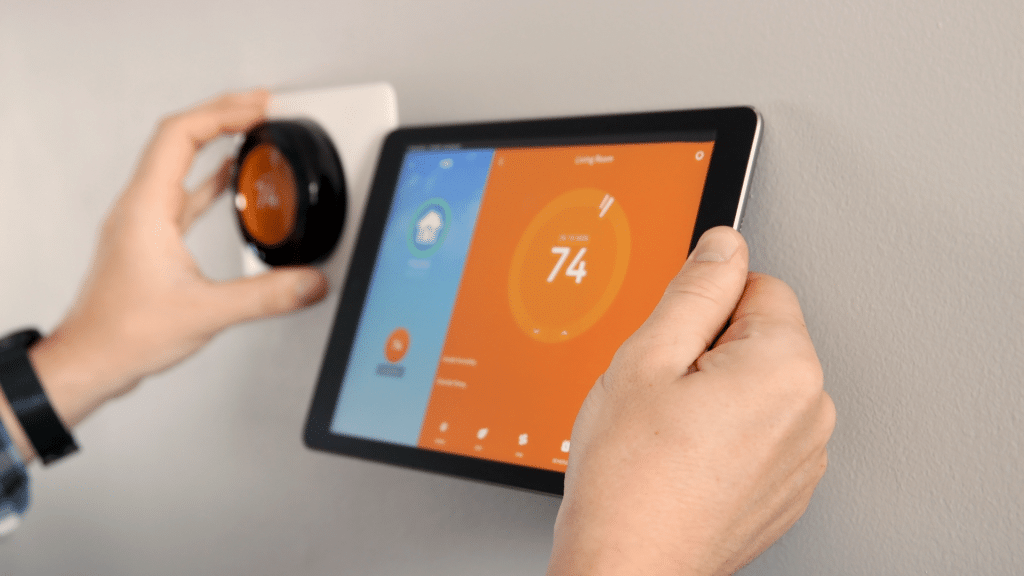
Simple tools like a smart thermostat or mobile app control let you change settings from anywhere.
You can check the temperature, set schedules, or turn the system on and off even when you’re not home. This level of control makes heating and cooling easier and more efficient.
Key Parts of a Smart HVAC System

Smart HVAC systems work through a mix of connected tools and digital features. Each part plays a clear role in keeping heating and cooling steady and easy to manage.
1. Smart Thermostat
A smart thermostat lets you control your heating and cooling with simple settings and automatic adjustments.
It learns your routine and helps keep your home comfortable without much effort. You can change the temperature from your phone, set schedules, and check energy use in real time.
This makes it easier to manage your system and avoid waste.
A smart thermostat is often the main hub that connects the rest of your HVAC features.
2. Temperature and Humidity Sensors
These sensors measure the conditions inside your home and send that data to the system.
When the temperature or humidity changes, the HVAC adjusts on its own. This helps keep your space comfortable without constant checking.
Sensors also prevent the system from running more than needed, which can lower energy use. With accurate readings, the HVAC responds faster and more smoothly.
They make the system smarter by giving it clear, real-time information.
3. Connected HVAC Units
Connected HVAC units link the main equipment, like the furnace, heat pump, or air conditioner, to the smart controls.
This connection lets the system react quickly to commands and sensor updates. Instead of waiting for manual changes, these units adjust airflow and temperature on their own.
The setup helps keep comfort levels steady throughout your home.
You also get better performance because the system can fine-tune how it runs. This creates smoother heating and cooling every day.
4. Mobile or Central App Controls
Mobile or central app controls give you an easy way to manage your system from anywhere.
You can check the temperature, change settings, or turn the system on and off with a few taps. The app also shows energy reports and alerts if something needs attention.
This helps you stay informed without guessing. Having everything in one place makes the system simpler to use.
It also gives you more control over comfort and energy use.
5. Wireless Communication System
The wireless communication system connects all parts of your HVAC, allowing the thermostat, sensors, and units to share information.
This steady flow of data helps the system react quickly to changes. It also reduces the need for manual adjustments.
The wireless setup keeps everything working smoothly and makes the system easier to install in most homes.
With dependable communication, your HVAC can make smarter choices and keep your space comfortable with less effort.
How Smart HVAC Systems Work?
A smart HVAC system works by collecting real-time data through sensors placed around your home.
These sensors track temperature, humidity, and even movement, then send that information to the system.
Based on the data, the HVAC adjusts heating or cooling automatically to keep your space comfortable without constant input.
When the temperature rises, it cools the area. When it drops, it warms it up.
You can also use a mobile app to check the system, change settings, or set schedules from anywhere.
Automation helps the system learn your habits and make small changes over time that improve comfort and reduce energy use.
Benefits of Using a Smart HVAC System
Smart HVAC systems offer clear advantages for both comfort and efficiency. Each benefit helps you manage your home in a simple, practical way.
1. Better Energy Savings
A smart HVAC system can reduce energy use by making small, automatic adjustments throughout the day. It works only when needed, which cuts down on wasted heating and cooling.
Sensors and schedules help the system run more efficiently without constant checks.
You also get data on your energy use, so you can spot patterns and make simple changes. Over time, these savings add up and help lower your monthly bills without sacrificing comfort.
2. Improved Indoor Comfort
Smart HVAC systems keep indoor temperatures steady by reacting quickly to changes.
Sensors track your home’s conditions and adjust the system before you even notice a shift. This creates a smoother balance between warm and cool air.
You won’t have long waits for your home to feel right.
With features like smart thermostats and zone control, each room can stay closer to the temperature you prefer. The result is consistent comfort day and night.
3. Long-Term Cost Efficiency
While a smart HVAC system may cost more upfront, it helps you save money over time.
Automatic adjustments reduce energy waste, which lowers monthly bills. The system also avoids running harder than needed, helping your equipment last longer.
Fewer breakdowns and repairs can mean lower maintenance costs. You can monitor performance through the app, catching issues early instead of waiting for bigger problems.
These long-term savings make the system a practical choice for many homes.
4. Remote Access and Automation
With remote access, you can control your HVAC system from your phone, no matter where you are.
This makes it easy to adjust settings, check temperatures, or turn the system on and off. Automation helps the system learn your routine, so it can warm or cool your home before you arrive.
You don’t need to remember every setting yourself.
This combination of remote control and automation makes managing your home more convenient and stress-free.
5. Cleaner and Healthier Indoor Air
When paired with air-quality sensors, a smart HVAC system can help improve the air you breathe.
These sensors track things like dust, humidity, and other indoor pollutants. When levels rise, the system can increase ventilation or adjust filters.
This helps keep the air cleaner and more comfortable, especially for people with allergies or asthma.
You can also monitor air quality in the app, giving you a clear view of what’s happening in your home.
How Sensors Help Smart HVAC Systems?
Sensors help smart HVAC systems work more accurately by gathering real-time information from around your home.
Temperature sensors track heat levels, humidity sensors measure moisture, and occupancy sensors detect when someone is in a room.
This data lets the system make quick adjustments without you doing anything.
If the humidity rises, the system can lower it. If a room is empty, it can reduce heating or cooling to save energy.
These small, automatic changes keep your home comfortable and prevent the system from running more than needed.
By reacting to real conditions, sensors help the HVAC stay efficient and steady throughout the day.
Costs to Expect with Smart HVAC Systems
The cost of a smart HVAC system can vary, but there are a few main areas to expect.
Upfront equipment costs include items like a smart thermostat, sensors, and any upgraded HVAC units needed for compatibility.
Installation costs can also add up, especially if wiring, setup, or system updates are required.
Ongoing maintenance may include filter changes, sensor checks, and occasional servicing to keep everything running smoothly.
While these costs can feel high at first, the system usually pays off over time.
Energy savings, fewer repair needs, and more efficient operation help lower monthly bills. Over the long run, these savings can balance out much of the initial investment.
Tips for Choosing a Smart HVAC System

Choosing the right smart HVAC system is easier when you know what to look for. These points will help you pick a setup that fits your home and needs.
- Look for compatibility with your current HVAC units, so you don’t have to replace working equipment.
- Check the app’s features and make sure it’s simple to use for daily control and monitoring.
- Compare the types of sensors included to see which ones offer the most useful data for your space.
- Consider energy-saving certifications, which can help you choose a system that reduces long-term costs.
- Think about long-term maintenance and support to ensure you can get help or repairs when needed.
Conclusion
Smart HVAC systems offer a practical way to improve comfort, reduce energy use, and stay in control of your home’s temperature without extra effort.
With sensors, automation, and simple app tools, the technology feels easy to use and fits smoothly into everyday life.
You don’t need to be tech-savvy to benefit from it.
Before you upgrade, take a moment to think about your home’s layout, your routine, and the features that matter most.
Choosing a system that matches your needs will always give you better results and long-term value. If you’ve already used a smart HVAC system, or you’re thinking about getting one, I’d love to hear how it went.
Share your questions or experiences in the comments below so others can learn from them too.