When I first looked into how a key fob works, I saw how easy it is to use one without knowing much about it.
That’s why I want to walk you through everything you need to know about a key fob in a simple, clear way. You’ll learn what it is, why we call it a “fob,” and how the term even began.
Over the last few years, I’ve used key fobs across cars, office entry systems, and hotel access cards, and I’ve also dealt with common issues like dead batteries and weak signals.
Quick Answer: A key fob is a small remote or access device that sends a coded wireless signal to unlock, open, or start a system like a car or building door.
In this blog, I’ll break down:
- What a key fob actually does
- Why do people use the word “fob”
- How its meaning changed over time
I’ll keep the language easy to follow so you can understand each part without having to guess.
By the end, you’ll know the history behind the device you carry and how it became such a common part of daily life.
What is a Key Fob: Basic Concepts to Know
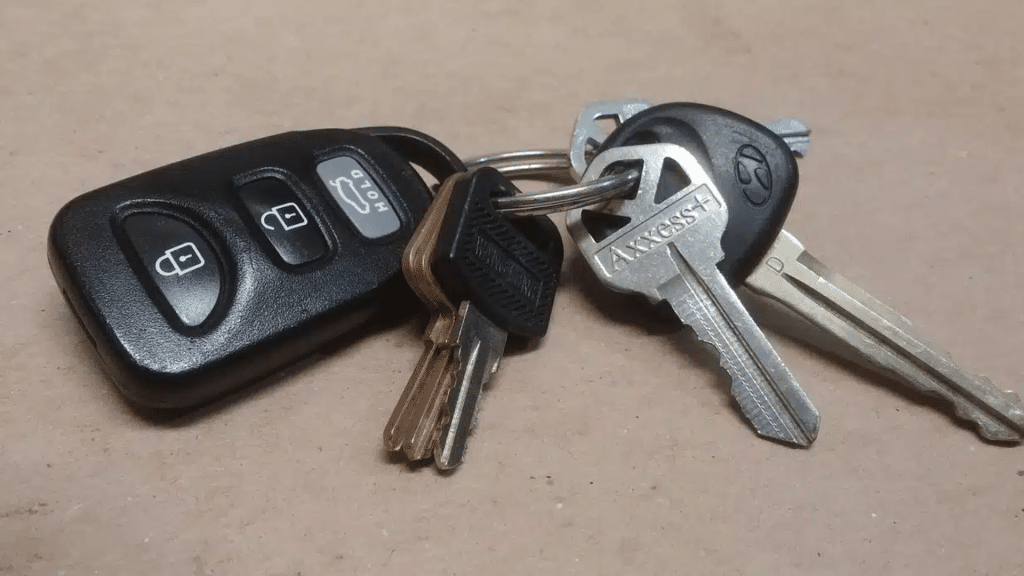
A key fob is a small device that lets you control something without using a regular key.
Today, most people use a key fob to lock or unlock a car, open a garage door, or get into a building with one quick press.
Some fobs look like mini remotes, while others are simple cards you tap to enter a secure area. The interesting part is that the word “fob” once meant something very different.
In the past, it referred to a pocket where people kept their watches or small tools.
Over time, the meaning shifted to the item attached to those tools, and now it refers to the device you carry for access.
This change shows how everyday words can grow and change with new technology while still staying part of daily life.
Early History of Key Fobs
The word “fob” began long before modern remotes existed. It originally referred to a small pocket sewn into clothing where people kept items they needed to reach quickly, like a watch or tiny tools.
Over time, the word shifted from describing the pocket to describing the object attached to a short chain or strap.
Early key fobs were simple key attachments, often decorative pieces or small tags that made keys easier to hold or spot.
They didn’t control anything; they just helped people keep track of their keys. As everyday items changed, the meaning of “fob” changed too.
By the time electronic tools arrived, the word naturally moved with them.
This slow shift set the stage for the modern key fob you use today, even though it started as nothing more than a useful accessory.
How Does a Key Fob Work?
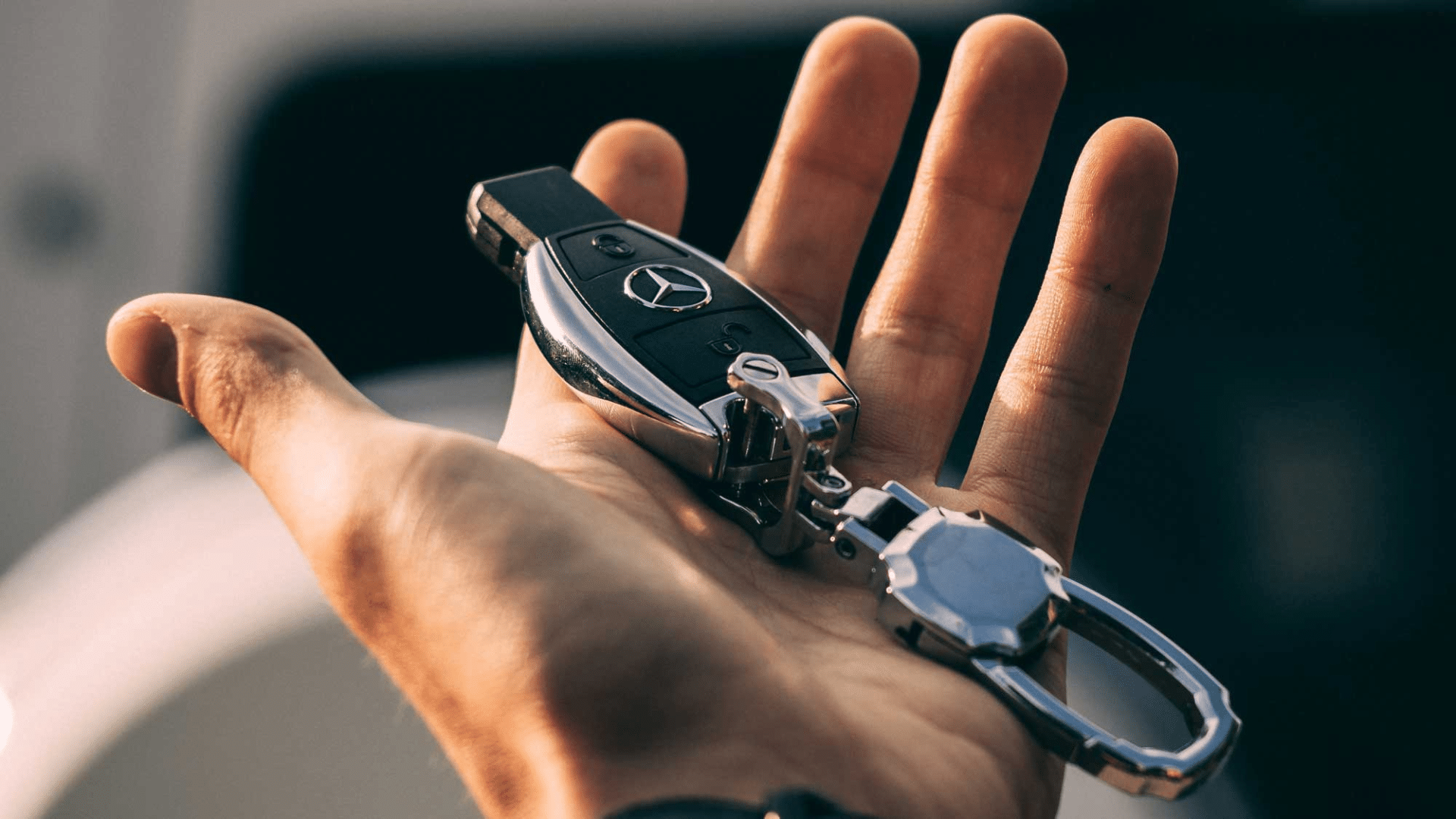
A key fob works by sending a small signal to a receiver that reads the code and unlocks or activates a feature. It’s a quick, wireless way for you to control a device without using a physical key.
Quick Breakdown:
Key fob → sends coded signal → receiver checks code → door/car responds
- A key fob has a tiny chip inside that stores a special code.
- When you press a button, the chip sends out a short radio signal.
- The signal reaches a receiver in your car, door, or device.
- The receiver checks if the code matches the one it expects.
- If the code is correct, the system unlocks, starts, or opens.
- Some fobs use rolling codes that change each time for better security. A lot of people don’t realize that storing your fob too close to the door or car overnight can increase signal-theft risk in some setups.
- Many fobs also include small batteries to power the signal.
Common Key Fob Problems (And Easy Fixes)
Key fobs are reliable, but a few common issues can stop them from working.
-
Fob works only up close: battery is weak or signal is blocked
-
Fob stops working suddenly: battery may be dead
-
Buttons feel stuck: dirt may be trapped around the edges
-
Car doesn’t respond: fob may need reprogramming
-
Fob works sometimes: battery contact may be loose
Most of the time, replacing the battery fixes the problem in minutes.
How to Replace a Key Fob Battery (Simple Steps)
Most key fobs stop working because the battery dies, not because the fob is broken.
-
Look for a small notch or seam on the fob.
-
Use a coin or flat tool to gently pop it open.
-
Remove the old battery and check the code (like CR2032).
-
Insert the new battery the same way.
-
Snap the fob shut and test the buttons.
Tip: If the fob still doesn’t work, clean the battery contact points gently.
How Much Does a Key Fob Replacement Cost?
Key fob replacement costs depend on what type you use.
-
Battery replacement: cheapest and fastest fix
-
Office/building fob: usually low-cost
-
Car key fob replacement: higher because programming is often required
-
Dealer replacement: usually the most expensive
-
Locksmith replacement: often cheaper than a dealership
If a fob is lost, replacing it quickly is important for security.
Advantages of a Key Fob
A key fob offers benefits that make daily access faster, safer, and easier. These advantages explain why many people prefer it over old-fashioned keys.
1. Convenience
A key fob makes everyday tasks faster and easier because it lets you unlock or open something with a single press.
You don’t have to search for the right key, struggle with a tight lock, or juggle items in your hands while trying to get in.
This helps when you’re carrying groceries, managing kids, or rushing to get somewhere on time.
The quick response of a fob removes small hassles you might not notice until they’re gone, making daily routines smoother and more comfortable in real life.
2. Better Security
A key fob offers stronger protection than a regular metal key because it uses coded signals instead of a simple cut pattern.
These signals are harder to copy, which keeps your car or building safer from common break-in attempts.
Many modern fobs use rolling codes, meaning the code changes every time you press a button. This makes it even harder for someone to steal or reuse the signal.
With one quick press, you can lock everything at once and feel sure that your access system is doing its job.
3. Added Features
Key fobs come with extra features that old keys simply can’t offer. You can unlock doors, pop the trunk, start the engine, or turn on the lights from several feet away.
Some fobs let you open garage doors, enter secure areas, or sound an alarm if you need help.
These added options save time and keep you comfortable, especially in bad weather or late at night.
They also give you more control over your space, allowing you to handle several small tasks without walking back and forth.
4. Ease of Use
A key fob is simple for anyone to use because it relies on clear buttons and quick actions instead of twisting a key or lining it up just right.
Kids, older adults, or anyone who prefers a straightforward system can use it without stress.
You don’t have to worry about stiff locks, worn-down keys, or getting stuck outside because something won’t turn. One press usually handles the job instantly.
This ease makes the fob a practical tool for busy families, rushed mornings, and everyday routines.
How Key Fobs Changed Over Time?
Key fobs changed a lot as everyday needs and technology grew. They first started as simple holders or small tags that made keys easier to carry and spot.
People used them mainly for convenience, not control. As electronic systems developed, the idea of the fob shifted from a plain accessory to a tool that could send signals.
Manufacturers began adding chips, buttons, and radio transmitters, turning the fob into a wireless controller.
This change made locking, unlocking, and starting devices much quicker.
Over time, rolling codes and better security features were added, making modern fobs safer and harder to copy.
What began as a simple attachment has now become an essential part of cars, doors, and access systems, showing how a small item can grow with new technology.
Other Uses for Key Fobs
Key fobs work in many places beyond vehicles and make access easier and safer. They help control entry in homes, workplaces, and shared spaces.
1. Building and Office Access
Key fobs are widely used in buildings and offices because they make entry simple and controlled. You can tap or press the fob to unlock doors without using a metal key.
Many workplaces use them to manage who can enter certain areas, which helps improve safety.
They also allow staff to move faster between rooms without dealing with multiple keys. This system keeps track of access, making it easier for offices to maintain secure spaces.
2. Gates and Parking Areas
Key fobs are common in gated communities and parking areas, where they help open gates or barriers with one quick press.
Residents and workers can enter without leaving their cars, which makes the process smoother and safer.
Property managers like them because they can easily update or replace access if someone loses a fob.
This makes it a practical tool for keeping vehicle areas organized and secure while reducing the need for manual checks.
3. Hotels and Guest Spaces
Hotels use fobs or fob-style cards to make check-in and room access fast for guests. With a simple tap, the door unlocks without a traditional key.
Staff can program or reset these fobs quickly, which helps keep rooms secure between guests.
Many hotels also use them for elevators, gyms, and pool areas.
This setup gives guests smooth movement throughout the property while letting the hotel control access in a flexible, reliable way.
4. Secure Storage and Equipment Rooms
Many businesses use key fobs to control access to storage rooms and areas where valuable tools or equipment are kept.
This helps limit entry to only people who need it. With a tap or press, staff can get inside quickly without carrying extra keys.
Fobs also make it easier to update access if roles change.
This keeps supplies safer and helps companies maintain better oversight of important items used during daily work.
Key Fob Case Tips
- A simple silicone case protects your fob from drops and scratches.
- Choose one that fits tightly and doesn’t block the buttons.
- If your fob already feels bulky, skip the case and use a strong key ring.
Conclusion
A key fob may seem small, but its meaning, history, and modern role show how much it does in daily life.
It started as a simple pocket item, then became a key holder, and now works as a wireless device that controls cars, doors, gates, and more.
Knowing how it evolved helps you see why today’s fobs focus on safety, convenience, and easy use.
When you choose or use one, pay attention to the features, the enclosure, and how well it fits your routine. A good fob should feel reliable, simple, and comfortable to carry.
If you want to learn more about key fobs or pick the right one, use guides like this to stay clear and informed.
Frequently Asked Questions
Can a key fob work without a battery?
No, most key fobs need a battery to send a signal. However, some car fobs still include a hidden physical key for emergencies.
How long does a key fob battery last?
Most key fob batteries last around 1 to 3 years, depending on usage. Frequent button presses and extreme temperatures can drain batteries faster.
Can a key fob be tracked if it is lost?
Some modern key fobs can be tracked if they are paired with apps or smart trackers. Standard fobs usually cannot be tracked unless you attach a tracker like an AirTag.
Can someone steal your key fob signal?
Yes, in some cases. Signal relay attacks can happen if someone uses tools to extend the fob signal. Keeping the fob away from doors or using a signal-blocking pouch can reduce this risk.
Do key fobs need to be reprogrammed after replacing the battery?
Usually, no. Most key fobs work immediately after battery replacement. But if the fob loses pairing, some vehicles may require a reset or reprogramming.