For many gearheads out there, buying a Porsche is a big deal. However, it is essential to inspect the car carefully before you buy it to ensure it can perform at the level you require.
\A bit of evaluation will save you from unforeseen troubles and ensure satisfactory outcomes. This article offers useful tips for testing the performance of a Porsche before purchase to ensure your money is invested in the right place.
Examine the Exterior Condition
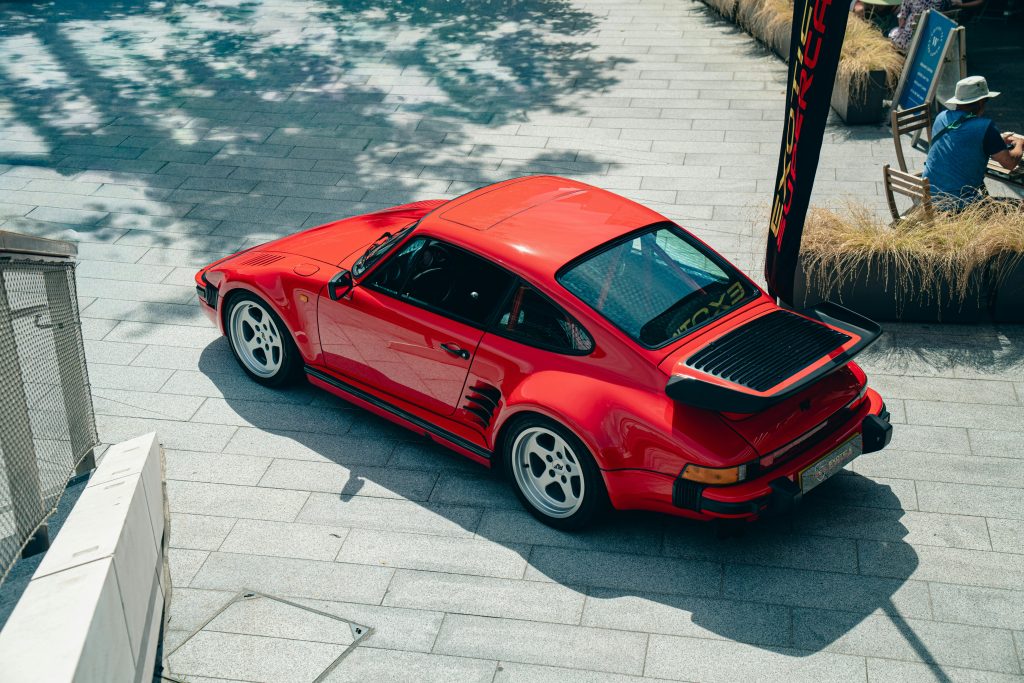
Start with a thorough examination of the exteriors. Look through the paintwork for scratches, nicks, or fading. Check the body panels for any kind of dents or misalignment in terms of gap; these can be a hint of past repairs.
Inspect headlights, taillights, and mirrors for imperfections like cracks or clouding. Inspect the wheels and tires for uneven wear or damage. A basic inspection before you buy a Porsche can give you insights into how previous owners treated the vehicle.
Assess the Engine Bay
Start by popping the hood and looking inside the engine bay area. Inspect for any oil leaks at gaskets and seals. Fluid levels must be checked, too. Take note of any unusual odors of coolant or oil.
Look for cracks, brittleness, or swelling on the belts and hoses. As the engine is started and idled, listen for irregular sounds. If you do not see leaks on the engine or hear strange noises, it means that the engine is in optimal shape.
Review the Maintenance History
Ask the seller for comprehensive service logs. Check the paperwork on history for oil changes, brake servicing, and normal maintenance. Ensure that recommended repairs were performed in a timely manner.
Look out for any major replacements done in the past, like timing belts, spark plugs, etc. A transparent service history instills better trust in the vehicle.
Test Drive for Performance
The best way to know whether or not the Porsche actually lives up to its claims is to take it for a spin. Pay close attention to the sound it makes when you try to accelerate.
Try to shift through every gear, checking for smooth transitions without any jerking. When the brakes are applied, the car should be responsive. Any squeaking or vibrations felt during braking also need to be noted. Pull the steering wheel at various speeds. Test the suspension for comfort and control over bumps and through turns.
Inspect the Suspension and Undercarriage
Check under the vehicle for any rust or corrosion on structural items. Check the shock absorbers for any leaks or dirt packs. Observe for sagging or a tilted stance.
Check all bushings and joints for excessive play or deterioration. This inspection will ensure the stability of the vehicle and provide you with more confidence.
Test the Electronics and Cabin Functions
Use ignition and look out for warning lights on the dashboard. Check that the climate control, radio, navigation, and seat adjustments work.
Examine window buttons, mirrors, and lighting switches. Check the digital screens for any error messages or glitches. A properly functioning interior can help in getting the most comfort and enjoyment out of every trip.
Listen for Strange Noises or Smells
If the car shakes, rattles, creaks, or grinds during the testing process, it may be a sign that the engine, transmission, or brakes are in poor condition.
Watch out for any musty or burning smells in the cabin. Unexplained noises should be looked into, as this could be a sign of worn parts. Being thorough will save you from headaches down the line.
Consult a Specialist or Mechanic
If you want to be on the safe side, have a third party perform a general inspection, preferably by a certified mechanic specializing in performance cars. Someone with years of experience can identify issues that the average buyer might miss.
They cover everything, from engine performance to electronics and frame alignment. Evidence-based support is critical to informed decision-making and risk reduction.
Final Thoughts
To ensure that you are making a smart investment, it is naturally crucial to have a careful inspection before purchasing a Porsche. This will guarantee that your money is invested in the right place and you drive a Porsche that meets all your expectations.
A close look at exterior, mechanical, and electronic details reveals the car’s actual condition. Third-party evaluation, test drives, and maintenance records can further help you with sound decision-making when buying a Porsche.