Corporate event marketing is one of those things people underestimate until the room is half-empty.
I’ve worked on corporate events where the venue, speakers, and agenda were perfect, but attendance fell short because the promotion was too generic.
The truth is, marketing a corporate event is not just about “getting people to register.”
It’s about attracting the right audience, getting them to show up, and giving them a reason to take action after the event.
In this guide, I’ll walk you through the exact steps that work for real corporate events, including:
- A simple marketing timeline you can follow
- Tools that make promotion easier
- Real-world examples and common mistakes
- Templates for follow-up and ROI tracking
By the end, you’ll have a clear system to market corporate events with confidence.
What Is Event Marketing?

Event marketing is the strategic use of events to promote a brand, product, or service. It involves organizing and promoting events to engage with a target audience in person or virtually.
These events can range from corporate conferences and trade shows to product launches and team-building activities.
The goal of event marketing is to create memorable experiences that help achieve specific business objectives, such as building brand awareness, generating leads, strengthening customer loyalty, or educating employees.
Effective event marketing combines creative planning, clear messaging, and targeted promotion to ensure maximum attendance and engagement.
By leveraging the right mix of marketing channels, from email and social media to paid ads and influencer partnerships, businesses can reach their ideal audience and create lasting impressions.
Corporate Event Marketing vs Regular Marketing (What’s Different?)
Corporate event marketing is different from normal marketing because the goal isn’t just clicks or awareness.
You’re marketing a real-world commitment: someone has to take time off work, travel, show up, and stay engaged.
That means corporate event marketing depends heavily on:
-
Trust (people don’t attend unknown events)
-
Clear value (networking, learning, leads, internal alignment)
-
Reminder systems (registrations don’t equal attendance)
-
Post-event conversion (leads are worthless without follow-up)
This is why the best corporate event strategies focus on both attendance and outcomes, not just sign-ups.
What Are Corporate Events?
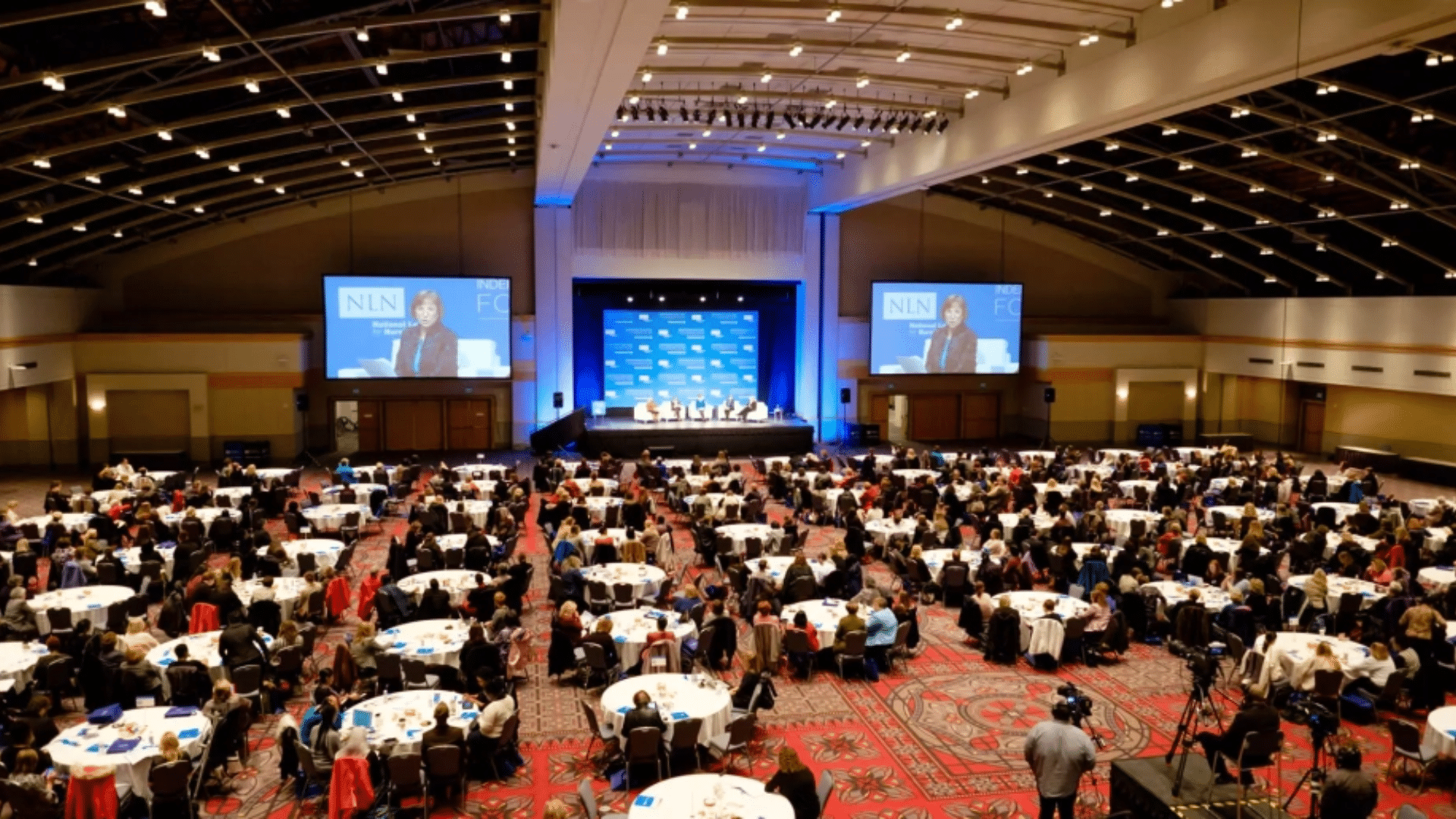
Corporate events are gatherings organized by companies for various purposes, such as promoting a brand, educating employees, or fostering client relationships.
These events can take many forms, including conferences, seminars, product launches, trade shows, team-building activities, and company parties.
The primary goal of corporate events is to create meaningful connections with employees, clients, or potential customers while advancing the company’s business objectives.
For example, a product launch event might aim to generate buzz and drive sales, while a team-building retreat focuses on improving collaboration and morale within a company.
Corporate events also serve as platforms for networking, knowledge sharing, and celebrating milestones.
The Importance of Branding in Corporate Events
Branding plays a crucial role in corporate events, creating a unified identity that reflects your company’s values and goals. Look at how effective branding enhances the event experience:
- Establishes a Cohesive Identity: Consistent use of logos, colors, and messaging helps reinforce your company’s image.
- Enhances Professionalism: Strong branding elevates the event’s overall appearance, making it more polished and professional.
- Boosts Memorability: Well-executed branding ensures the event stands out and is memorable for attendees.
- Builds Trust and Loyalty: Clear branding fosters a sense of trust and encourages customer loyalty.
- Strengthens Communication: Branding through signage, promotional materials, and social media effectively communicates your company’s message.
- Creates a Lasting Impression: Integrating your brand into every aspect of the event leaves a lasting impact that extends beyond the event itself.
Steps to Effectively Market Corporate Events
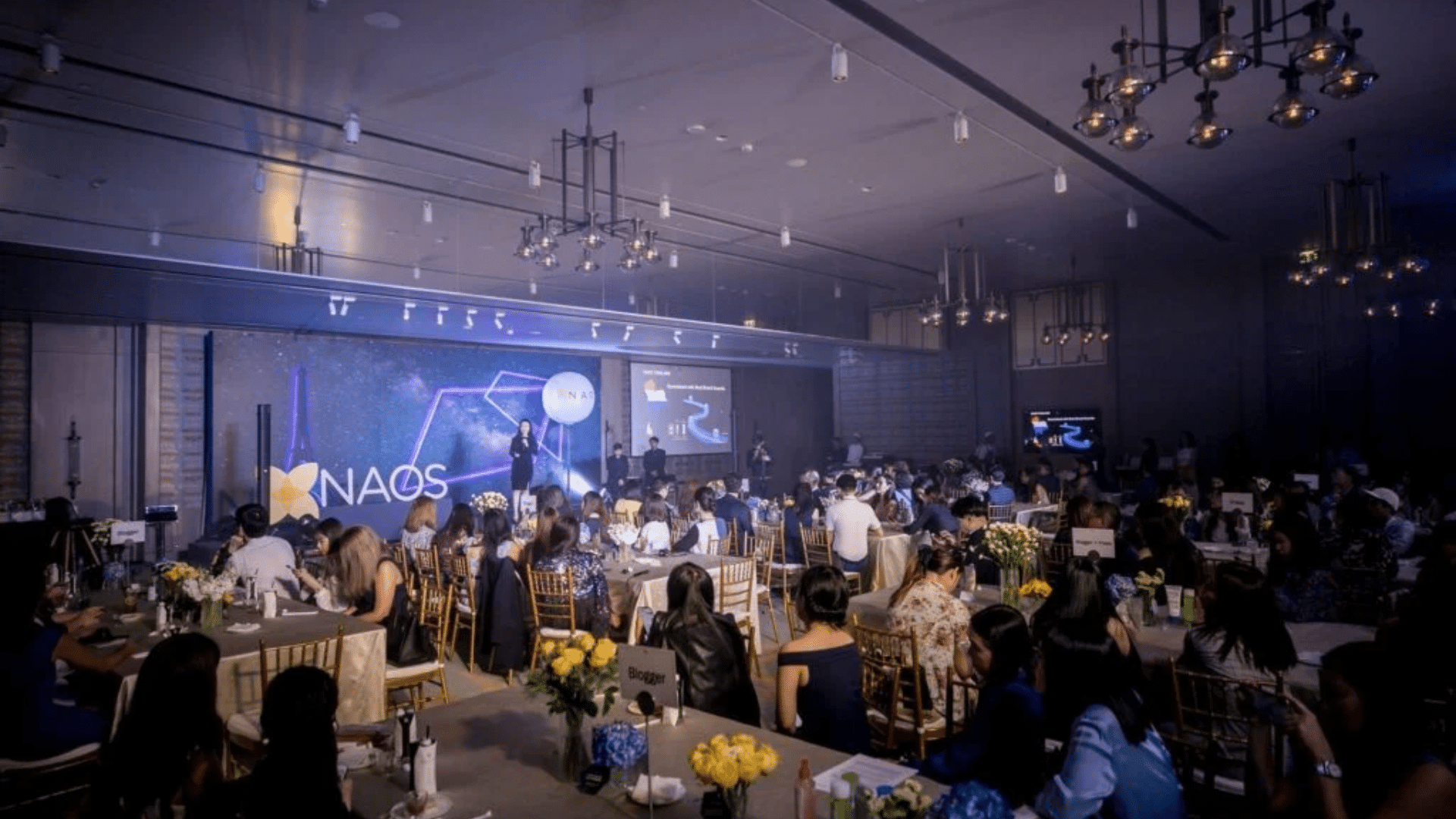
Effective corporate event marketing involves a series of strategic steps, from setting clear objectives to engaging attendees, ensuring that each element contributes to a memorable and successful event.
1. Setting Clear Objectives for Your Event
Begin by defining the purpose of your event. Do you want to generate leads, raise brand awareness, or engage employees? Setting clear objectives will steer your marketing efforts and help measure your success.
Write down your goals and ensure that your event’s purpose aligns with your business strategy. Knowing your objectives helps focus your event’s messaging and activities.
2. Understanding Your Target Audience
Understanding your target audience is essential for crafting effective marketing. Take time to identify their preferences, challenges, and demographics.
This knowledge allows you to personalize your marketing messages and tailor your approach, ensuring that it resonates with your audience’s needs.
By speaking directly to their interests, you improve your chances of attracting and engaging the right people for your event.
3. Crafting Your Event Message
Your event’s message should clearly communicate its value to potential attendees.
Highlight the benefits of attending, such as key speakers, networking opportunities, or exclusive content.
Ensure that the message aligns with the interests and challenges of your target audience.
A compelling message grabs attention and drives attendance, so it’s crucial that it resonates with your audience’s needs and desires.
4. Selecting the Right Marketing Channels
Choosing the right marketing channels is crucial to reaching your audience effectively.
Utilize email marketing, social media, paid ads, and content marketing based on where your audience spends their time.
Consider listing your event on event platforms like Eventbrite to increase visibility.
Social media can help build excitement through teasers and countdowns, while email ensures you reach a targeted, engaged audience directly.
Best Tools for Corporate Event Marketing (Quick Comparison)
| Tool | Best For | Why It Works |
|---|---|---|
| Eventbrite | Public ticketed events | Easy registration + shareable listings |
| Cvent | Enterprise corporate events | Strong reporting + sponsor tools |
| Hopin | Virtual + hybrid events | Built for engagement + networking |
| Splash | Branded invite-only events | Great for design + VIP events |
| Zoom Events | Webinars + online events | Simple for attendance + reminders |
| LinkedIn Events | B2B professional audiences | Great for organic reach + trust |
5. Creating Engaging Event Content
Engaging content is key to generating excitement and interest for your event. Share sneak peeks, behind-the-scenes footage, and speaker spotlights to keep your audience engaged.
Interactive elements like polls or quizzes can further encourage participation.
The goal is to create anticipation and make attendees feel connected to the event even before it begins.
6. Building Partnerships and Sponsorships
Partnering with sponsors and collaborators can amplify your event’s reach. Seek out brands or businesses that align with your event’s theme or objectives.
Sponsors can bring credibility, additional resources, and extended visibility.
Ensure that your sponsors are highlighted during the event through branded materials, speaking opportunities, or event mentions.
7. Implementing Event Technology
Incorporating event technology enhances the attendee experience and makes event management more efficient.
Use event apps to provide schedules, speaker information, and networking opportunities.
Consider live streaming to extend your event’s reach to remote attendees. Interactive displays, real-time feedback tools, and virtual platforms further engage your audience, improving their experience.
Technology helps streamline processes and offers modern solutions to enhance participation.
8. Tracking and Engaging With Attendees
Engagement should continue throughout the event. Use social media and event apps to keep attendees engaged before, during, and after the event.
Encourage them to share their experiences, connect with others, and participate in discussions related to the event.
Keeping the momentum going through engagement helps maintain excitement and encourages attendees to remain invested. Post-event engagement also ensures a long-lasting relationship.
9. Measuring Event Success
Measuring the success of your event is essential for understanding its effectiveness. Track key metrics such as attendance, engagement levels, lead generation, and attendee feedback.
Use surveys or polls to gather insights from attendees, allowing you to evaluate what worked and what didn’t.
This will inform your future event marketing strategies, helping you continuously improve and achieve better results.
10. Continuous Improvement for Future Events
Use the insights gained from the current event to improve future events. Identify strategies that worked and areas that need improvement.
This ongoing process of evaluation and adaptation ensures that your corporate events remain relevant, engaging, and successful.
Innovate by integrating new trends, technologies, and strategies to keep your events fresh and appealing to your target audience, driving long-term success.
Real Examples of Corporate Event Marketing (Mini Case Studies)
Here are 3 real-world-style examples of how corporate event marketing plays out in practice.
Case Study 1: B2B Lead Generation Event
A company hosted a 1-day industry networking event with 120 registrations.
The main goal was pipeline growth, not just attendance.
-
Attendance rate: 68%
-
Leads collected: 46
-
Qualified leads: 18
-
Cost per lead: $38
-
Outcome: 3 deals entered the pipeline within 30 days
The biggest win was using a strong follow-up sequence and booking meetings directly from the event.
Case Study 2: Product Launch Event
A software brand launched a new feature through a live demo event.
Instead of selling “a webinar,” they marketed a clear benefit: what attendees would learn and unlock.
-
Registrations: 540
-
Attendance rate: 52%
-
Live engagement: 190+ chat messages
-
Post-event replay views: 1,200+
-
Outcome: 14% of attendees requested a trial
The key driver here was using teaser clips and short speaker videos before the event.
Case Study 3: Internal Employee Event
A company hosted an employee town hall and training day.
The focus was morale, clarity, and internal alignment.
-
Attendance: 92%
-
Employee feedback score: 4.6/5
-
Most valued element: live Q&A
-
Outcome: improved trust and clearer team direction
For internal events, the “marketing” is less about ads and more about messaging and buy-in.
Event Metrics: Tracking Success and ROI
Measuring the success of your corporate event through key metrics and ROI analysis helps ensure your event delivers value and meets its objectives.
| Metric | Description | KPI (Key Performance Indicator) |
|---|---|---|
| Attendance Rate | Percentage of registered attendees who show up to the event. | Total attendees/total registrants |
| Engagement Level | Levels of interaction from attendees during the event (sessions, Q&A, workshops). | Average interactions per session |
| Lead Generation | The number of new leads or sales generated during or after the event. | Total leads generated |
| Sponsorship Revenue | Total revenue earned from sponsors or partnerships during the event. | Total sponsorship revenue |
| Cost per Lead | The cost incurred to acquire each lead during the event. | Total event cost/total leads generated |
| Post-event Surveys | Surveys and feedback from attendees on their experience and satisfaction. | Average rating from surveys |
| Social Media Mentions | The number of mentions or posts related to your event on social media. | Number of mentions, hashtags, or shares |
| Brand Awareness | The level of awareness your brand gained among attendees and outside audiences. | Increased website traffic or inquiries post-event |
| Attendee Feedback | Qualitative feedback from attendees, including their satisfaction and suggestions. | Average satisfaction rating from surveys |
| Revenue Generated | Total revenue generated from ticket sales, product launches, and other sources. | Revenue from ticket sales and product/service sales |
Tips for Effective Corporate Event Management
Managing a corporate event requires careful planning and execution to ensure a seamless experience for attendees and achieve your business goals.
- Set a Realistic Budget: Allocate resources efficiently, ensuring you cover all necessary aspects without overspending.
- Choose the Right Venue: Select a location that suits the event’s size, purpose, and logistics and aligns with your brand’s image.
- Leverage Technology: Use event management software and apps for smoother registration, scheduling, and communication.
- Hire Skilled Vendors: Work with experienced vendors for catering, audio-visual support, and other essential services to ensure quality.
- Engage Attendees Before the Event: Keep potential attendees engaged with sneak peeks, updates, and teasers to build excitement.
- Have a Clear Agenda: Create a detailed event schedule to ensure a smooth flow and allow time for networking and key activities.
- Plan for Contingencies: Always have backup plans in place for potential disruptions, such as technical failures or weather issues.
- Promote the Event Effectively: Utilize multiple marketing channels to attract a wide audience, including email, social media, and content marketing.
- Measure Event Success: Collect feedback and analyze key metrics like attendance, engagement, and ROI to evaluate the event’s impact.
Corporate Event Marketing Timeline (6-Week Template)
Here’s a simple timeline you can follow for most corporate events.
6 Weeks Before
-
Finalize event topic + value proposition
-
Create landing page + registration form
-
Confirm speakers and agenda highlights
4 Weeks Before
-
Launch email invites
-
Post speaker announcements
-
Publish 1 blog or LinkedIn post tied to event theme
3 Weeks Before
-
Run reminder emails
-
Begin paid ads if needed
-
Partner with sponsors or industry pages
2 Weeks Before
-
Push urgency (“limited seats” or deadline)
-
Share behind-the-scenes content
-
Encourage registrants to invite colleagues
1 Week Before
-
Send calendar reminders
-
Share final agenda
-
Post a short teaser clip or quote from speakers
Event Week
-
Same-day reminder email
-
Social posting during the event
-
Post-event email within 24 hours
Common Corporate Event Marketing Mistakes (And How to Avoid Them)
Here are the mistakes I see most often when teams market corporate events.
| Mistake # | Common Marketing Mistake | Why It’s a Problem | How to Avoid It (Fix) |
|---|---|---|---|
| Mistake 1 | Measuring registrations instead of attendance | Events can look “successful” on paper, but flop in real attendance | Track show-up rate and send reminders |
| Mistake 2 | Promoting too late | Corporate audiences need time to plan | Start marketing 4–6 weeks early |
| Mistake 3 | Generic messaging | If your event sounds like every other event, people skip it | Promote outcomes, not features |
| Mistake 4 | No post-event follow-up | This is where most ROI is lost | Use a 3-email follow-up sequence |
Post-Event Follow-Up Email Template (Copy-Paste)
Subject: Thanks for joining — here’s the replay + next steps
Hi [Name],
Thanks for attending [Event Name]. I really appreciate you taking the time to join.
Here’s the replay link: [Replay]
Here are the key takeaways in 3 bullets:
-
[Takeaway 1]
-
[Takeaway 2]
-
[Takeaway 3]
If you’d like help applying this to your team, you can book a short call here: [Link].
Thanks again,
[Your Name]
Conclusion
Corporate event marketing can feel overwhelming, but once you treat it as a repeatable system, it becomes much easier.
The biggest shift is this: don’t market the event. Market the outcome.
When your messaging is clear, your channels match your audience, and your follow-up is strong, corporate events become one of the most powerful ways to build trust, generate leads, and strengthen your brand.
If you’re planning a corporate event soon, use the timeline and templates above and track your results. That’s how you improve every single time.
Frequently Asked Questions
How far in advance should you market a corporate event?
Most corporate events need 4–6 weeks of promotion. Larger conferences may need 8–12 weeks.
What is a good corporate event attendance rate?
A strong show-up rate is usually 50%–70%, depending on the audience and event format.
How do you calculate corporate event ROI?
You can calculate ROI using: (Event revenue or pipeline value – total cost) ÷ total cost
What marketing channels work best for B2B events?
Email + LinkedIn usually outperform other platforms because they reach professionals in a work mindset.
What should you send after the event?
A replay, key takeaways, and a clear next step like booking a meeting or downloading a resource.