
You know that feeling when you walk into a clinic while feeling unwell and see long lines filled with coughs everywhere, which makes everything feel even harder.
Waiting in that space can slow your recovery because your body needs calm care instead of more stress.
Your health should always come first, yet many clinics only have a few doctors, which makes the load almost impossible during busy hours.
As AI grows, many simple problems can now be solved at home through tools that talk with you and guide your choices.
This rise makes conversational AI valuable in healthcare for people who want quick support without long lines.
I will be telling you how it works and how it helps with real uses, benefits, and common challenges.
But before that, let’s understand what conversational AI is & why it’s necessary.
What is Conversational AI in Healthcare?
Conversational AI in healthcare is an AI-powered system that talks with people in real-time through text or voice, helping them understand medical information without feeling stressed.
It handles common questions, guides users through simple steps, and manages tasks like booking visits or checking basic symptoms while staying fully safe for private medical use.
According to a study, doctors spend around 15-18 minutes with the patient themselves, so extra support becomes useful for everyone.
Hospitals use these tools in many forms, like chat systems, voice assistants, or basic scribes that listen during visits and prepare clinical notes for providers.
The system understands context, learns from past talks, and passes complex issues to real staff when the situation needs human judgment.
How Conversational AI Works?
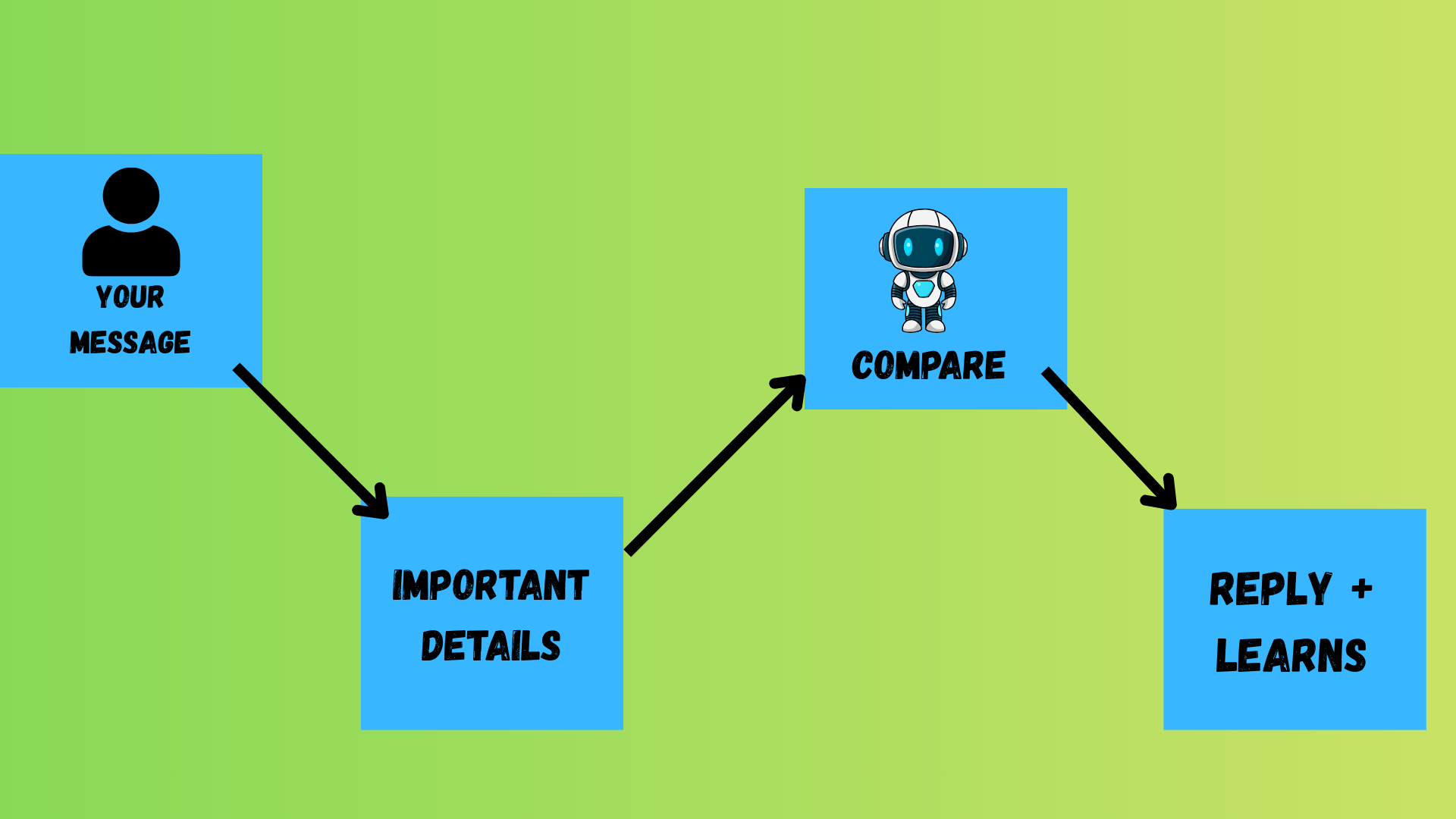
Conversational AI in healthcare works like a competent helper that listens to your words, turns them into data, and then builds a helpful reply.
It uses tools like speech-to-text, natural language processing (NLP), and large-language-models (LLM) to understand meaning instead of just matching simple keywords.
- First, the system takes your voice or text, cleans it up, and picks out important pieces like symptoms, dates, medicines, or personal details.
- Next, an AI model compares those details with medical rules or trusted guides and then forms a clear answer that fits the question.
- Finally, it sends the reply as text or speech, logs the chat for learning, and passes tricky issues to humans when needed for safety.
Many systems connect with electronic health records so they can pull lab reports, visit notes, or allergies in real-time without forcing staff to search.
Benefits of Conversational AI in Healthcare

Conversational AI brings strong support to healthcare because it gives patients steady help in real-time and keeps daily tasks simple during busy hours.
- Cuts long waits by answering common questions quickly, which helps people feel calmer while dealing with simple health concerns that usually cause stress.
- Helps people stay on track with medicine or follow-ups by sending reminders that lower missed visits and support steady care for long-term health needs.
- Lightens work for doctors and nurses by sorting easy questions and preparing basic notes, giving staff more time for cases that need human focus.
- Saves clinics’ money by reducing missed visits and lowering pressure on support teams, who often handle large amounts of calls every day.
These gains help both patients and staff work smoothly while keeping care safe and clear.
Real-Life Use Cases of Conversational AI in Healthcare

These examples show how different hospitals use conversational AI to support daily tasks, reduce delays, and help staff focus on care that truly needs human attention.
1. Providence (USA) Using the Grace AI Chatbot
Providence uses a tool called Grace that helps sort MyChart messages and guides patients toward the right service without long waits.
It checks questions, picks the correct care category, and suggests appointment times that fit the patient’s needs. Staff review tougher cases when needed, making the whole process smoother.
This setup reduces message overload while giving patients a quicker path to clear answers during busy hours.
2. Tampa General Hospital Using Nuance Dax Copilot
Tampa General Hospital uses Nuance’s DAX Copilot, which listens during visits and turns spoken details into clean clinical notes that match each medical specialty.
This saves staff from typing long records after visits and helps reduce mistakes caused by rushing.
Teams like it because the tool captures stories in a natural way, allowing providers to keep their focus on the patient sitting in front of them.
3. Community Health Systems (CHS) With Denim Health
CHS uses a conversational bot created by Denim Health that confirms the caller’s identity, listens for intent, and moves the call to the correct team.
This reduces long waits because the system sorts calls before they reach agents. Callers also feel less stressed since they reach the right person faster.
Staff save time because fewer people end up in the wrong place, which often slows everything down.
4. Ochsner Health Using Epic and Azure OpenAI
Ochsner Health uses a pilot inside Epic that drafts simple patient-portal messages using Microsoft’s Azure OpenAI Service.
The AI prepares a first draft, and the clinician checks it before sending, so nothing goes out without human review.
This helps staff clear their inbox faster while keeping messages clear and polite for patients. It also reduces the time nurses spend answering routine questions every day.
5. UW Health Using a MyChart Generative-AI Pilot
UW Health runs a pilot inside MyChart and a patient portal created by Epic that drafts replies to patient questions, giving nurses a helpful starting point instead of forcing them to create every answer from scratch.
The nurse edits the message, adds details, and sends it when it feels right for the situation.
This setup reduces inbox pressure while keeping human control over each response. Patients also receive answers faster than before.
Challenges and Limitations of Conversational AI

Conversational AI brings helpful support, but it also has limits that health teams must handle with care:
- These systems can struggle when a question is unclear, which sometimes leads to wrong replies that confuse patients.
- Some people also need help getting used to digital tools, especially when they feel nervous about sharing personal details online during stressful moments.
- Another issue comes from private data because the system must keep everything safe while talking in real-time with people who expect complete privacy.
- Many clinics face trouble connecting the AI with old record systems, which often slows teams and increases costs.
- Staff must also check replies for safety, because not every message can be trusted without human review.
- These tools must follow HIPAA, GDPR, and SOC 2, which require strong protection, clear logs, controlled access, and safe storage for every detail the system sees during real use.
These limits show why AI must work with humans instead of replacing them.
Future Trends in Conversational AI for Healthcare
Conversational AI will grow stronger as new tools connect patient chats with home devices that track things like blood pressure or glucose in real-time.
This gives staff early warnings when something looks unsafe, helping them reach out before problems grow.
Many clinics expect faster systems that answer questions with better accuracy, even when the patient uses simple words to explain symptoms.
More hospitals will use learning methods that keep data private while still improving the AI, which helps the system stay updated without exposing personal details.
New rules will guide how these tools handle medical information, making everything safer for both patients and staff.
Clinics will also use more voice options that support different languages, helping people who struggle with typed messages or long instructions during stressful moments.
Best Practices for Healthcare Providers Using Conversational AI

These steps help clinics use conversational AI in a safe and smooth way that supports both patients and staff during busy days.
- Start with one simple use, like reminders or basic questions, so teams learn the system slowly without feeling stressed or overloaded during daily tasks.
- Teach staff how the tool works and show them how it answers common concerns, which builds trust and helps everyone stay on the same page.
- Give the system clear examples from your clinic, because real messages help it learn better patterns and respond with simple words patients understand.
- Set up fast human support for tough questions, making sure people always reach a real person when the situation needs careful attention.
- Check reports that show patient trends and adjust settings often, keeping replies accurate and helpful as needs change across the clinic.
Following these simple steps helps clinics use AI in a smart way that supports safe communication and smoother daily care.
Conclusion
We both know that care feels easier when someone listens, and conversational AI brings that feeling to many people who want simple answers during stressful moments.
It gives calm support and helps you understand your choices while keeping real doctors free for the moments that truly need human care.
I feel this mix of human skill and smart tools can make health visits less confusing for many people who need steady help.
You can also expect better access as more clinics use these tools, especially for people who live far away from large hospitals.
While not completely depending on AI, it can help in solving basic issues quickly, saving time for doctors.
Do you think a simple chat tool could make your own care feel smoother during busy days at the clinic?
Tell us, share with us in the comments below!