When I look for a simple way to charge my devices, I often check if a model works with wireless pads without extra steps.
That search usually leads me to check if a phone is a Qi-enabled phone, since this feature makes charging easier at home, at work, or while traveling.
Many users want the same ease, but finding precise details can feel confusing because each brand treats wireless charging a little differently.
In this guide, I’m focusing on the models that support wireless charging and how this feature fits into everyday use.
I also try to explain the differences across brands so readers can compare options without extra effort.
By the end, the list should help narrow down the right match for personal charging needs.
What are Qi-Enabled Phones?
Qi-compatible phones are mobile devices built with internal coils that support the Qi wireless charging standard, allowing them to charge on certified pads without cables.
These qi-enabled devices activate charging automatically once placed on a compatible surface, relying on magnetic induction to transfer power safely.
Their design helps reduce wear on charging ports, since no physical connector is required during daily use.
Many models include software that manages heat and adjusts power flow to protect battery health during extended sessions.
The feature has expanded beyond premium models, appearing in mid-range devices from several major brands.
Apple Qi-Enabled Phones
These offer steady wireless charging support across recent generations, giving users reliable performance and easy compatibility with Qi pads.
1. iPhone 16 Series
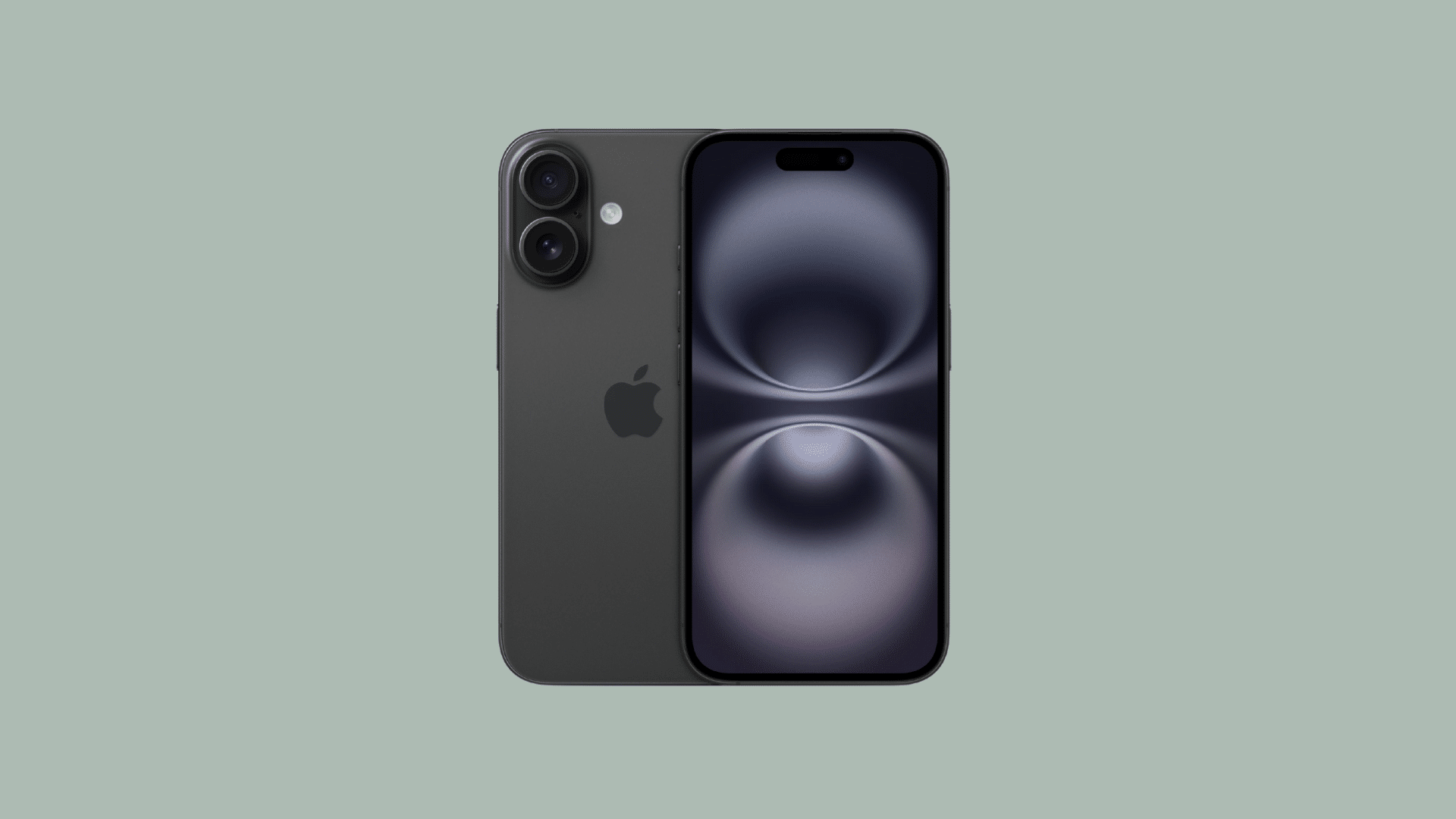
These models stand out among Qi-enabled phones for their consistent 15W MagSafe wireless performance.
Their added magnetic alignment improves placement accuracy, reducing energy loss and keeping temperatures stable during charging.
As Qi-compatible phones, the lineup supports a broad range of accessories, making it simple for users to pick chargers that meet daily needs.
These devices maintain strong thermal control, ensuring efficiency during long sessions.
2. iPhone 15 Series
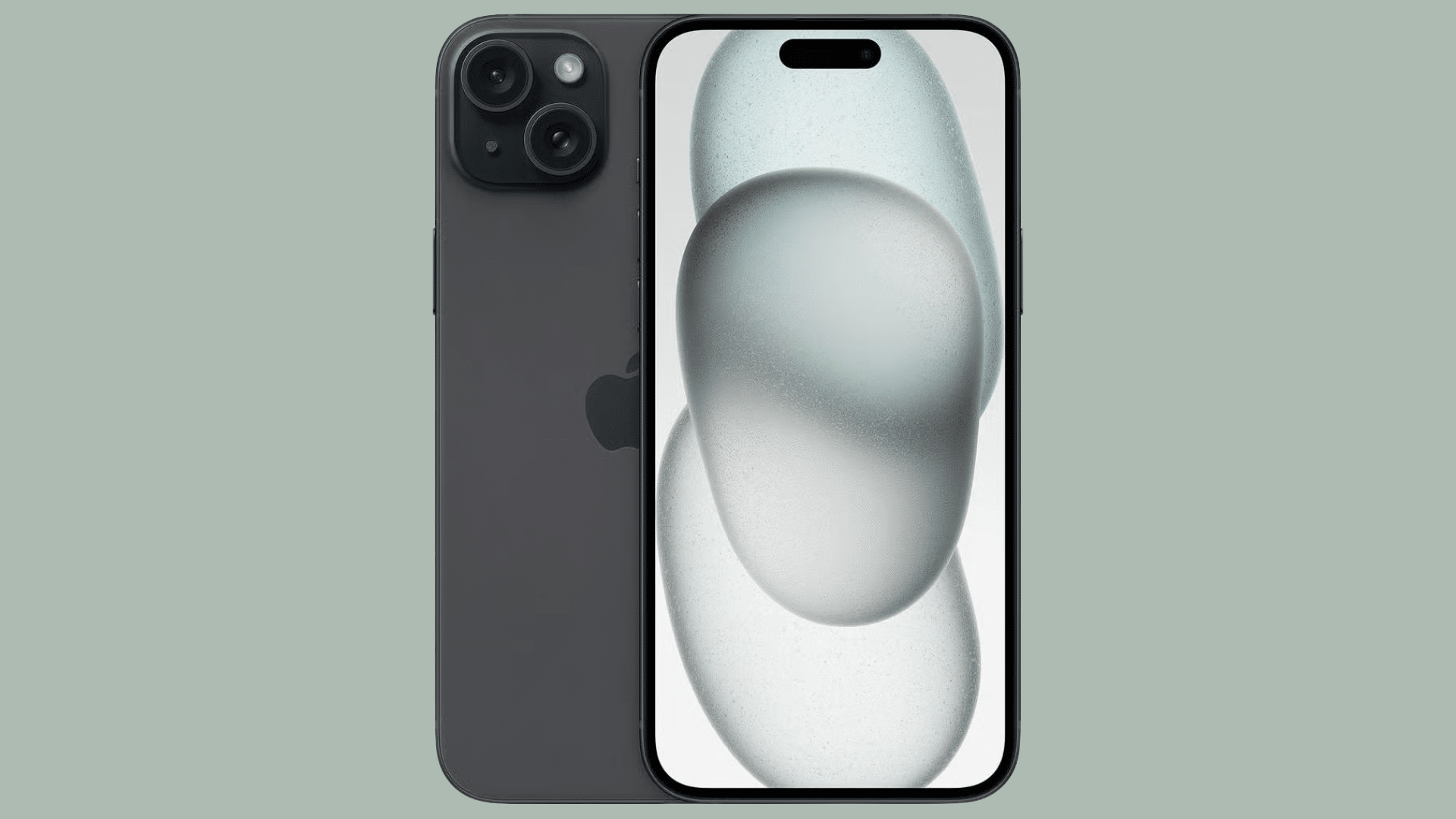
These devices continue Apple’s wireless performance trend, offering reliable 15W capability that places them firmly among leading Qi-enabled phones.
Their magnetic system helps users avoid misalignment, reducing charging interruptions.
The battery system is tuned to preserve stable speeds throughout use, maintaining consistent power delivery.
Their build also helps regulate heat, especially during extended charging.
3. iPhone 14 Series
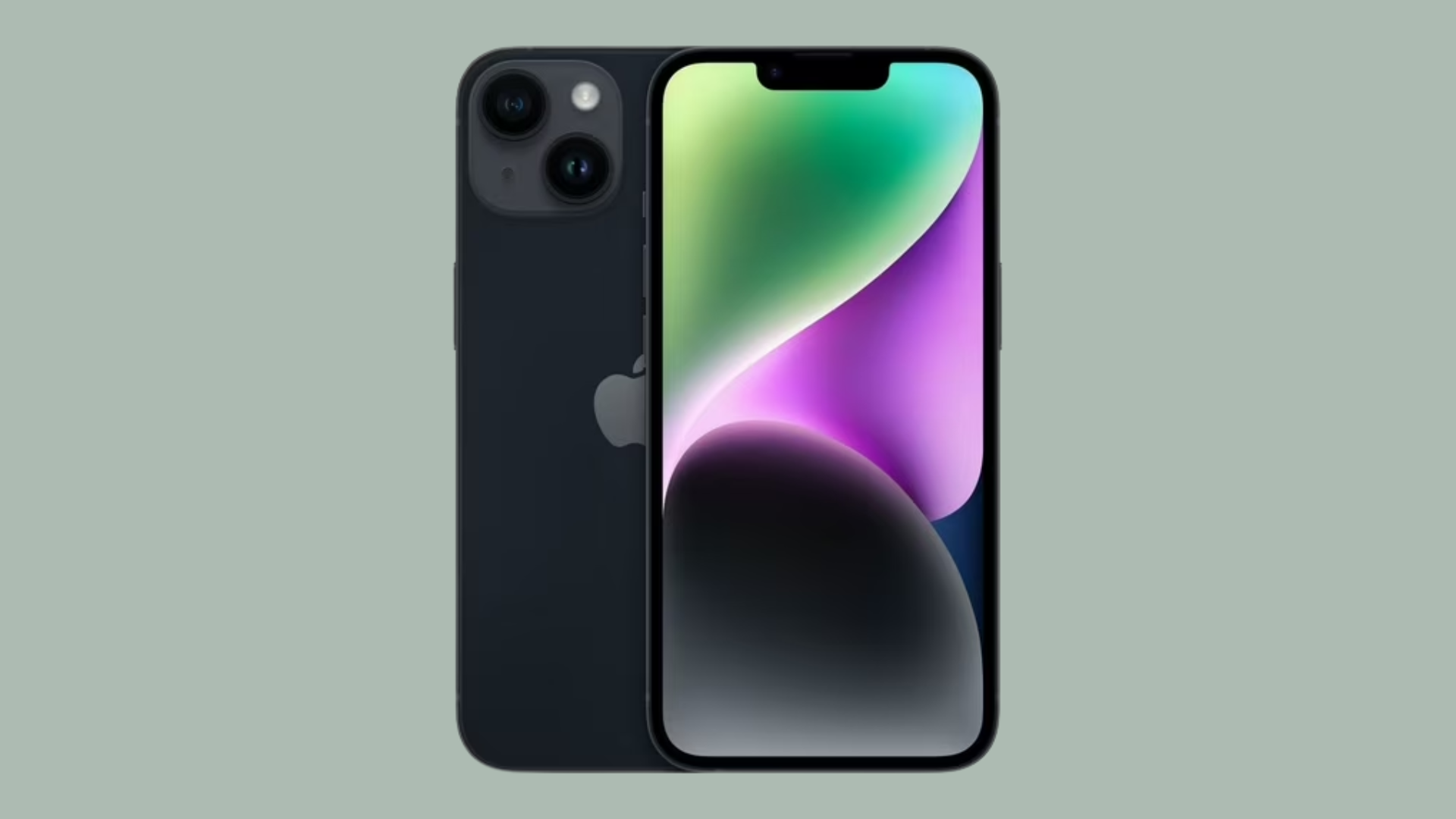
Their MagSafe alignment improves accuracy and reduces the need for repositioning.
As qi-compatible phones, they integrate easily into setups that include stands, bedside mats, or vehicle mounts.
Their hardware helps maintain temperature stability, lowering the risk of slowdowns during extended charging.
Their wireless system is engineered for predictable charging output, making them strong everyday options for users who rely on cable-free power.
Qi-enabled phones of Samsung Galaxy
Samsung’s Qi-enabled phones offer fast wireless speeds, solid compatibility, and broad support across the Galaxy lineup, making them versatile for many charging setups.
4. Galaxy S24 Series
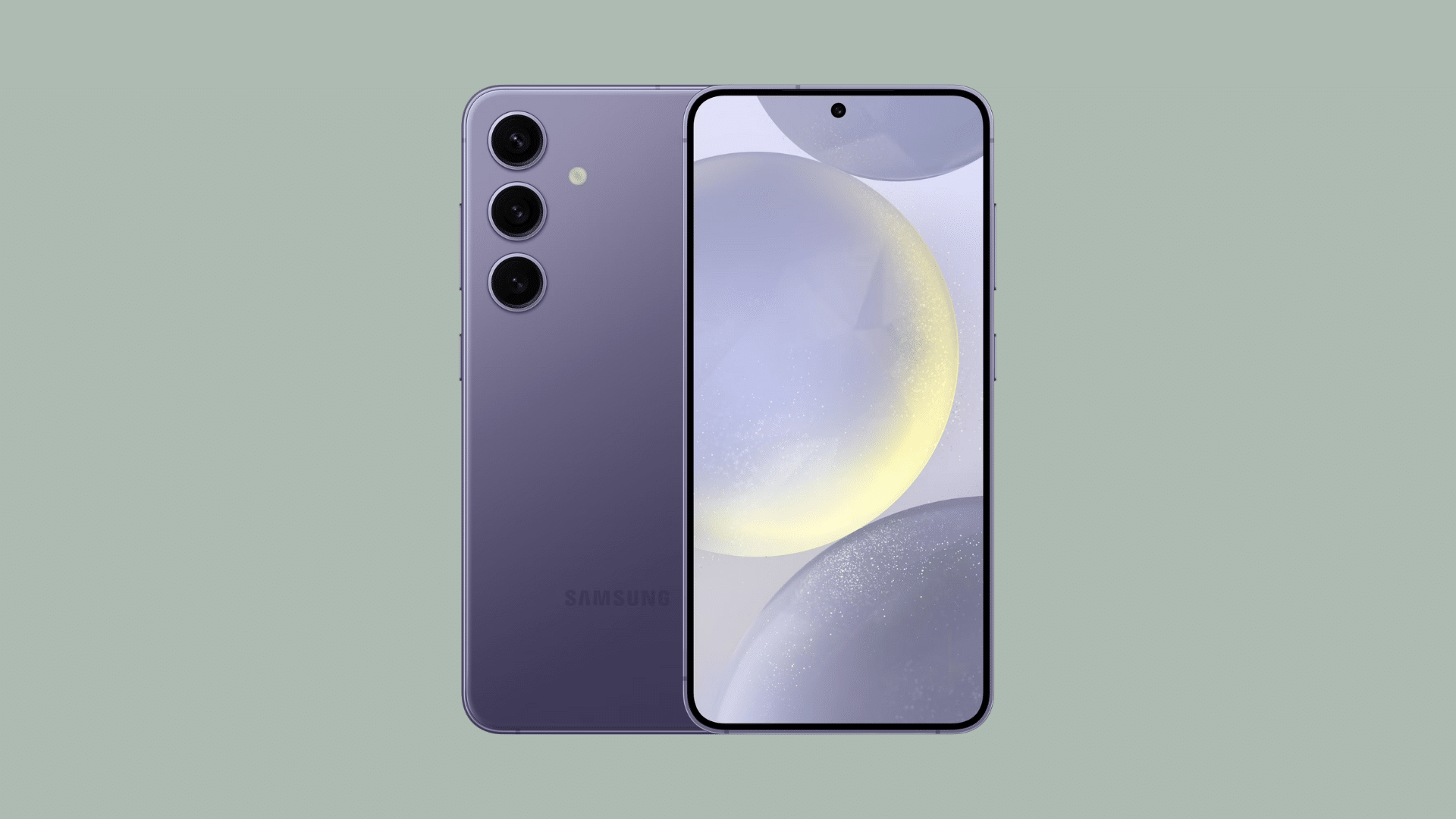
These models rank among high-performance Qi-enabled phones, offering stable 15W charging suitable for stands, pads, and convertible chargers.
Their heat-control features help maintain steady speeds during long sessions.
Their software actively manages charging conditions to protect the battery from overheating or inconsistent output.
The device architecture also supports accessories designed for gaming or multi-tasking environments, keeping the phone powered while in use.
5. Galaxy S23 Series
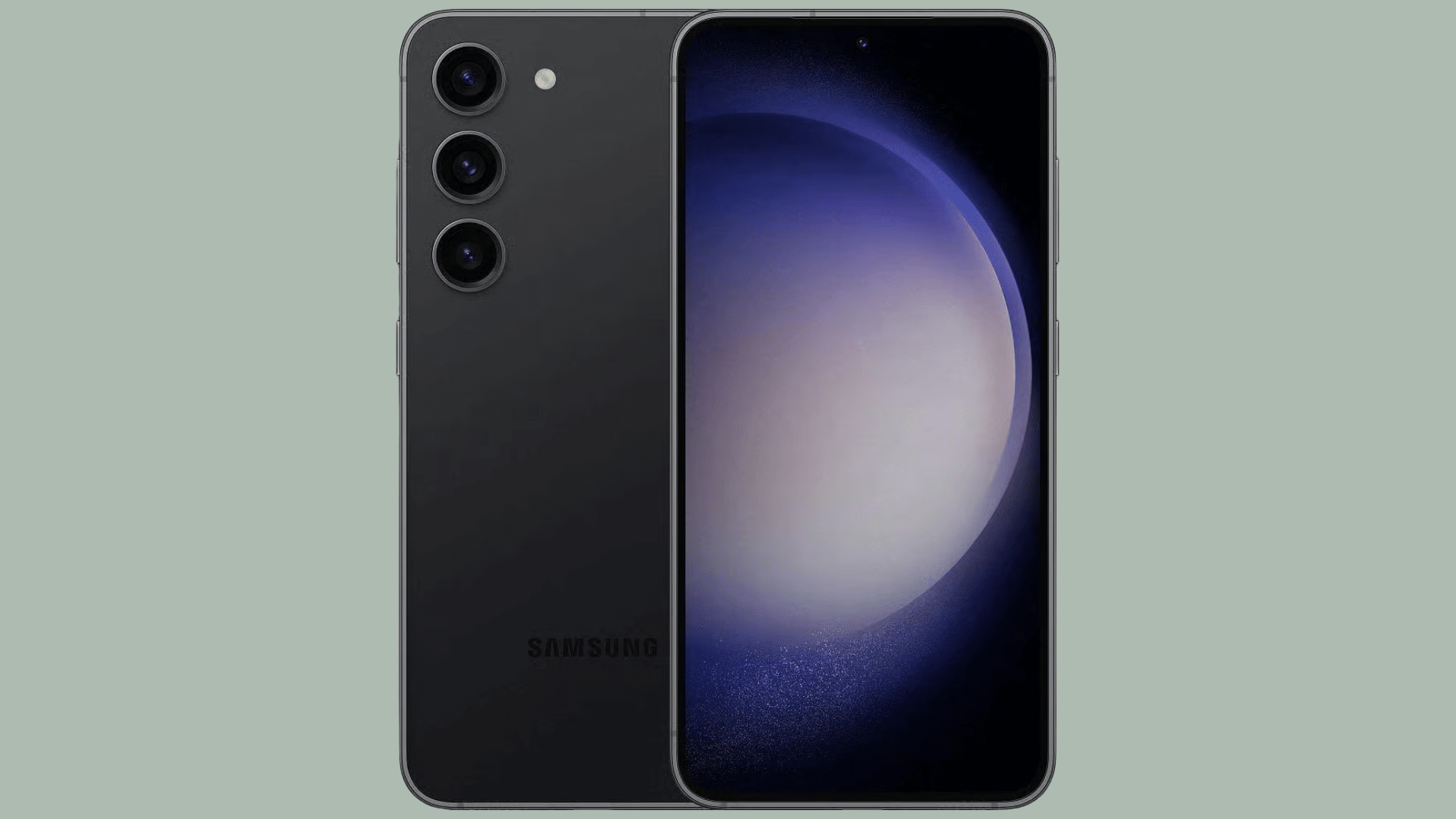
Their internal design assists with thermal balance, helping maintain predictable speeds during high-power sessions.
These models also support battery-optimization software, ensuring long-term charging health.
Their compatibility extends to travel-friendly chargers, which makes them suitable for users who switch between home and office setups.
Their reliable hardware and consistent Qi performance help ensure smooth daily charging without the need for cables.
6. Galaxy Z Fold6 and Flip6
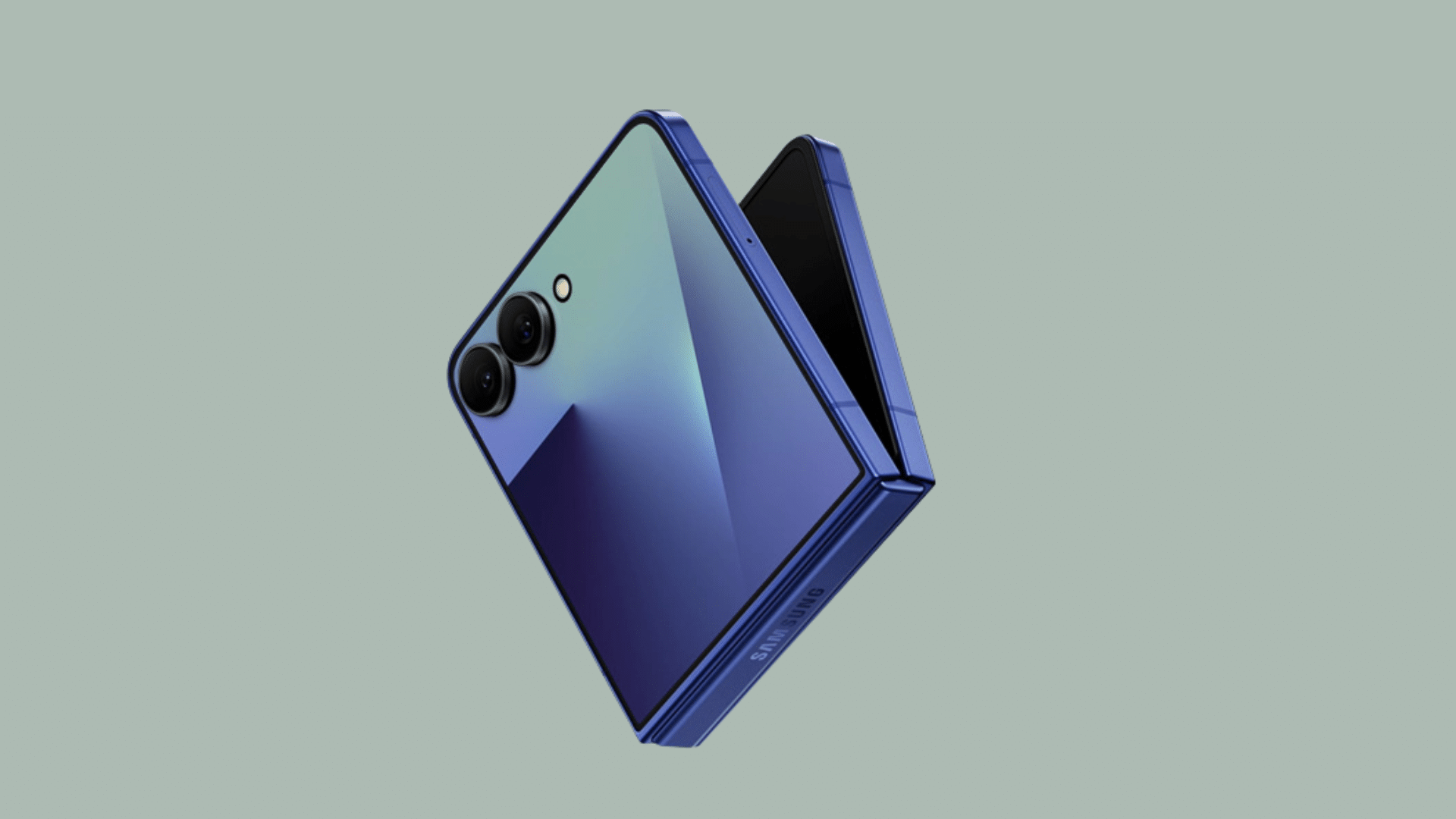
These foldable models deliver strong wireless performance despite their unique designs, placing them among advanced Qi-enabled phones.
They support efficient coil alignment even when folded or partially open, allowing users to charge in varied positions.
Their sturdy thermal structure helps manage heat during higher-power sessions.
They also support accessories that allow placement in multiple orientations, offering more freedom than standard devices.
Google Qi-enabled phones
Google’s lineup of Qi-compatible phones emphasizes reliable charging performance with enhanced optimization when paired with compatible Pixel charging stands.
7. Pixel 9 Series, Including Pro and Fold
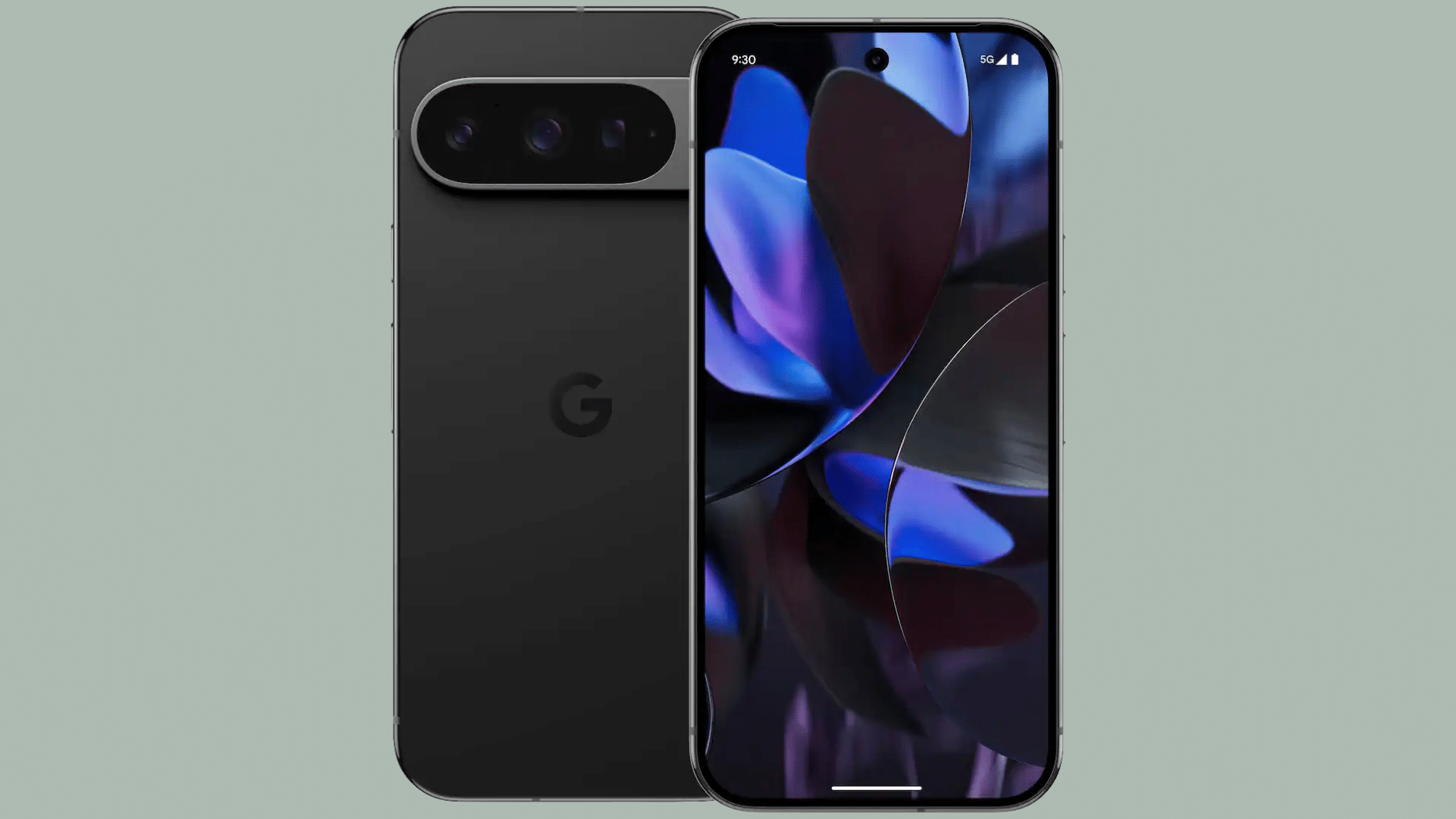
This series stands out among qi-enabled phones due to its higher wattage support when used with optimized stands.
Their advanced hardware ensures consistent charging through heavy use, making them strong candidates for users who depend on frequent wireless sessions.
They connect easily with standard Qi pads while offering improved speeds with Pixel-branded accessories.
Their foldable option maintains alignment well, even when placed at various angles.
8. Pixel 8 Series and 8a
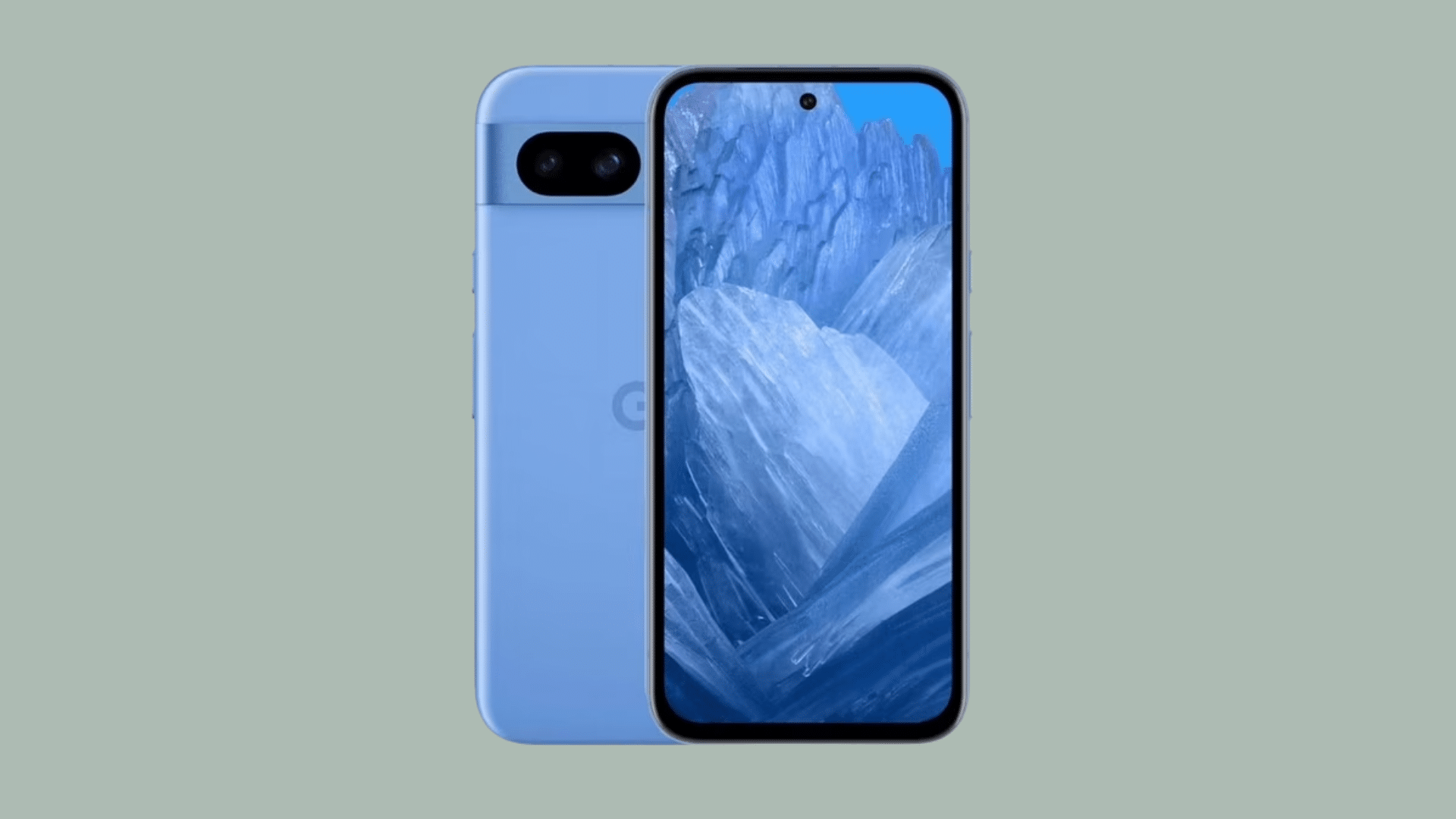
These models continue Google’s strong wireless foundation, ranking well among mid-to-high-range Qi-enabled phones.
They adjust power delivery based on coil positioning, helping maintain steady speeds.
When paired with compatible charging stands, these units reach higher wattage levels, boosting efficiency.
As Qi-compatible phones, they fit seamlessly into setups using standard Qi accessories, offering flexibility for home and office use.
Qi-Enabled Phones of Other Brands
Many Android manufacturers now design phones that deliver fast speeds, strong compatibility, and flexible charging options across multiple premium and mid-range models.
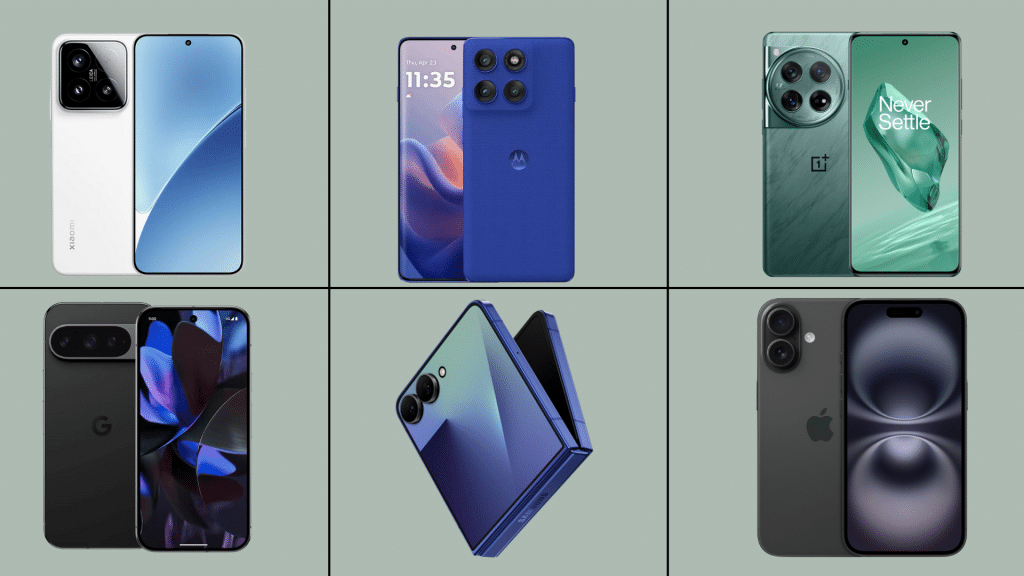
9. OnePlus 12
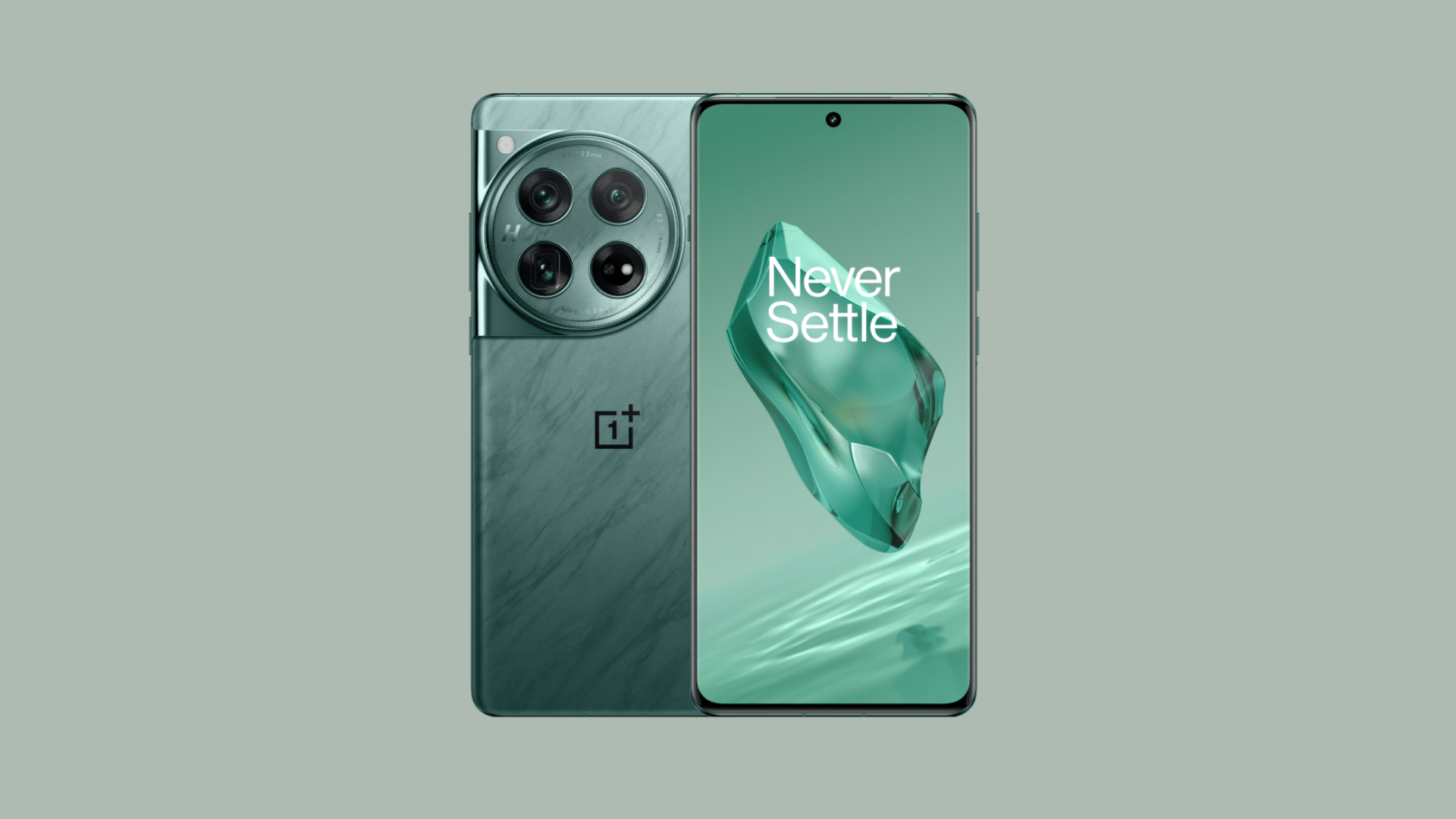
As one of the more advanced qi-enabled devices, it supports up to 50W charging when paired with proprietary accessories, allowing rapid replenishment times.
As a Qi-compatible phone, it maintains standard Qi functionality while offering enhanced performance through specialized chargers.
Its cooling system is designed to stabilize temperatures during high-power charging, ensuring consistent delivery.
The coil configuration supports reliable placement on both vertical and horizontal stands, making it suitable for varied environments.
10. Xiaomi 15
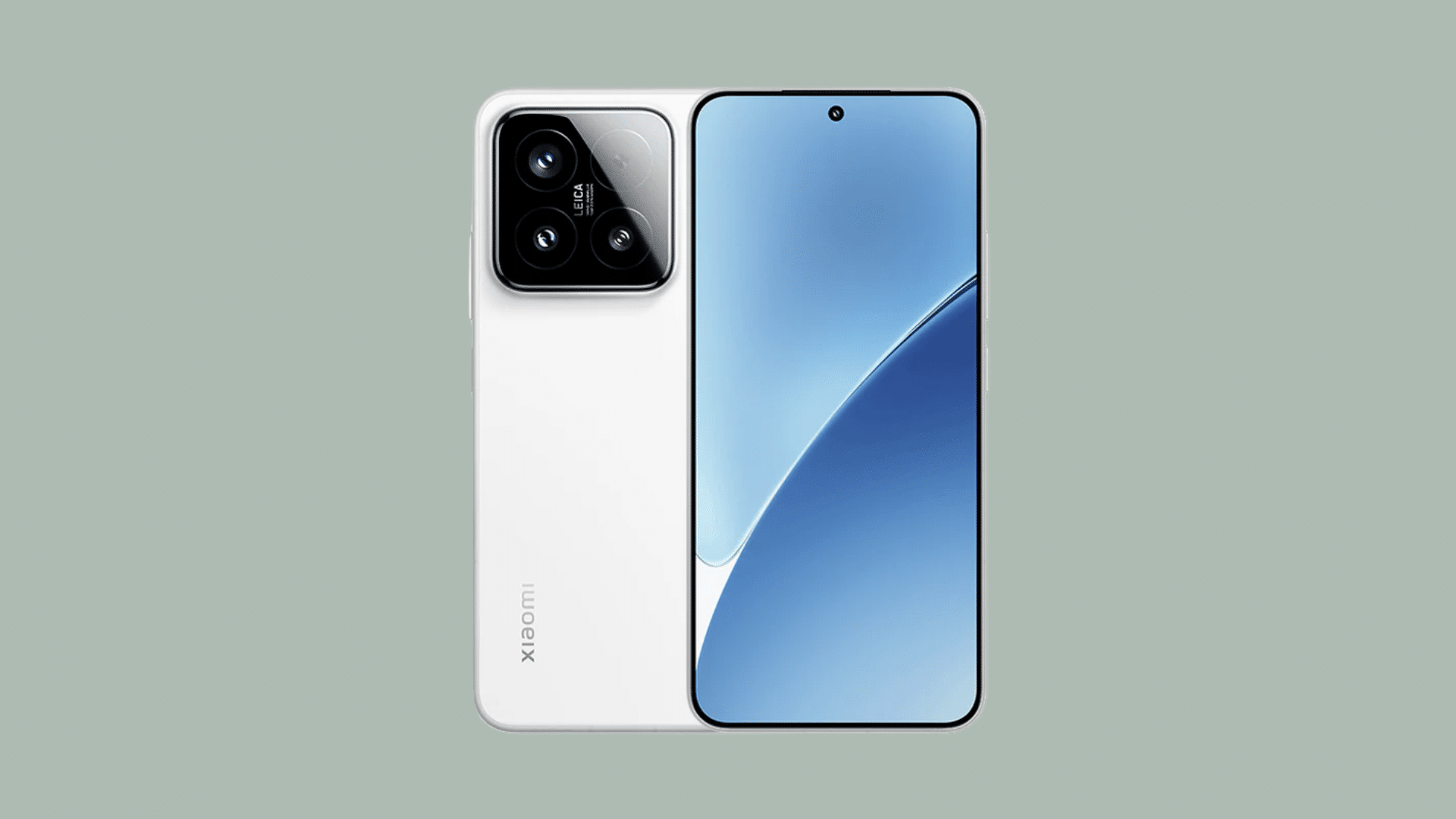
It provides dependable connectivity with standard Qi pads and stands, offering stable speeds suitable for day-to-day needs.
Its coil placement helps users achieve reliable alignment on various accessory types.
It supports a wide selection of chargers already available in the Android ecosystem, making integration straightforward.
Battery-management algorithms monitor heat and power distribution to preserve performance throughout long charging periods.
11. Motorola Edge 60 Pro
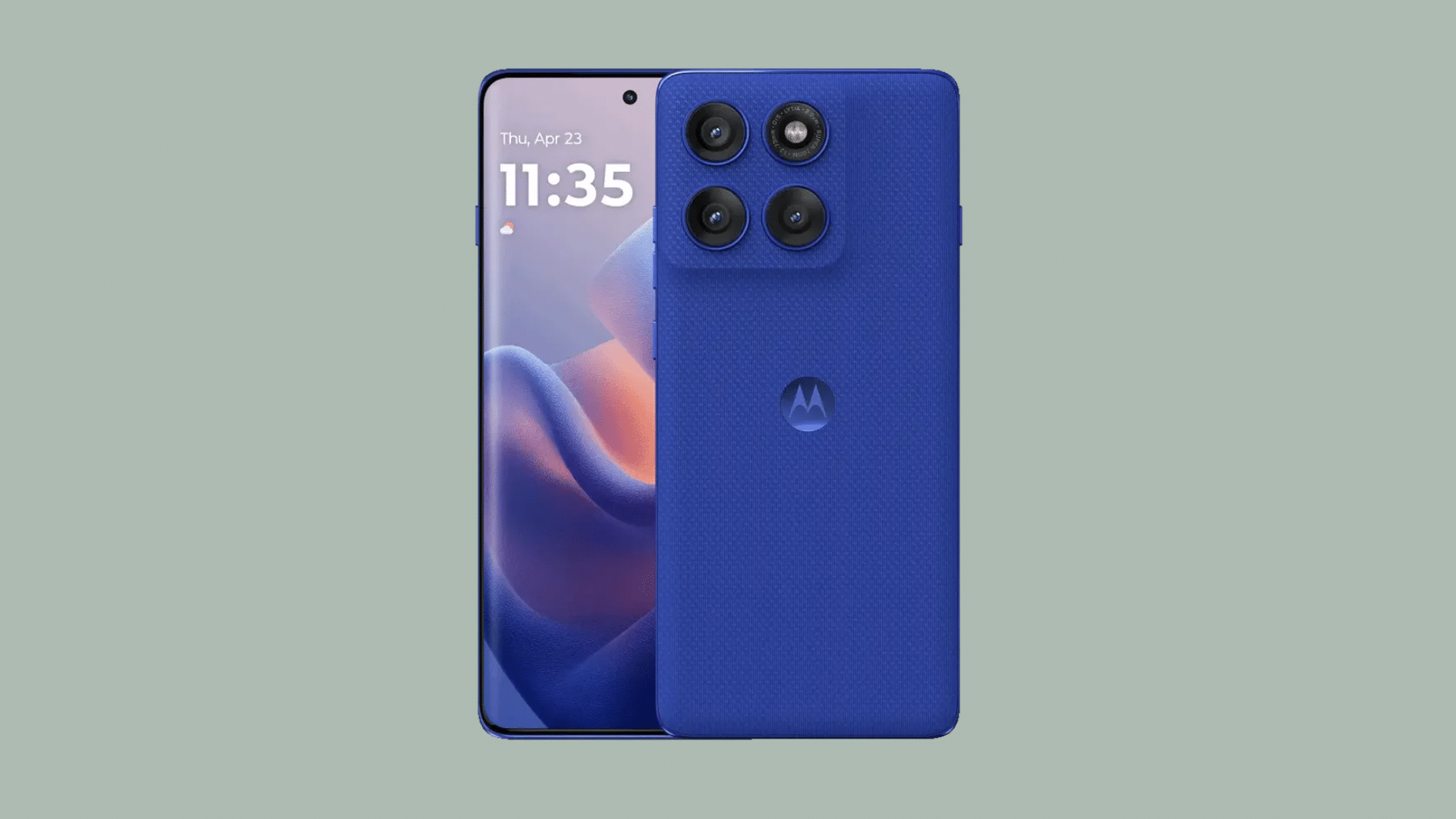
This model provides strong wireless support and remains a dependable option among mid-range Qi-enabled phones.
They achieve solid alignment with standard pads, promoting consistent energy transfer.
As a qi-compatible phone, it fits seamlessly into setups that include portable mats, adjustable stands, and multi-device chargers.
Its thermal system manages heat effectively to maintain steady charging speeds. Battery software helps regulate power levels for balanced charging over extended periods.
Charging Tips for Qi-Enabled Phones
I like to keep charging simple, so these tips help make wireless use smoother and more reliable for daily routines.
- Use a certified Qi charger: Ensures safe power delivery and stable performance during each charging session.
- Keep the phone centered on the pad: Helps maintain proper coil alignment for steady charging speeds.
- Remove thick or metal cases: Prevents interference that can slow charging or cause heat buildup.
- Avoid charging on soft surfaces: This allows better airflow and supports safer temperature control.
- Let the phone cool before charging: Reduces heat stress and helps protect long-term battery health.
Conclusion
As I wrap this up, I hope the details here make it easier to compare models across different brands.
Choosing a Qi-enabled phone can simplify routines and reduce the need for constant cable use. It also creates a cleaner setup at home or work.
Each manufacturer handles wireless charging in its own way, yet the core benefit remains the same, which is steady power with almost no effort.
This list offers a simple starting point for anyone checking which phones support wireless charging.
It also helps clarify how these features behave in everyday use.
If you’re ready to pick a device, take a moment to review the specs and match them with your charger.
Have thoughts or questions? Add them in the comments below.