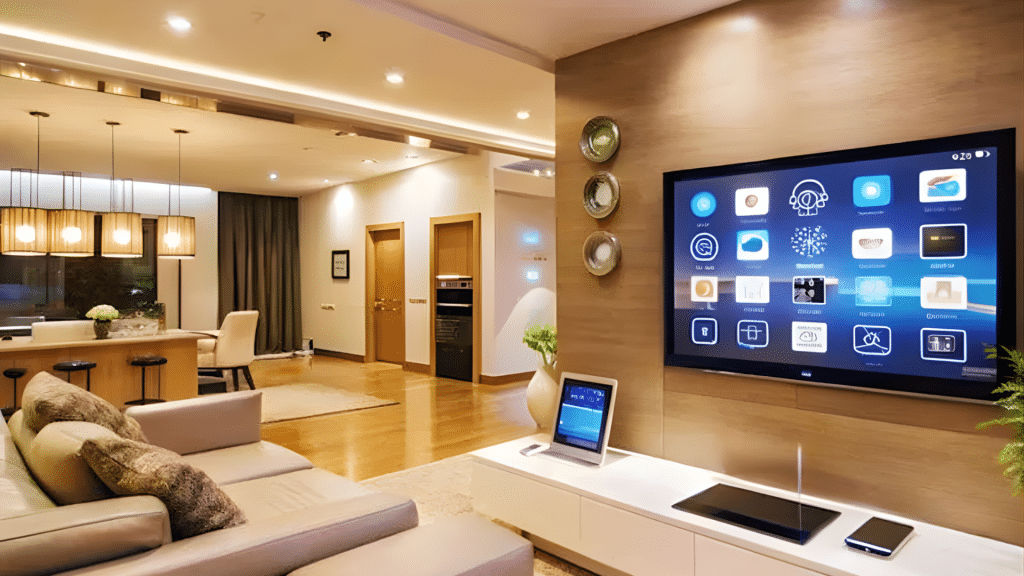
When I started looking for innovative ways to run my house, I realized many simple upgrades could make everyday tasks easier.
I wanted tools that saved time, added comfort, and handled the small things I often forgot.
As I tested different options, I learned that the best home automation ideas aren’t about making life flashy; they’re about making routines smoother.
In this guide, I’m sharing practical options you can set up without feeling overwhelmed.
You’ll find ideas that help with lighting, security, cleaning, and daily habits, so you can choose what fits your space.
If you’re just getting started or adding a few new tools, there’s something here to help your home work better for you.
Why Do Home Automation Ideas Matter Today?
Home automation matters to me today because it has become one of the most practical ways to simplify daily life while staying connected to my home in more innovative ways.
I’ve realized that automations aren’t just about convenience; they help me save energy, improve security, and create a home that adapts to my routine instead of the other way around.
Whether I’m turning off lights automatically, checking cameras when I’m away, or letting systems handle tasks I used to forget, automation gives me more control with less effort.
It also creates a sense of peace, knowing that essential things like safety, comfort, and efficiency are consistently handled.
For me, home automation is no longer a luxury but a modern necessity that truly improves everyday living.
Smart Home Automation Ideas to Try
Smart home automation can make everyday life easier by handling tasks automatically and creating a more comfortable, efficient living space.
1. Automated Smart Lighting Scenes

Lights can automatically adjust brightness and color temperature throughout the day to support energy, relaxation, or productivity.
Morning scenes gradually increase brightness to simulate sunrise, while evening scenes shift to warm tones that reduce eye strain.
It also improves convenience by activating lights when users enter a room using motion sensors.
Scene presets can enhance activities like reading, cooking, or watching movies by automatically optimizing lighting conditions.
2. Motion-Activated Pathway Lighting
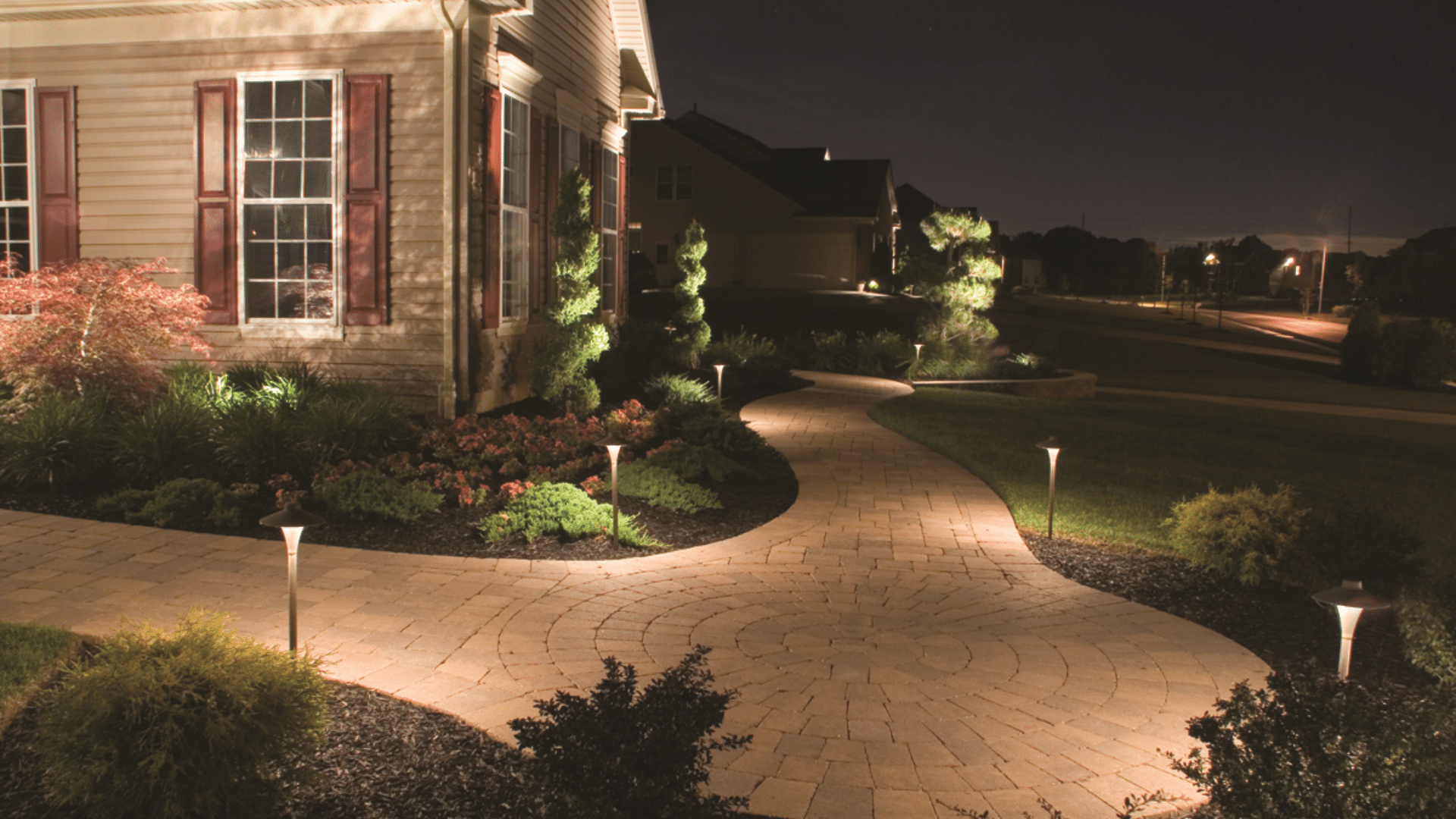
These lights enhance safety by reducing nighttime tripping hazards and creating soft illumination that avoids harsh glare.
Motion sensors detect movement and light the way only when needed, conserving energy during periods of inactivity. These kinds of home automation ideas are also environmentally friendly.
This automation is beneficial for children, seniors, and nighttime navigation. In outdoor spaces, it improves home security by deterring unwanted activity and guiding guests safely.
Low-profile LED strips or under-cabinet lights blend seamlessly into architecture, offering practical benefits without visual clutter.
3. Smart Thermostat Temperature Scheduling
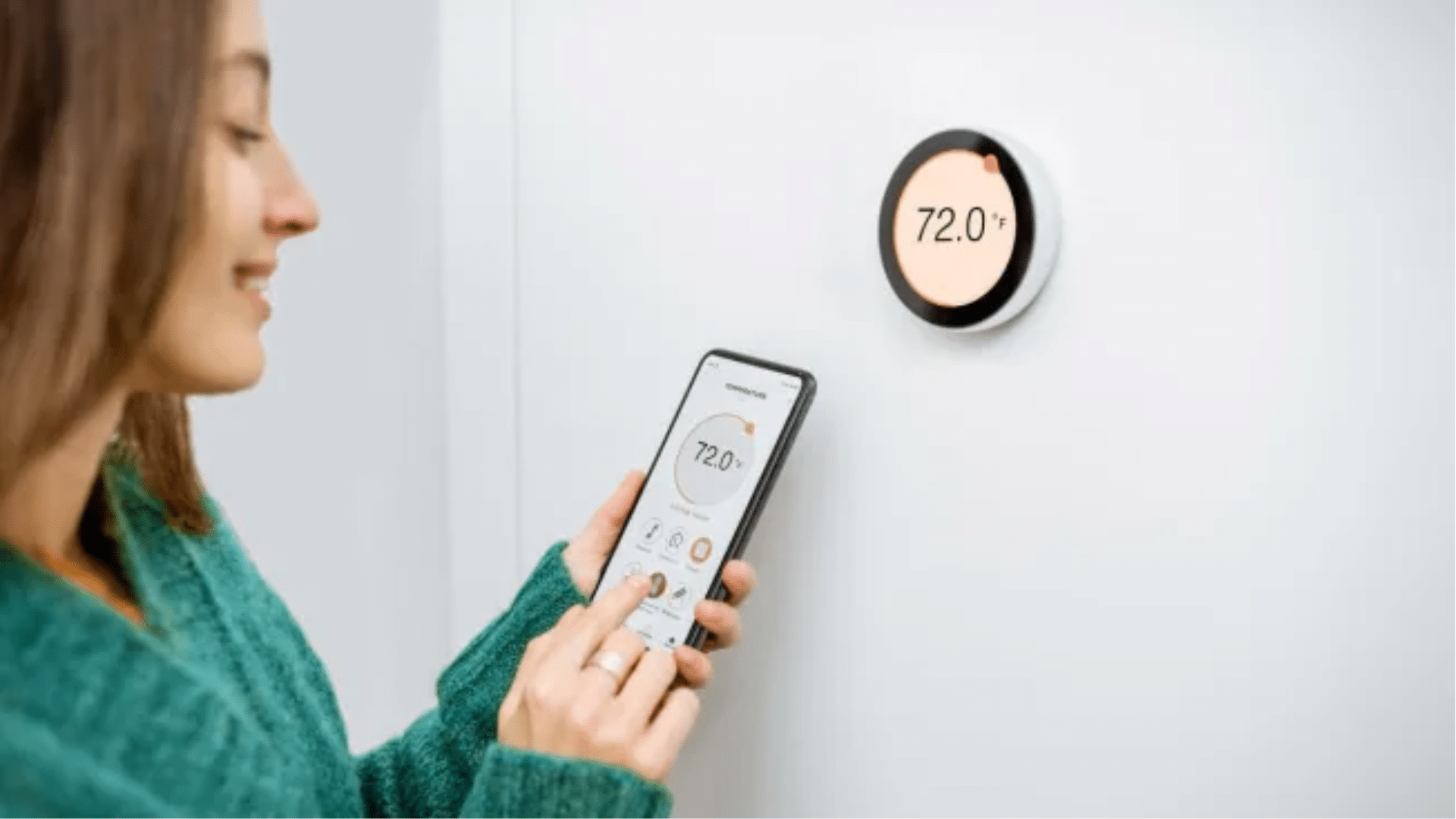
It learns user habits to maintain comfort while minimizing energy waste.
Temperature can be lowered during work hours and raised before household members return, ensuring efficient use of heating and cooling systems.
These thermostats also integrate with sensors to detect open windows or vacant rooms, making real-time adjustments.
Mobile apps allow remote control and monitoring, giving users accurate insight into energy usage.
4. Automated Blinds and Curtains

Automated blinds open and close based on sunlight, temperature, or predefined schedules.
This improves energy efficiency by blocking heat during hot afternoons or allowing sunlight to warm the home in winter.
Automation protects furniture and flooring from UV exposure while enhancing privacy. Integrations with intelligent assistants provide hands-free control.
Sensors can adjust blinds when glare appears on screens or when rooms become too warm.
5. Whole-Home Audio Automation

Users can select playlists, adjust volume, or group rooms using a single app or voice commands.
These home automation ideas enable music to follow movement throughout the house using motion sensors or geofencing.
Morning routines can launch uplifting music in the kitchen, while evening scenes trigger calming soundtracks.
Multi-room audio enhances gatherings, workouts, and relaxation by delivering consistent sound quality.
6. Smart Irrigation and Weather-Based Sprinklers

Using weather data, soil sensors, and seasonal patterns, these systems prevent overwatering and automatically adjust schedules.
Plants receive the ideal moisture level, promoting healthier growth while conserving water. Sprinklers can be disabled during rain forecasts or adjusted for heat waves.
Zone-based control ensures customized watering for different plant types or yard sections. Remote access allows users to manage watering even while traveling.
Smart irrigation reduces utility costs, protects landscaping investments, and supports sustainable gardening.
7. Voice-Controlled Home Theater Mode

Home theater automation creates an immersive movie experience with a single command.
Lights dim, curtains close, sound systems activate, and displays switch to the correct input automatically.
The setup removes manual adjustments and ensures a consistent ambiance for entertainment.
Automation can include popcorn machine timers, LED accent lighting, and optimized audio settings.
8. Smart Door and Window Alerts
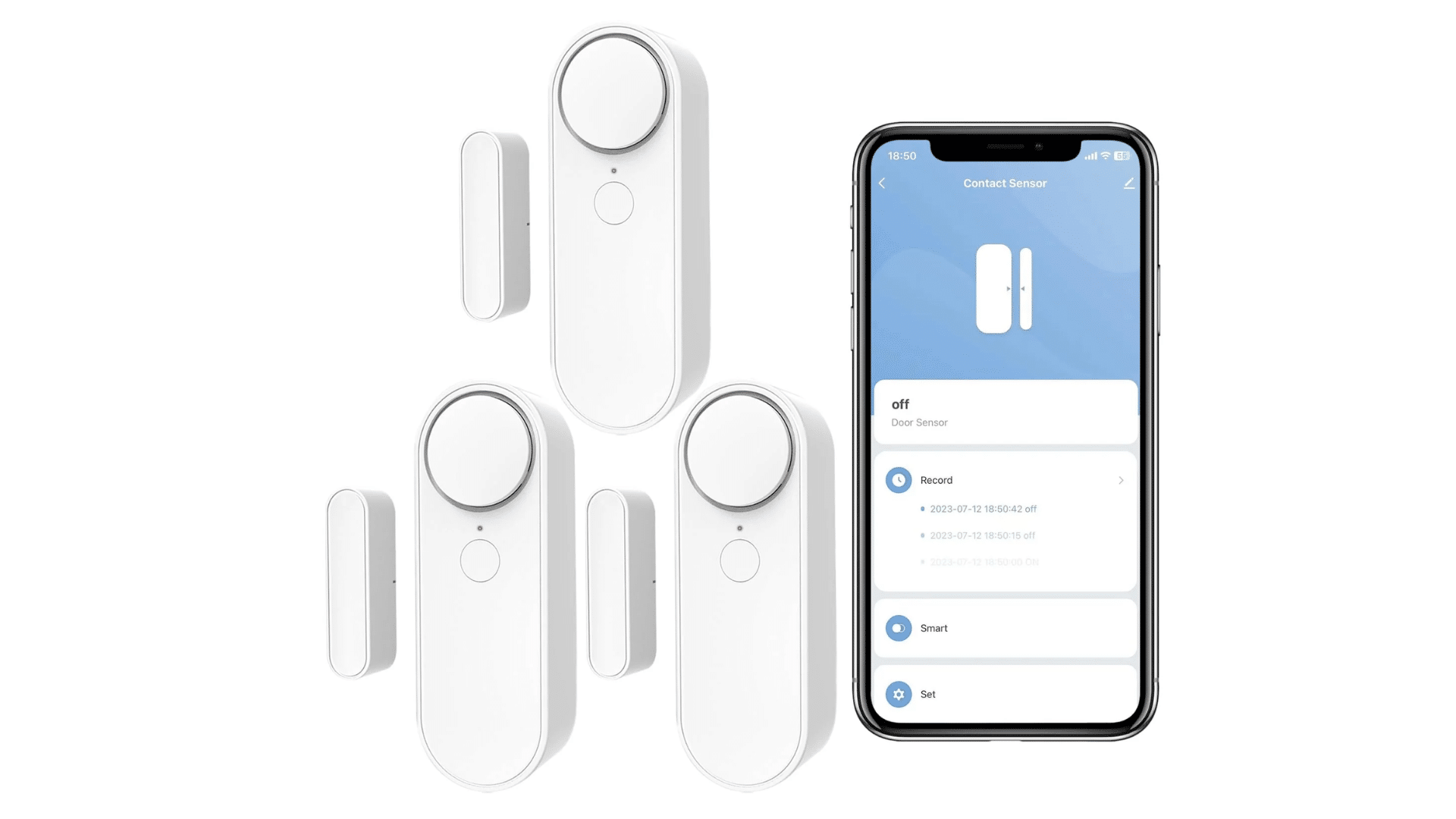
Door and window sensors monitor openings in real time for security and convenience.
The system can notify users if something is left open or if unexpected activity occurs. Integration with smart locks or alarms enhances overall home security.
Temperature and humidity sensors can help identify drafts or energy leaks.
Automations may trigger lights or cameras when sensors detect movement. These alerts improve peace of mind and prevent potential hazards.
9. Leak and Flood Detection Sensors
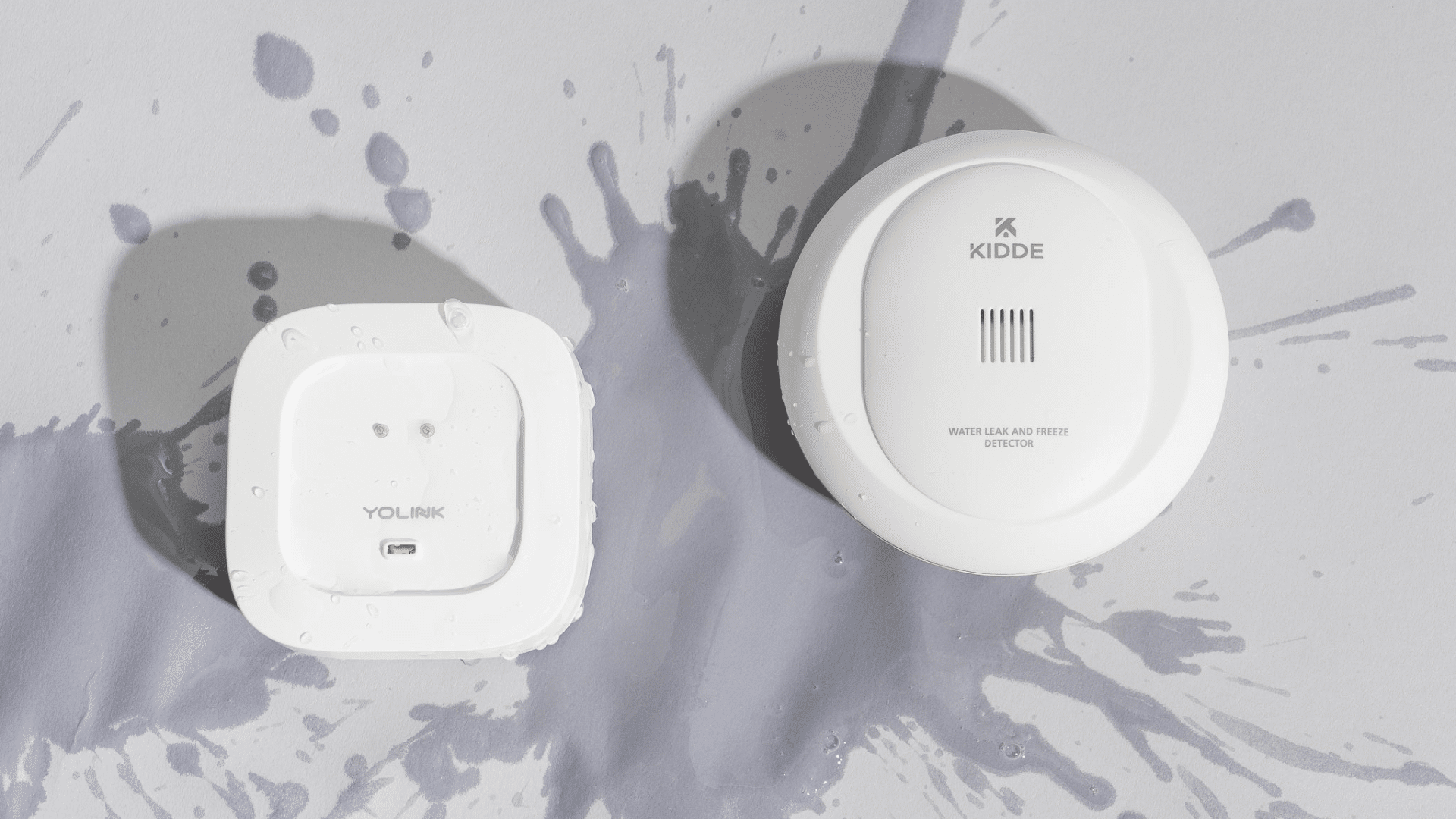
Smart leak detectors identify water leaks near sinks, appliances, and plumbing fixtures. Early detection prevents costly water damage and allows quick intervention.
Some systems can automatically shut off the water supply when a leak is detected. Notifications alert users instantly through mobile apps.
These sensors are ideal for basements, kitchens, bathrooms, and laundry rooms. Leak detection adds safety, protects property, and minimizes repair expenses.
10. Automated Energy-Saving “Away Mode.”
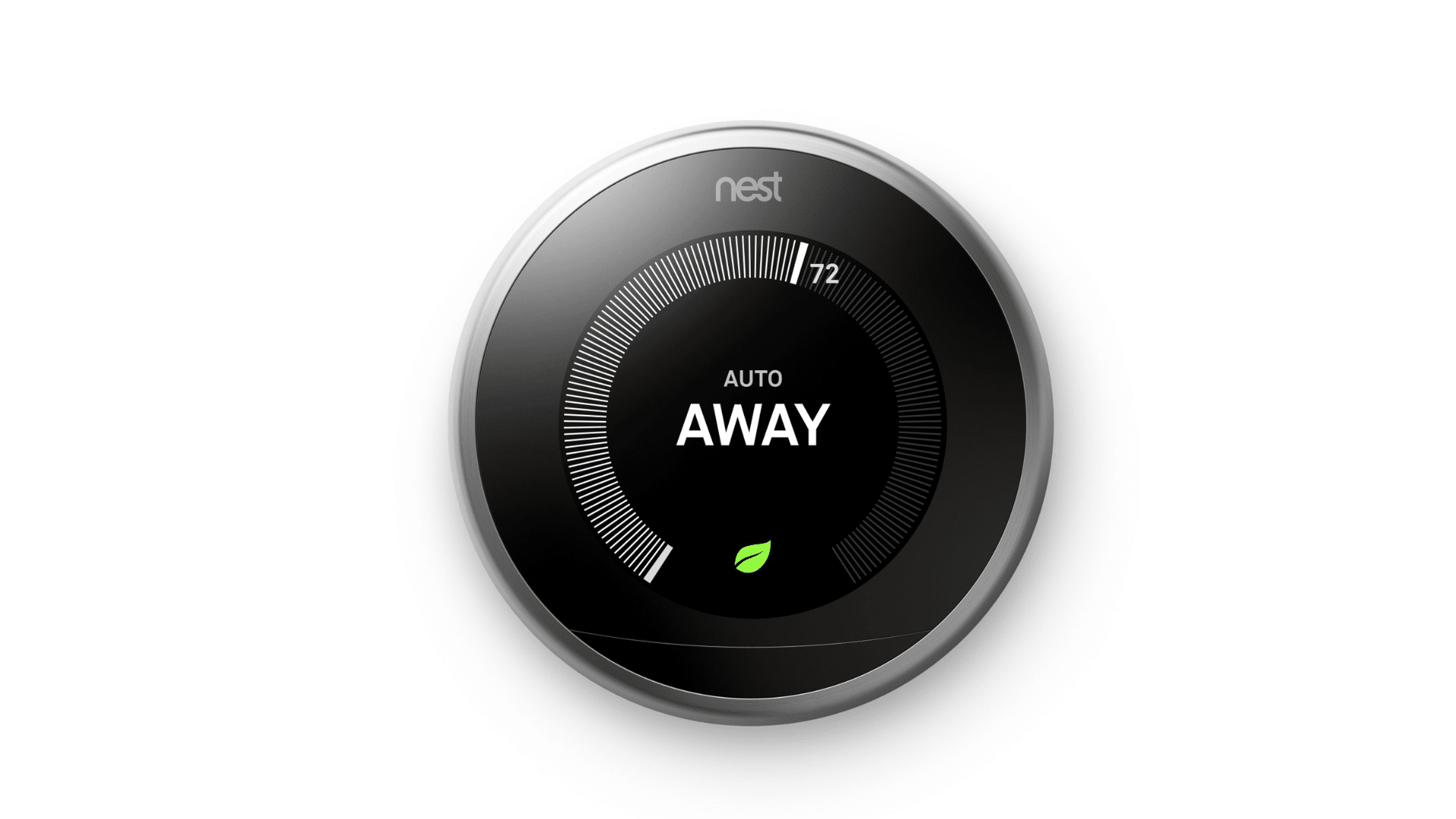
Away mode adjusts lights, thermostat settings, and devices when the home is unoccupied.
Presence detection, geofencing, or schedules help determine when household members leave.
The system reduces unnecessary power usage and enhances security by simulating occupancy. Smart plugs turn off idle appliances to prevent energy waste.
Away mode integrates easily with other home automation systems, offering efficiency and peace of mind.
11. Smart Garage Door Automation
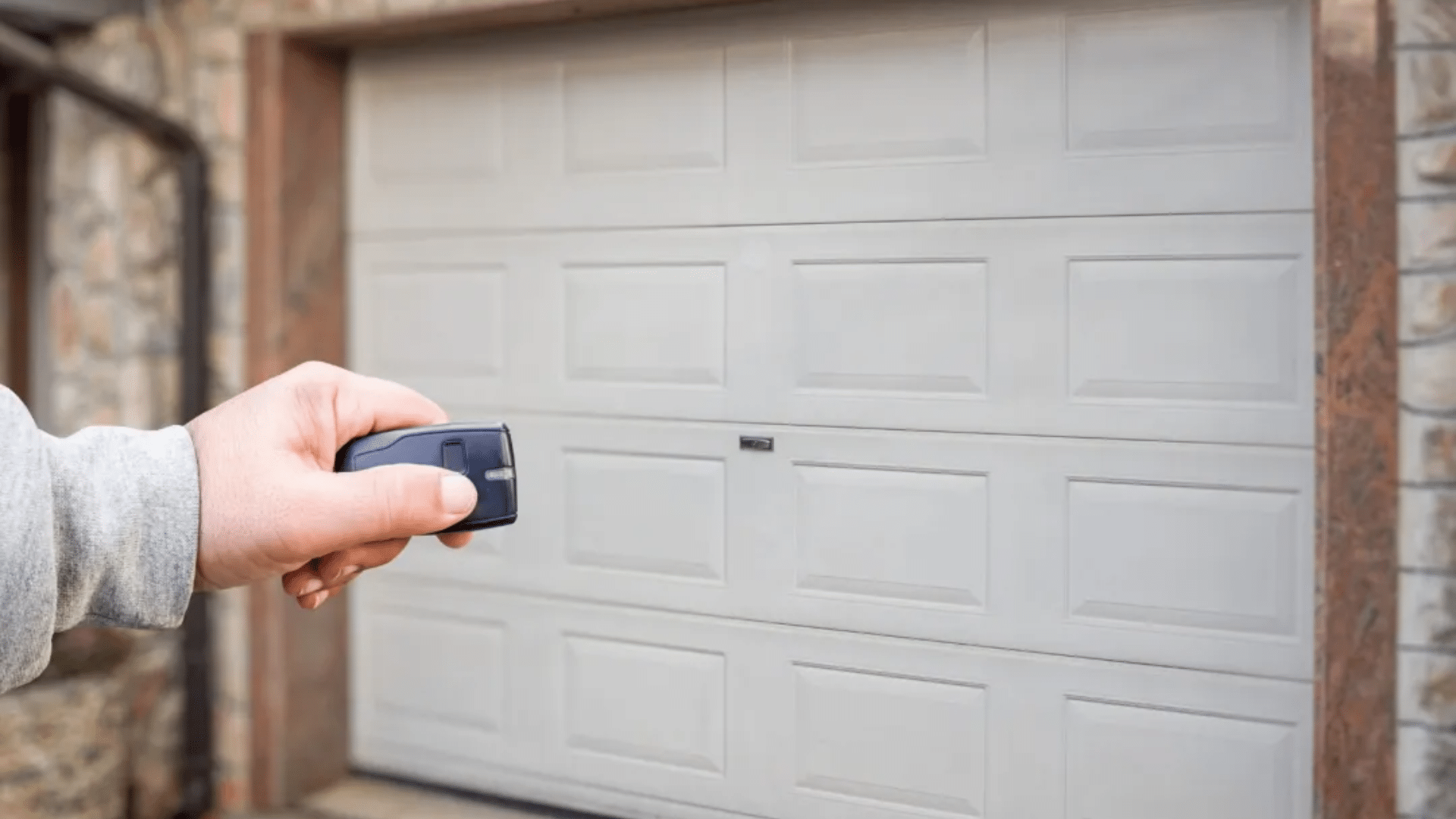
This automation improves convenience, security, and daily efficiency by allowing controlled access through apps, schedules, and sensors.
The system can automatically close the garage door after a set period or notify the homeowner if it is accidentally left open.
Geofencing enables the door to open as a vehicle approaches and close after the vehicle departs, eliminating manual operation.
Integration with home security systems strengthens protection by detecting unexpected access and activating cameras or alarms.
12. Smart Vacuum and Cleaning Routines
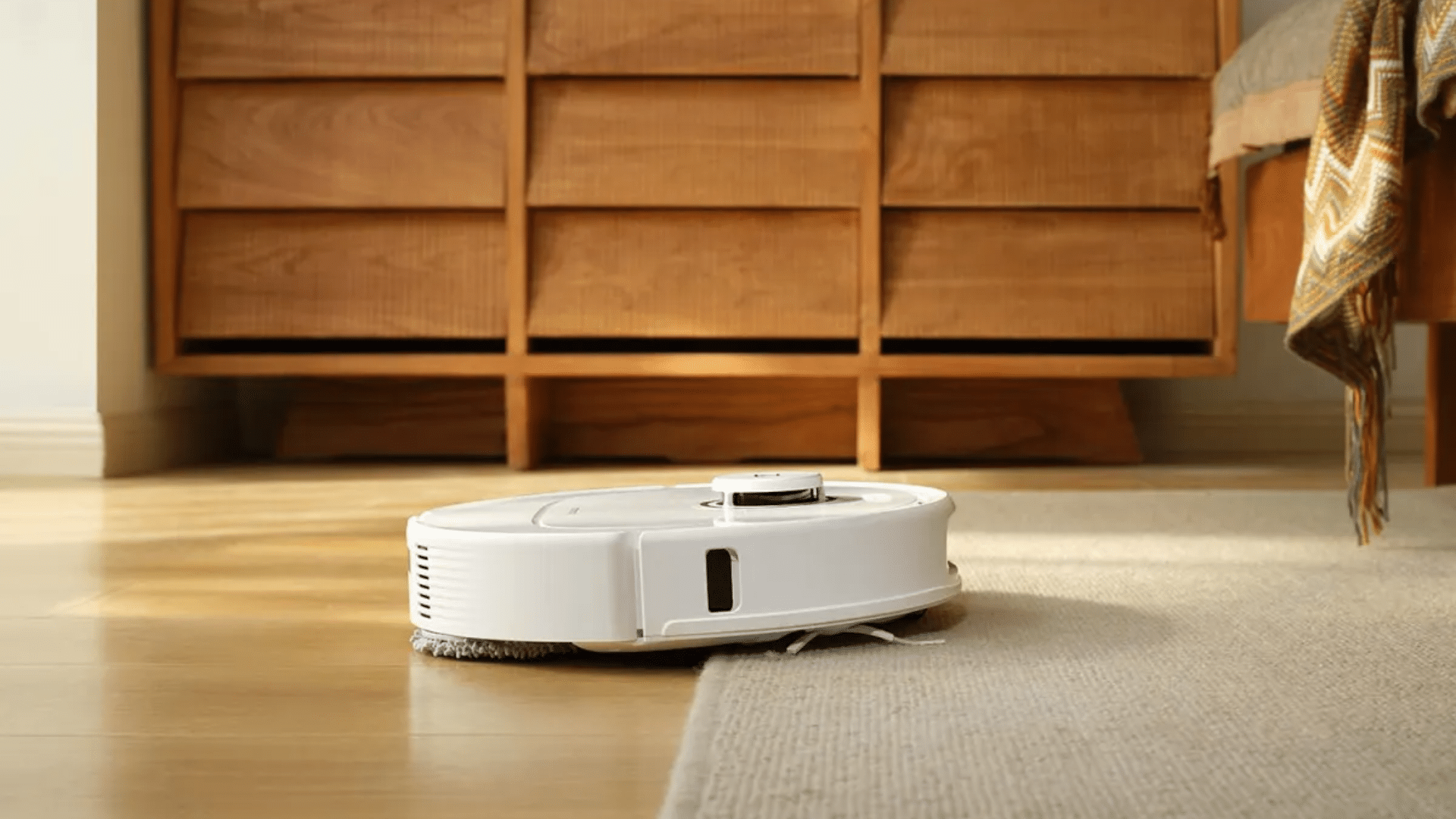
These devices navigate efficiently using advanced sensors or lidar systems, ensuring consistent coverage with minimal human supervision.
They can automatically return to their charging docks and resume cleaning where they left off. Some models include self-emptying bins that reduce maintenance and extend operating cycles.
Smart vacuums can be triggered when residents leave the home, reducing noise disruption and keeping floors tidy throughout the week.
Multi-floor mapping, pet-hair optimization, and allergen filtration further improve home cleanliness.
13. Smart Door Locks
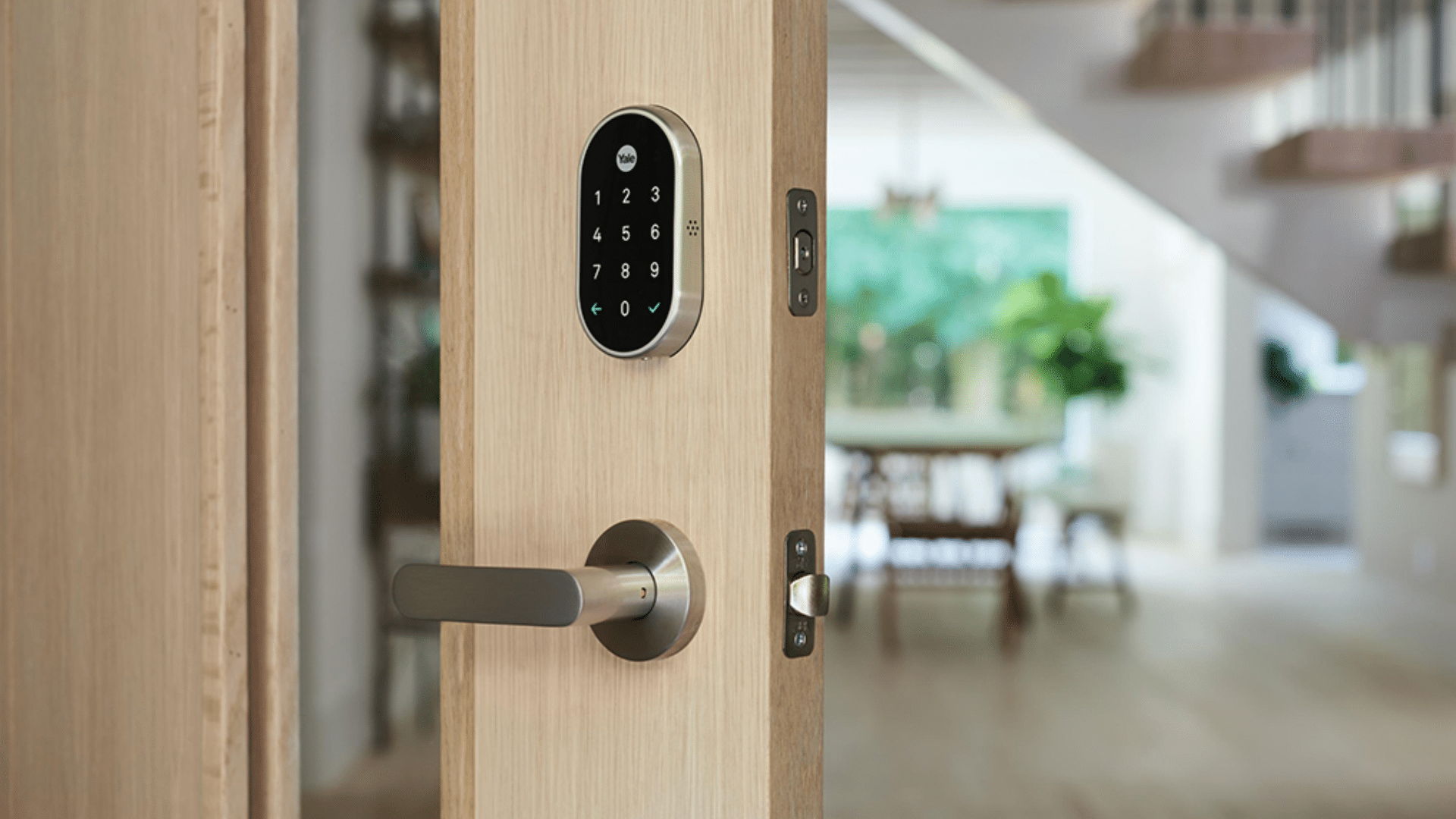
Automation allows doors to lock automatically when occupants leave and unlock when authorized users approach.
Temporary digital keys can be assigned for guests, service providers, or rental occupants, eliminating the need for physical key exchanges.
Logs track entry events, providing insight into who accessed the home and when.
Many smart locks integrate with alarms, cameras, and voice assistants to create comprehensive security systems.
14. Geofencing-Based Automation
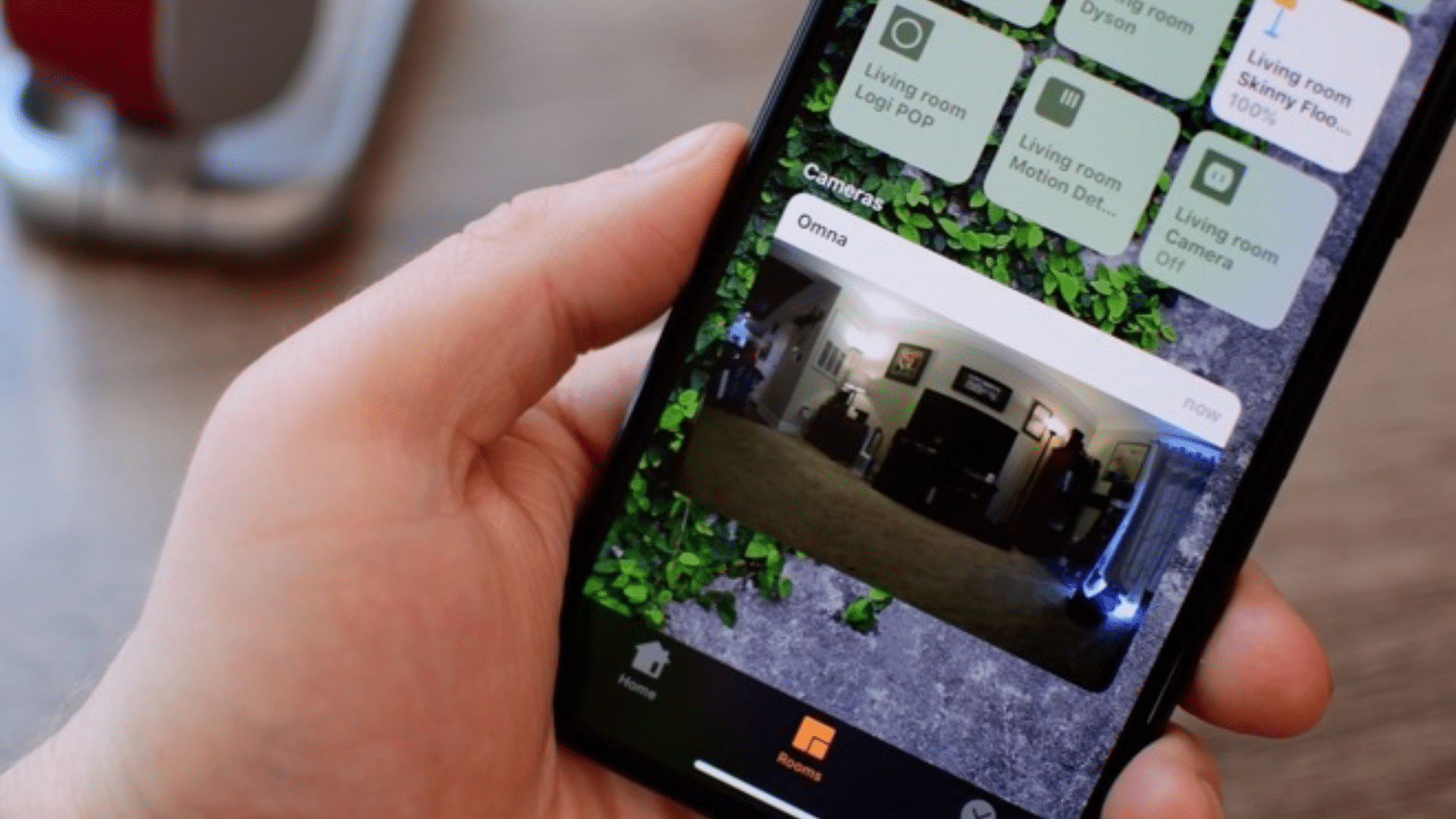
As residents approach home, lights can turn on, thermostats adjust to comfortable temperatures, and garage doors open.
When leaving, the system can lock doors, activate security cameras, turn off lights, and switch devices into energy-saving modes.
Geofencing reduces manual tasks, aligns routines with real movement patterns, and ensures the home responds dynamically to occupancy.
The technology supports multi-user environments by recognizing individual devices and adjusting automations accordingly.
15. Multi-Room Climate Control Zones
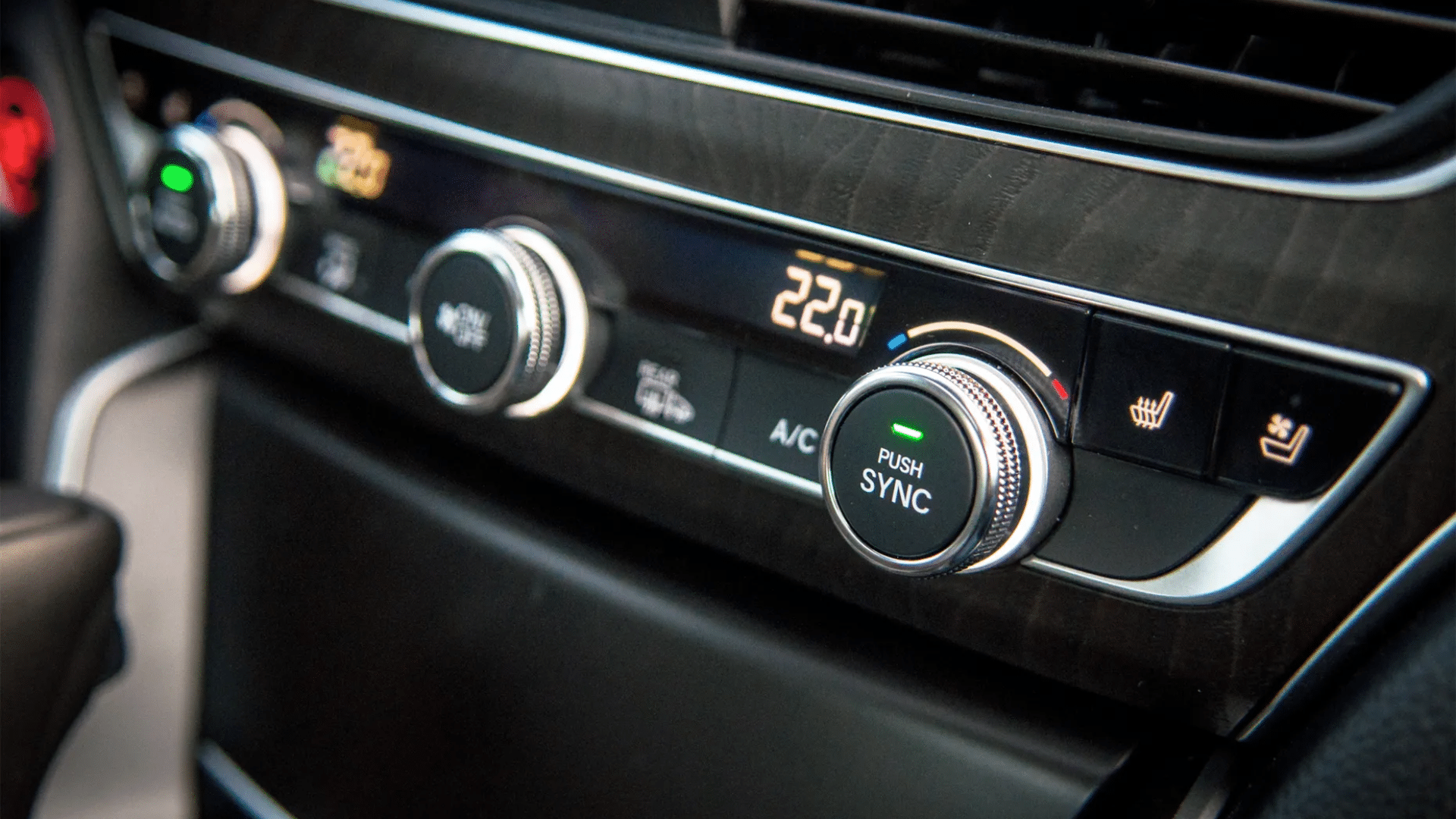
It divides homes into separate temperature-controlled areas, allowing each zone to be adjusted independently.
Smart sensors detect occupancy, humidity, and temperature variations, enabling the HVAC system to deliver heating or cooling only where needed.
This improves comfort by preventing over-conditioning and significantly reducing energy waste.
Zoning is ideal for larger homes, multi-level layouts, or families with differing comfort preferences. Smart thermostats manage each zone and automatically adapt schedules.
16. Smart Bedtime Routines
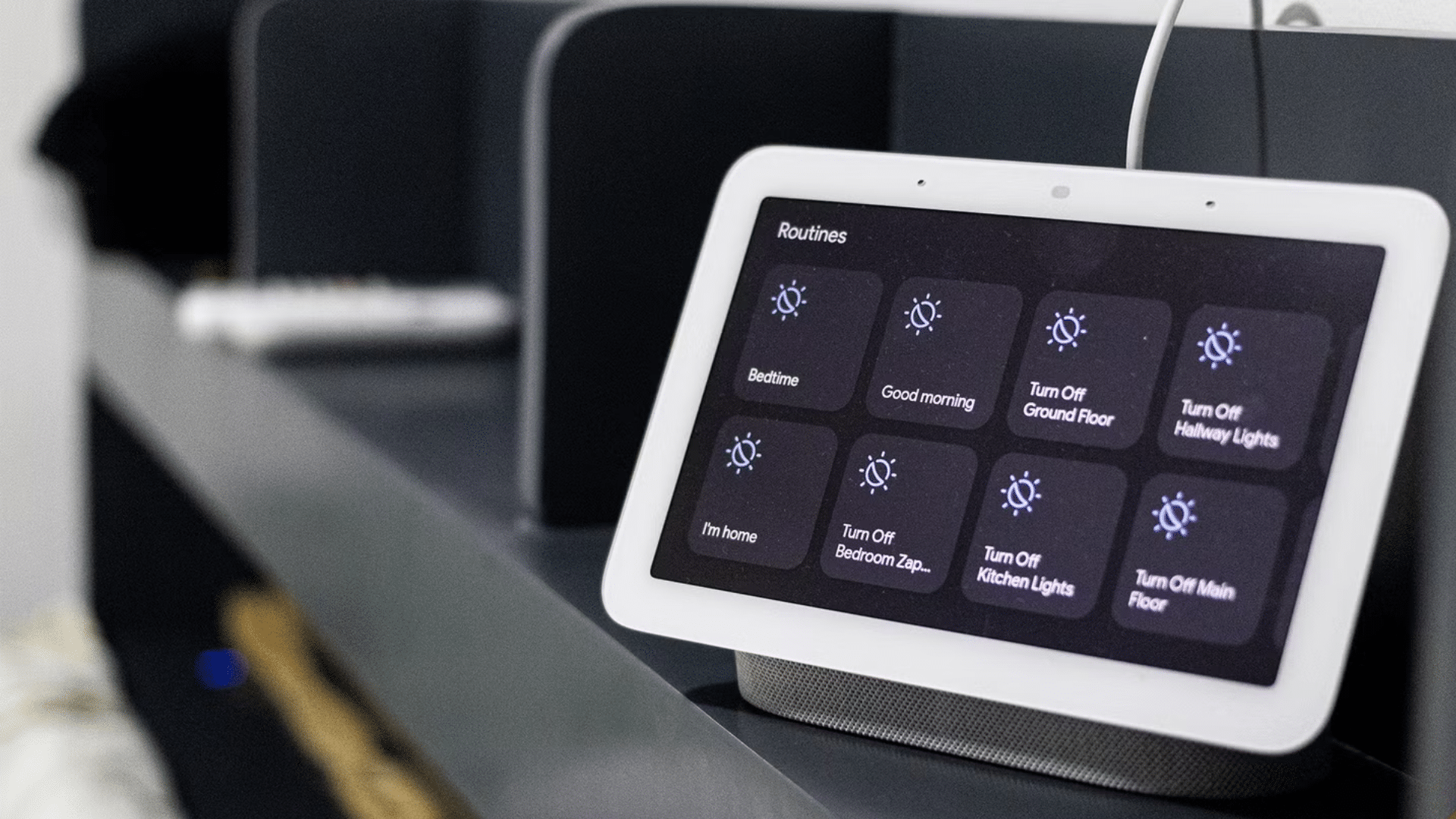
As bedtime approaches, lights gradually dim, blinds close, and temperatures adjust to ideal sleeping conditions.
Entertainment devices can shut off automatically, while white-noise machines or calming music activate.
Security systems engage by locking doors, arming sensors, and adjusting outdoor lighting.
These routines reduce mental load by replacing multiple manual steps with a single command or scheduled automation.
17. Automated Coffee and Kitchen Prep
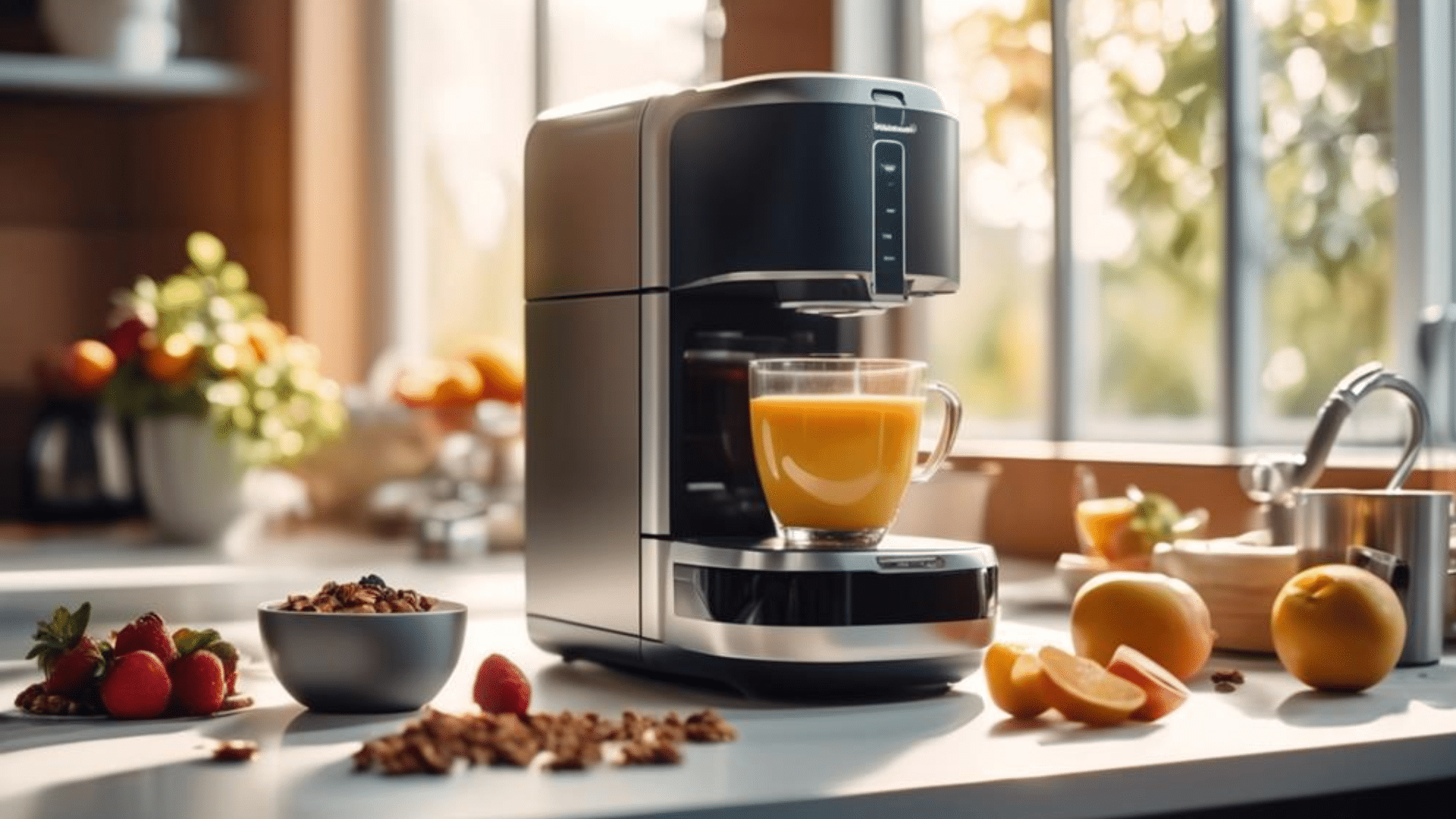
Automated kitchen routines streamline morning preparation by activating appliances such as coffee makers, kettles, or ovens on a set schedule.
Smart plugs or integrated appliances can heat water, start brewing coffee, or preheat ovens before anyone enters the room.
Motion sensors can activate lights or ventilation when someone enters the kitchen. Inventory systems track food levels and expiration dates, prompting timely replenishment.
This kind of automation idea reduces morning stress and supports efficient daily routines.
18. Air Quality Monitoring and Automation
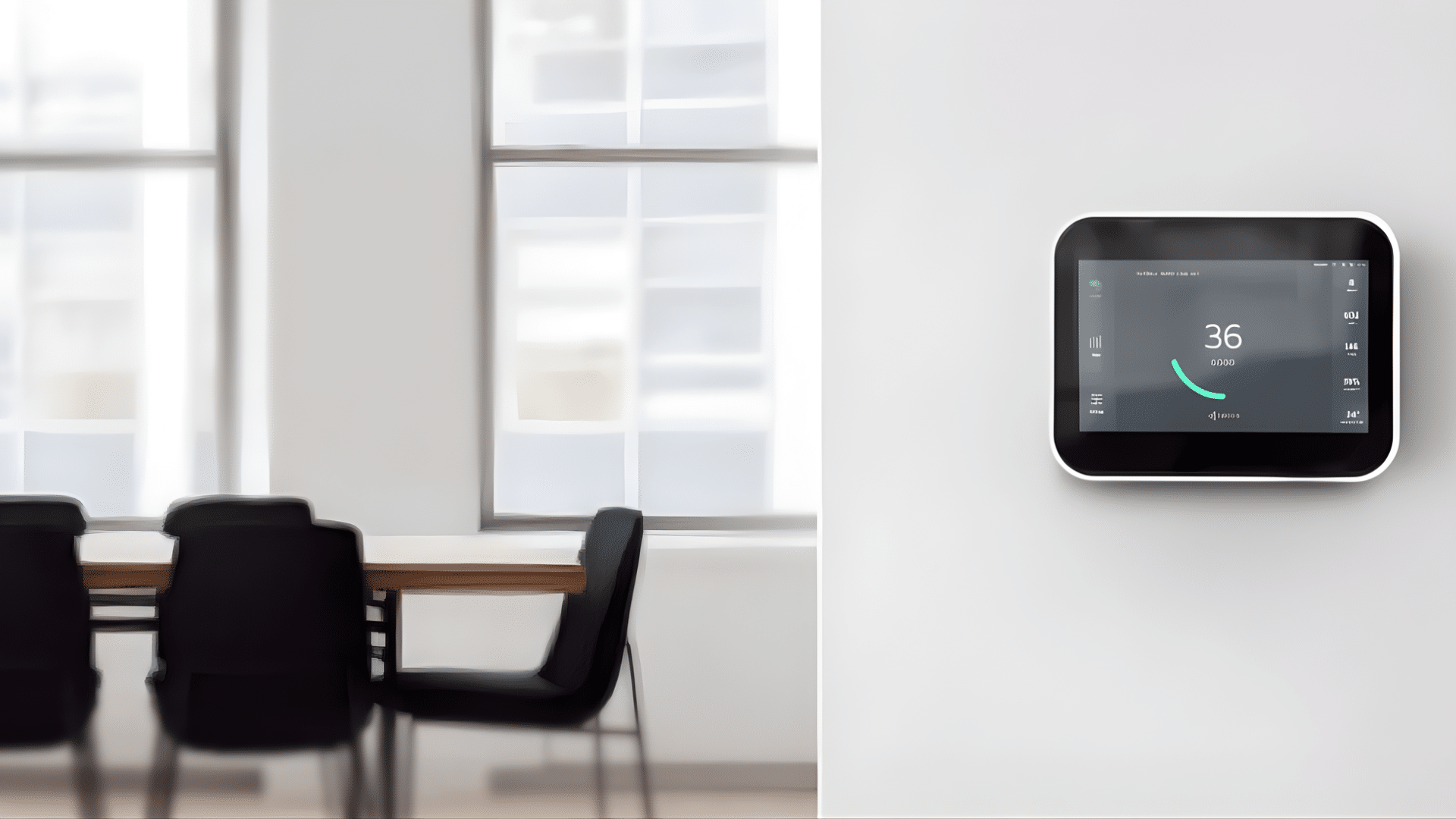
Air quality monitoring systems track indoor pollutants, humidity levels, particulate matter, and temperature to maintain a healthier living environment.
These systems use sensors to detect changes in air quality and trigger automated responses through connected devices.
Air purifiers can activate when pollution levels rise, ventilation fans can increase airflow, and humidifiers or dehumidifiers can balance moisture levels.
Alerts notify residents when conditions fall outside recommended ranges, allowing timely interventions.
19. Smart Pet Care Systems
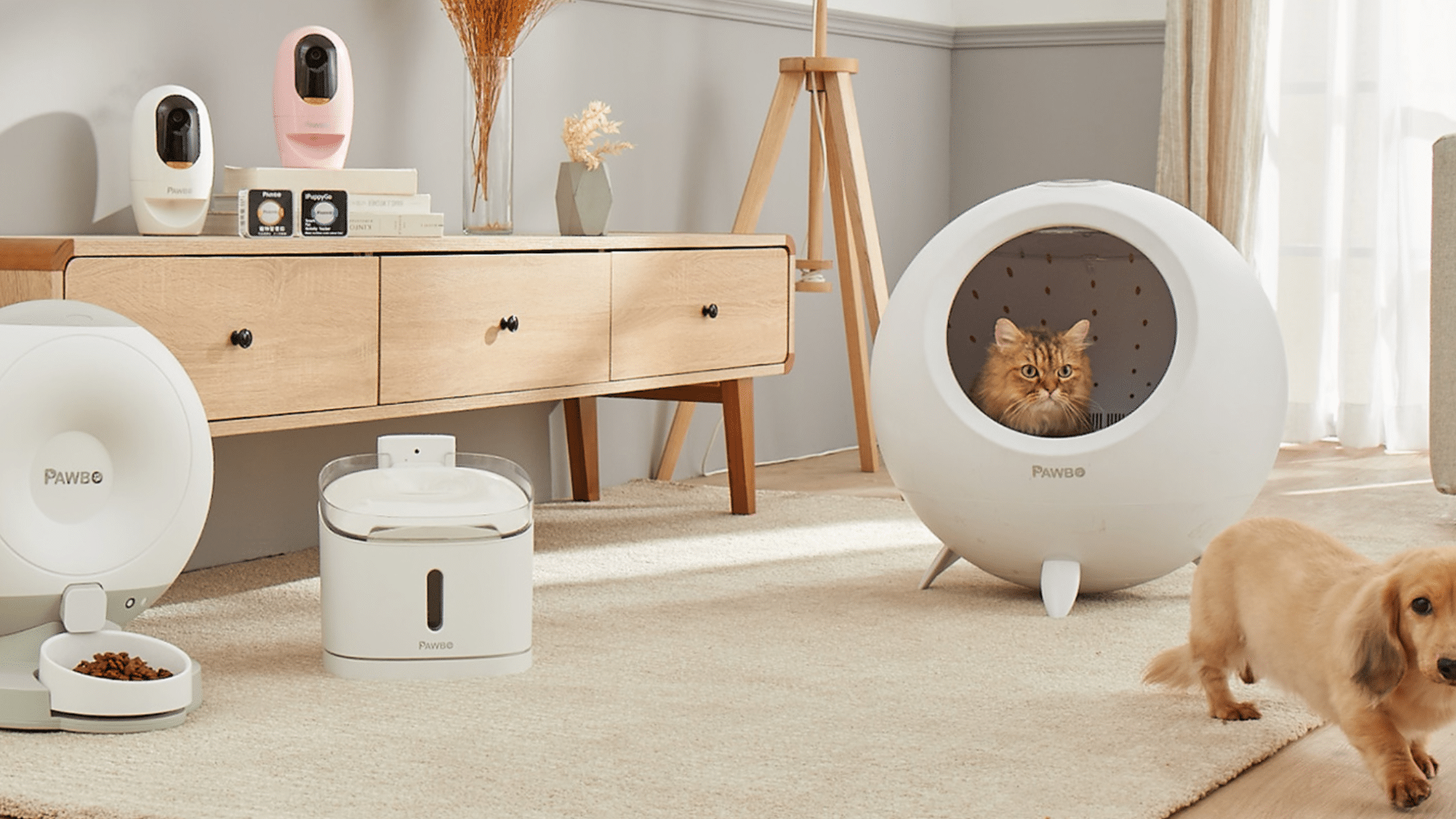
Automatic feeders dispense measured portions at scheduled times, ensuring pets maintain healthy eating habits.
Smart water fountains monitor levels and filtration quality to keep hydration steady.
Cameras with two-way audio allow owners to check in, offer reassurance, or dispense treats remotely.
Activity trackers monitor pet movement, rest cycles, and behavior changes, providing valuable health insights.
Automated pet doors improve safety by granting access only to recognized animals.
20. Smart Bathroom Ventilation with Humidity Control
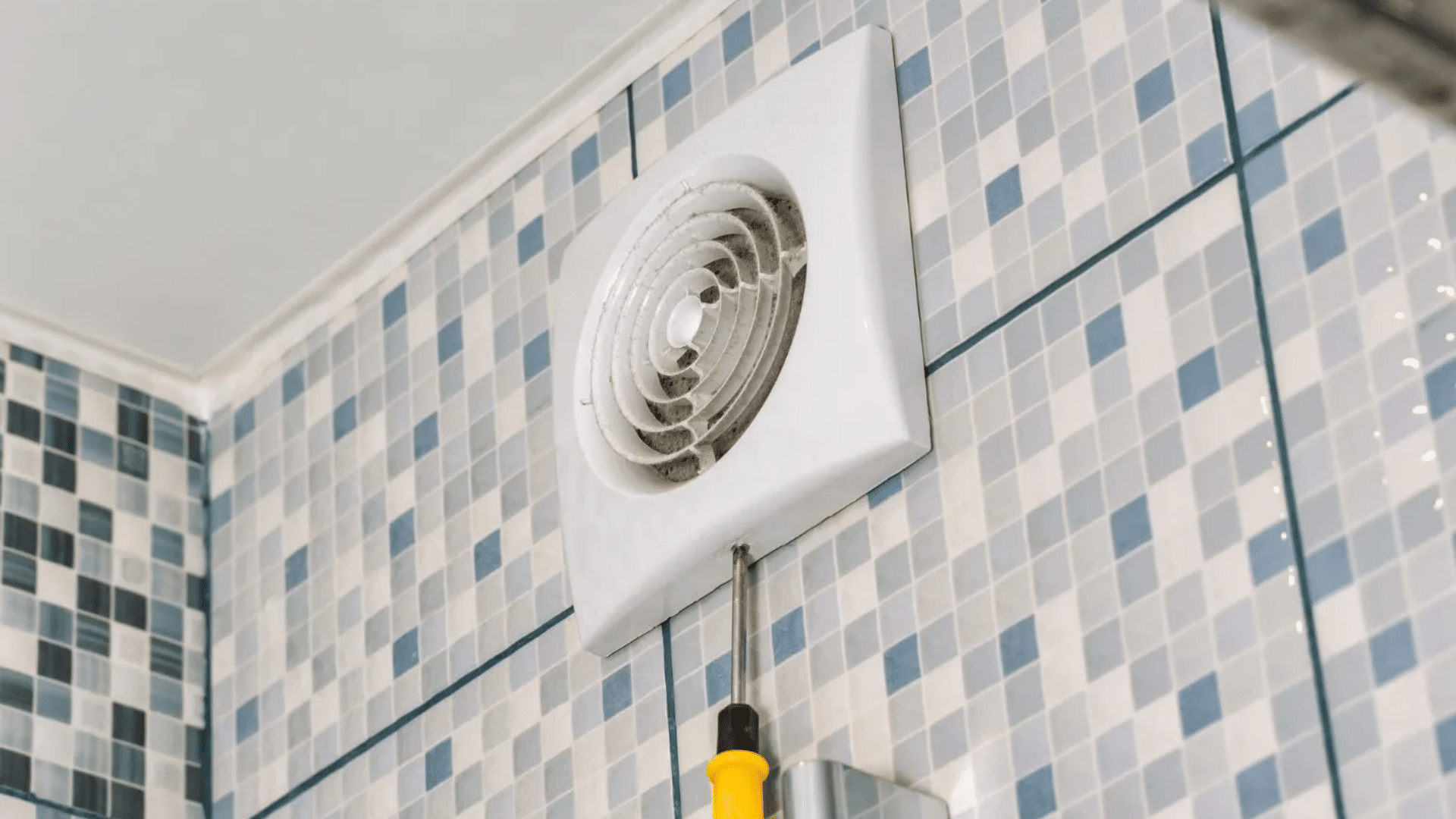
This prevents mold growth, peeling paint, and structural damage caused by excess moisture. Once humidity returns to a normal range, the system powers down to conserve energy.
Integration with lighting allows fans to activate with occupancy or coordinate with preset routines for showers and baths.
Advanced models monitor air quality, temperature, and odors to maintain a fresh environment.
Some systems provide app notifications for filter changes or prolonged high humidity, helping identify plumbing leaks or ventilation issues early.
21. Personalized Voice Assistant Routines
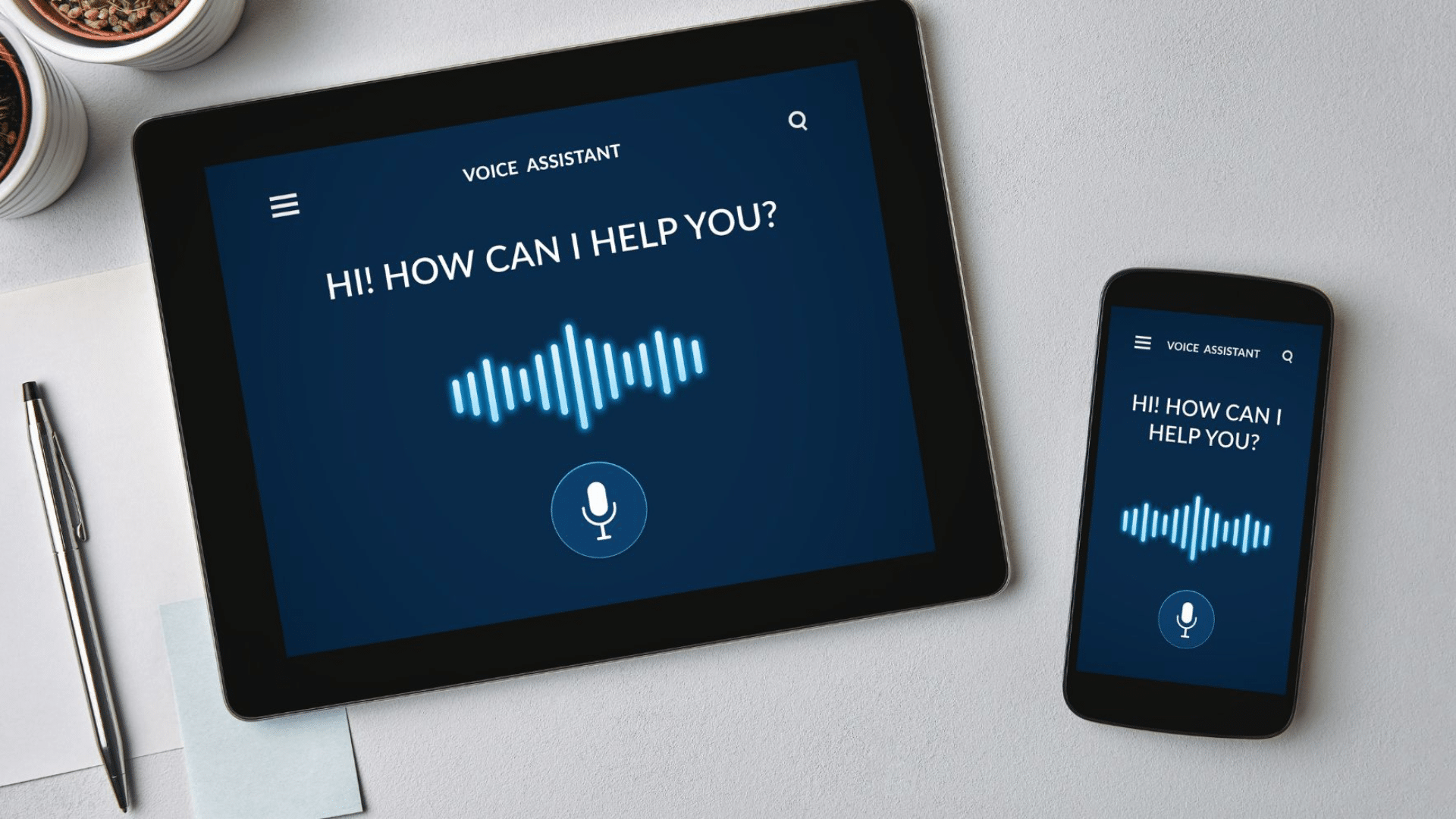
Undoubtedly, it is one of the best home automation ideas, which combines multiple smart home actions into a single spoken command, creating seamless and efficient daily workflows.
A morning routine might brighten the lights, announce weather updates, start coffee makers, and adjust thermostats, all triggered by a single phrase.
Evening routines can lock doors, dim the lighting, activate calming music, and prepare the home for sleep.
These routines provide accessibility benefits for users with mobility limitations, allowing hands-free control over complex tasks.
Tips for Adding the Best Home Automation Ideas
When smart home devices stop working smoothly, a few simple troubleshooting steps can quickly restore performance. These tips help in better planning for the same.
- Restart devices: Power-cycle the device and hub to clear minor software issues and restore stable connections.
- Check Wi-Fi: Make sure the device has a strong, reliable signal to avoid delays or dropped responses.
- Update firmware: Install the latest updates to fix known bugs and improve overall performance.
- Review automations: Check routines and scenes, as they may disconnect or stop working after system changes.
- Check power supply: Ensure devices have steady power, charged batteries, or proper wiring to function correctly.
Conclusion
As I wrap up, I’ve learned that choosing the right home automation ideas depends on what actually supports my daily routine.
I try to focus on upgrades that save time, add comfort, and quietly manage tasks I don’t want to think about.
Every option mentioned here can help create a home that runs more smoothly without bringing extra work or confusion.
If you’re ready to make changes, begin with a straightforward upgrade and see how it shapes your day. Testing small steps often leads to the most considerable improvements.
If you want help choosing your next project or want to share what already works for you, leave a comment.
I’d love to hear your plans and see what you try next in the comments section below.