Intrusion alarm systems have become an important part of home and business security, and I’ve seen how much peace of mind they can bring.
These systems alert you when someone enters your space, giving you time to respond quickly.
Many people seek broader security solutions today, and intrusion alarms often work alongside cameras, sensors, and other tools to keep a property safe.
In this guide, you’ll learn how these systems work, what they include, and how to choose one that fits your needs.
My goal is to keep things simple, so you understand the basics without feeling overwhelmed. By the end, you’ll have a clear idea of how an intrusion alarm system can help protect your home or building.
What is an Intrusion Alarm System?
An intrusion alarm system is a security setup that alerts you when someone enters your property without permission.
It uses sensors, cameras, and smart detection tools to watch over doors, windows, and other entry points.
When the system notices movement or a break-in attempt, it sends an alert through a loud siren, a mobile notification, or a connected monitoring service.
These systems are designed to work even when you’re not on-site, giving you a way to react quickly if something goes wrong.
Many modern intrusion alarm systems also use cloud services and AI to reduce false alerts and offer clearer information about what triggered the warning.
Overall, an intrusion alarm system acts as an early warning tool that helps protect your home, business, and valuables.
Importance of Intrusion Alarms
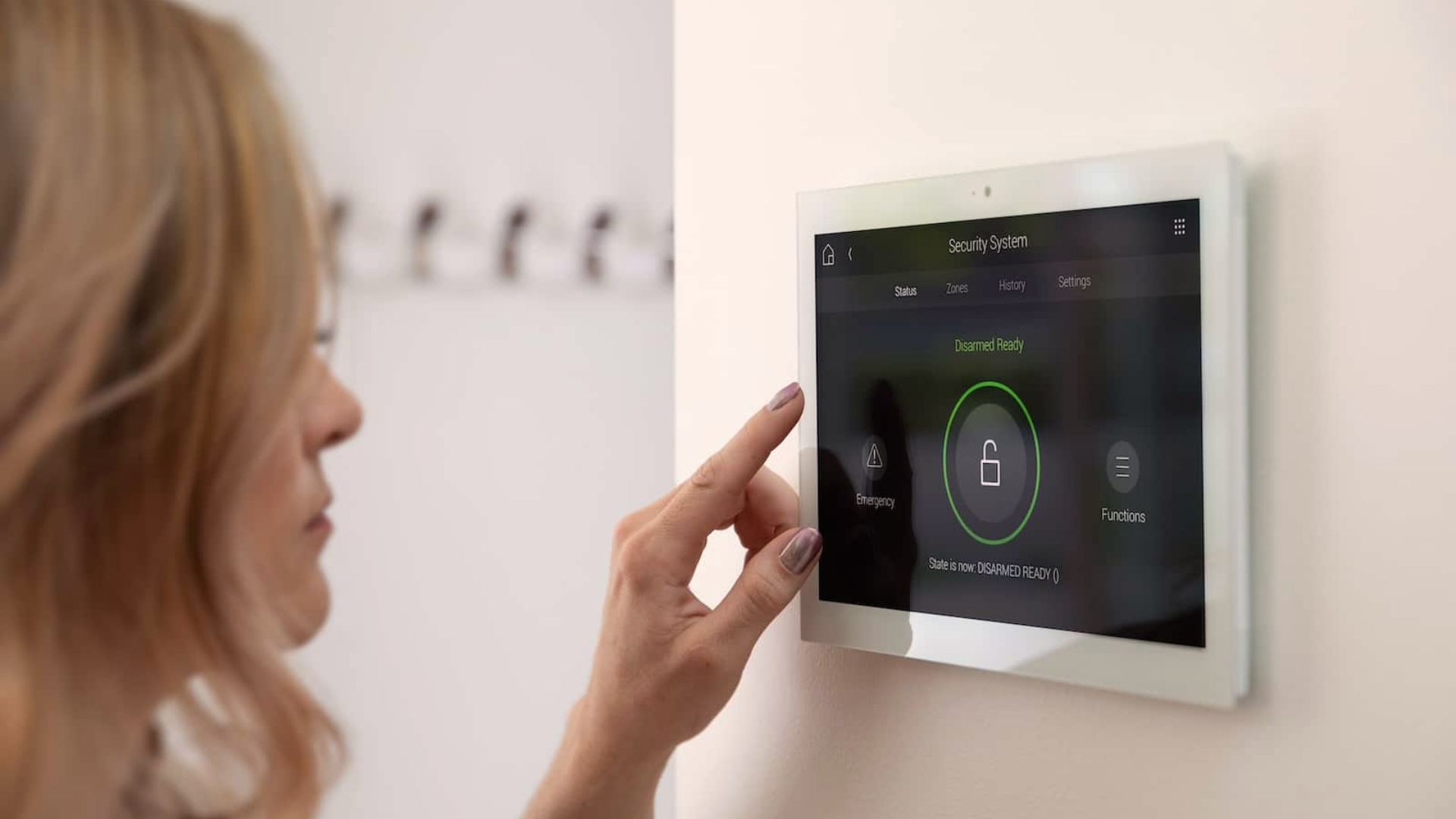
Intrusion alarms play a key role in keeping a property safe by warning you about unexpected activity. They help you stay aware of risks and give you time to respond before the situation grows.
1. Help Reduce Break-Ins
Intrusion alarms work as an early warning tool by detecting unauthorized entry the moment it happens. When the system triggers an alert, you can react quickly and prevent further damage.
Many intruders avoid properties with visible alarms because they know the risk of getting caught is higher.
With immediate alerts and strong deterrence, intrusion alarms help lower the chances of break-ins and protect valuable items inside the building.
2. Supports Vandalism Prevention
Vandalism often happens when a property looks unprotected, especially during off-hours.
An intrusion alarm system adds an extra layer of security by alerting you the moment someone tries to enter or damage the area.
This quick response helps limit harm to windows, doors, walls, and outdoor equipment.
When paired with cameras, alarms provide clear information about the event, making it easier to document damage and improve safety plans for the future.
3. Detects Suspicious Activity Early
Sometimes threats start small, such as loitering or unusual movement near an entry point. Intrusion alarms can be set to watch specific areas and notify you when activity looks unusual.
Early detection helps stop problems before they escalate into theft, property damage, or unwanted entry.
This makes intrusion alarms useful for homes, offices, schools, and outdoor areas that need extra attention during certain hours, especially when no one is around to supervise.
4. Improves Emergency Response Time
Quick action matters when a security issue happens. Intrusion alarms send alerts within seconds, allowing you or your security team to assess the situation right away.
Some systems can also notify monitoring centers that help contact authorities faster. This reduces delays and helps prevent larger losses.
Faster response times also give you more control during emergencies, helping you make better decisions and limit risks for your space and the people inside it.
How an Intrusion Alarm Functions?
An intrusion alarm works by watching for changes in the environment and reacting the moment something unusual happens.
It uses sensors placed on doors, windows, and open areas to detect movement, forced entry, or broken glass.
When a sensor is triggered, the system sends a signal to its control panel, which decides if an alarm should sound.
Once confirmed, the system can activate a loud siren, send a mobile alert, or notify a monitoring center. Many modern systems also use cameras and smart detection tools to confirm the event and reduce false alerts.
This step helps you understand what caused the alarm and respond quickly.
By combining sensors, alerts, and verification tools, an intrusion alarm creates a clear process that keeps you aware of security issues at all times.
Core Elements of an Intrusion Alarm
Intrusion alarm systems rely on several core elements that work together to detect unusual activity. Each part plays a specific role in keeping your property safe and alerting you when something goes wrong.
1. Control Panel
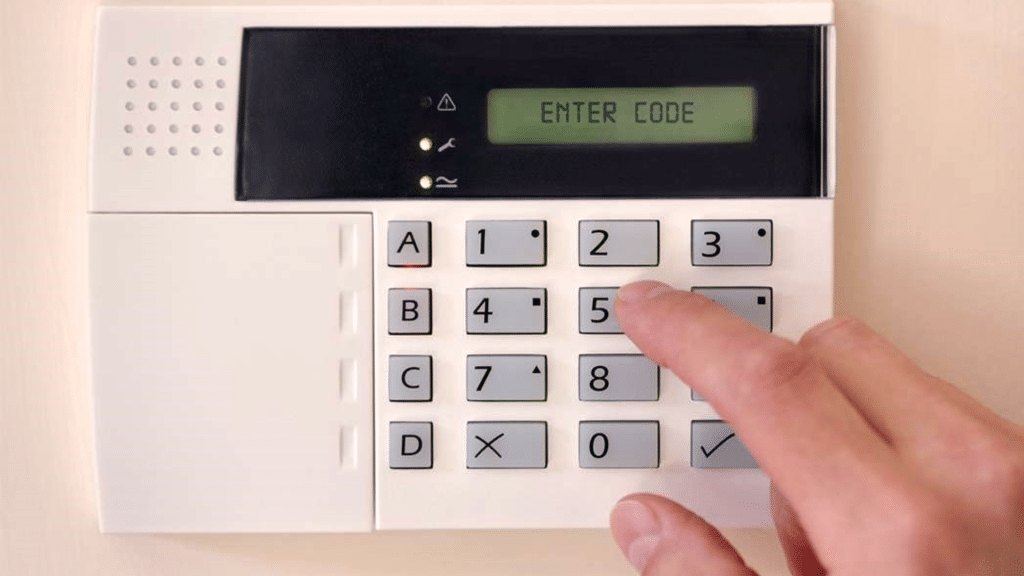
The control panel is the center of the security system because it connects and manages all sensors and devices.
When a sensor detects activity, it sends the signal directly to the control panel.
The panel then decides if the alert is real and triggers the right response, such as a loud siren, a phone notification, or a message to a monitoring service.
A well-built control panel keeps the whole system running smoothly, organized, and ready to respond quickly whenever something happens.
2. Entry Point Sensors
Entry point sensors protect doors and windows by alerting the system when something opens unexpectedly.
These sensors usually have two parts that stay aligned when the door or window is closed. If they separate, the system recognizes it as a possible break-in.
They are simple, effective, and cover common access spots.
Because most intruders target entry points first, these sensors help reduce risks and give you quick awareness of unusual activity.
3. Motion Detectors
Motion detectors watch larger areas such as rooms, hallways, and open spaces.
They look for movement when the system is armed and send a signal if they notice something unusual. These detectors are helpful for covering blind spots that entry point sensors can’t reach.
Modern versions use improved technology to reduce false alerts from pets or everyday movement.
With wider coverage, motion detectors strengthen security and help detect activity before it reaches important areas.
4. Alarm Indicators
Alarm indicators include sirens, strobe lights, or loud alerts designed to warn you and scare off intruders.
Once triggered, these indicators make it clear that something is wrong, helping reduce the time an intruder stays on the property.
They also alert people nearby and encourage quick action.
When paired with phone notifications, alarm indicators make sure you never miss a critical warning, even when you are away from the building.
Benefits of Combining Intrusion Alarms with Other Security Devices
Pairing intrusion alarms with other security tools creates a stronger, more connected system. This combination helps you catch threats earlier and respond with better information.
- Cameras provide visual proof when an alarm is triggered.
- Smart lights can turn on automatically to scare off intruders.
- Doorbell cameras help you monitor entry points in real time.
- Outdoor motion lights add another layer of detection and visibility.
- Smart locks let you secure doors remotely after an alarm alert.
- Glass-break sensors detect forced entry attempts that motion sensors may miss.
- Smoke and CO detectors integrate with alarms for full-home safety coverage.
How do Different Spaces Use Intrusion Alarm Protection?
Intrusion alarms are helpful in many settings where safety and quick awareness matter. They support both daily protection and after-hours monitoring for different types of properties.
1. Homes and Apartments
Intrusion alarms help protect homes and apartments by monitoring doors, windows, and open areas when no one is home.
They alert you quickly if someone tries to enter without permission, giving you time to act. Many homeowners pair alarms with cameras and smart notifications for stronger protection.
These systems also discourage intruders by showing that the property is monitored, which reduces the chances of a break-in.
Together, these features create a simple but effective layer of security for everyday use.
2. Retail Stores
Retail stores often face risks such as theft, forced entry, and after-hours break-ins.
An intrusion alarm helps store owners stay aware of activity around entrances and stock areas.
When the system detects movement or an attempted entry, it sends alerts that allow quick action. Alarm systems also help reduce losses by giving staff or security teams early warning.
When paired with cameras, they provide better insight into activity inside and outside the store.
3. Offices and Workspaces
Offices and workspaces hold equipment, documents, and tools that need protection after hours.
An intrusion alarm helps secure these areas by detecting unexpected access when the building is empty.
It can monitor doors, meeting rooms, storage areas, and server spaces. These alerts help prevent unauthorized entry and keep sensitive information safe.
Many offices also use alarms alongside access control tools to limit who can enter certain rooms, creating a stronger overall security setup.
4. Schools and Campuses
Schools benefit from intrusion alarms because they help protect buildings when students and staff are away.
These systems watch entry points, hallways, and restricted areas to detect movement after hours.
If someone enters when they shouldn’t, the alarm triggers an alert that prompts a quick response. This helps reduce risks such as vandalism or unauthorized access.
When alarms work with cameras, schools gain better visibility, making it easier to keep campuses safe throughout the week.
Professional Monitoring vs. Self-Monitoring Systems
Choosing between professional monitoring and self-monitoring depends on how much control and support you want. This comparison table helps you see the differences clearly.
| Feature | Professional Monitoring | Self-Monitoring |
| Response Handling | A trained team responds to alerts and contacts emergency services for you. | You handle all alerts and decide when to call for help. |
| Availability | 24/7 monitoring, even if you’re asleep or away. | Only works when you check your phone or notifications. |
| Cost | Monthly fee required. | No monthly cost; uses your phone and app. |
| Reliability | Highly reliable during emergencies. | Depends on your availability and phone connection. |
| Setup | Often part of a full security package. | Simple setup through an app; no extra steps. |
| Best For | Homes need constant protection. | Users who prefer full control and lower costs. |
Key Factors for Choosing and Setting up an Intrusion Alarm
Choosing an intrusion alarm involves understanding your space, comparing system styles, and planning the setup carefully. With the right steps, you can build a system that stays dependable and responds quickly when needed.
1. Review Your Property Risks
Begin by identifying areas that need protection, such as doors, windows, storage rooms, or outdoor sections.
This helps you understand what type of coverage you need and guides you toward the right sensors and features. A simple review also helps you avoid buying tools you won’t actually use.
By knowing your weak spots, you can build a system that matches your daily routine and keeps important spaces well protected.
2. Select the Right System Style
Alarm systems come in different forms, and each one offers specific benefits.
Wired systems provide steady performance, wireless setups offer flexibility, and cloud-based systems allow remote access and improved alert accuracy.
Comparing these options helps you find a system that fits both your layout and your budget. When you match the system style to your needs, you get stronger protection and better long-term use.
3. Map out Sensor Locations
Planning where to place each sensor is an important part of creating an effective alarm system. Sensors should cover your main entry points, long hallways, open rooms, and any blind spots.
Good placement helps reduce false alerts and improves how quickly the system reacts.
A well-planned layout ensures that all parts of your property are well-watched, giving you a dependable setup that works together smoothly.
4. Set up and Confirm Performance
Once you have all the equipment, install each part in its planned location and connect it to the control panel.
After installation, test the entire system to confirm that every sensor responds correctly and alerts reach you without delay.
Testing also helps you catch small placement issues and fix them early. A complete check gives you confidence that your alarm system will operate reliably during real security events.
Maintenance Tips to Keep Your Alarm System Reliable
Regular upkeep helps your intrusion alarm stay accurate, responsive, and ready when you need it most. These simple tasks keep the system running smoothly over time.
- Test all sensors monthly to ensure they trigger correctly.
- Replace batteries in wireless sensors as soon as low-battery alerts appear.
- Clean motion detectors to prevent dust from blocking detection.
- Check door and window sensors for loose or misaligned parts.
- Update your system’s app and firmware when new versions are available.
- Review alarm logs to spot unusual patterns or repeated false alerts.
- Inspect wiring and connections for wear, corrosion, or looseness.
- Confirm that sirens and alert notifications still trigger properly.
Conclusion
Intrusion alarm systems offer a strong layer of protection for any property by alerting you when something unusual happens.
They help you respond quickly, reduce risks, and keep important areas secure even when you’re not on-site.
By learning how these systems work and understanding the parts that make them effective, you can choose a setup that fits your daily needs and layout.
It also helps to compare different system types and plan sensor placement carefully so the alarm performs well in real situations.
Taking the time to test and maintain your system makes it more reliable over the long run.
With a well-chosen and properly installed intrusion alarm system, you can feel more confident knowing your home or building has the protection it needs every day.