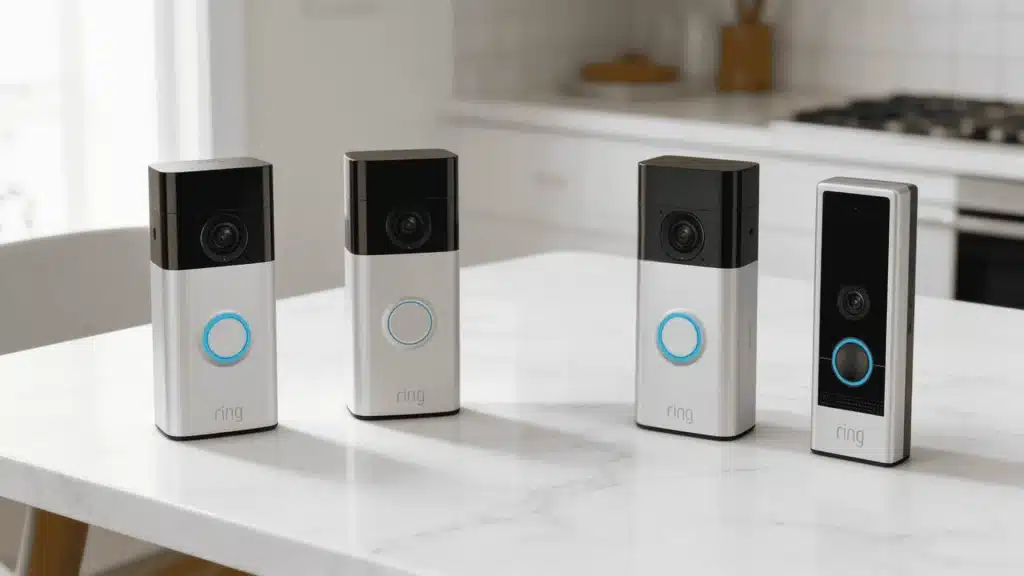
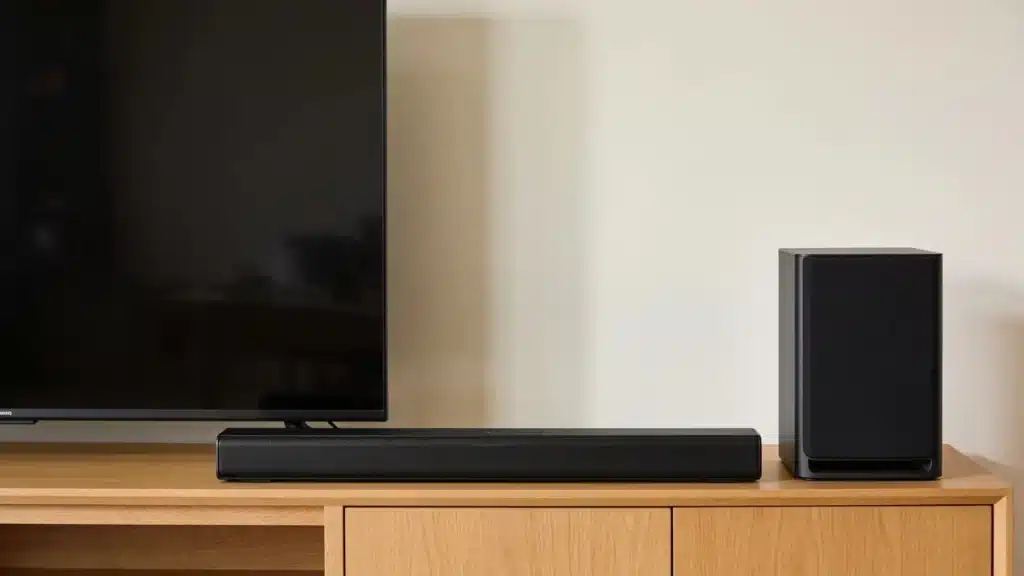
When I first looked into security camera installation, I was surprised by how many prices and options were out there.
You might feel the same way, especially if you’re trying to stay within a budget while still getting good protection for your home or business.
In this guide, I’ll walk you through what you can expect to pay and what actually affects the cost.
You’ll see how prices change based on the type of camera, the number of units, and the kind of setup you need. You’ll also find:
- Typical price ranges for homes and commercial spaces
- Extra fees you should know about
- Ways to save money and spot real discounts
By the end, you’ll have a clear idea of what a fair price looks like and how to plan your installation without wasting time or money.
How to Find the Lowest Prices?
Finding the lowest prices for security camera installation starts with comparing quotes from at least two or three licensed installers.
This helps you see who offers fair rates and who adds unnecessary fees. Look for bundle deals where equipment and installation are offered together, since these often cost less than buying everything separately.
Check for seasonal promotions or online discounts, which many installers share on their websites.
Ask each company for a clear breakdown of parts, labor, and any extra charges. This makes it easier to spot hidden costs.
You can also save money by choosing the right number of cameras instead of paying for more than you need.
Stay focused on value, not just the cheapest option, so you get good equipment and reliable service without overspending.
Security Camera Installation Costs by Scenario
Different properties have different needs, and the total installation cost can change based on size, layout, and the number of cameras required.
1. Small Home (Front/Back/Yard)
A small home usually needs around four cameras to cover the main entry points and outdoor areas.
The equipment cost is lower because fewer units and simpler systems are required. Labor is also manageable since wiring and placement take less time.
Most homeowners fall into this range when they want basic coverage without extra features.
The total cost typically runs between $500 and $1,600, making it one of the most budget-friendly options for dependable home security.
2. Medium Business or Office
A medium-sized business often needs eight cameras to monitor entry points, hallways, storage areas, and workspaces.
The equipment cost increases because commercial environments usually require sturdier cameras with better resolution. Labor is higher due to longer wiring routes and a more complex setup.
This setup provides reliable coverage for daily operations and helps reduce security risks.
The average total cost ranges from $1,600 to $4,000, depending on the building layout and the type of cameras selected.
3. Large Home or Estate
Larger homes and estates often need around twelve cameras to cover wide outdoor areas, multiple entry points, and interior zones.
Equipment costs rise because you may need mixed camera types, including long-range or night-vision models.
Labor also increases with more wiring, mounting, and system integration. This setup works well for homeowners who want full property visibility.
Total installation costs usually fall between $2,400 and $6,000, depending on customization and the level of monitoring required.
4. Retail Store or Commercial Property
Retail stores and commercial spaces often require sixteen cameras for full coverage of entrances, aisles, checkout areas, and storage rooms.
Equipment costs vary based on resolution needs and specialty features like wide-angle or low-light performance.
Labor costs rise due to more complex layouts and business-specific installation requirements. This setup helps reduce theft, improve safety, and monitor daily operations.
Total installation costs typically range from $3,200 to $9,600, depending on camera quality and building size.
You can use the chart below to compare how equipment and labor costs change across different property types.
| Scenario | Cameras | Equipment Cost | Labor Cost | Total Cost Range |
|---|---|---|---|---|
| Small Home (front/back/yard) | 4 | $100-$800 | $400-$800 | $500-$1,600 |
| Medium Business/Office | 8 | $800-$2,400 | $800-$1,600 | $1,600-$4,000 |
| Large Home/Estate | 12 | $1,200-$3,600 | $1,200-$2,400 | $2,400-$6,000 |
| Retail Store/Commercial | 16 | $1,600-$6,400 | $1,600-$3,200 | $3,200-$9,600 |
Best Security Camera Promotions Available Now
The best security camera promotions available right now. These deals help homeowners upgrade protection while staying within budget. These are the top offers today.
1. ADT’s Trusted Neighbor
I recently checked out ADT’s deals and found some great ways to save on home security equipment and installation.
Right now, ADT is offering up to 60% off its “Trusted Neighbor” system for DIY or professionally installed packages, as well as strong discounts on cameras, smart locks, or video doorbells.
Their entry-level DIY security kits start around $199, making them accessible for budget-conscious buyers.
If professional installation is needed, the deals often include bundled packages that combine sensors, cameras, and monitoring, helping me get a full security setup without overspending.
2. Brinks Home Security’s Offers
I came across Brinks Home Security’s promotions recently, and there are several compelling deals worth noting.
New residential customers can get free professional installation when signing up for a monitoring plan, a great perk if wiring and setup feel overwhelming.
Another standout offer is the free video doorbell with certain video-monitoring packages, which adds smart entry security at no extra cost.
There’s also a “buy one, get one 50% off” deal on cameras, handy for expanding coverage without doubling costs.
3. Allied Home Security’s Offers
Checked out Allied Home Security’s offers and was impressed by a few standout deals.
Their security packages start at just $19.95 per month, and many come with $0 installation fees and free activation, which is a big plus if I’m trying to keep upfront costs low.
They also list “same-day installation” and “smart home automation” among their offerings, so I could get cameras, sensors, and smart devices added without extra hassle.
For anyone in Texas or nearby service areas, these promos make Allied an attractive option for affordable and comprehensive home security.
4. CCTV Security Pros’ Offers
I recently visited CCTV Security Pros and discovered several compelling deals on security camera systems and equipment.
They offer plug-and-play IP or HD camera kits with no monthly fees or subscription requirements, which stands out for budget-conscious buyers.
I also saw verified promo codes giving up to $200 off on orders over $2,000 or 25–30% off site-wide, depending on the deal.
Their packages include features such as 24/7 4K video recording, motion alerts, and lifetime U.S.-based technical support, all backed by a 3-year warranty that adds long-term value.
For someone upgrading security on a budget, these discounts and no-fee plans make CCTV Security Pros a solid option.
5. SimpliSafe’s Build My System
Their base package automatically includes a Base Station, keypad, and indoor camera, everything needed to start protecting a home.
From there, I can select optional add-ons such as outdoor cameras, motion sensors, and sirens to suit my home’s layout and security needs.
Delivery is quick (1–3 business days), and installation can be DIY or done by a professional.
The ability to tailor the system makes SimpliSafe a strong option for anyone who wants custom security without paying for unneeded extras.
Factors Affecting the Overall Cost of Security Cameras
Several key factors influence how much you’ll pay for security camera installation. These points help you understand why prices vary from one property to another.
1. Number of Cameras Needed
The total cost rises as you add more cameras, since each unit increases both equipment and labor.
A small home may only need a few cameras, but larger homes or businesses require wider coverage. More cameras mean extra wiring, mounting time, and setup work.
Installers also spend more time testing the system to ensure everything works correctly.
Knowing how many areas you want to monitor helps you estimate costs more accurately before requesting quotes.
2. Type of Camera System
Different camera types come with different price ranges. Wired systems often cost more to install because they require drilling and running cables.
Wireless systems are usually easier and faster to set up, but may have higher equipment costs depending on features.
High-resolution cameras or units with night vision, motion alerts, and weather protection also raise the price. Your choice depends on how much detail and coverage you want.
Understanding these differences helps you plan a realistic budget.
3. Property Size and Layout
A larger property or a building with complex hallways, high ceilings, or multiple floors often requires more time and materials.
Installers need to run longer cables, work around obstacles, and set up additional cameras for full coverage. Homes and businesses with simple layouts usually cost less because the job is faster.
The design of the space affects both equipment choices and labor time.
Considering your layout helps you understand why your quote may be higher than average.
4. Labor Rates and Installer Experience
Labor rates vary depending on the installer’s experience, location, and the complexity of the job. Skilled installers may charge more, but they often work faster and deliver better results.
Inexperienced or low-cost providers might save you money upfront, but can lead to problems later.
Rates also shift based on city or region, with urban areas typically costing more.
Choosing someone qualified ensures the system is set up correctly, which protects your investment and keeps your cameras reliable.
Cost Comparison: DIY vs Professional Installation
Choosing between DIY installation and professional setup depends on budget, skill level, and the complexity of the security camera system.
| Feature | DIY Installation | Professional Installation |
|---|---|---|
| Upfront Cost | Lower, usually only the equipment cost | Higher, includes labor and setup fees |
| Time Required | Takes longer, depends on experience | Quick, handled by a trained technician |
| Tools Needed | Basic tools may be required | No tools needed from the homeowner |
| System Complexity | Best for simple setups | Ideal for large or advanced systems |
| Ongoing Support | Limited to online guides | Includes expert assistance and troubleshooting |
Tips for Getting the Best Deal for Security Cameras
When I want the best deal on security cameras, I focus on timing, research, and comparing bundles. These simple steps make finding meaningful savings much easier.
- Check seasonal and holiday sales.
- Compare offers across providers.
- Look for bundle or multi-camera discounts.
- Use price-tracking tools online.
- Search for first-time customer promos.
- Consider refurbished models from trusted sellers.
With the right strategy, it’s easy to secure a high-value deal.
Conclusion
A well-planned security camera setup can improve how safe your home or business feels, and now you know what truly affects the total cost.
You’ve seen how pricing changes based on the number of cameras, your property layout, and the type of system you choose, as well as where you can find real savings.
With this information, you can compare quotes confidently and choose the level of protection that fits your budget.
If you’ve gone through this process before or recently installed a system, I’d love to hear what it cost and what you learned along the way.
Share your experience in the comments below; it can help others make smarter choices, too.