A residential fire sprinkler system often goes unnoticed until we picture how fast a fire can move through a home.
I remember looking into these systems myself and realizing how much protection they actually offer, far more than smoke alarms alone.
Many homeowners search for simple, clear guidance on how sprinklers work, what they cost, and whether they’re truly worth installing. That’s exactly what this guide is here to explain.
You’ll learn how sprinkler systems sense heat, activate, and control flames, along with their key benefits and the main system types.
My goal is to give you the kind of information I wish I had when I first started researching.
By the end, you’ll understand how this system protects your home, your family, and your peace of mind.
What Residential Fire Sprinklers Do?
Residential fire sprinklers are designed to control a fire at its earliest stage, well before it becomes dangerous.
Instead of waiting for smoke alarms or firefighters, these systems respond automatically when heat reaches a certain level.
Only the sprinkler closest to the fire activates, releasing water directly onto the flames to slow or stop their spread.
This quick action gives you and your family valuable time to escape safely while reducing smoke, heat, and structural damage.
I’ve seen how one activated sprinkler can prevent what could have become a devastating loss.
If you’re in a new build or upgrading an older home, sprinklers add a strong, quiet layer of protection that works every hour of the day without needing your input.
How Fire Sprinkler Systems Work?
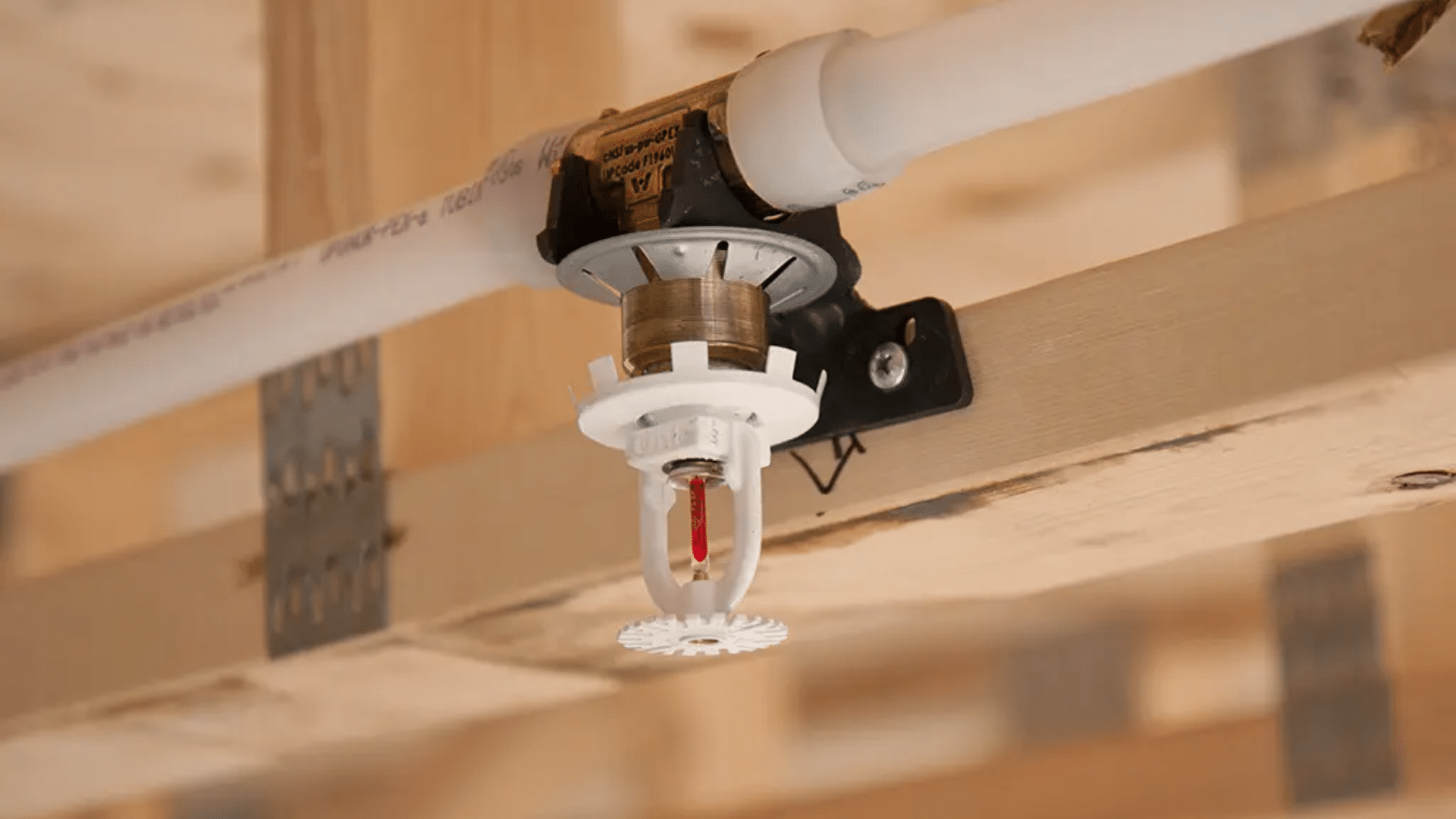
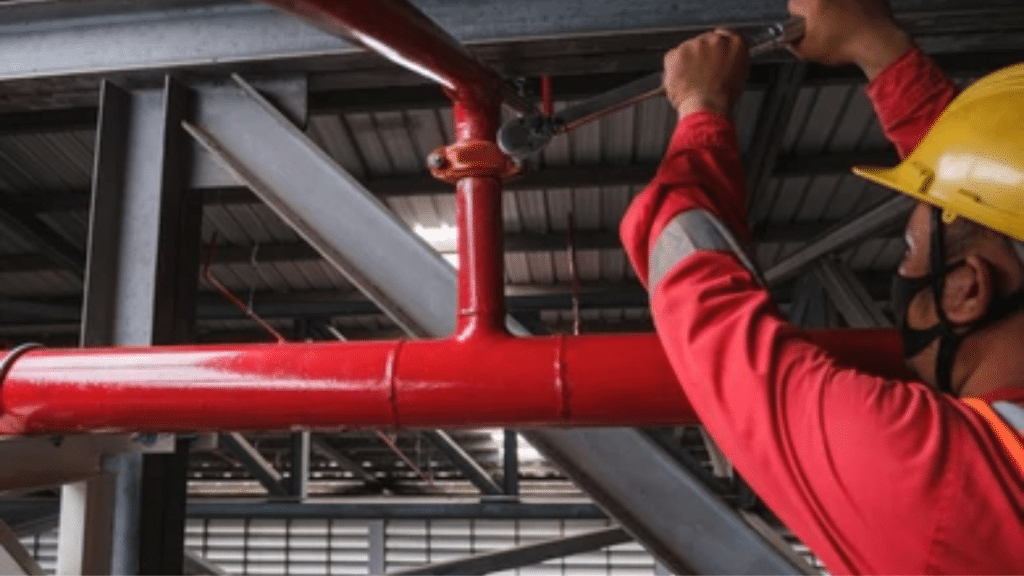
Fire sprinkler systems follow a simple but powerful process that detects heat and responds before a fire spreads. This is how each stage works to control flames quickly and keep your home safer in an emergency.
1. Heat Detection
A fire sprinkler doesn’t react to smoke; it responds to heat. Each sprinkler head contains a glass bulb filled with liquid that expands as temperatures rise.
When a fire heats the area to about 155°F, the bulb bursts.
This break triggers the system to open only at the sprinkler nearest the fire.
Because it activates so quickly, heat detection stops flames before they move into other rooms, giving you more time to escape safely.
2. Automatic Activation
Once the glass bulb breaks, pressurized water immediately flows through the pipes to the activated sprinkler head.
Only that single head opens, preventing unnecessary water damage and focusing all suppression power where it’s needed most.
This targeted activation helps control flames in seconds, long before firefighters arrive.
It also reduces the spread of smoke and heat, which are often more dangerous than flames themselves.
3. Fire Suppression
As water sprays from the sprinkler head, it cools the fire, reduces heat levels, and forms steam that helps smother remaining flames.
This combination stops the fire from growing and keeps it contained to a small area.
In many cases, a single sprinkler head is enough to fully control or extinguish the fire.
Fast suppression dramatically lowers repair costs and keeps your home far safer during those critical first few moments.
Benefits of Installing Fire Sprinklers
Fire sprinklers add a strong layer of protection that activates within seconds of a fire starting. They reduce damage, increase safety, and work automatically without any effort from you.
1. Life-Saving Early Fire Response
Fire sprinklers activate within seconds of detecting dangerous heat, giving you and your family critical time to escape.
Because they react so quickly, they prevent flames from spreading and reduce smoke buildup, which is often the most harmful part of a fire.
Only the sprinkler near the fire activates, so the response is targeted and controlled.
This fast action is proven to lower injury risk and dramatically increase survival chances during a home fire.
2. Significant Reduction in Property Damage
A sprinkler-controlled fire causes far less damage compared to a fire that spreads until firefighters arrive. Sprinklers use much less water, about 90% less than fire hoses, so cleanup and repairs are easier.
In most cases, sprinklers contain flames to a single area, preventing structural loss.
This level of early suppression often means the difference between minor repairs and complete reconstruction, making sprinklers a practical and cost-effective protection for any home.
3. Lower Insurance Costs for Homeowners
Many insurance companies offer discounts for homes with fire sprinkler systems because they dramatically reduce the risk of total loss.
Over time, these savings can add up and offset part of the installation expense.
Insurers trust sprinkler-equipped homes because they limit damage early and make claims smaller.
For homeowners, this means long-term financial benefits paired with added peace of mind, making sprinklers a smart investment from both a safety and budget standpoint.
4. Increased Home Value and Market Appeal
Homes with fire sprinkler systems often stand out in the real estate market due to their added safety features.
Buyers appreciate knowing the home includes built-in fire protection, and some newer building codes even encourage or require sprinkler installation in new constructions.
Having a system already in place reduces future upgrade costs for buyers, making your property more attractive.
This added value helps support long-term resale potential and strengthens your home’s overall appeal.
5. Environmentally Friendly Fire Protection
Many people don’t realize that sprinkler systems are better for the environment than traditional firefighting methods.
Because sprinklers use far less water, often just a fraction of what hoses require, they minimize runoff, reduce water waste, and limit contamination.
Their quick response also prevents large fires, which produce far more smoke, toxins, and debris.
By stopping flames early, sprinklers help protect the environment while keeping your home and belongings safe from extensive damage.
Common Sprinkler Problems and Fixes
A residential fire sprinkler system needs proper maintenance to stay reliable, and most issues are easy to spot once you know what to look for.
These are the most common problems homeowners face, and the simple fixes that keep your system working safely.
- Leaking sprinkler heads or fittings: Often caused by loose connections or corrosion; tightening or replacing the affected part usually solves it.
- Painted or dirty sprinkler heads: Paint, dust, or grease can block activation; clean gently with a soft cloth and never paint over heads.
- Low water pressure: May indicate blockages or supply issues; contact your water provider or a fire system technician to diagnose and fix it.
- Obstructed sprinkler coverage: Furniture, curtains, or décor placed too close can block the spray; maintain at least 18 inches of clearance.
- Corrosion or mineral buildup: Hard water can cause scaling inside pipes; routine flushing or professional cleaning helps prevent clogs.
Choosing the Right Installer for Your Sprinkler System
Choosing the right installer plays a big role in how well your sprinkler system performs. Start by looking for licensed professionals who have experience with residential systems, not just commercial ones.
Ask for proof of certification and recent projects, so you know they understand current standards.
It also helps to compare a few quotes to check pricing and workmanship.
Make sure the installer explains the layout, parts used, and how the system will connect to your home. Clear communication is a good sign you’re working with someone reliable.
Avoid companies that rush or skip questions. A good installer explains maintenance needs and gives you clear written documents after the job is done.
Choosing a skilled, transparent installer gives you a reliable system that protects your home for years.
Fire Sprinklers vs. Smoke Alarms
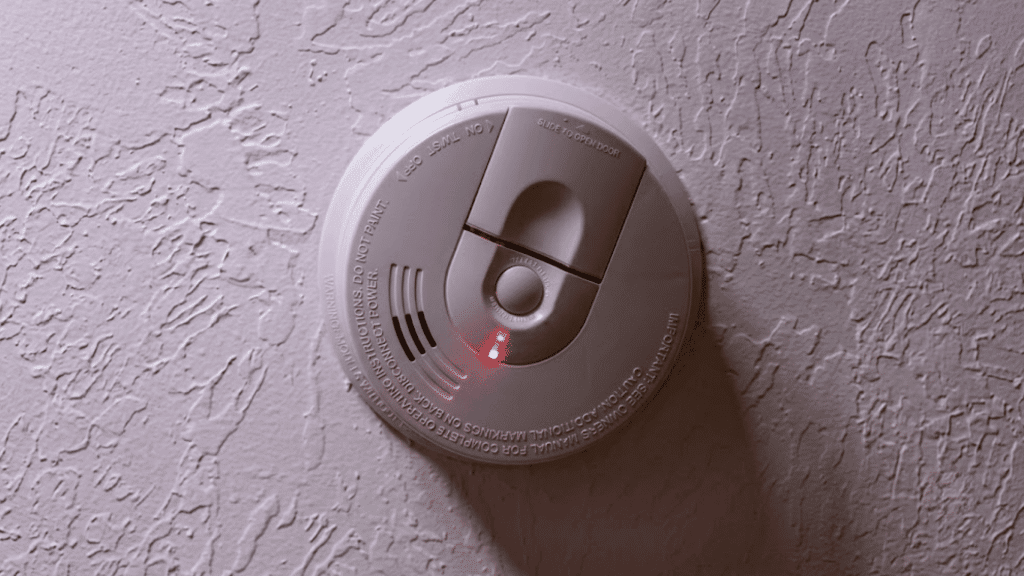
Fire sprinklers and smoke alarms work together, but they do very different jobs. This quick comparison helps you see what each one does to keep your home safer.
| Feature | Fire Sprinklers | Smoke Alarms |
|---|---|---|
| Main Purpose | Control or put out a fire | Warn you about the smoke |
| Activation Trigger | Heat (usually 155°F) | Smoke in the air |
| Response Time | Activates early and suppresses flames | Sounds an alarm to alert you |
| Action Taken | Releases water to slow or stop the fire | Makes noise so you can escape |
| Coverage | Only the head closest to the fire activates | Each alarm detects smoke in its area |
| Damage Level | Minimal water used; prevents major loss | No suppression, so the fire may keep spreading |
| Best Use | Stops fires from growing | Alerts you to danger so you can act |
Conclusion
A residential fire sprinkler system is one of those upgrades you may not think about every day, but once you understand what it can do, it’s hard to imagine living without it.
When I first learned how quickly a small flame can turn dangerous, I realized how much peace of mind a sprinkler system truly brings.
Knowing a built-in safety net is ready at all times makes my home feel more protected and my family safer.
What I appreciate most is that sprinklers work instantly, long before help arrives, and often prevent disasters altogether.
If you are building a new home or updating an older one, taking the step to install a system is a decision you’ll never regret. It’s a meaningful investment that protects everything that matters most.