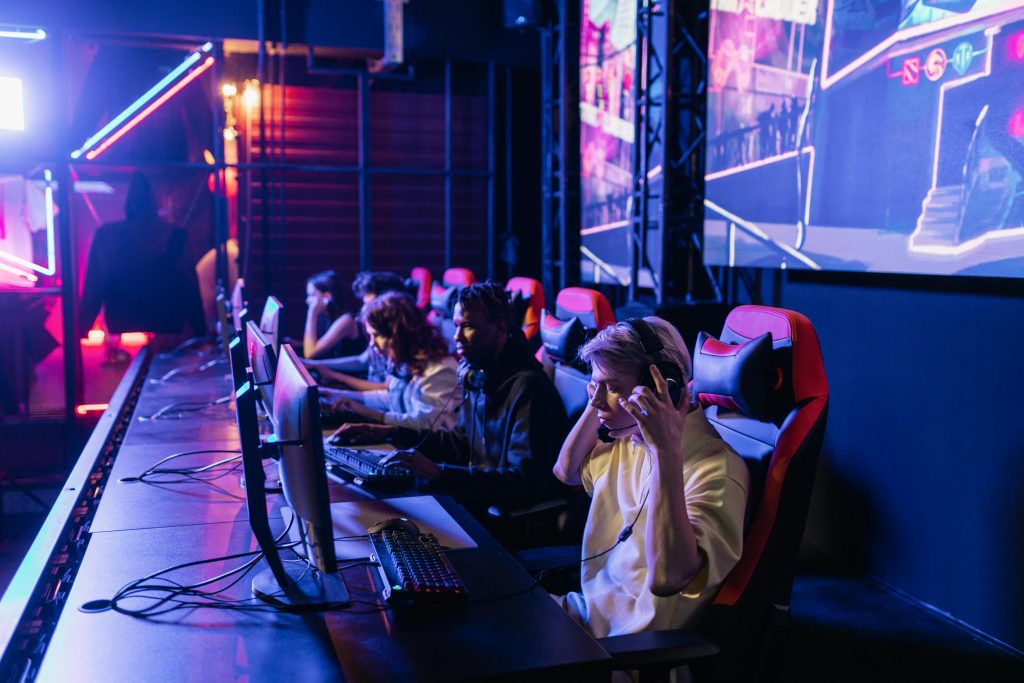
Long sessions, high-stakes matches, and pressure to stay sharp can make performance shortcuts look tempting. In gaming spaces, that can include talk about prescription stimulants as a way to focus longer, react faster, or push through fatigue. For some readers, that idea may sound familiar. For others, it may feel unsettling.
Adderall for gaming usually refers to using a prescription stimulant in the context of gaming performance, often without a prescription or outside the way it was prescribed.
That matters because Adderall is a medication used to treat attention-deficit/hyperactivity disorder, or ADHD, and in some cases narcolepsy. It is not a harmless study aid or gaming enhancer. Used without medical supervision, it can carry real physical and mental health risks.
Why People Use It in Gaming
The appeal is not hard to understand. Competitive gaming rewards sustained attention, fast decision-making, and long practice hours. A stimulant may seem like a way to stay locked in, especially when someone is tired, under pressure, or worried they are falling behind.
Some people believe it helps with concentration or reaction time. Others use it to stay awake through extended sessions. In more serious cases, the pattern can be tied to a broader need to perform, avoid burnout, or keep up with an online routine that is already becoming hard to control.
That does not mean everyone involved in gaming is using substances, or that gaming itself causes stimulant misuse. It does mean the culture around performance can create pressure, and pressure can shape risky choices.
What Adderall Does in The Body
Adderall affects brain chemicals involved in attention, alertness, and impulse control, mainly dopamine and norepinephrine. Those shifts can make a person feel more awake, more focused, or more driven for a period of time.
That short-term effect is part of why nonmedical use can seem appealing. But feeling more focused is not the same as functioning better overall. Someone may become more intense, more restless, more irritable, or less aware of physical limits. They may also overestimate how well they are actually performing.
The medication also affects the body beyond attention. It can raise heart rate, increase blood pressure, reduce appetite, and disrupt sleep. In a setting where people may already be dehydrated, overstimulated, or sleep-deprived, those effects can stack up.
Risks of Using Adderall without A Prescription
Nonmedical stimulant use is not a minor workaround. Risks can include:
- trouble sleeping
- anxiety or panic
- irritability or agitation
- rapid heart rate
- elevated blood pressure
- decreased appetite
- headaches
- shakiness
- mood changes
In some people, especially at higher doses or when pills are misused, the risks are more serious. That can include chest pain, severe anxiety, paranoia, or dangerous overheating. Mixing stimulants with alcohol or other substances can add more unpredictability.
There is also the risk of dependence. A person may start using it for a tournament, a long session, or a deadline-driven grind, then begin to feel like they cannot perform without it. That shift can happen gradually. Often, the first sign is not dramatic. It is the growing sense that gaming, work, school, or even basic daily functioning now feels harder without the drug.
What the Research Suggests
Research on gaming disorder and substance use is still developing, and it is important not to overstate what current studies show. The clearest takeaway is not that gaming automatically leads to stimulant misuse.
It is that substance use can overlap with problematic gaming patterns in some people, especially when impulse control, reward-seeking, stress, or emotional regulation are already under strain.
A 2026 scoping review found that substance use appears in some people with internet gaming disorder or gaming disorder, though patterns vary and the evidence is not uniform across substances or populations. That kind of review is useful because it pulls together a wider body of research, but it still does not prove direct cause and effect.
Two more recent studies looked at biological and social features in adolescents with internet gaming disorder, including changes in a brain-related signaling measure and differences in cooperativeness. These findings are interesting, but they are not a reason to make simple claims about why any one person uses stimulants while gaming. Biology, environment, mental health, sleep, stress, and access all matter.
In plain terms, the relationship is real enough to take seriously and too complex to reduce to one explanation.
Signs a Pattern May Be Becoming a Problem
Sometimes the concern is not one pill or one rumor. It is the pattern around it.
Warning signs can include taking someone else’s prescription, using more than intended, needing it to get through ordinary gaming sessions, hiding use, or feeling unable to stop even after side effects show up. You might also notice escalating sleep problems, mood changes, appetite loss, or a drop in school, work, or relationship functioning.
For parents and partners, the first clue is often behavioral rather than medical. A person may become more secretive, more rigid about gaming time, or unusually distressed when they cannot play or cannot access the drug they have been relying on.
You do not need to label the situation perfectly to take it seriously. Noticing a pattern early is often more useful than arguing over whether it “counts.”
For Parents, Friends, and Partners
This topic can bring up frustration fast. You may feel angry, confused, or unsure whether you are overreacting. A calmer starting point usually works better than confrontation.
Try to focus on what you are seeing: changes in sleep, appetite, mood, secrecy, money, school or work functioning, and how often gaming seems tied to stimulant use. That keeps the conversation grounded in observable behavior instead of accusation.
It also helps to avoid reducing the issue to laziness, cheating, or lack of character. Nonmedical stimulant use can be wrapped up in pressure, emotional distress, untreated attention symptoms, or a wider substance use problem. Accountability matters, but shame rarely improves clarity.
When Professional Help Makes Sense
A healthcare professional can help sort out what is actually going on. That might include ADHD symptoms, stimulant misuse, another mental health concern, disordered sleep, or a mix of issues that look similar from the outside.
A formal evaluation matters because self-diagnosis can miss important details. Someone who is struggling with focus during gaming may assume they need stimulants, when the bigger issue is sleep deprivation, anxiety, depression, burnout, or compulsive gaming behavior.
To keep this grounded, look for help when use is recurring, side effects are showing up, functioning is slipping, or the person feels unable to stop. Support can come from a primary care clinician, mental health professional, or addiction specialist, depending on the situation.
A Realistic Takeaway
The conversation around stimulants in gaming often gets flattened into extremes: either harmless optimization or obvious addiction. Real life is usually messier than that.
Prescription stimulants have legitimate medical uses. Using them without a prescription, or in ways not directed by a clinician, is a different situation with different risks. In gaming environments, where performance pressure and long hours can blur judgment, that distinction matters.
Steady improvement usually starts with honest information, not panic. When people understand what the drug does, what it cannot do, and what warning signs to watch for, it becomes easier to make safer decisions and get help sooner.
Safety Disclaimer
If you or someone you love is in crisis, call 911 or go to the nearest emergency room. You can also call or text 988, or chat via 988lifeline.org to reach the Suicide & Crisis Lifeline. Support is free, confidential, and available 24/7.