Running a massive event and managing a fleet of trucks might look like different worlds, but they both live or die by logistics. Whether it’s moving a thousand attendees through a door or ten tons of freight down a highway, the goal is simple: get things there safely and on schedule.
A backup at a conference check-in creates the same ripple effect as a late truck on the interstate. If one piece of the machine stalls, the whole system feels it. By looking at how fleets use tech to navigate the road, we can learn a lot about managing any complex operation.
Knowing Where Things Are Matters
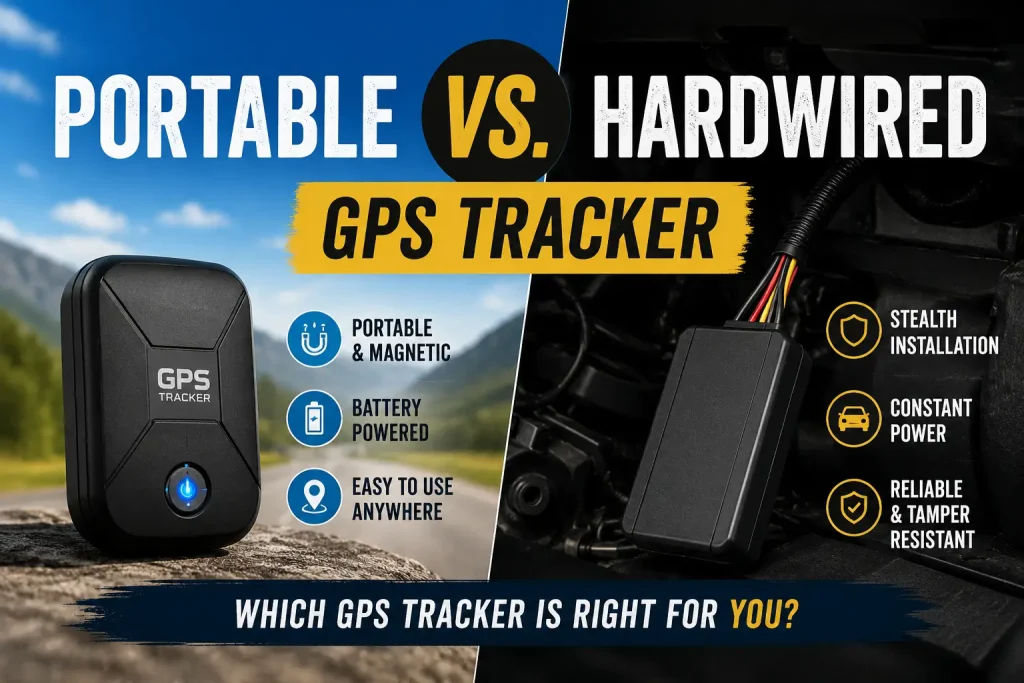
Live visibility is everything. GPS and telematics give managers a real-time window into speed, status, and route progress.
According to Wifitalents, 52 percent of fleets are already using truck route gps to cut down on idle time and steer drivers around traffic jams. It also takes the headache out of Hours-of-Service compliance. In one carrier study, having that real-time view slashed late deliveries by more than 20 percent.
It’s hard to overstate how much better decisions get when you can actually see your entire fleet on a single dashboard instead of guessing.
Cutting the Fuel Bill
Fuel is usually the heaviest expense for any trucking company, so efficiency isn’t just a “nice to have.” US Fleet Tracking research points to a 15 to 30 percent drop in fuel costs when companies actually use telematics to optimize their routes and stop wasting time idling. In cities, the impact is even sharper.
Advanced routing can boost efficiency by 35 percent, which saves about $3,200 per truck every year. Even a simple 10 percent reduction in total mileage, which is what most industry studies show is achievable, directly hits the bottom line.
Getting More Done Safely
When you integrate routing with telematics, you generally see a productivity jump of 15 percent or more.
Vehicles get utilized better, and turnarounds happen faster. You also start seeing which trucks aren’t being used enough, which might mean you can downsize the fleet without hurting your service levels.
Safety follows suit. If you’re monitoring how people drive, you get fewer accidents and better insurance rates. Plus, you get those preventive maintenance alerts. It’s much cheaper to fix a truck because a sensor flagged a problem than to tow it off the shoulder of the road.
Key benefits include:
– Getting more out of every vehicle: You’ll see faster turnarounds and keep your trucks moving instead of just sitting idle.
– Trimming the fat: It makes it obvious which trucks aren’t pulling their weight, so you can downsize the fleet without losing any capacity.
– Fewer headaches and lower rates: Safety naturally goes up, which keeps your drivers out of trouble and brings those insurance premiums down.
– Fixing things before they break: Those early maintenance alerts are much cheaper to handle a repair in the shop than to deal with a total breakdown on the side of the road.
Anticipating the Next Headache
The sheer volume of data these systems collect is massive. The best fleets are now using AI to spot patterns before they become problems.
Predictive analytics can identify when a part is about to fail, letting you schedule repairs when it’s convenient rather than when it’s a crisis. Using these predictive signals can cut overall operating costs by 10 to 20 percent.
It moves the focus from reacting to what happened yesterday to planning for what’s coming next, whether that’s seasonal surges or better load planning. If you want to stay competitive, this is how you make the operation predictable.
Coordination really comes down to the same thing: keeping people or goods moving without the whole operation stalling. A bottleneck at a registration desk causes the same kind of ripple effect as a delivery truck stuck in highway traffic. Understanding how tech solves one problem helps shine a light on the other.
Seeing the Whole Board in Real Time
Visibility is the big differentiator here. According to a report from Wifitalents, 52 percent of fleets are now using platforms like Trucker Guide to track locations live.
It’s about cutting down on idle time and rerouting drivers the second traffic gets heavy. It also makes federal Hours-of-Service compliance a lot more manageable. In one carrier study, having that real-time view slashed late deliveries by more than 20 percent.
When a dispatcher has a live dashboard, they stop guessing and start making actual decisions.
Trimming the Fuel Bill
Fuel is usually the biggest cost sink for any trucking company. US Fleet Tracking found that telematics and smart routing can drop fuel costs by 15 to 30 percent by just optimizing those routes and killing idle time. In a city setting, the numbers are even more stark.
Advanced routing can boost efficiency in urban areas by up to 35 percent, which works out to saving around $3,200 per vehicle every year in fuel alone. Even a 10 percent reduction in total mileage directly pads the bottom line.
Doing More with Less
When you integrate these tools, productivity usually takes a clear jump. We’re talking about gains of 15 percent or more in daily output because vehicles are being used more effectively and turnarounds are faster. Sometimes, you even realize you can downsize the fleet without losing any capacity. It’s also a safety play.
Monitoring how people drive reduces accidents and lowers insurance premiums. Plus, predictive maintenance alerts mean you’re fixing things before they break, which keeps trucks on the road instead of sitting in the shop.
The real edge right now is predictive analytics. Leading fleets are using AI to find patterns in the mountains of data they collect every day. By catching maintenance needs before a truck actually fails, companies are seeing operating cost reductions of 10 to 20 percent.
It’s about taking that mountain of data and actually using it to plan for things like load planning or seasonal surges. If you want to stay competitive, you have to be able to see what’s coming.