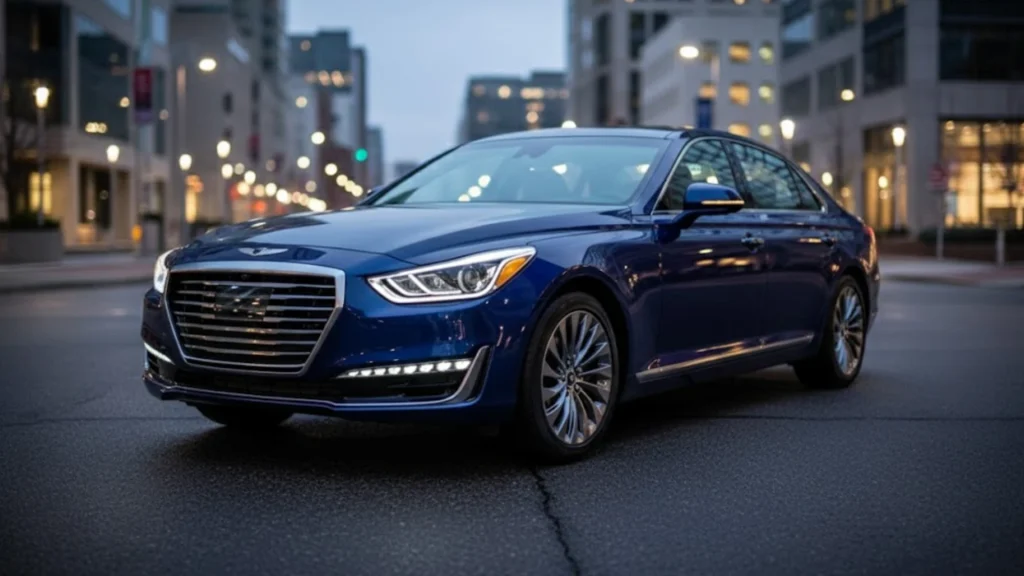
Buying a used car can save thousands of dollars compared to buying new. However, there is a point where age and mileage stop being an advantage and start becoming a liability. Understanding when a used car becomes “too old” helps you avoid turning a good deal into an expensive mistake.
There is no single age where every car becomes unreliable. Instead, the decision depends on mileage, maintenance history, safety features, and projected repair costs.
What “Too Old” Really Means
A used car is generally considered high-risk when it exceeds 10 to 12 years of age and has more than 150,000 to 175,000 miles. At that stage, wear on major components increases and repair frequency often rises.
Common tipping points include:
- Major repairs approaching, such as transmission or timing belt replacement
- Noticeable rust on structural components
- Missing modern safety features now standard on newer vehicles
- Annual repair costs exceeding practical budget limits
That said, age alone does not define reliability. A well-maintained 2014 Toyota Camry with full service records can be a safer purchase than a neglected 2019 compact with inconsistent maintenance.
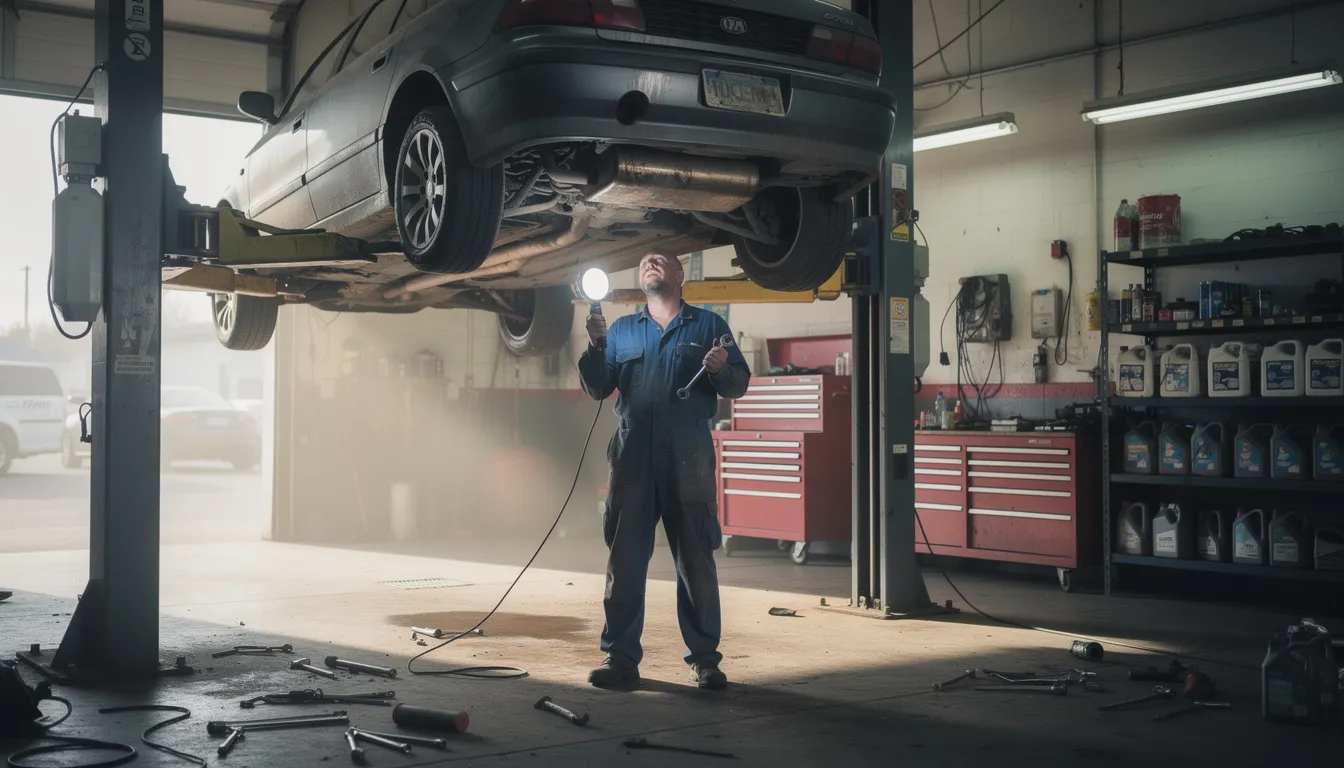
The key question is simple: Will the next two to three years of ownership cost more than the savings you gained by buying older?
The Ideal Age and Mileage Range
For most buyers, the strongest balance between value and reliability falls within:
- 3 to 6 years old and
- 40,000 to 80,000 miles
This range captures the steepest depreciation while still retaining modern safety features and lower repair risk.
Cars up to 8 years old and under 100,000 miles can still be excellent purchases if they have:
- Complete service documentation
- No accident or structural damage history
- Consistent ownership patterns
If you are actively comparing options, browsing large national inventories makes pricing differences easier to understand. Platforms like AutosToday allow buyers to see how similar vehicles are priced across different regions before committing.
Age vs. Mileage: Which Matters More?
Mileage typically affects mechanical wear more than age.
|
High mileage impacts: |
Age impacts: |
|---|---|
|
Engine internals Transmission components Suspension parts Wheel bearings |
Rubber hoses and seals Plastic components Electronics Interior materials |
A five-year-old vehicle with 110,000 mostly highway miles may be mechanically healthier than a seven-year-old vehicle with 60,000 miles driven in stop-and-go city traffic.
As a general benchmark:
- Average driving equals 12,000 to 14,000 miles per year
- Many mainstream vehicles reach 180,000 to 220,000 miles with proper care
- Higher-mileage cars demand stricter inspection before purchase
Safety and Technology Considerations
Being “too old” is not just about mechanical failure; it also involves outdated safety systems. Here are some important milestones when it comes to car year:
- In 2012, electronic stability control became mandatory
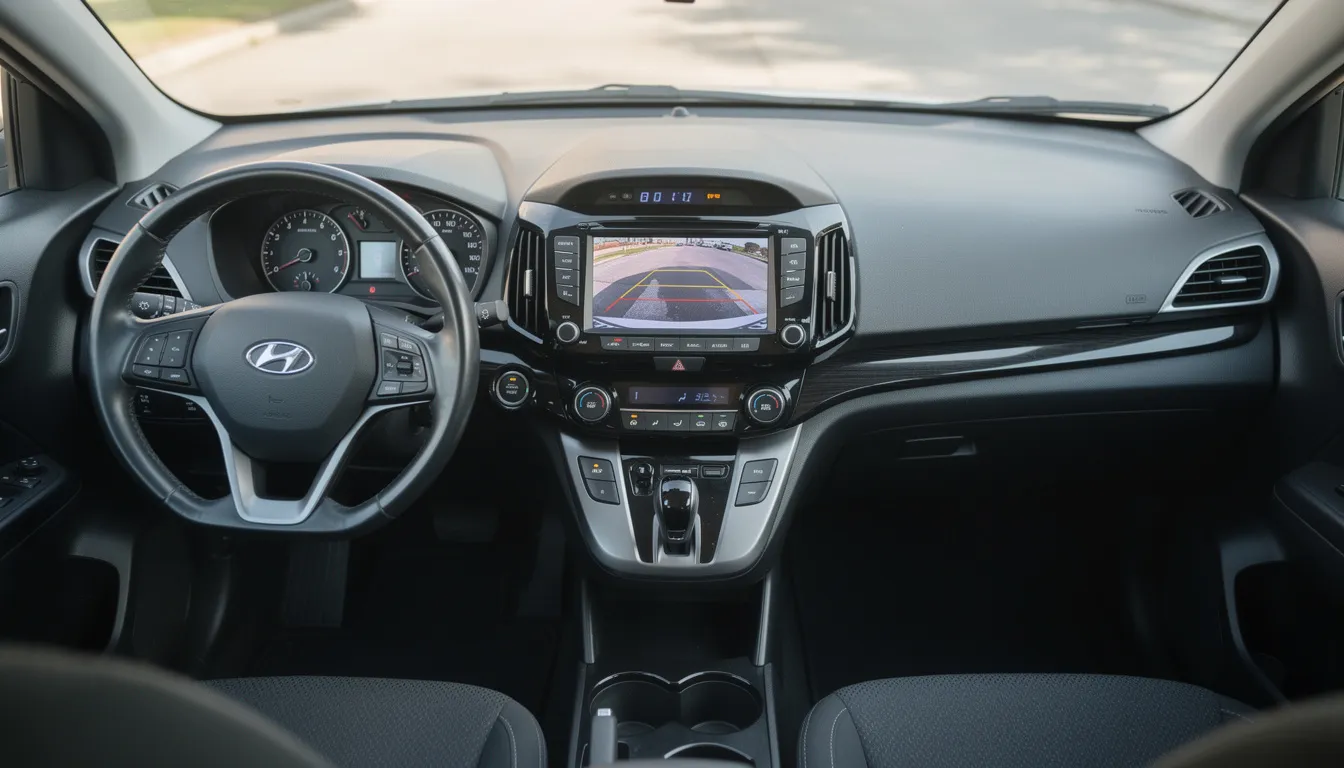
- In 2018, backup cameras became standard on all new vehicles
- From 2016 to 2020, advanced driver assistance features became widely available
Cars produced before these year-milestones can lack:
- Blind-spot monitoring
- Automatic emergency braking
- Lane-keeping assistance
- Modern crash structure improvements
These are all important factors to consider when choosing an older car, as you’ll have to evaluate what safety features you may possibly going without.
When Repair Costs Outweigh Value
A practical rule many buyers follow is the 50 percent rule. If a required repair exceeds roughly half the vehicle’s private-party value, reconsider the purchase.
Examples:
- A $3,000 transmission repair on a $5,500 vehicle
- Extensive rust repair on a car worth under $6,000
- Multiple simultaneous repairs exceeding annual budget
For cars older than 10 years or above 120,000 miles, planning for $1,000 to $2,000 annually in maintenance is realistic. If that number feels uncomfortable, the vehicle may already be too old for your budget tolerance.
When comparing older vehicles, reviewing multiple listings helps identify realistic pricing. You can compare options on online used car marketplaces to understand how age and mileage affect current market value.
Clear Walk-Away Red Flags
Regardless of age, certain inspection findings should stop the deal immediately. Major red flags include:
- Structural rust on frame rails or suspension mounts
- Flood damage indicators
- Overheating history
- Burnt transmission fluid
- Severe oil or coolant leaks
- Refusal to allow independent inspection
A pre-purchase inspection typically costs a small fee and can prevent thousands in unexpected repairs.
When an Older Car Still Makes Sense
An older used vehicle can still be practical when:
- It serves as a secondary vehicle
- Annual mileage is low
- Purchase price is significantly below market average
- Service records are complete
- There is no structural rust
For short-distance commuting or local errands, a 10-year-old car may offer strong value. For daily long-distance highway use, stricter standards apply.
Final Thoughts
A used car becomes “too old” when projected repairs, safety limitations, and reliability risks outweigh the initial savings.
For most buyers, caution increases after:
- 10 to 12 years of age
- 150,000 miles
- Missing safety features
- Rising annual repair expenses
Maintenance history, structural condition, and pricing relative to the broader market matter more than age alone.
Smart buyers focus less on the number of birthdays a car has had and more on how it has been maintained, how it will be used, and how it compares to similar listings currently available.
When those factors align, even an older vehicle can still be a smart purchase.