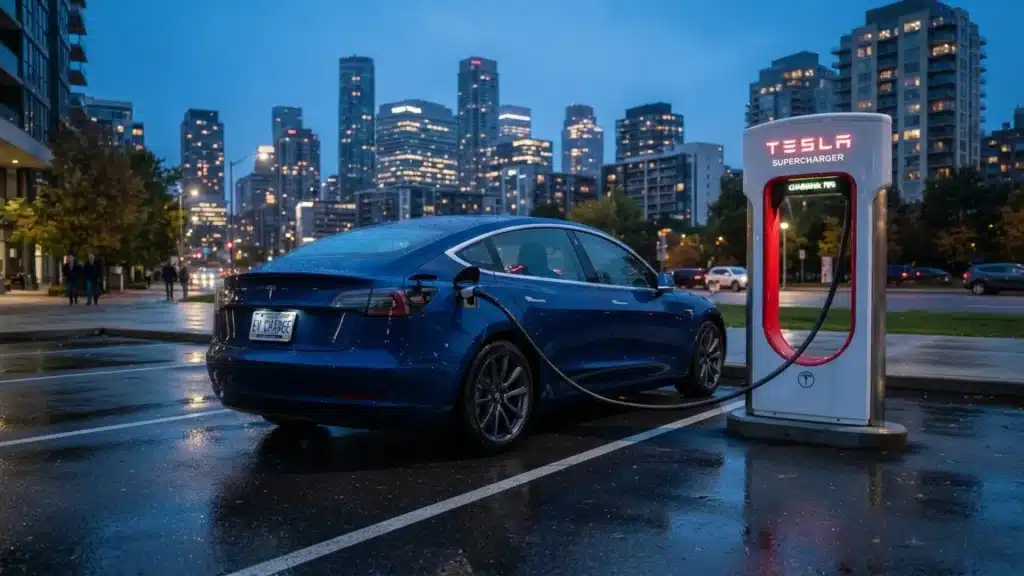
Electric vehicle logistics can be sustainable, scalable, and efficient. But only with the right infrastructure in place.
This article breaks down how charging, storage, power management, and material flow work together to build logistics facilities ready for the next generation of electric vehicles.
Why Electric Vehicle Logistics Require a New Infrastructure Mindset
Electric fleets reshape how logistics facilities use power, space, and labor. Charging schedules now influence dock availability, fleet readiness, and shift planning. Infrastructure decisions directly affect whether electrification improves productivity or introduces new constraints.
According to research from the US Department of Energy, unmanaged fleet charging can create sharp electrical demand spikes at warehouse sites. Higher peak loads raise utility costs and increase the risk of service interruptions.
Electric vehicle logistics also extend dwell times at distribution centers. Vehicles remain onsite longer for charging, which changes yard management, traffic flow, and staging requirements. Infrastructure planning must account for these new operational rhythms.
Designing Facilities Around Electric Vehicle Logistics Infrastructure
Aligning Charging Zones With Material Flow
Charging infrastructure performs best when integrated into natural warehouse movement. Chargers placed near outbound docks, return lanes, and staging zones allow vehicles to recharge during planned dwell periods.
Layout alignment reduces unnecessary travel and improves fleet availability.
Traffic flow design becomes even more critical in electrified environments. Clear travel paths, defined charging areas, and predictable stopping points reduce congestion and support safer interactions between vehicles and floor personnel.
Charging locations should also reflect operational priorities. High-turn routes benefit from fast-access chargers, while long-haul vehicles require spaces designed for extended dwell times without blocking throughput.
Storage Systems That Support Electrified Operations
Sustainable logistics facilities rely on efficient storage to balance the space demands created by charging infrastructure. High-density pallet racks, mezzanines, and vertical shelving reduce the overall building footprint. Smaller footprints lower heating and cooling loads.
Efficient storage layouts also reduce internal travel distances. Shorter pick paths and faster staging improve loading efficiency, which limits idle time for electric vehicles waiting at docks.
Storage planning plays a direct role in energy efficiency. Facilities that maximize vertical space often require less lighting and climate control per pallet position, supporting sustainability goals alongside operational efficiency.
Material Handling Equipment as Part of EV Readiness
Electrified logistics depend on smooth interaction between vehicles and warehouse systems.
Reliable material handling equipment, such as that from the East Coast Storage Equipment Company, supports faster loading cycles, safer battery-powered operations, and adaptable layouts.
These solutions enhance storage capability and overall productivity through a comprehensive suite of services, including expert design, engineering, installation, and equipment liquidation.
Handling systems influence how quickly electric vehicles turn at the dock. Efficient conveyors, pallet-flow systems, and properly sized racking reduce dwell time and support predictable charging schedules.
Sustainable infrastructure planning treats handling equipment as part of the broader energy strategy. Electric forklifts and automated systems reduce emissions while aligning warehouse operations with fleet electrification goals.
Power Management Strategies for Electric Vehicle Logistics
Managing Electrical Load Without Disrupting Operations
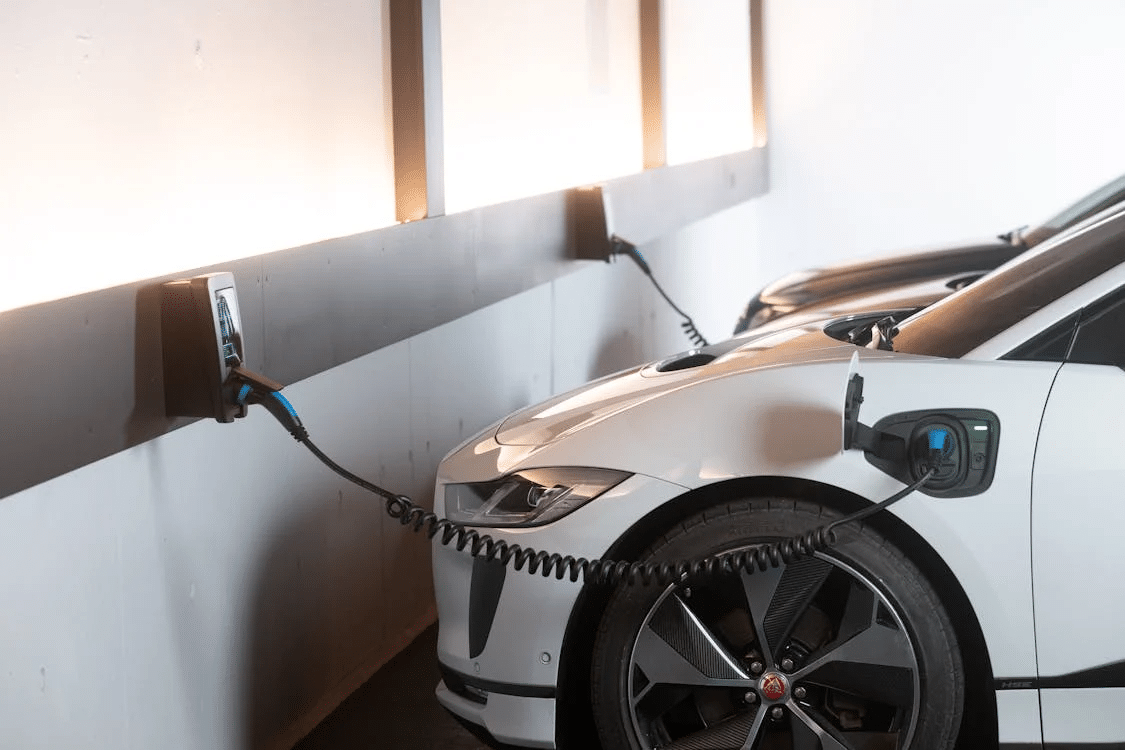
Electric vehicle charging introduces new peak-demand challenges for logistics facilities. Simultaneous charging across multiple vehicles can strain electrical systems if infrastructure planning falls short.
Managed charging distributes loads across operating hours. And that’s without compromising fleet readiness.
Predictable energy use helps operators maintain stable costs. It enables them to avoid unexpected infrastructure upgrades, as well.
Power management also improves resilience. Facilities that monitor and control charging loads respond more effectively to utility constraints and seasonal demand fluctuations.
Infrastructure Features That Improve Long-Term Sustainability
Facilities built for electric vehicle logistics often share several infrastructure characteristics. These features support sustainability while protecting daily operations.
Common elements include:
- Dedicated charging zones aligned with dock schedules
- Scalable electrical rooms designed for future load growth
- Energy-efficient lighting and building controls tied to occupancy
Each feature supports uptime, safety, and flexibility as electric fleets continue to expand.
Infrastructure planning should also consider future vehicle classes. Medium and heavy-duty electric vehicles require different charging profiles, which affects power distribution and space allocation.

Building Flexibility Into Next-Generation Logistics Facilities
Electric vehicle technology continues to evolve, and infrastructure must remain adaptable. Facilities designed with modular storage systems and expandable power layouts respond more easily to new charging standards.
Flexibility reduces downtime during upgrades. It also protects long-term investments. Facilities designed for growth avoid disruptive retrofits as electric vehicle logistics mature.
Distribution centers that can reconfigure storage, docks, and power systems adapt more easily to new customers and routes.
Infrastructure Choices That Strengthen Electric Vehicle Logistics
Sustainable infrastructure for electric vehicle logistics connects environmental responsibility with operational performance. Reduced energy waste, safer workflows, and smoother vehicle movement support stronger margins over time.
Infrastructure decisions influence how quickly facilities adapt to evolving fleet demands. Electric vehicle logistics succeed when storage, power, and material flow operate as one system.
Organizations preparing for the next phase of electric vehicle logistics can move forward by exploring more articles about facility design and equipment solutions.