Planning events used to be simpler. Book a venue, send some invites, cross your fingers, and hope for the best.
Those days are gone.
Today’s event planners juggle dozens of vendors, thousands of data points, and audiences who expect polished experiences at every turn. The good news? Technology has caught up with the chaos. The better news? You don’t need a massive budget to take advantage of it.
Here’s what’s actually working for event teams right now.
The Logistics Nightmare Nobody Warns You About
Ask any veteran event planner about their biggest headache. Nine times out of ten, it’s not the venue or the speakers. It’s the stuff.
Merchandise. Equipment rentals. Printed materials. Catering supplies. All of it needs to arrive at the right place, at the right time, in the right quantities.
Sounds simple enough. It never is.
Every vendor has their own ordering system. Their own invoice format. Their own way of confirming shipments. Multiply that across fifteen or twenty partners, and you’re drowning in emails, spreadsheets, and phone calls.
One missed detail can snowball fast. Wrong t-shirt counts. Delayed signage. Equipment that shows up a day late. These problems don’t just stress you out; they show up in the attendee experience.
Getting Your Systems to Actually Talk to Each Other
Here’s something most people outside the logistics world don’t realize: businesses have been solving this problem for decades. Retailers, manufacturers, and shipping companies figured out long ago that manual data entry between systems is a recipe for disaster.
Their solution? Electronic Data Interchange, or EDI. It’s basically a standardized way for different computer systems to exchange information automatically.
Purchase orders, invoices, shipping confirmations, inventory updates. All of it flows between systems without anyone retyping numbers into spreadsheets.
For event operations, this matters more than you might think. When your registration platform can automatically tell your merchandise vendor how many medium shirts to ship, errors drop dramatically.
When your equipment rental company’s system updates yours the moment items leave their warehouse, you stop wondering where things are.
The catch? Setting up these connections used to require serious technical resources. Most event teams don’t have IT departments standing by to build custom integrations.
That’s changed recently. Many organizations now work with third party edi providers who handle all the technical complexity. You get the benefits of automated data exchange without hiring developers or buying expensive software.
The practical impact is real. Less time chasing confirmations. Fewer fulfillment errors. More confidence that what you ordered will actually show up.

The Content Treadmill Is Exhausting
Let’s shift gears and talk about something equally draining: content creation.
Modern event marketing demands a constant stream of fresh visuals. Social posts. Email headers. Website banners. Promotional videos. Speaker announcements. Countdown graphics.
It never stops.
Most event teams are small. Maybe you have one marketing person. Maybe you’re the marketing person, along with being the logistics coordinator and the registration manager.
Hiring photographers and videographers for every campaign isn’t realistic. Neither is spending hours learning complex editing software. But posting the same tired stock photos over and over again? That’s not going to cut it either.
Video Without the Production Budget
Video content outperforms static images almost everywhere. Higher engagement on social media. Better click rates in emails. More shares, more comments, more eyeballs.
Everyone knows this. The problem is actually making videos.
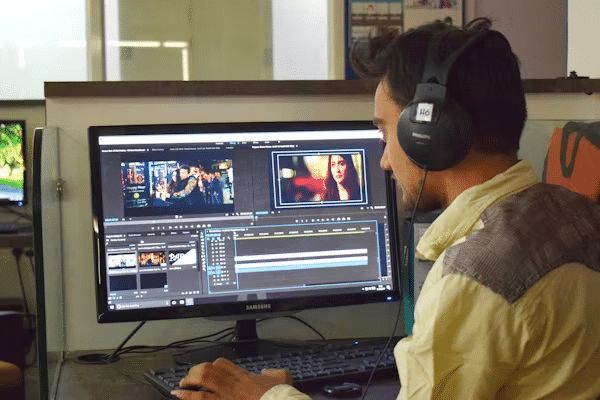
Traditional video production is slow and expensive. You need footage, editing skills, music licensing, and hours of work to produce something halfway decent. For a quick promotional clip or a speaker highlight reel, that investment rarely makes sense.
This is where AI tools have genuinely changed things. Not in a gimmicky way, but in a practical, time-saving way.
An AI video maker can help you produce polished clips without traditional editing expertise. You provide the raw materials and direction; the tool handles the technical assembly.
Think about what this means for your workflow. Instead of hiring an editor for your early bird announcement video, you create it yourself in an afternoon. Instead of skipping video altogether because you don’t have the bandwidth, you actually put something out there.
The results won’t win film festival awards. That’s not the point. The point is having professional looking video content when you need it, without blowing your budget or your timeline.
Static Images Still Matter
Video gets all the attention these days, but static visuals remain the backbone of event branding.
Your registration page needs compelling imagery. Your email templates need fresh graphics. Your social feeds need variety. Your printed materials need on-brand visuals that don’t look like everyone else’s.
Stock photography has obvious limits. You’ve seen the same “diverse team high-fiving in a conference room” image on a hundred different websites. Using it doesn’t exactly make your event stand out.
Custom photography solves that problem but creates new ones. Cost, scheduling, turnaround time. When you need images next week, a photo shoot next month doesn’t help.
AI image generation fills an interesting gap here. Tools like getimg.ai let you create original visuals on demand. Need abstract backgrounds in your brand colors? Professional looking scenes that match your event theme? Conceptual illustrations for session topics?
You can generate these without scheduling shoots or digging through stock libraries. The technology keeps improving, and the outputs have gotten genuinely useful.
Will AI images replace professional photography entirely? Probably not. But for filling gaps in your visual library and keeping your content fresh, they’re surprisingly effective.
Building a Stack That Actually Works Together
Individual tools are great. But the real magic happens when they work together.
Your registration data should flow automatically to your fulfillment partners. Your marketing assets should live in a central library that everyone can access. Your vendor communications should sync with your project management system.
When these connections exist, you spend less time copying information between platforms. You make fewer mistakes. You have more visibility into what’s happening across your operation.
Building this kind of integrated setup takes some planning. Start by mapping out where you’re currently doing manual data entry. Those are your friction points. Those are the places where automation will save you the most time and headaches.
Not every tool needs to connect to every other tool. Focus on the workflows that matter most. Registration to fulfillment. Marketing assets to social platforms. Vendor orders to budget tracking.
Getting Your Team on Board
Here’s something that trips up a lot of organizations: buying tools is easy, but getting people to actually use them is hard.
New software means new processes. New processes mean learning curves. Learning curves mean resistance, especially from team members who are already stretched thin.
A few things help. Start with the tools that solve the most painful problems. When people see immediate relief from their biggest headaches, adoption follows naturally.
Designate someone as the internal expert for each major tool. Not a full time job, just a go-to person who can answer questions and help colleagues get unstuck.
Keep documentation simple. Nobody reads a fifty page manual. Quick reference guides and short video walkthroughs work better.
Measuring What Matters
Technology investments should pay off. If you’re spending money on tools, you should be able to point to concrete results.
On the operations side, track things like order accuracy rates, time spent on manual data entry, and vendor communication turnaround. These numbers tell you whether your logistics tools are actually helping.
For content creation, look at production volume and engagement metrics. Are you creating more content than before? Is it performing better? How does the cost per piece compare to your old approach?
Don’t lose sight of the ultimate goal: attendee experience. Registration conversion rates, session attendance, satisfaction scores. These are the numbers that matter most. Everything else is in service of making those better.
What’s Coming Next
The tools available today would have seemed like science fiction five years ago. And the pace of development isn’t slowing down.
AI capabilities will keep expanding. Expect smarter personalization, better predictions, and more sophisticated automation. The tools will get easier to use and more powerful at the same time.
Integration between platforms will deepen. Software providers know that customers want connected ecosystems, not isolated tools. Building your stack will get easier as more native connections become available.
Sustainability will influence technology choices more heavily. Reducing waste, minimizing unnecessary shipping, enabling hybrid formats. These concerns will shape how tools develop and which ones gain traction.
The Bottom Line
Event planning is hard. It’s always been hard. But the tools available now can make it significantly more manageable.
You don’t need to adopt everything at once. Pick the problems that cause you the most pain and find solutions for those first. Build from there as you get comfortable and see results.
The goal isn’t technology for its own sake. The goal is creating better experiences for your attendees while preserving your sanity in the process.
The planners who figure this out will have a real advantage. Not because they’re tech wizards, but because they’re spending less time on tedious operational work and more time on the stuff that actually matters.
That’s the whole point, isn’t it?