Have you ever heard people say offshore software development and feel unsure what they really mean or why it seems so common now?
Most companies in the USA & other parts of the world make this big decision, which we see in Business News.
Some companies like this setup because they work with remote tech experts in other countries while keeping local staff focused on daily business needs.
I will be telling you how to do offshore software development in a simple way so you feel more confident about your choices.
We’ll cover how it’s essential & how it benefits the parent company, while employing remote countries.
But before discussing all of this, let us look more closely at what offshore software development actually is and why people choose it.
What is Offshore Software Development?
Offshore software development is a setup where a company gives its tech work to a team in another country.
This work can include building apps, fixing issues, or updating older systems.
The company and the remote team stay connected through online tools, and the tasks follow clear plans so the project moves in an organized way.
The countries chosen for this setup usually have large groups of trained tech workers who handle many kinds of software needs.
This model began gaining attention when businesses realized they needed more tech support than their local teams could provide.
They started looking for places with strong training programs and steady work habits. Over time, the setup grew into a normal method for handling software projects.
Today, companies of many sizes use this approach when they want outside help to complete tech tasks in a structured and steady manner.
Benefits of Offshore Software Development

Offshore software development offers clear practical points that help teams handle tech work in a simple and straightforward way without adding extra stress to daily tasks.
- Gives companies a wider group of skilled tech workers, which helps them finish tasks that local teams may not have enough time or tools to complete.
- Helps teams move work forward during different hours, keeping progress steady and reducing long gaps that slow down everyday project routines.
- Supports projects that need quick staffing changes, letting teams add or remove workers smoothly when they face sudden growth or slow periods.
- Helps companies focus on their main plans while the remote team handles coding tasks that take time and careful attention every single day.
These points make offshore work a simple choice for teams that want steady progress without changing how they manage their regular tasks.
The Offshore Software Development Process: Step-by-Step Guide
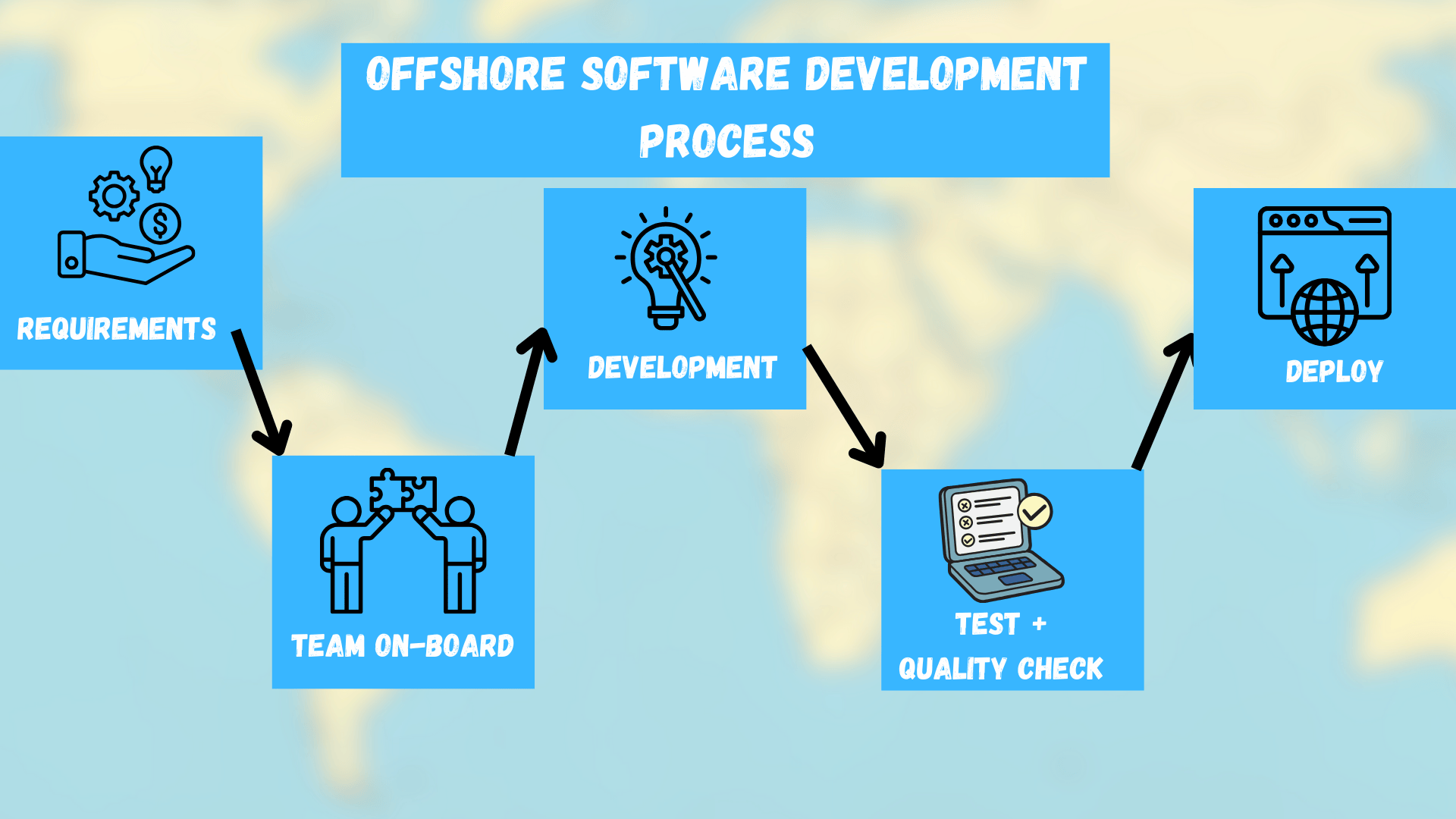
It is easier to understand this setup when each stage feels clear, so here is a simple view showing how the process usually moves from beginning to end.
Step 1: Requirement Gathering and Vendor Selection
This stage begins with teams writing detailed notes that describe goals, user needs, tools, and outcomes, so every person stays aligned from the very beginning.
After collecting this information, they review possible partners by checking past work, team size, and overall fit to avoid issues later.
This early planning helps both sides follow one shared direction, making the project far easier to manage once real work begins.
Step 2: Contract Setup and Team Onboarding
After choosing a partner, both sides agree on delivery rules, timelines, communication habits, and basic responsibilities that keep the project stable and predictable each week.
The remote team then learns the company’s tools, workflow, and style so daily tasks match naturally without constant explanations.
This onboarding stage builds early trust and reduces confusion, helping the rest of the project move in a smooth and organized way.
Step 3: Development Phases
This stage covers all coding tasks, usually done in smaller rounds that help everyone see progress without getting overwhelmed by massive changes arriving at once.
The team writes code, reviews it with others, and shares updates so each round feels connected rather than scattered.
Regular check-ins keep everyone aligned, making it easier to handle tricky tasks and maintain a steady pace that supports the project plan.
Step 4: Testing and Quality Checks
During this stage, the team runs several tests to confirm the code works correctly and stays stable when different tools or users interact with it in real situations.
They use both manual checks and automated tools that quickly detect issues before they spread through the project.
These steps add confidence because problems are repaired before the final build reaches users who depend on reliable tech every day.
Step 5: Deployment, Maintenance, and Support
This final stage places the finished build into real use, followed by steady tracking that helps spot issues showing up once users interact with the system daily.
The team also handles fixes, updates, and improvements that appear naturally as business needs shift or grow over time.
Ongoing support keeps the software useful because the project continues receiving care even after the initial launch is completed.
Challenges in Offshore Software Development
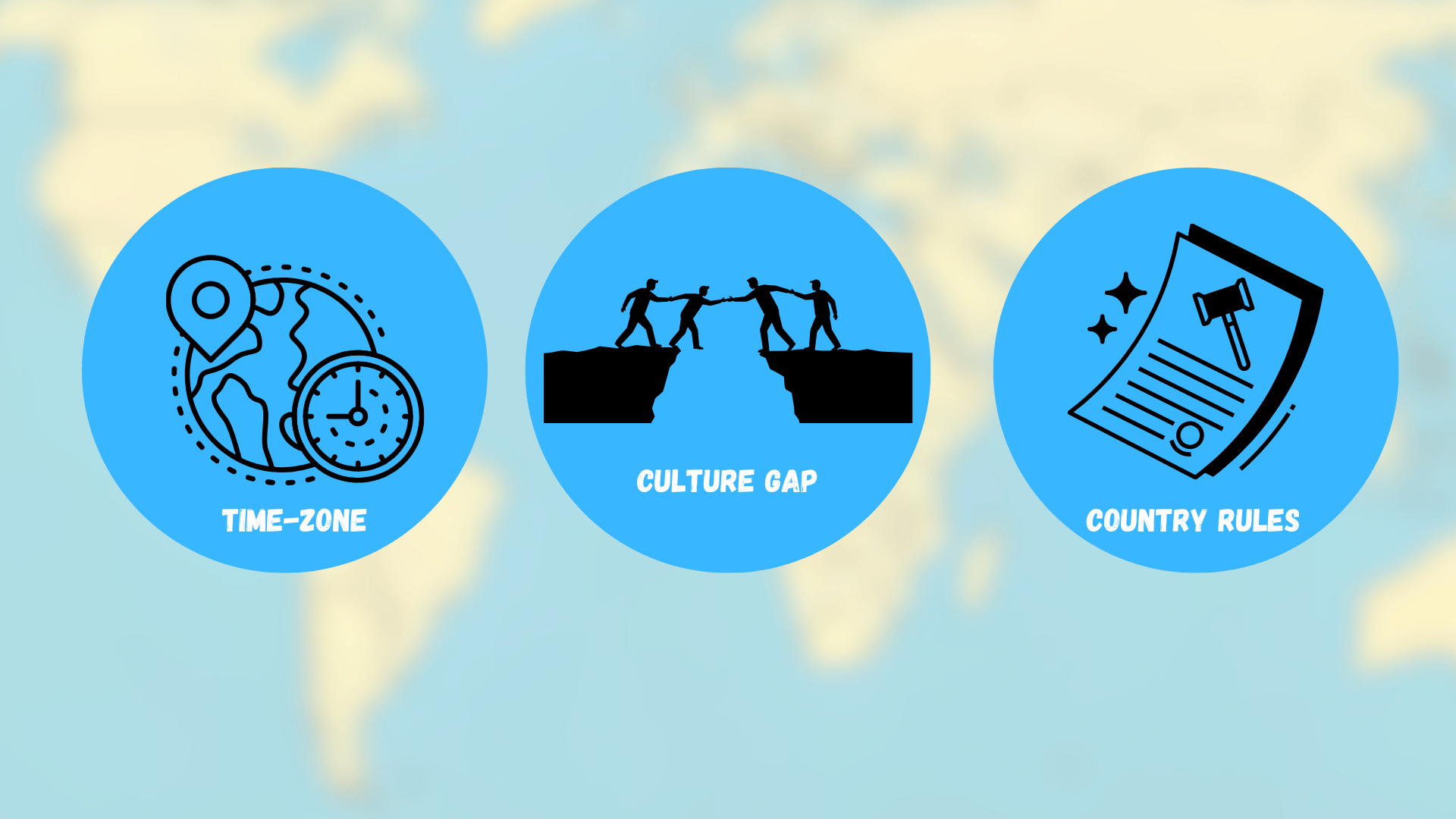
Offshore software development can feel tricky because teams often work in different time zones, which slows communication when updates arrive late or when questions wait for long replies.
These delays make tasks pile up, creating stress for both sides, especially when projects already have tight schedules that need quick reactions.
Cultural gaps can also cause confusion because teams follow different work habits, break times, and communication styles that do not always match well.
When these small gaps grow, they create misunderstandings that affect daily progress.
Companies must stay patient and clear so both sides move in one direction without mixed signals.
Another concern appears when teams share data across countries, rules change, since every region follows different rules, which must be respected carefully.
Clear guidelines help keep information safe while still allowing smooth project flow.
Tips to Choose the Best Offshore Software Development Partner

Finding the right offshore partner becomes easier when you know what to check, so here are simple points that help you make a steady and safe choice.
- Check the team’s past work to see if they handled projects like yours, since real examples show how they respond when things get busy.
- Focus on how clearly they talk during calls because smooth communication can prevent small issues from turning into bigger problems later on.
- Ask about their process for testing, fixing issues, and tracking progress since these habits keep the project steady during tough or confusing moments.
- Make sure they follow safe data rules because your information must stay protected even when teams work in different places around the world.
These points make your search easier because they highlight what truly matters before you start working together.
Real-Life Examples of Top Offshore Software Development

Here are a few well-known cases that show how companies used offshore teams to handle large tech needs in a steady and organized way.
1. General Electric’s IT Work in India
General Electric began using offshore teams in India many years ago, focusing on tech tasks that needed steady attention and large groups of trained workers.
Their setup grew slowly as the company realized the remote teams handled heavy workloads without causing constant delays.
This long partnership shows how offshore teams can manage complex tasks while keeping progress stable for big companies that rely on consistent support.
2. Capgemini’s Expansion in Brazil
Capgemini expanded its work by partnering with a large tech team in Brazil, allowing them to handle projects for banks and telecom groups that needed strong systems.
This move helped them finish tasks faster because more trained workers joined their setup.
Their work shows how offshore support helps companies manage growing workloads when local teams cannot handle everything without extra help.
3. Schibsted’s Work with a Team in Ukraine
Schibsted teamed up with a tech group in Ukraine to refresh its digital tools and update older systems used by many daily users.
The remote team helped them finish updates faster because they worked in clear rounds with frequent progress checks.
This example shows how offshore teams support companies that manage busy platforms needing quick fixes, regular upgrades, and dependable workers who follow steady routines.
Conclusion
Offshore software development becomes easier to understand when you see how each part of the setup supports steady growth and simple teamwork for your daily tech needs.
You now have a clear idea of how this method works and why many companies trust it when they want strong support without stretching their local teams too thin.
I hope you use this knowledge to make choices that match your goals because the right setup can save time and remove confusion.
If you feel unsure about any part, you can always revisit the steps and check what fits your situation before moving forward with a partner.
Have you ever tried offshore software development or thought about starting it soon? Tell us and share with us in the comments below.