

After more than a decade working in event production and on-site logistics, I’ve learned that crowd size changes everything.
I’ve been part of teams coordinating entry flow, transport windows, and fan zones for major sporting events, and I’ve also attended several of the events on this list as a spectator.
What stands out isn’t just the number of people, but how differently each event handles scale. A road-side cycling event like the Tour de France feels completely different from a closed-stadium final like the Super Bowl, even when attendance numbers are similar.
This list isn’t just based on published figures. It reflects how these crowds actually behave, how long they stay, and how the event experience changes once attendance crosses certain thresholds.
In this blog, I’ll take you through some of the world’s largest sporting events by attendance, showcasing the unparalleled energy and excitement that make them iconic and unforgettable. If you’re wondering what is the biggest sporting event in the world, we’ll answer it here using in-person attendance as the yardstick.
Why Large Sporting Events Attract Such Massive Crowds?
Large sporting events attract massive crowds for several reasons. The thrill of live competition is a key factor, as fans love the excitement of seeing world-class athletes in action.
There’s also the sense of tradition and community; many of these events have been held for decades, and they bring together people who share a passion for the sport. Historic rivalries and tournaments—from the Ashes to the Champions League—build generational loyalty.
The social aspect also plays a significant role; these events are often viewed as celebrations, where fans gather to cheer, celebrate, and even form lifelong memories.
Additionally, the global nature of many of these events, like the World Cup or the Olympics, allows people from different countries and cultures to come together. For football supporters, the FIFA World Cup exemplifies that global pull.
With the added draw of entertainment, fan engagement activities, and once-in-a-lifetime moments, it’s no surprise that large sporting events continue to attract record-breaking crowds year after year.
Indianapolis 500: 300,000–350,000+ Spectators
The Indianapolis 500 is the largest single-day sporting event in the world by in-person attendance.
Held annually at Indianapolis Motor Speedway, the event regularly draws over 300,000 spectators, with some years exceeding 350,000 attendees. Unlike multi-day events, this entire crowd gathers on the same day, creating one of the most logistically complex sporting environments anywhere.
From massive infield viewing areas to grandstands that stretch for miles, the Indy 500 is often cited as the benchmark for crowd management, transportation planning, and large-scale fan services.
Largest Sporting Events in the World by Attendance
The largest sporting events in the world draw millions of fans, uniting people from across the globe to witness unforgettable moments in sports history. From the Tour de France to the World Cup, the scale is unmatched. This list focuses on in-person attendance, not TV viewership.
1. Tour de France: 12–15 Million Spectators

The Tour de France is the most attended sporting event globally, drawing millions of spectators over the course of its three-week duration.
Cyclists race through France and neighboring countries, with fans lining the roads to cheer them on. The event’s accessibility, scenic routes, and thrilling race dynamics contribute to its immense popularity.
The Tour is a festival of athleticism, community spirit, and culture that captivates millions each year.
2. Summer Olympics: Up to 15 Million
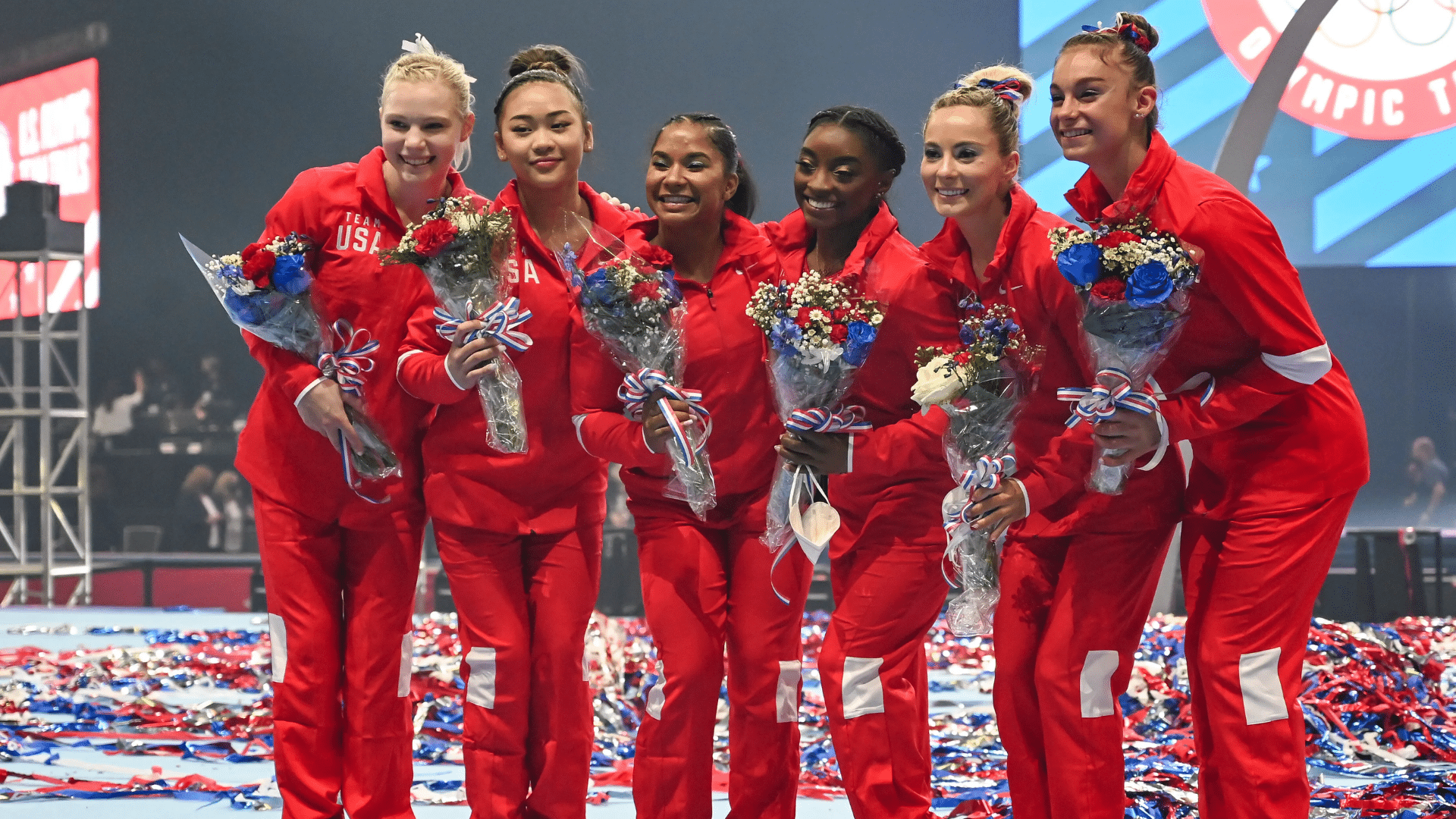
The Summer Olympics are a global spectacle that attracts millions of visitors from around the world. Often called the Summer Games, the Olympic Games unite nations across many disciplines.
The Paris Games are projected to draw up to 15 million spectators, making it one of the most attended events in history.
Spread across numerous venues, the Olympics offer a diverse range of sports, drawing fans from every corner of the globe to witness world-class athleticism and historic moments unfold over several weeks.
3. Kentucky Derby: 150,000+

The Kentucky Derby is one of the premier horse racing events in the world, drawing a large crowd to Churchill Downs each year.
Known for its rich tradition, high-energy race, and glamorous atmosphere, the event attracts over 150,000 spectators.
Fans flock to the venue to witness “The Most Exciting Two Minutes in Sports” while also enjoying fashion, parties, and a sense of cultural history that defines the Kentucky Derby experience.
4. Cricket World Cup Final: 100,000+
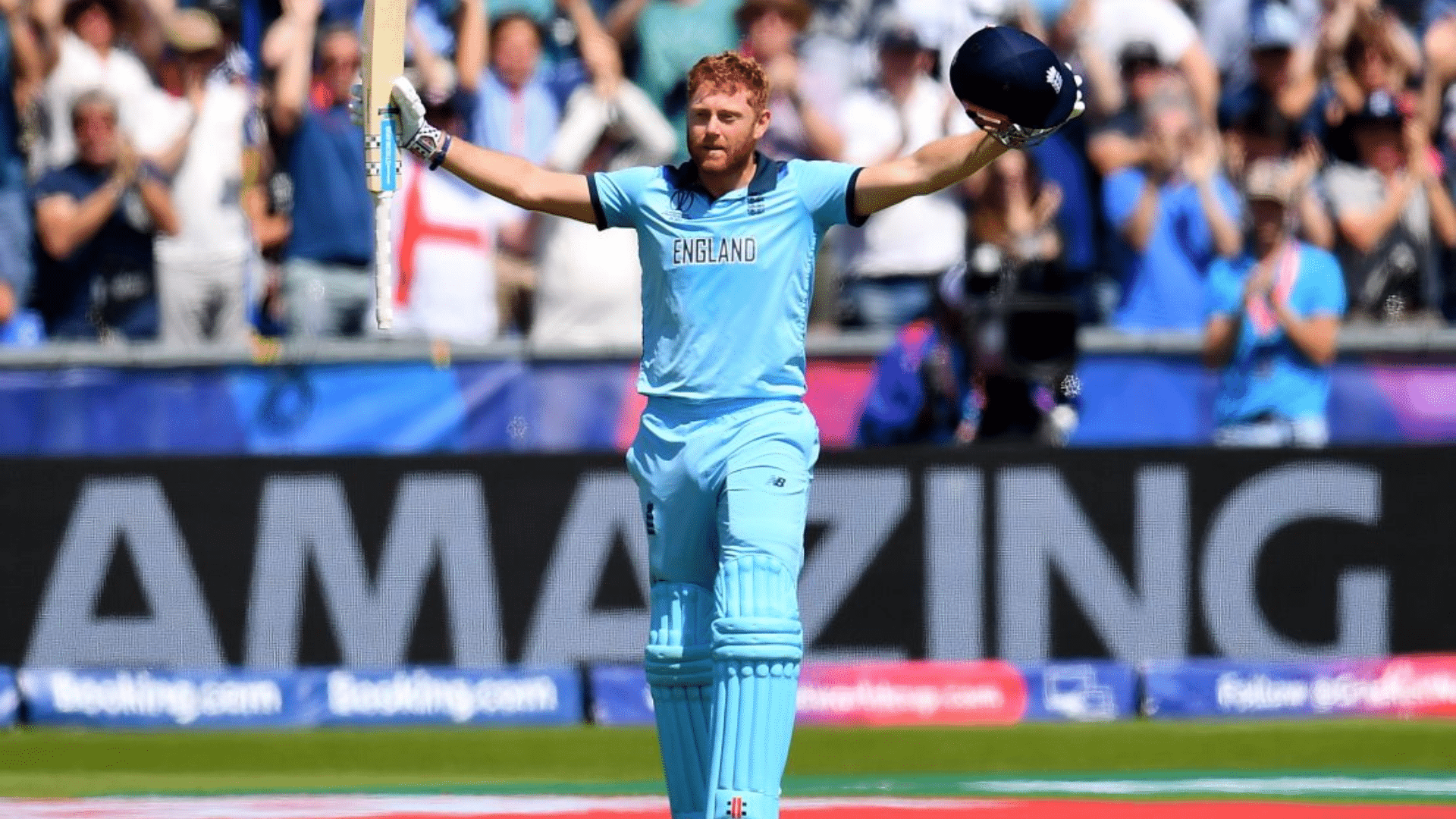
The Cricket World Cup Final is one of the most-watched and highly attended events in the cricketing world, attracting crowds of 100,000+ to its stadiums.
Taking place every four years, the event brings together the top cricket teams from around the world to compete for the prestigious title.
Fans from cricket-loving countries like India, Australia, and England fill the stands, creating a lively atmosphere and boosting the game’s excitement.
5. Formula 1 Grand Prix: 100,000+
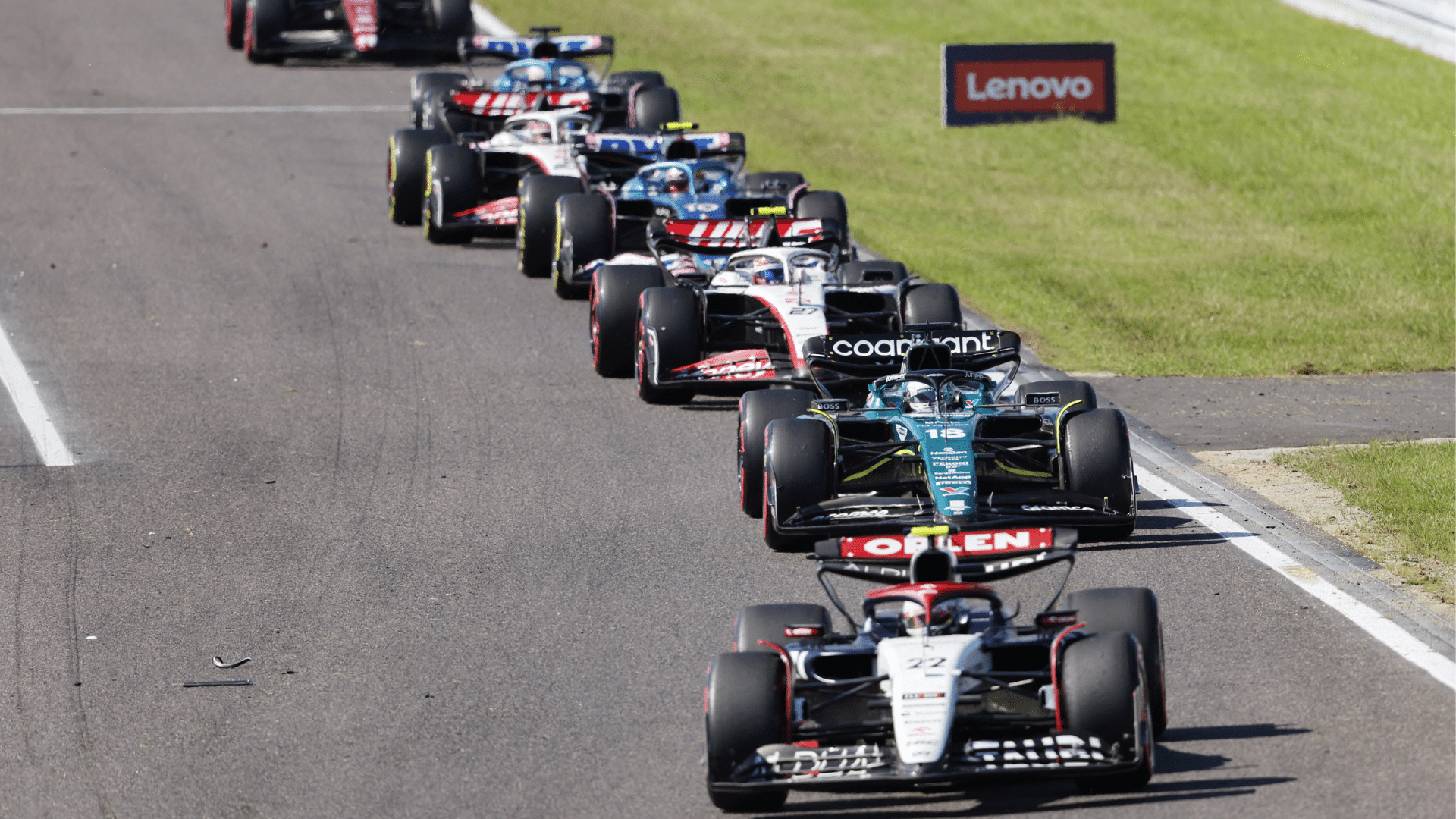
Formula 1 Grand Prix races are held in various glamorous locations around the world, and each race attracts huge crowds of motorsport enthusiasts.
With 100,000+ fans attending some of the biggest races, the event combines high-speed thrills and exciting competitions on tracks that are just as famous as the drivers themselves.
The weekend-long festivities, including practice sessions and qualifying rounds, offer fans a chance to enjoy the complete F1 experience.
6. Super Bowl: 70,000–100,000+
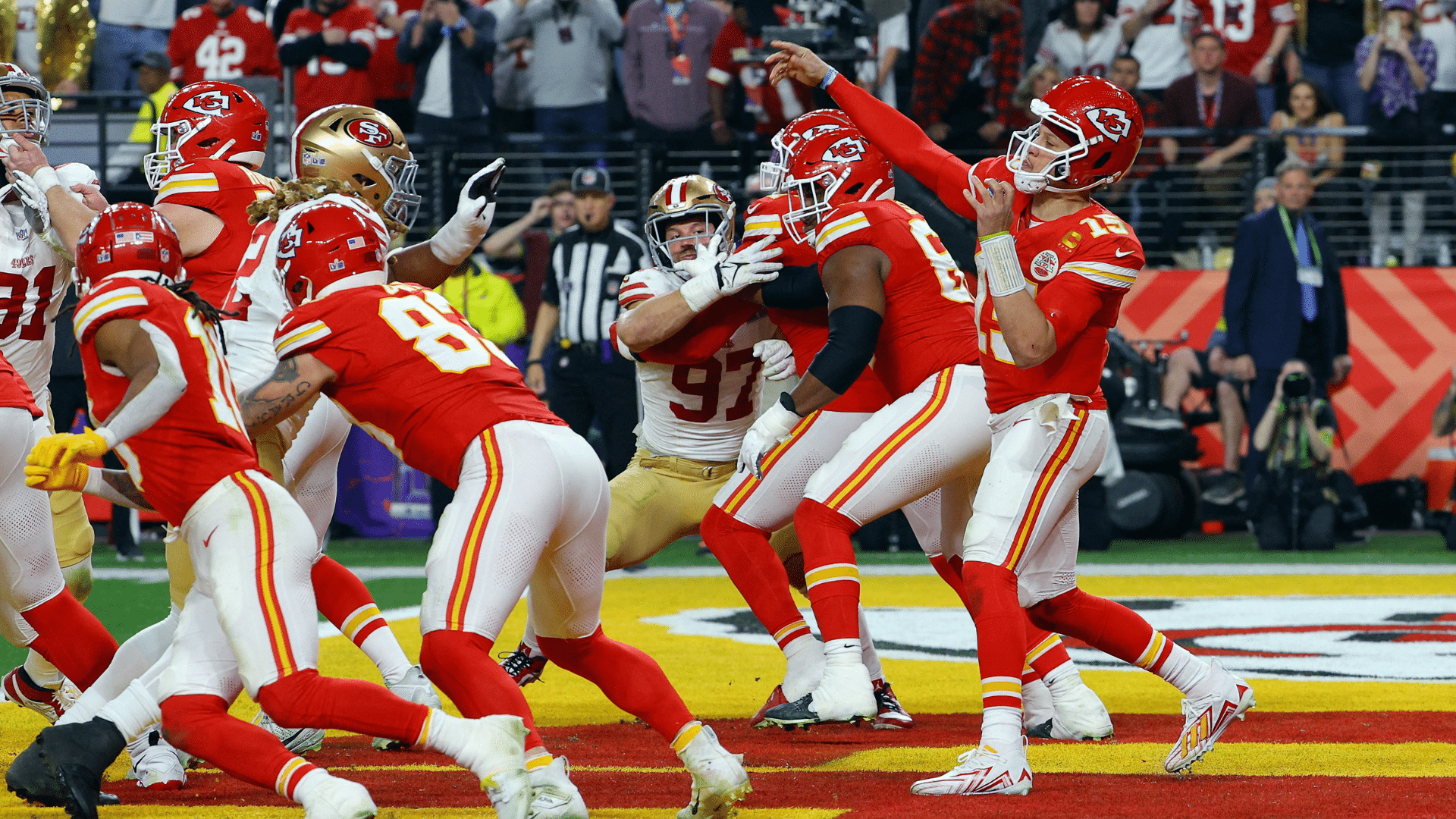
The Super Bowl is the pinnacle of American football, and it attracts a massive crowd to its stadium each year, with tens of thousands attending in person.
With millions more watching globally, the Super Bowl is as much a cultural event as a sporting contest.
Known for its high-stakes football, elaborate halftime performances, and exciting commercials, the Super Bowl is a truly unmissable event that spans sports, entertainment, and popular culture.
7. Rugby World Cup Final: 80,000+
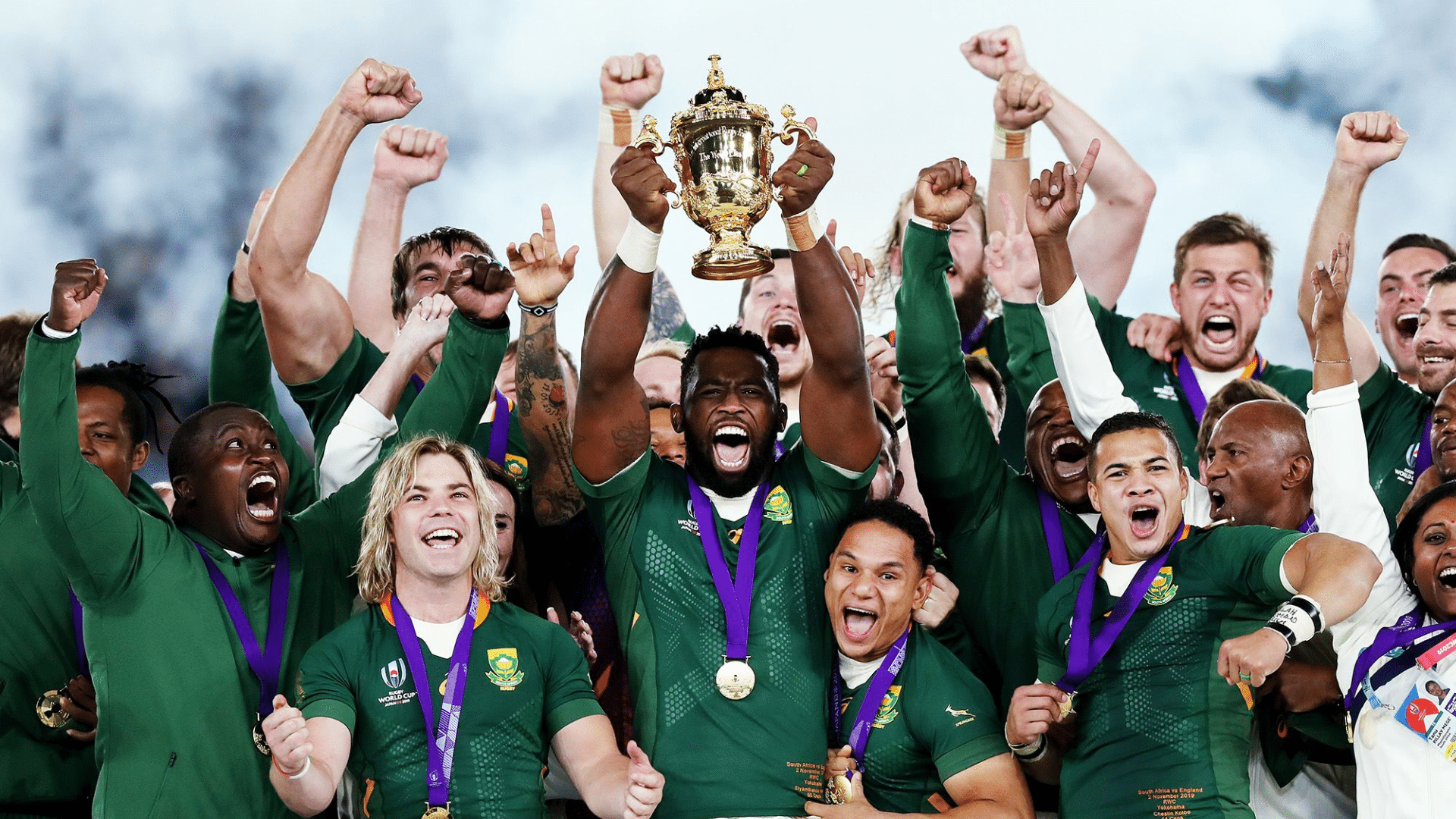
The Rugby World Cup Final is the biggest event in international rugby, featuring the top teams from all over the world.
The event draws a crowd of over 80,000 fans to the stadium, where passionate supporters cheer on their teams in this high-stakes contest.
Held every four years, the final marks the culmination of months of intense competition, showcasing rugby’s global reach and its ability to unite diverse cultures through sport.
8. NCAA Final Four: 70,000–80,000

The NCAA Final Four is the culmination of the March Madness college basketball tournament in the United States.
Held annually in large stadiums, the event attracts between 70,000 and 80,000 fans to witness the top four college teams battle for the national championship.
Known for its excitement, unpredictability, and passionate fan support, the Final Four has become a cornerstone of U.S. sports, drawing attention from across the country and beyond.
9. Ashes Series: 60,000–70,000 per Test Match

The Ashes Series, a historic rivalry between England and Australia, is a highlight of international cricket.
The series includes multiple Test matches, each drawing crowds of 60,000 to 70,000 spectators. Known for its intensity and the fierce competition between the two nations.
The Ashes is one of the most anticipated events in cricket, attracting fans who follow the long-standing tradition and history of this iconic rivalry.
10. The Masters: 40,000–50,000 per Day
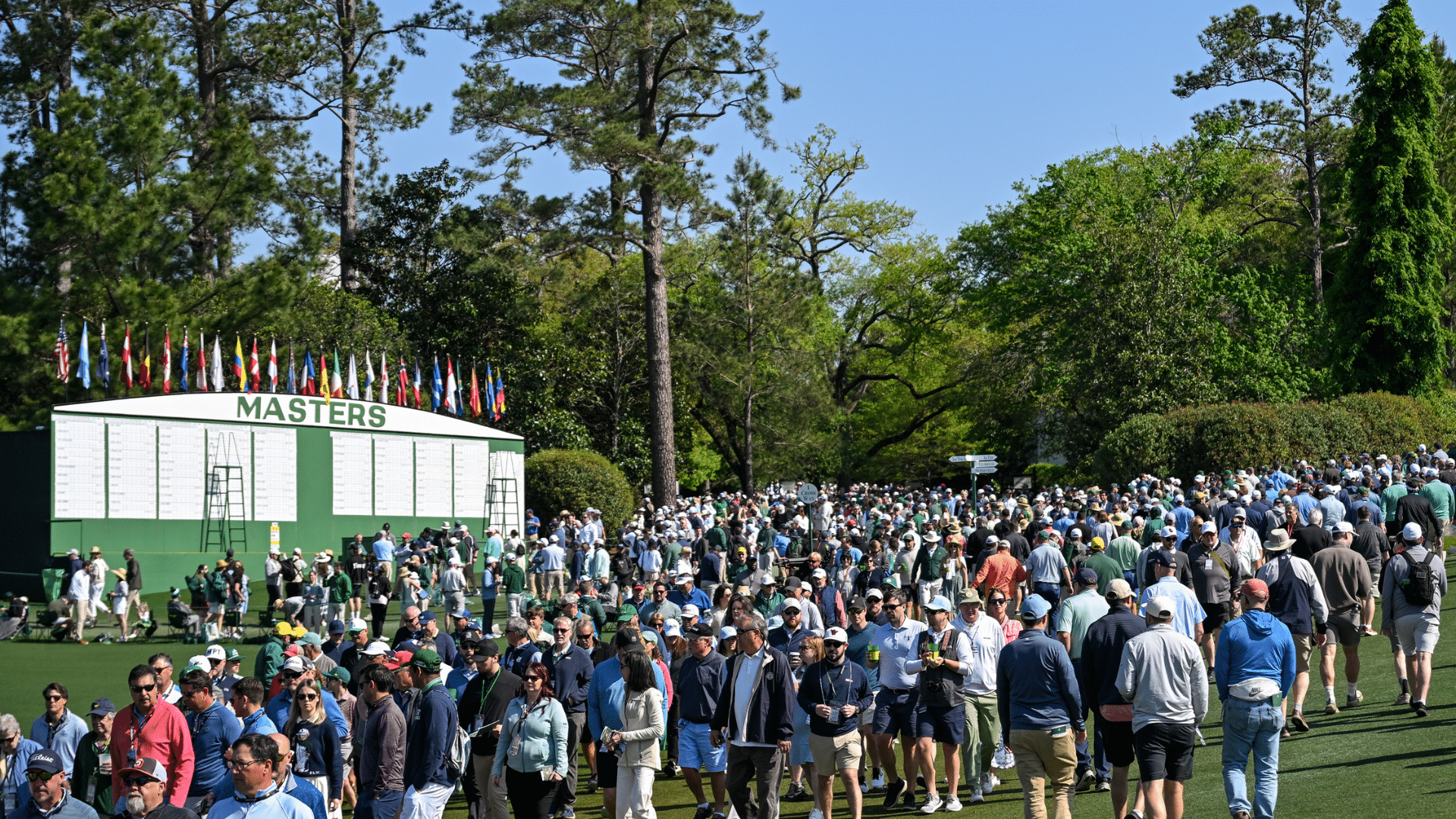
The Masters, held annually at Augusta National Golf Club, is one of golf’s most prestigious and well-attended tournaments.
With daily attendance reaching up to 50,000 spectators, this event is a celebration of tradition, athleticism, and golf history.
Known for its challenging course and iconic green jacket, The Masters continues to attract golf enthusiasts and fans worldwide who come to witness the world’s top golfers compete for this coveted title.
11. NBA Finals: 20,000–30,000 per Game
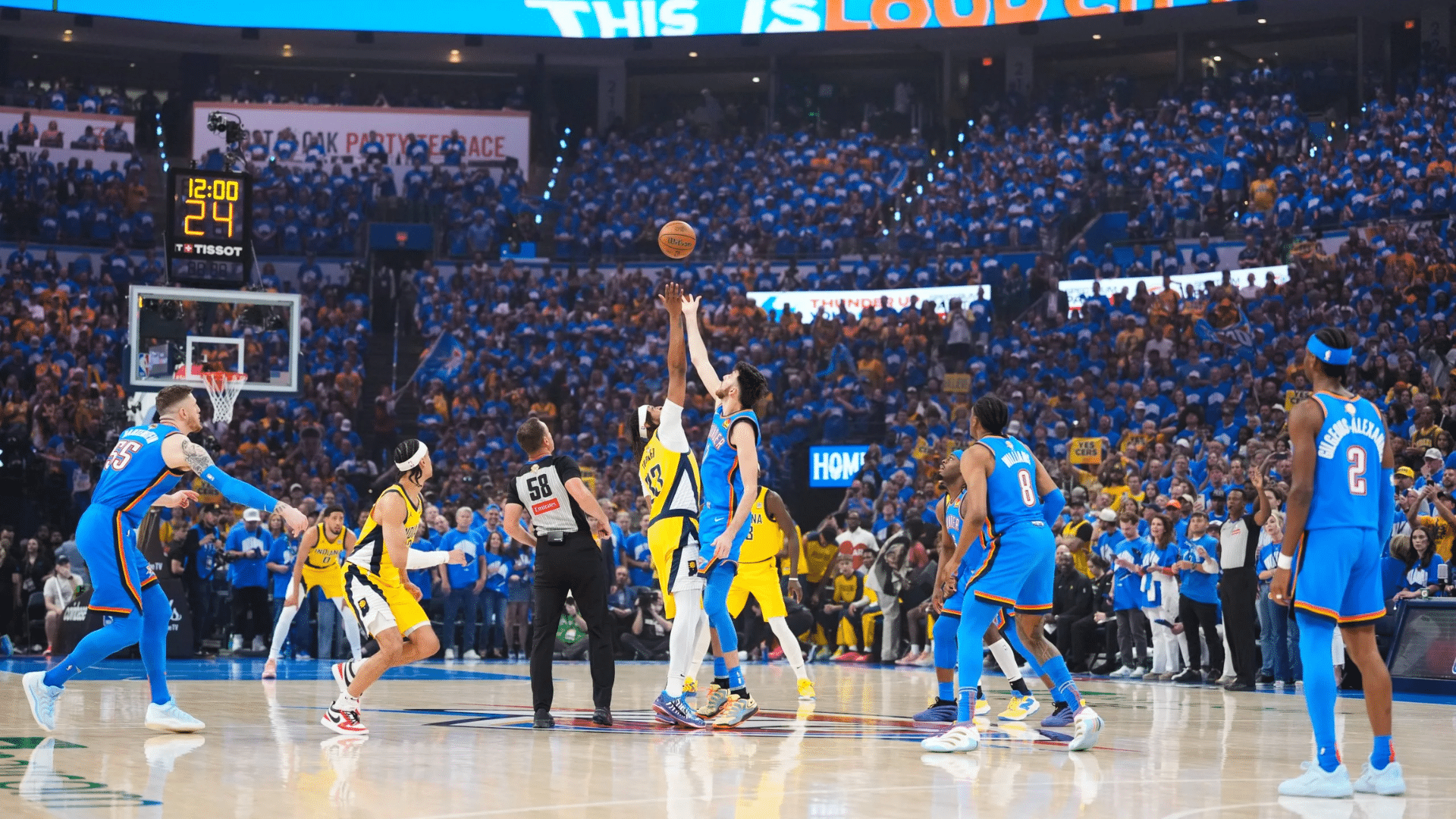
The NBA Finals is the championship series of professional basketball in the United States, drawing large crowds to each game in the series.
With each game attracting 20,000 to 30,000 fans, the event showcases the best basketball players on the planet competing for the ultimate prize.
The finals not only capture the attention of domestic fans but also have a significant global following, making it one of the premier sporting events worldwide.
12. Stanley Cup Final: 18,000–20,000 per Game
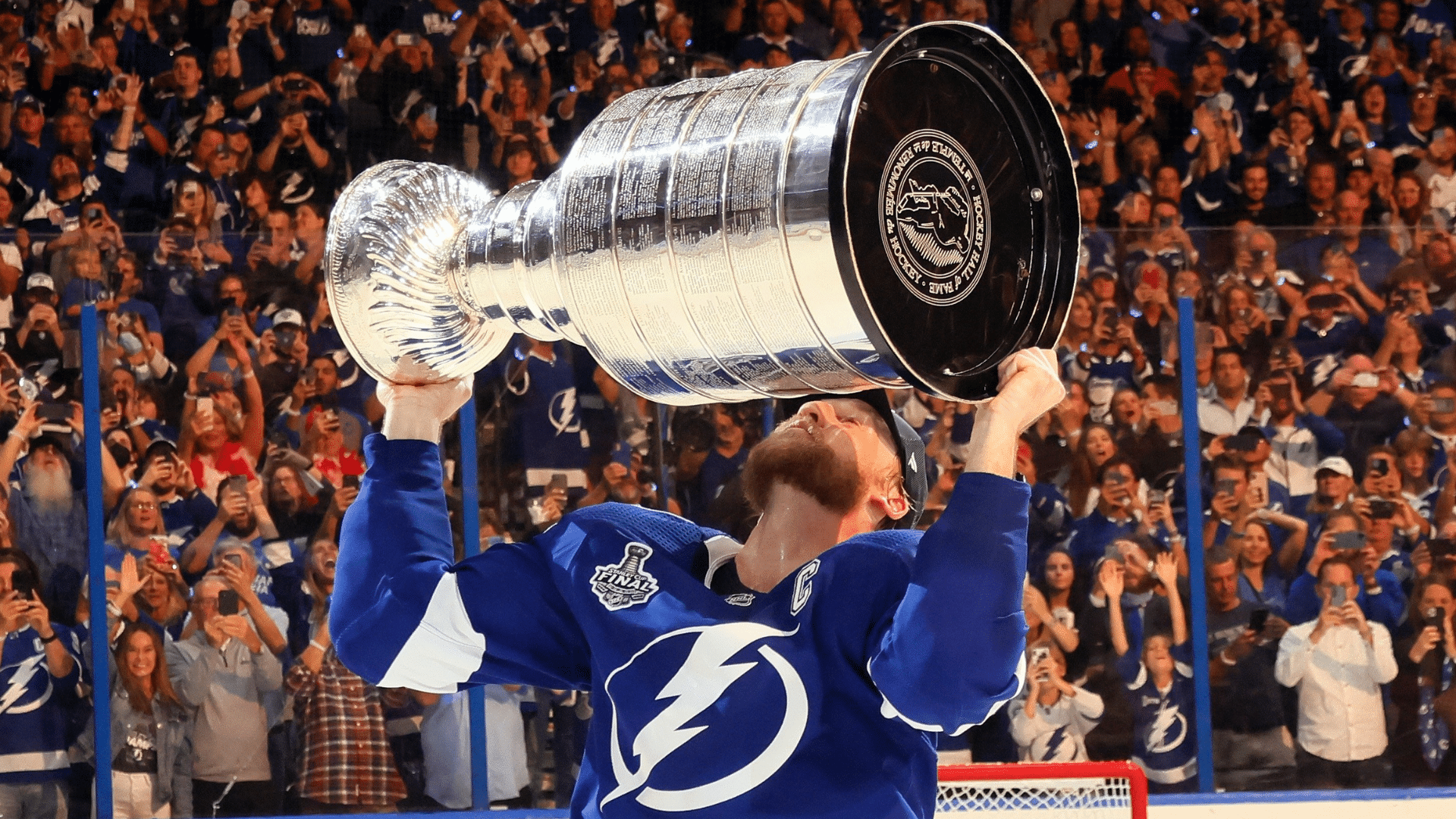
The Stanley Cup Final is the championship series of the National Hockey League (NHL), and each game in the series is played before a packed arena of 18,000 to 20,000 fans.
The event is a celebration of intense competition and passionate fan bases, with teams fighting for the prestigious trophy.
The Stanley Cup Final is a highlight of the hockey season and showcases the best of ice hockey at the highest level, drawing a global audience.
Largest Sporting Events in the World by Attendance (Comparison Table)
| Event | Sport | Typical Attendance | Event Duration | Crowd Format | Hosted Frequency |
|---|---|---|---|---|---|
| Tour de France | Cycling | 12–15 million | 21 days | Roadside, spread across regions | Annual |
| Summer Olympics | Multi-sport | Up to 15 million | 16–18 days | Multiple venues, city-wide | Every 4 years |
| Indianapolis 500 | Motorsports | 300,000–350,000+ | 1 day | Single venue, concentrated | Annual |
| Kentucky Derby | Horse Racing | 150,000+ | 1 day | Single venue | Annual |
| Cricket World Cup Final | Cricket | 100,000+ | 1 day | Stadium | Every 4 years |
| Formula 1 Grand Prix (Top Races) | Motorsports | 100,000+ | 3 days | Circuit-wide | Multiple annually |
| Rugby World Cup Final | Rugby | 80,000+ | 1 day | Stadium | Every 4 years |
| NCAA Final Four | Basketball | 70,000–80,000 | 3 days | Stadium | Annual |
| Super Bowl | American Football | 70,000–100,000 | 1 day | Stadium | Annual |
| Ashes Test Match | Cricket | 60,000–70,000 (per match) | 5 days | Stadium | Every 2 years |
| The Masters | Golf | 40,000–50,000 per day | 4 days | Course-wide | Annual |
| NBA Finals (per game) | Basketball | 20,000–30,000 | Series-based | Arena | Annual |
| Stanley Cup Final (per game) | Ice Hockey | 18,000–20,000 | Series-based | Arena | Annual |
What Massive Attendance Really Means for Fans
Attendance numbers don’t tell the full story. Events with similar crowd sizes can feel completely different depending on layout and duration.
- Linear events like the Tour de France spread millions of spectators across hundreds of miles, making crowds feel festive rather than overwhelming.
- Single-venue events like the Indy 500 or Super Bowl concentrate pressure on entrances, exits, and transport systems.
- Multi-week events like the Olympics distribute attendance over time, which changes how cities plan accommodation and security.
Understanding this difference matters if you’re planning to attend, because it affects wait times, ticket access, and even how early you need to arrive.
Planning Tips If You Want to Attend One of These Events
If attending one of the world’s largest sporting events is on your list, a few planning basics make a big difference.
Tickets
-
Major finals and races often sell out months in advance. For events like the Super Bowl or Olympics, official lotteries or resale platforms are often the only option.
-
Road-side events like the Tour de France are free to attend but require early arrival for good viewing spots.
Transportation
-
Expect limited parking near venues. Most large events rely heavily on shuttle systems or public transit.
-
For single-day events like the Indy 500, arrival time matters more than seat location.
Accommodation
-
Host cities see hotel prices spike dramatically. Booking early or staying outside the city center can reduce costs significantly.
Crowd Management Reality
-
Entry and exit times can exceed the event itself. Planning food, water, and restroom breaks around peak movement periods improves the experience.
The Economic Impact of Massive Sporting Events
Massive sporting events drive significant economic growth by boosting tourism, creating jobs, and enhancing local infrastructure while attracting global attention and investment.
- Boost to Local Economy: Large sporting events bring significant economic benefits to host cities through tourism, spending on accommodations, food, and transportation.
- Job Creation: Hosting these events creates temporary and permanent jobs in sectors like event management, security, hospitality, and retail.
- Increased Tourism: These events attract international visitors, often leading to a long-term increase in tourism even after the event has ended.
- Infrastructure Investment: Hosting mega-events often leads to improvements in local infrastructure, including transportation, roads, and public facilities.
- Sponsorship and Advertising: Major events attract global sponsorship deals and advertising opportunities, which benefit local businesses and brands.
- Global Exposure: These events provide the host city and country with international media exposure, boosting brand recognition and future investment opportunities.
- Long-term Economic Growth: The lasting effects of a successful event can boost the local economy through continued interest, investments, and the growth of industries related to sports and entertainment.
Conclusion
I’ve always believed that the impact of large sporting events goes far beyond just the game itself. They have the power to change economies, unite communities, and create unforgettable experiences.
Large sporting events aren’t just about numbers. They’re about scale, coordination, and shared human moments that only exist when millions gather for a single purpose.
Whether you’re watching from the roadside in France, the grandstands of Indianapolis, or a packed stadium during a world final, the experience changes how you see sport entirely.
If attending one of these events is on your list, start by understanding how each handles crowds, access, and timing. With the right planning, even the world’s largest sporting events can feel surprisingly personal.






5 Responses
How did you miss the largest single day event in the world but included the grand prix?
US Open Tennis attendence over the 15 days will be around 1.150 Million with top daily attendence of 74,000
Bookie Omg swear BORIIIIIIIIIIIING XX Luv why Isnt Mykitty on here LOL
What a jerk…. Where’s Futbol ⚽ you dumbshit
The phoenix golf event has massive crowds. On saturday, the biggest day it gets like 150,000, maybe more.