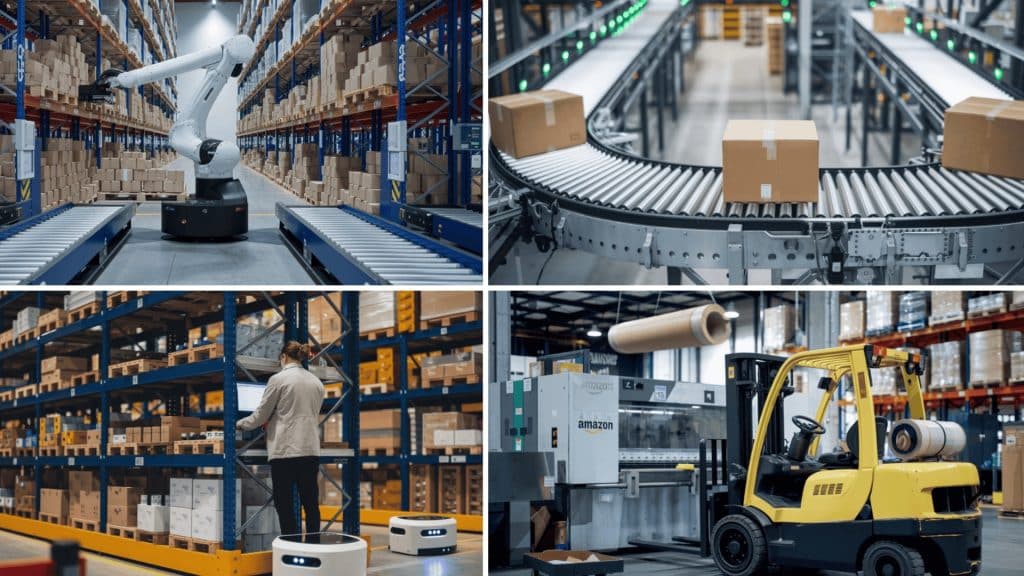
When I look at how fast businesses are moving today, I see why supply chain automation matters so much.
You deal with tight deadlines, rising costs, and the need for better accuracy, and automation can help with all of that. In this guide, I’ll show you what supply chain automation really means and how it works in simple terms.
You’ll learn about:
- the tools that handle tasks on their own
- the benefits you can expect
- and strategies that work for both small and large teams
I’ll also walk you through the challenges you may face and the steps that make automation easier to start.
At the end of this blog, you will understand the process and see how these tools can make your supply chain faster, smoother, and more reliable.
What is Supply Chain Automation?
Supply chain automation means using tools and systems to handle tasks that people used to do by hand.
It relies on software, sensors, robots, and other digital tools to move work faster and with fewer mistakes.
These tools can track inventory, send alerts, sort items, update data, or plan shipments without someone entering every detail.
Automation is different from manual workflows because the system does the work on its own instead of needing constant human steps. Manual work often requires typing, checking, and repeating tasks.
Automated systems react in real time and keep everything updated across the supply chain. This helps teams save time, avoid errors, and focus on larger decisions.
With clear systems and connected tools, automation makes the whole process more organized and easier to manage.
Steps to Successfully Implement Supply Chain Automation
Getting automation right starts with clear planning and steady improvements. These steps help you set up a system that works well and grows with your needs.
- Assess your current supply chain to see what’s slow, repetitive, or prone to errors.
- Identify tasks that will benefit most from automation, such as tracking, ordering, or inventory updates.
- Choose tools and software that match your goals, budget, and workflow.
- Train your team so they understand how the new systems work and can use them with confidence.
- Test the tools in small steps before rolling them out across the whole supply chain.
- Monitor performance by checking speed, accuracy, and cost changes.
- Adjust your setup as needed to keep improving and get the most value from automation.
Benefits of Automating Your Supply Chain

Automation helps you speed up daily tasks and reduce the stress of manual work. It also gives you cleaner data, better planning, and more control across your workflow.
1. Faster Operations
Automation helps you move tasks through the supply chain much faster. Systems can update data, sort items, and send alerts without waiting for someone to step in.
This reduces delays that often happen with manual work.
You get quicker order handling, faster picking and packing, and smoother shipping schedules. When tasks move at a steady pace, your whole process becomes more reliable.
This speed also helps you respond faster to customer needs or sudden changes in demand.
2. Fewer Errors
Automated systems reduce mistakes by handling data and tasks in real time. Manual work often leads to typing errors, missed updates, or incorrect entries.
Automation removes many of these risks because the system checks and updates information automatically.
This helps you avoid problems like wrong shipments or missing items.
With fewer errors, your supply chain runs more smoothly, and customers get what they expect. It also reduces the time you spend fixing small issues.
3. Better Inventory Accuracy
Automation gives you clearer, more accurate inventory numbers by updating stock levels as items move in and out.
Manual counts can fall behind or miss details, but automated tools keep everything current. This makes it easier to avoid shortages and overstocking.
You can plan purchases and restocking with more confidence because the data is always fresh.
Better accuracy also supports smarter forecasting, helping your team make decisions based on real needs instead of guesses.
4. Cost Savings
Automating your supply chain can lower costs in several ways.
You save money by reducing labor on repetitive tasks and cutting down on mistakes that lead to returns or lost items.
Automated tools also work faster, which shortens processing time and boosts productivity. Over time, these improvements add up and help your team do more with fewer resources.
This creates a smoother, more efficient system that uses time and money wisely.
5. Stronger Visibility
Automation improves visibility by giving you real-time updates on every stage of the supply chain. You can see where items are, what needs attention, and how each step is performing.
Manual tracking often creates gaps, but automated systems keep information flowing without delays.
This helps your team spot problems early and make quicker decisions.
With better visibility, you can manage the entire process with confidence and keep everything running smoothly from start to finish.
How Supply Chain Automation Works?
Supply chain automation works by connecting tools and systems so they can share data instantly. This creates smoother workflows that move tasks from one step to the next without manual effort.
- Automation systems link software, sensors, scanners, and machines so they can communicate in real time.
- Data moves automatically between tools, keeping inventory, orders, and shipping details updated.
- Automated ordering systems place or suggest orders when stock runs low.
- Picking tools guide workers or robots to the right items using scanners or sensors.
- Tracking tools update shipment locations automatically through connected platforms.
- Cloud systems store and share information across teams and locations.
- Alerts and notifications help teams act fast when something needs attention.
Examples of Supply Chain Automation
These examples show how automation supports smoother, faster workflows. Each one highlights a tool that reduces manual work and improves accuracy.
1. Automated Inventory Alerts and Replenishment
Automated inventory alerts help you stay updated on stock levels without checking them by hand. When items run low, the system sends a notification or even places an order automatically.
This reduces the risk of running out of important products and avoids overstocking.
The process works through real-time data from scanners, sensors, or connected software.
By handling these tasks automatically, your team saves time and avoids mistakes that often happen with manual updates.
2. Warehouse Robots and Sorting Systems
Warehouse robots help move, pick, and sort items with speed and accuracy. They follow programmed paths or use sensors to locate products and bring them to workers.
Sorting systems also help separate and organize items for packing and shipping.
This reduces manual lifting, lowers error rates, and speeds up daily tasks.
Robots work consistently without breaks, which helps warehouses handle large orders more efficiently. These tools also reduce strain on workers and create a safer environment.
3. Real-Time Shipment Tracking and Route Planning
Real-time tracking tools show you where shipments are at every step, which helps you manage delays and plan ahead.
These systems use GPS, sensors, and connected software to update locations instantly.
Route planning tools also choose the best paths for drivers, helping reduce fuel use and delivery time. With automatic updates, your team can respond quickly if something changes.
This improves delivery accuracy and keeps customers informed, leading to a more reliable shipping process overall.
4. Barcode and RFID Scanning for Quick Updates
Barcode and RFID systems make it easy to update information as items move through the supply chain.
Workers or machines scan labels to record product details instantly, reducing errors that come from manual entry. RFID tags can even update data without being scanned one by one.
This speeds up sorting, tracking, and inventory counts.
These tools help keep records accurate and give your team real-time visibility. They also support faster workflows and smoother order handling.
5. Automated Invoicing and Payment Systems
Automated invoicing tools create and send invoices without manual work. They pull information from orders, inventory, or shipping data to fill in details correctly.
This reduces errors and speeds up billing. Automated payment systems also help process transactions faster and keep records organized.
These tools save time for finance teams and reduce delays that come from missing or incorrect paperwork.
By removing repetitive tasks, your team can focus on more important financial decisions and maintain smoother cash flow.
Automation Strategies for Small and Large Businesses
Small and large businesses can use automation, but the right approach depends on budget, workload, and long-term goals. These strategies help you choose tools that fit your current needs and can grow with you.
- Small teams can start with low-cost tools like barcode scanners, basic inventory apps, and simple automated alerts.
- Cloud platforms give small businesses affordable access to automation without heavy hardware costs.
- Larger companies can use advanced tools like warehouse robots, sorting machines, and full ERP systems.
- High-volume operations benefit from AI forecasting, automated routing, and real-time data tracking.
- Both small and large businesses should match automation tools to their goals, such as speed, accuracy, or lower costs.
- Scaling slowly helps teams learn the system before expanding to more complex tools.
Challenges of Supply Chain Automation
Supply chain automation comes with challenges that businesses need to plan for.
High upfront costs can make it tough to invest in tools like robots, sensors, or advanced software, especially for smaller teams.
Training is another hurdle because your staff needs time to learn new systems and adjust their daily routines.
Older software can also cause problems since it may not connect smoothly with modern automation tools, leading to data gaps or slow updates. Security is a key concern, too.
Automated systems move large amounts of data, and keeping that information safe from breaches or misuse is important.
Even with these challenges, most issues can be managed by starting small, choosing tools that fit your needs, and giving your team the right support.
Future Trends in Supply Chain Automation
Future trends in supply chain automation focus on smarter, faster, and more connected systems.
AI-driven forecasting is becoming more common, helping teams predict demand, plan inventory, and avoid shortages with better accuracy.
Autonomous vehicles and drones are rising, speeding up deliveries and reducing manual transport.
Warehouses are getting smarter with IoT sensors that track items, monitor conditions, and update data instantly.
Predictive analytics is another major trend, giving businesses the ability to spot problems early and make decisions before delays happen.
These tools help supply chains move faster, reduce errors, and stay ready for change.
Conclusion
Supply chain automation matters because it helps businesses grow in a steady, reliable way. It improves speed, reduces errors, and gives you better control over daily tasks.
These tools help long-term growth by simplifying your process and cutting down manual tasks.
If you’re new to automation, it’s best to start small.
Pick one area that slows you down and bring in a tool that can handle it automatically. Then add more features as your team gets comfortable.
This step-by-step approach keeps the transition smooth and helps you avoid unnecessary problems. With the right tools, you can build a supply chain that works faster and more accurately.
If you’re ready to move forward, find trusted automation tools and choose the ones that fit your goals and budget.