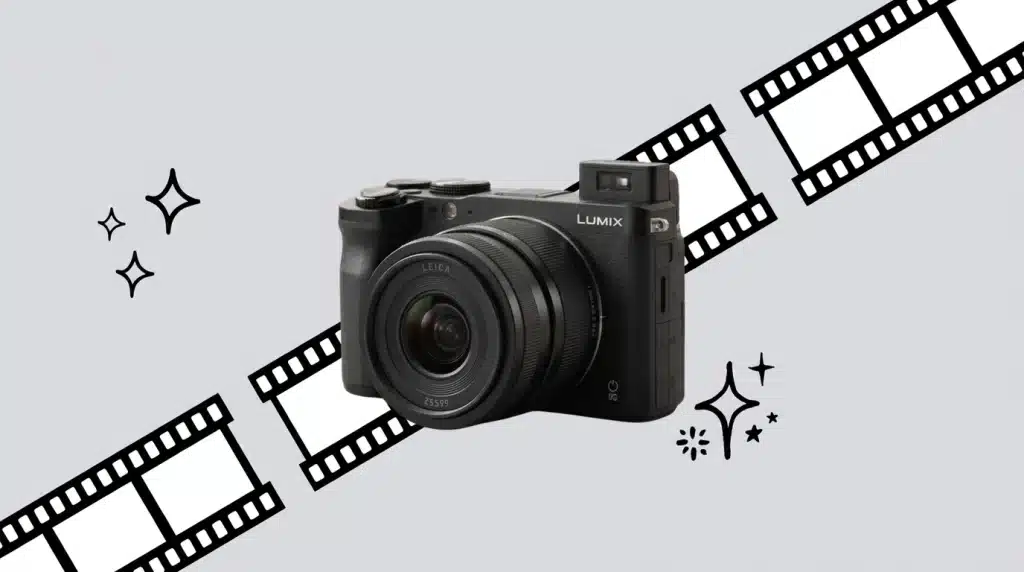
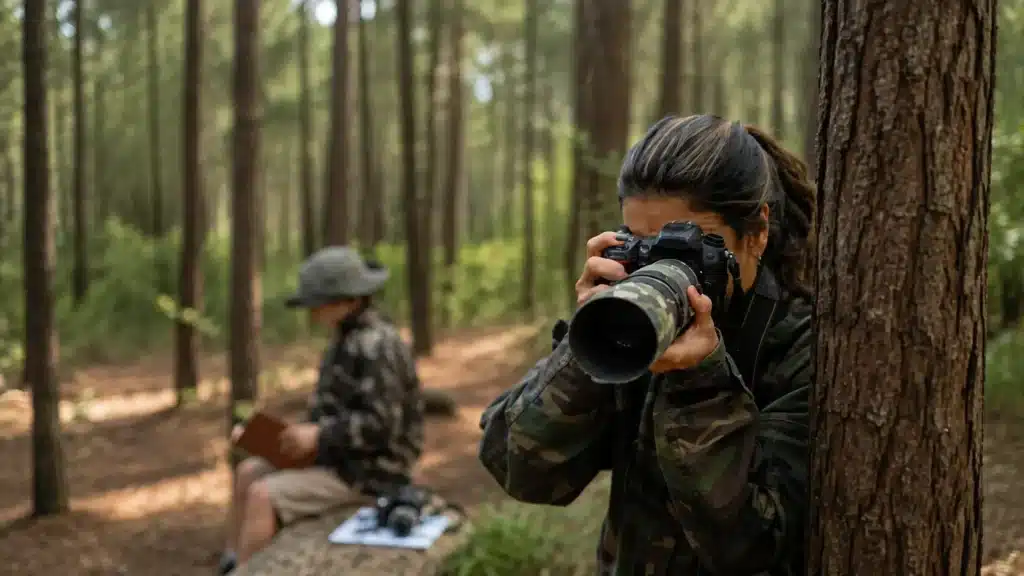
Your camera can be the difference between a simple snapshot and a landscape photo that truly stands out.
The best camera for landscape photography needs a few key things: good dynamic range so you can capture detail in both bright skies and dark shadows, plus enough resolution for crisp prints.
You’ll also want protection against the weather when shooting outdoors and a comfortable size you can actually carry on long hikes.
This guide covers some of the top cameras in the market for landscape photography.
Each one has different strengths depending on your budget and how you like to shoot.
I’ll share what makes each camera worthwhile, from full-frame models to larger medium format options, helping you choose the one that fits your needs.
What Makes a Camera Good for Landscape Photography?
Landscape photography needs a camera that captures detail, handles wide scenes well, and performs reliably in outdoor conditions. These key factors help you choose a camera that can bring out the best in every landscape shot.
- High resolution for sharp, detailed images
- Wide dynamic range to preserve highlights and shadows
- Strong low-light performance for sunrise and sunset shots
- Weather sealing to handle outdoor environments
- Good color accuracy for natural-looking scenes
- Access to wide-angle lenses for broader views
- Reliable battery life for long shooting sessions
- Fast, accurate autofocus for changing light and subjects
Best Cameras for Landscape Photography
These seven cameras stand out for their performance in landscape photography. Each model offers unique features that cater to different shooting styles and budgets, from full-frame to medium format options.
1. Sony A7R IV

The Sony A7R IV delivers 61 megapixels of resolution, making it ideal for photographers who need maximum detail and large print capabilities.
Its 15-stop dynamic range handles high-contrast scenes effectively, while the five-axis in-body stabilization compensates for camera shake during handheld shooting.
This camera works well for professionals who create gallery prints or commercial work where every detail counts.
The Sony E-mount system offers plenty of high-quality glass options.
| Key Strengths | Best Use Case Scenario |
| 61MP resolution for sharp details | Perfect for large format prints |
| 15-stop dynamic range | Handles bright skies and dark foregrounds |
| Wide lens ecosystem | Multiple creative options available |
2. Nikon Z7 II

The Nikon Z7 II offers 45.7 megapixels with dual processors for improved performance and dual card slots for backup security.
Its weather-sealed body handles demanding outdoor conditions, and the native Z-mount lens lineup continues expanding with high-quality optics designed for landscape work.
This camera suits Nikon users moving to mirrorless who value familiar controls and proven reliability.
The Z-mount system keeps growing with excellent landscape lenses.
| Key Strengths | Best Use Case Scenario |
|---|---|
| 45.7MP with dual processors | Fast processing for bracketing shots |
| Dual card slot system | Backup security during remote shoots |
| Strong weather sealing | Reliable performance in harsh conditions |
3. Canon EOS R5

The Canon EOS R5 combines 45-megapixel resolution with remarkable stabilization rated at 8 stops when paired with compatible lenses.
Its fast processing allows for bracketing sequences and focus stacking workflows that landscape photographers frequently employ for extended depth of field.
This camera works great for Canon shooters who need both stills and video capabilities.
The RF mount delivers some of the sharpest lenses available today.
| Key Strengths | Best Use Case Scenario |
|---|---|
| 45.7MP with dual processors | Fast processing for bracketing shots |
| Dual card slot system | Backup security during remote shoots |
| Strong weather sealing | Reliable performance in harsh conditions |
4. Fujifilm GFX 100S

The Fujifilm GFX 100S brings medium format quality with a 102-megapixel sensor in a relatively compact body.
The larger sensor provides exceptional detail and tonal gradation, while Fujifilm’s color science produces natural, film-like color rendering straight from the camera.
This camera fits professional landscape photographers who prioritize ultimate image quality over portability.
The medium format sensor creates images that stand out in galleries and print sales.
| Key Strengths | Best Use Case Scenario |
|---|---|
| 45.7MP with dual processors | Fast processing for bracketing shots |
| Dual card slot system | Backup security during remote shoots |
| Strong weather sealing | Reliable performance in harsh conditions |
5. Panasonic Lumix S1R

The Panasonic Lumix S1R features 47.3 megapixels with a high-resolution mode that combines eight images into a 187-megapixel file.
Its robust construction and weather sealing match professional standards, while the L-mount alliance provides access to Leica, Sigma, and Panasonic lenses.
This camera benefits photographers shooting tripod-based landscape work who want the high-resolution mode option.
The L-mount system offers unique lens choices beyond the typical brands.
| Key Strengths | Best Use Case Scenario |
|---|---|
| 45.7MP with dual processors | Fast processing for bracketing shots |
| Dual card slot system | Backup security during remote shoots |
| Strong weather sealing | Reliable performance in harsh conditions |
6. Sony A7R V

The Sony A7R V improves upon its predecessor with 61 megapixels plus enhanced processing and a new AI-powered autofocus system.
The articulating screen helps with low-angle compositions, while improved ergonomics address handling concerns from earlier models.
This camera appeals to landscape photographers who also shoot wildlife or need reliable focus on moving elements.
The latest tech refinements make it Sony’s most capable landscape body yet.
| Key Strengths | Best Use Case Scenario |
|---|---|
| 45.7MP with dual processors | Fast processing for bracketing shots |
| Dual card slot system | Backup security during remote shoots |
| Strong weather sealing | Reliable performance in harsh conditions |
7. Nikon D850

The Nikon D850 remains a top choice with 45.7 megapixels, exceptional battery life, and access to decades of F-mount lenses.
Its optical viewfinder provides lag-free composition, and the camera’s proven reliability makes it a trusted tool for professional landscape work.
This camera suits photographers with existing Nikon F-mount lenses or those who prefer optical viewfinders.
The outstanding battery life makes it ideal for remote location work with limited charging options.
| Key Strengths | Best Use Case Scenario |
|---|---|
| 45.7MP with dual processors | Fast processing for bracketing shots |
| Dual card slot system | Backup security during remote shoots |
| Strong weather sealing | Reliable performance in harsh conditions |
Expert Tips for Choosing Your Landscape Camera
Making the right camera choice involves more than just comparing megapixels. Consider these key factors to find a camera that matches your specific shooting style and budget.
- Resolution needs: Choose 40+ MP for large prints and heavy cropping, or 24-30 MP for web and standard prints
- Physical requirements: Balance image quality with hiking weight; lighter systems mean more energy for shooting
- Lens ecosystem: Check compatibility with your existing glass and research lens availability for your desired focal lengths
- Dynamic range: Look for 13+ stops to capture detail in both bright skies and dark foregrounds without bracketing
- Weather sealing: Match protection level to your shooting conditions, from light rain to dusty environments
Reddit Picks for Landscape Cameras

Many Reddit users note that landscape photography doesn’t require the most advanced camera on the market.
What matters more is having good dynamic range, enough resolution to crop comfortably, and a camera that feels easy to handle outdoors.
One user summed it up well by saying, “Landscape work doesn’t push most cameras to their limits.”
Others mentioned that lighter mirrorless cameras are a big help during long hikes because they reduce fatigue.
Many also agreed that technique often matters more than technical specs. In the end, the best camera is the one that helps you capture the landscapes you envision with confidence.
How Sensor Size Impacts Landscape Photos?
Sensor size plays a big role in how your landscape photos look. A larger sensor can capture more detail because it gathers more light, which helps in bright scenes and low-light moments like sunrise or sunset.
It also improves dynamic range, letting you keep detail in both shadows and bright skies.
Bigger sensors usually create cleaner images with less noise, especially when you edit your photos later.
Smaller sensors can still produce good results, but they may struggle more in tough lighting or when you want very large prints.
A larger sensor also gives you more control over depth of field, making it easier to keep the whole scene sharp.
While sensor size is important, it’s only one part of the overall camera choice. The best option is the one that fits your needs and feels right to use outdoors.
Common Landscape Photography Mistakes
Landscape photography looks simple, but a few small errors can keep your photos from looking their best. Knowing these common mistakes helps you avoid them and get clearer, more balanced shots outdoors.
- Relying only on auto mode instead of adjusting exposure manually
- Ignoring the foreground, which makes the scene look flat
- Shooting at eye level every time instead of trying different angles
- Not checking the horizon line, leading to tilted or uneven images
- Overediting colors or contrast, which makes photos look unnatural
- Using a dirty lens, causing blurry spots or glare
- Forgetting to stabilize the camera, especially in low light
- Photographing only at midday when the light is harsh
Conclusion
Choosing a landscape camera isn’t about the highest specs; it’s about finding the tool that helps you capture scenes the way you imagine them.
Whether you prefer a high-resolution full-frame camera, a medium format body, or a lightweight mirrorless system, the best camera is the one that fits your style and keeps you inspired outdoors.
Each camera offers something different, so consider how you shoot and which features matter most.
Once you match those needs with the right camera, your landscape work will feel more natural and rewarding.
Which camera best matches your landscape photography style? Share your thoughts in the comments below, and let me know which features you prioritize most.