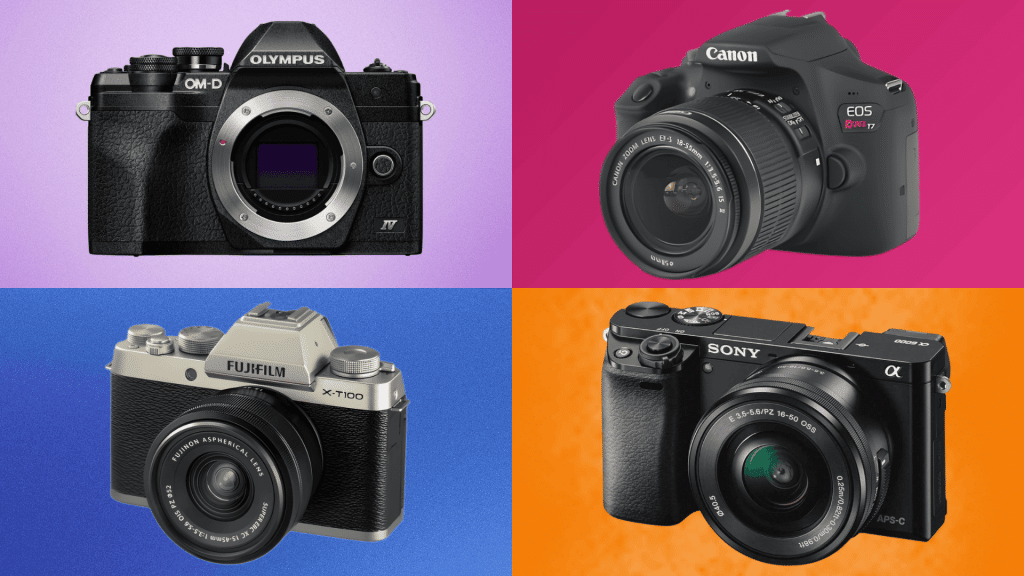
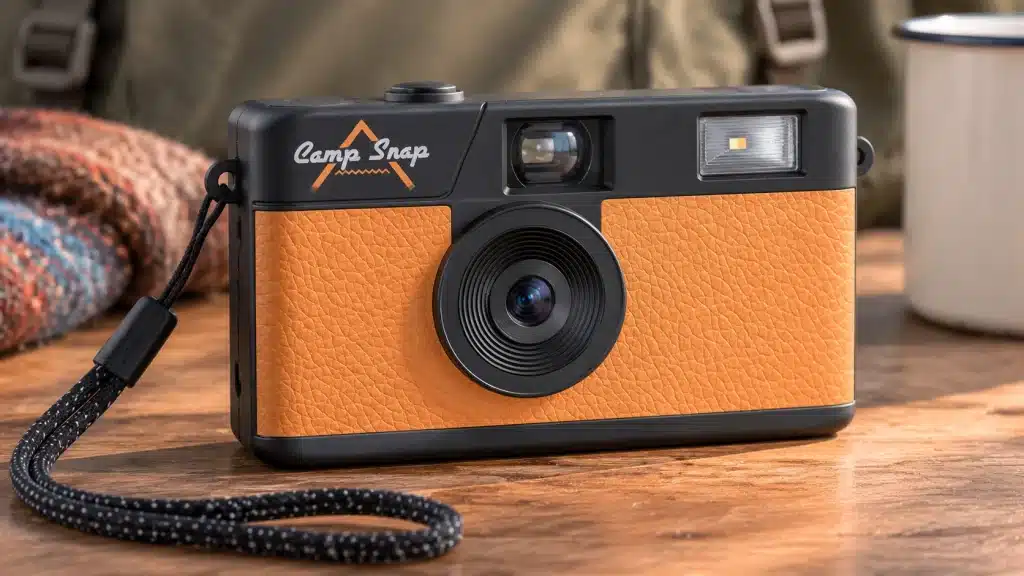
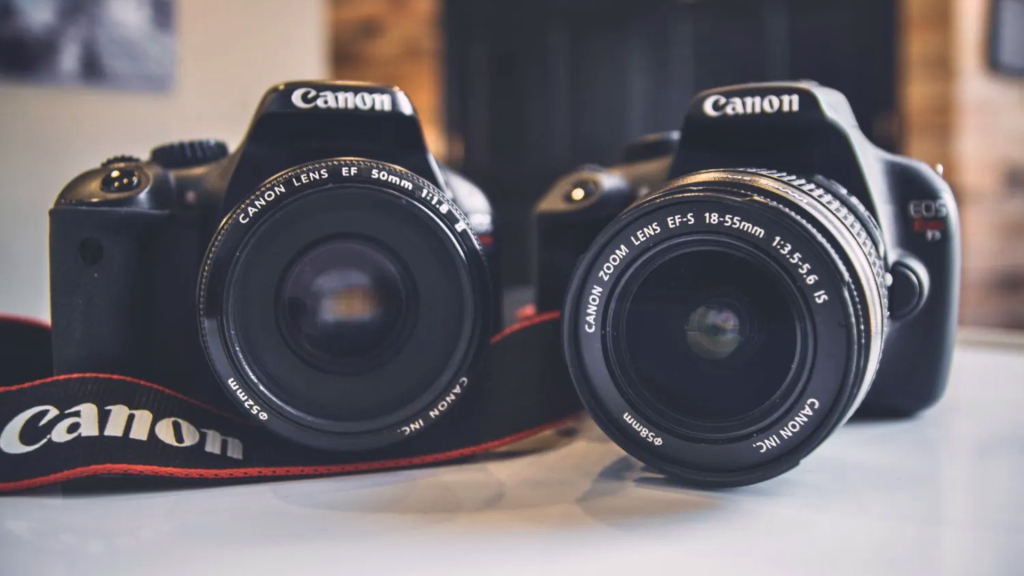
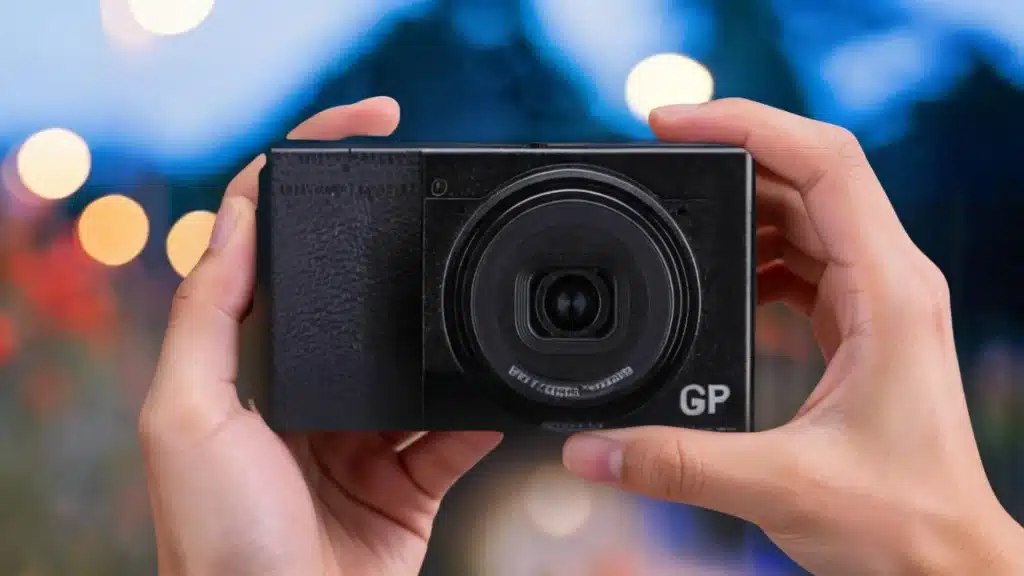
Small digital camera picks can make it easier to take great photos without carrying heavy gear, and I’ve learned how helpful that can be when you just want something simple that works.
If you’ve been looking for a camera that fits in your hand, slips into your bag, and still gives you clear images, you’re in the right place.
In this guide, I’ll walk you through some options that stand out for size, ease of use, and real-world performance.
You’ll see what makes each one worth considering, how they differ, and which features matter most. My goal is to help you save time, avoid confusion, and feel confident picking a camera that fits your needs.
By the end, you’ll know exactly what to look for and how to choose the right one for your daily photos or travel shots.
What Makes a Small Digital Camera Worth Buying?
A small digital camera is worth buying if it delivers good image quality, is easy to handle, and offers reliable performance without adding bulk.
Many people want something they can carry every day, and a compact camera makes that possible.
You get quick access to settings, clear photos in different lighting, and a tool that feels simple to use. A good model should offer strong battery life, fast autofocus, and a body that fits comfortably in your hand.
It also helps when the camera has solid video features and enough storage support for regular use.
These details make a small camera practical for travel, family moments, or daily snapshots.
When all these pieces come together, you end up with a camera that feels helpful, not overwhelming, and delivers results you can trust.
Top Small Digital Camera Models Compared
These are some compact digital cameras that buyers often compare for size, features, price, and availability. These models offer a balanced mix of portability and performance, making them strong options for everyday use.
1. Fujifilm X100VI
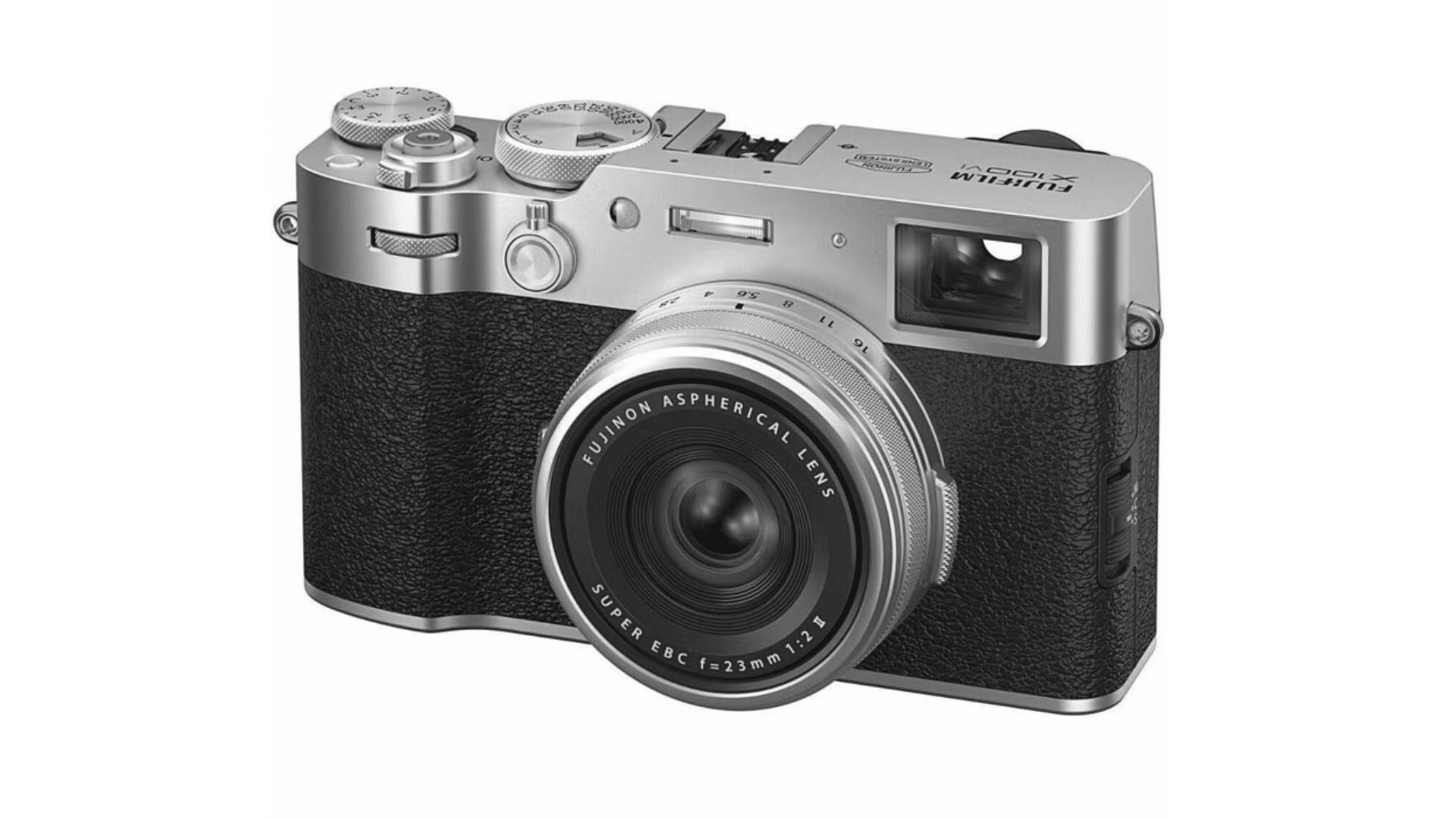
This high-end compact offers some of the best image quality you can get in a small body, thanks to its APS-C sensor and clean, classic design.
It works well for people who want strong performance without carrying heavy gear.
I like how it balances portability with features that feel premium and practical in daily use.
The only drawback is that stock can be hard to find at times because demand stays high, but it’s usually worth waiting for if you want quality in a small camera.
- Price: $1,600–$1,800
- Best For: Street, portraits, travel
2. Sony Cyber-shot RX100 VII
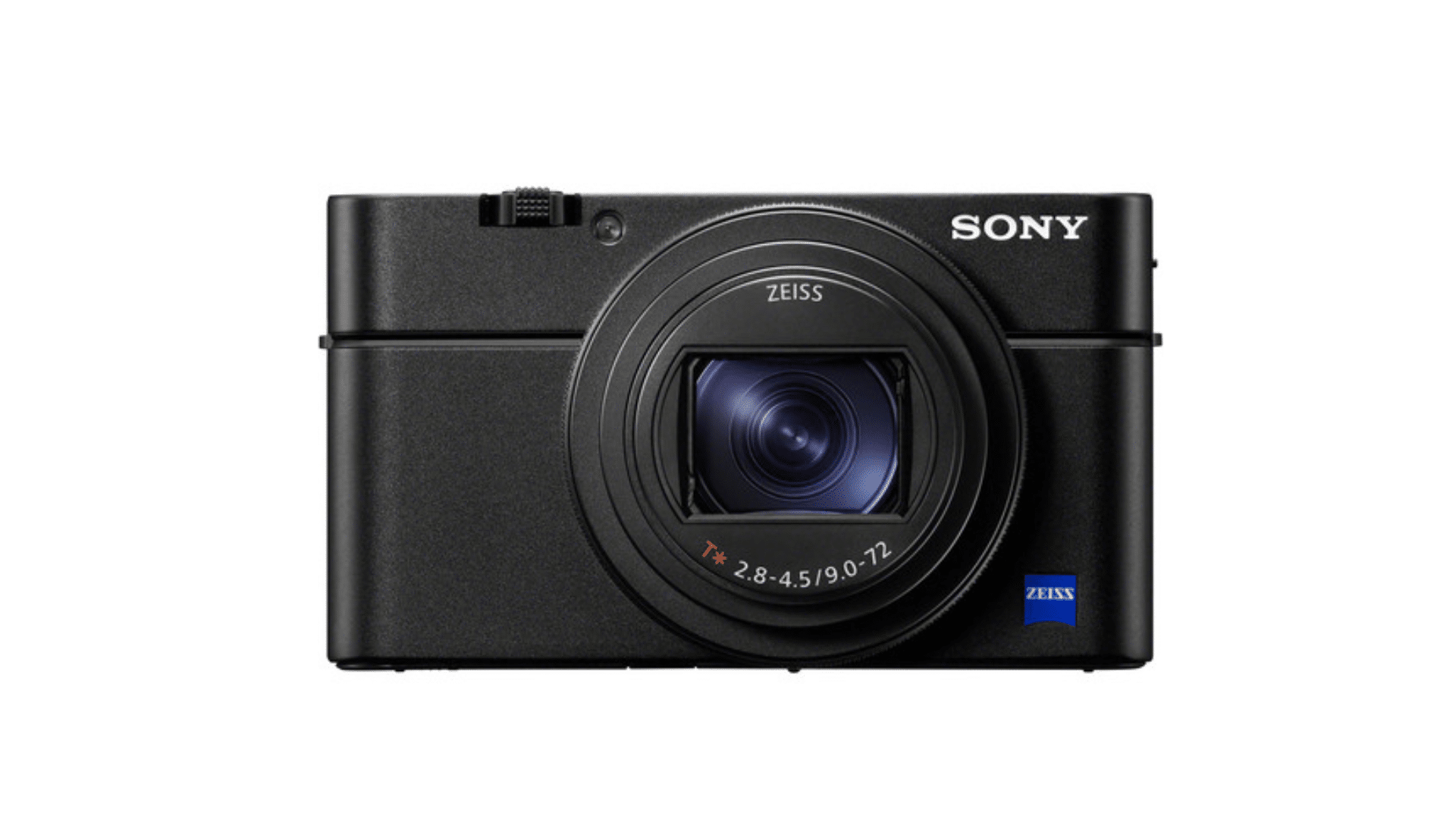
This camera is one of the strongest pocket-sized choices for travel and daily shooting, offering a 1-inch sensor and a versatile zoom that works well in many situations.
It gives you solid performance without taking up space, which is why I like how easily it slips into a pocket while still delivering clear results.
It remains a top pick this year for anyone who wants a small camera that handles both photos and video with ease.
- Price: $1,200–$1,300
- Best For: Travel, hybrid photo/video
3. Ricoh GR IIIx
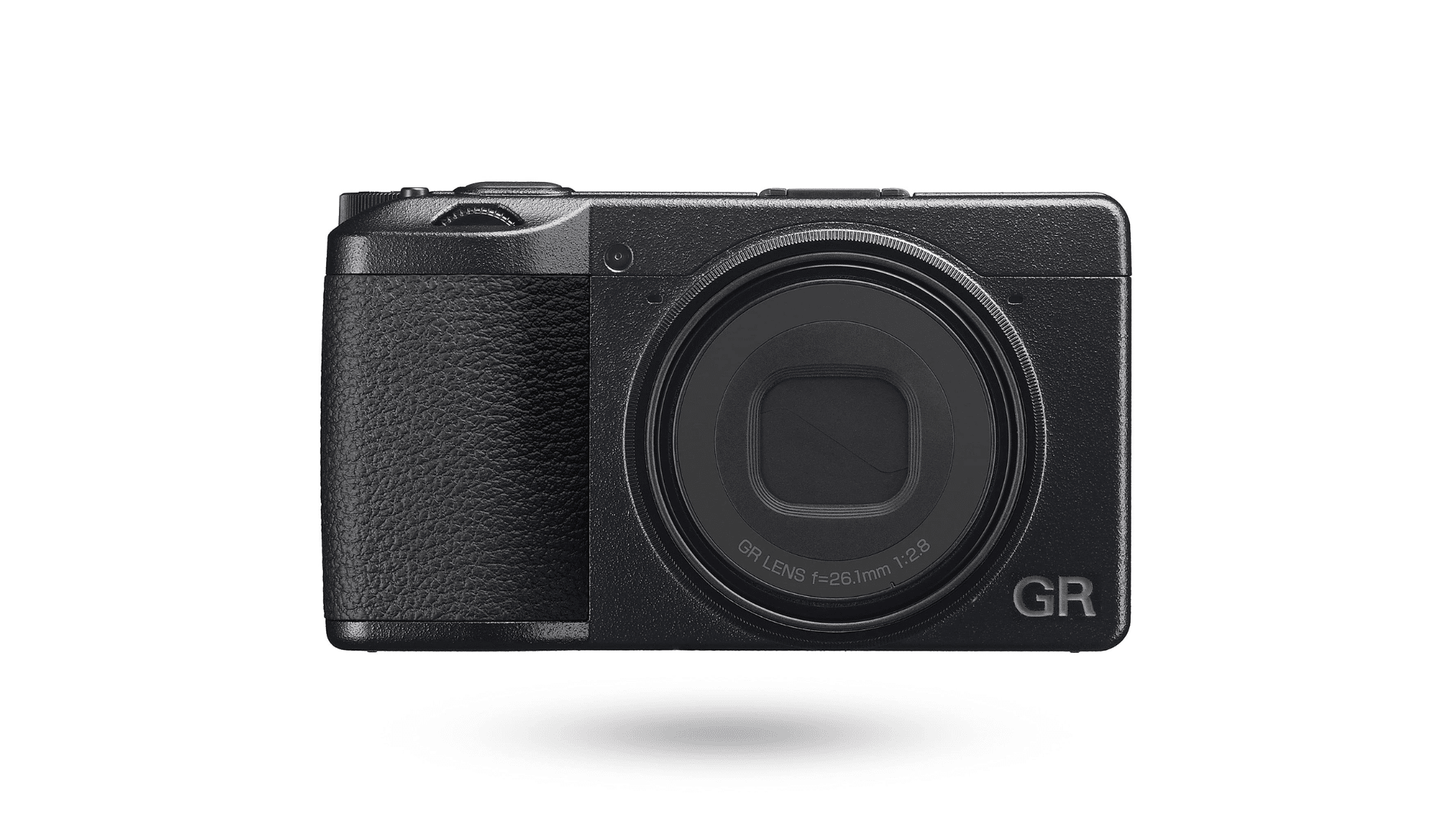
This camera is a top choice when the goal is to get the best image quality in the smallest size. Its APS-C sensor and fixed lens deliver clean, sharp results that work well for daily shooting.
It powers on quickly, which makes it useful for capturing spontaneous moments without delay.
Many street photographers prefer it for its simple design and fast response, and it remains a standout compact option for anyone who wants strong performance without carrying extra weight.
- Price: $950–$1,050
- Best For: Street and everyday carry
4. Panasonic Lumix ZS99 / TZ99
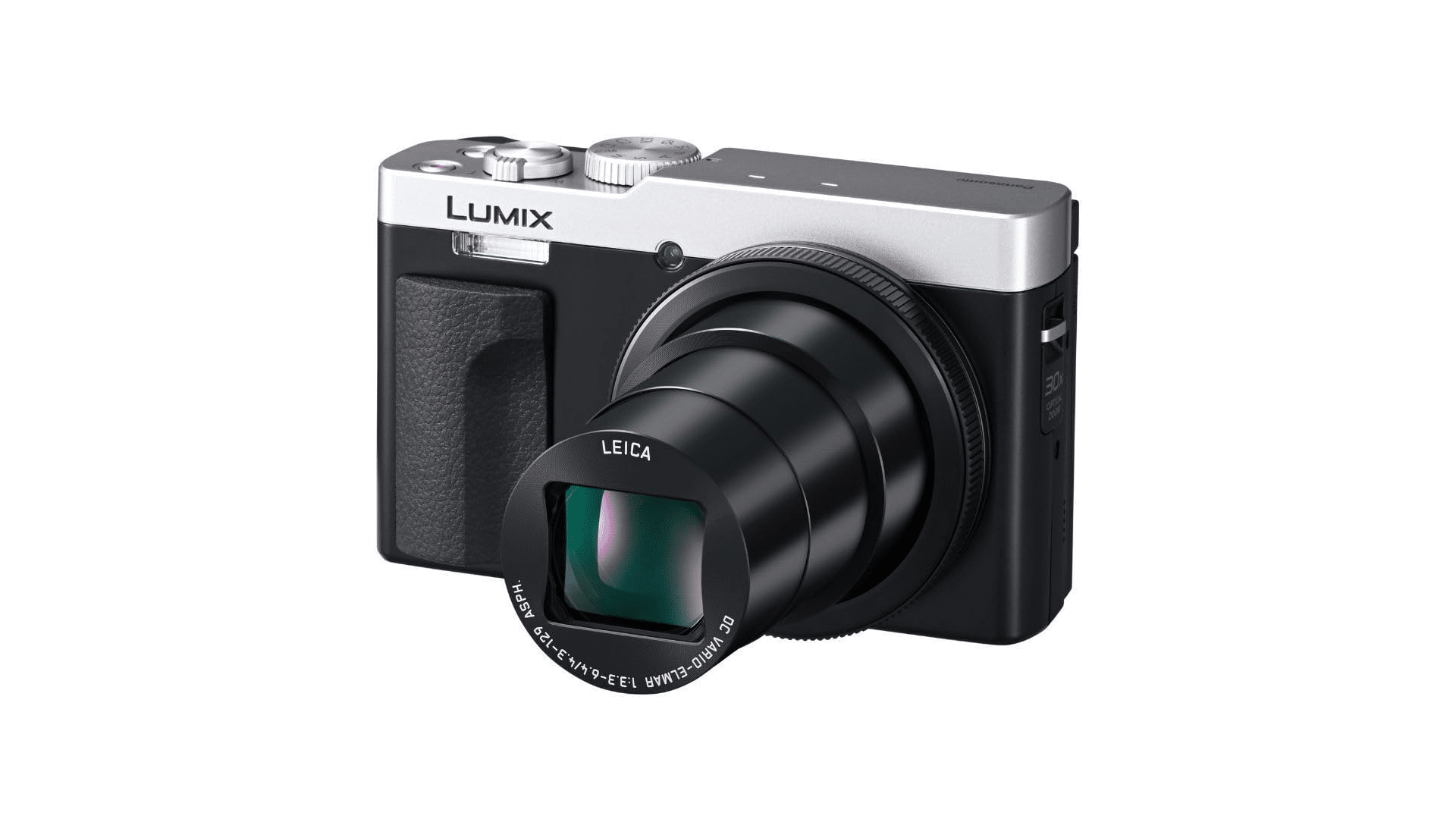
This camera offers the longest zoom range you can get without moving to a bulky body. It works well for travelers who want flexibility without dealing with extra lenses.
The design stays steady even at full zoom, which helps when capturing distant subjects with clear detail.
Its compact size makes it simple to pack in a small bag.
This mix of reach, stability, and portability makes it a strong option for anyone who needs a lightweight camera that still handles a wide range of situations.
- Price: $650–$750
- Best For: Travel and long-zoom needs
5. Panasonic Lumix LX100 II
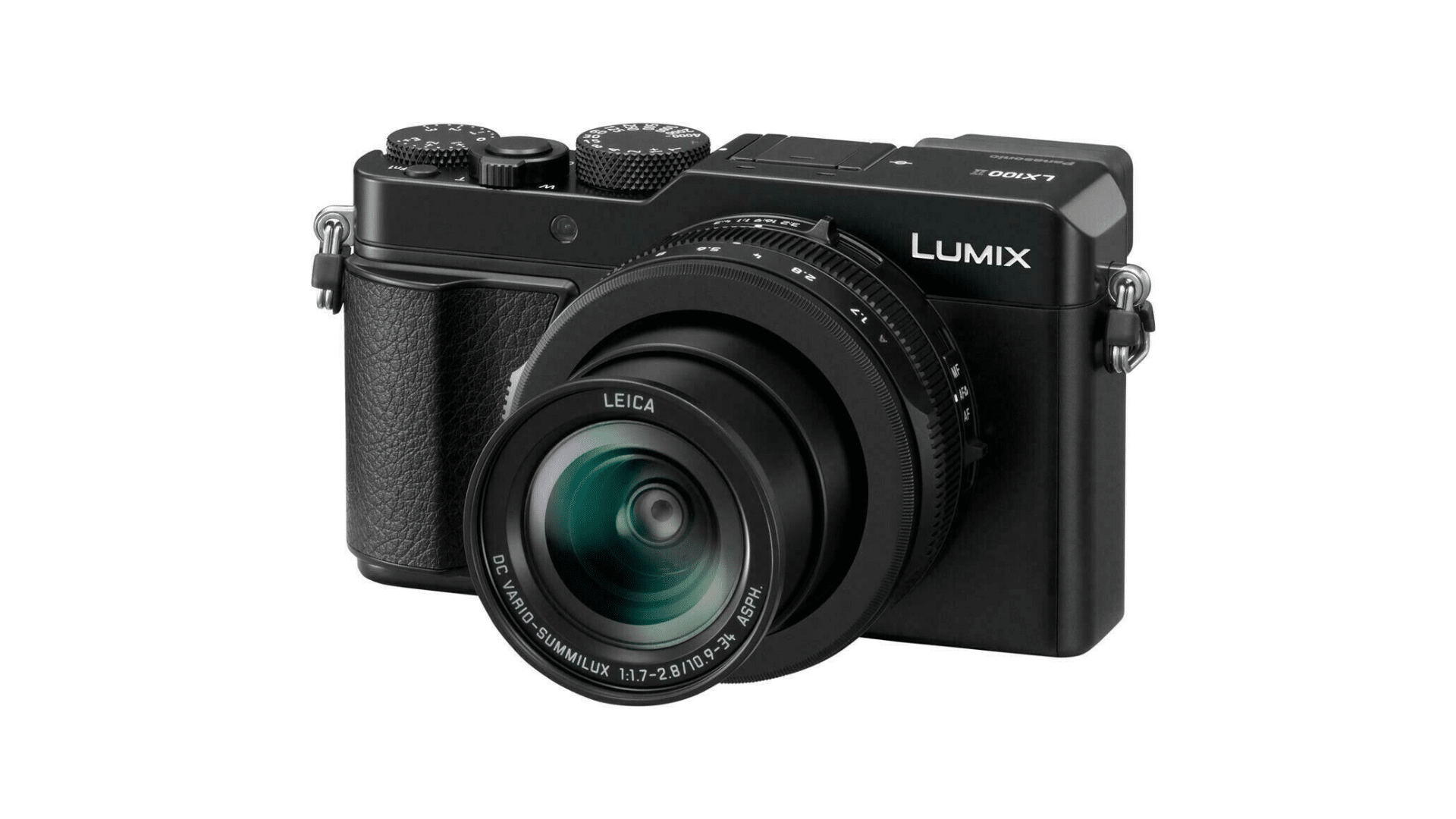
This camera is a favorite among people who want near-mirrorless quality in a small package.
Its large Micro Four Thirds sensor and fast zoom lens make it dependable in lower light and useful for many everyday situations.
It handles both photos and video well, giving users a balanced tool for different needs.
Although it’s an older model, it remains a high-value option because of its strong performance, solid build, and the level of control it offers in a compact form.
- Price: $750–$900
- Best For: Low-light and travel
6. Canon PowerShot G7 X Mark III
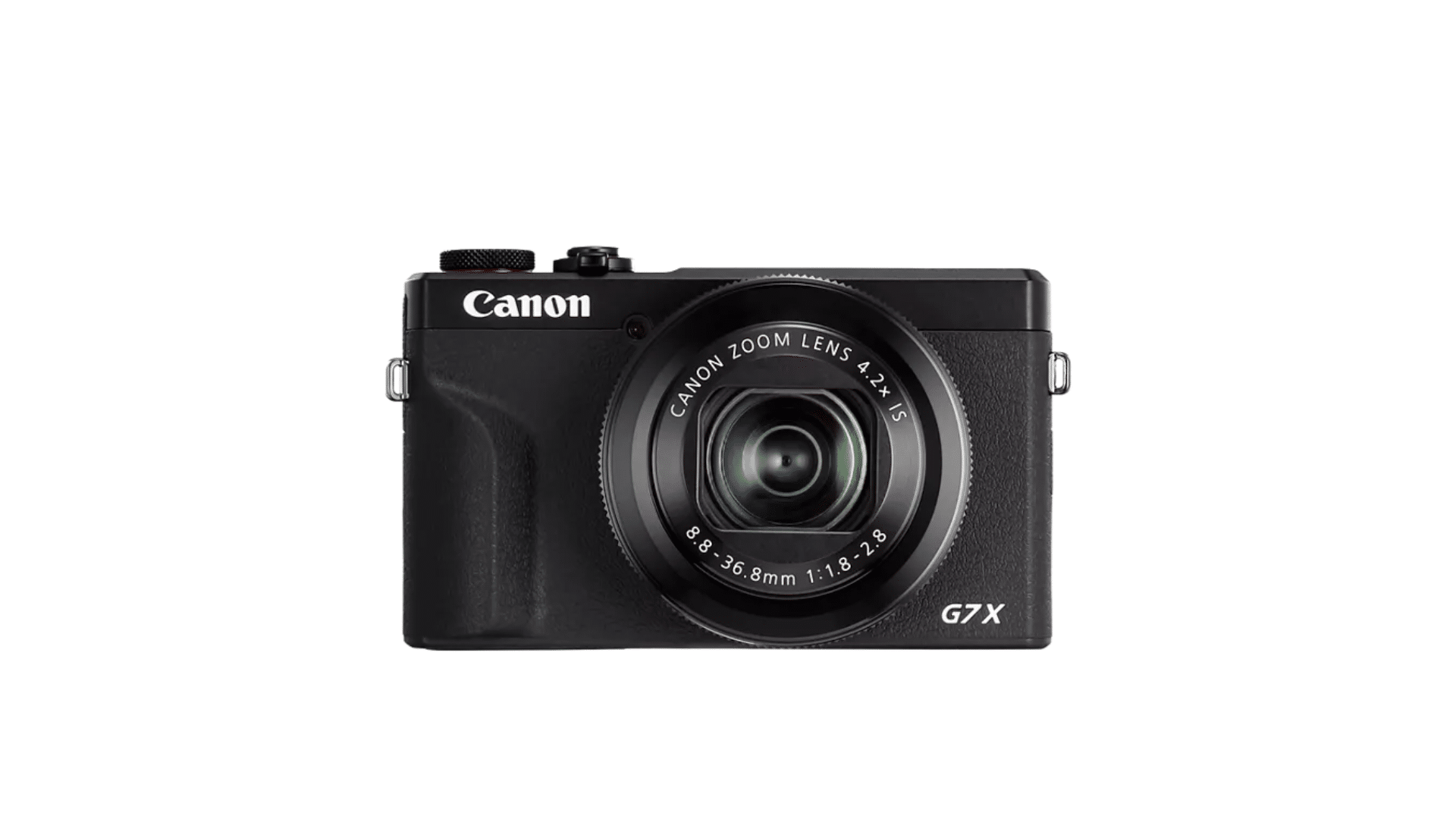
This camera is an excellent choice for people who want a simple, strong tool for content creation.
Its 1-inch sensor and solid video features make it a popular pick among vloggers who need clear footage in many settings.
The bright lens helps indoors and at night, giving users more flexibility without extra gear.
It also works well for anyone upgrading from smartphone quality, offering better detail, smoother video, and easier control. Overall, it’s a well-balanced option for everyday shooting and online content.
- Price: $650–$750
- Best For: Vlogging and casual creators
7. Sony ZV-1
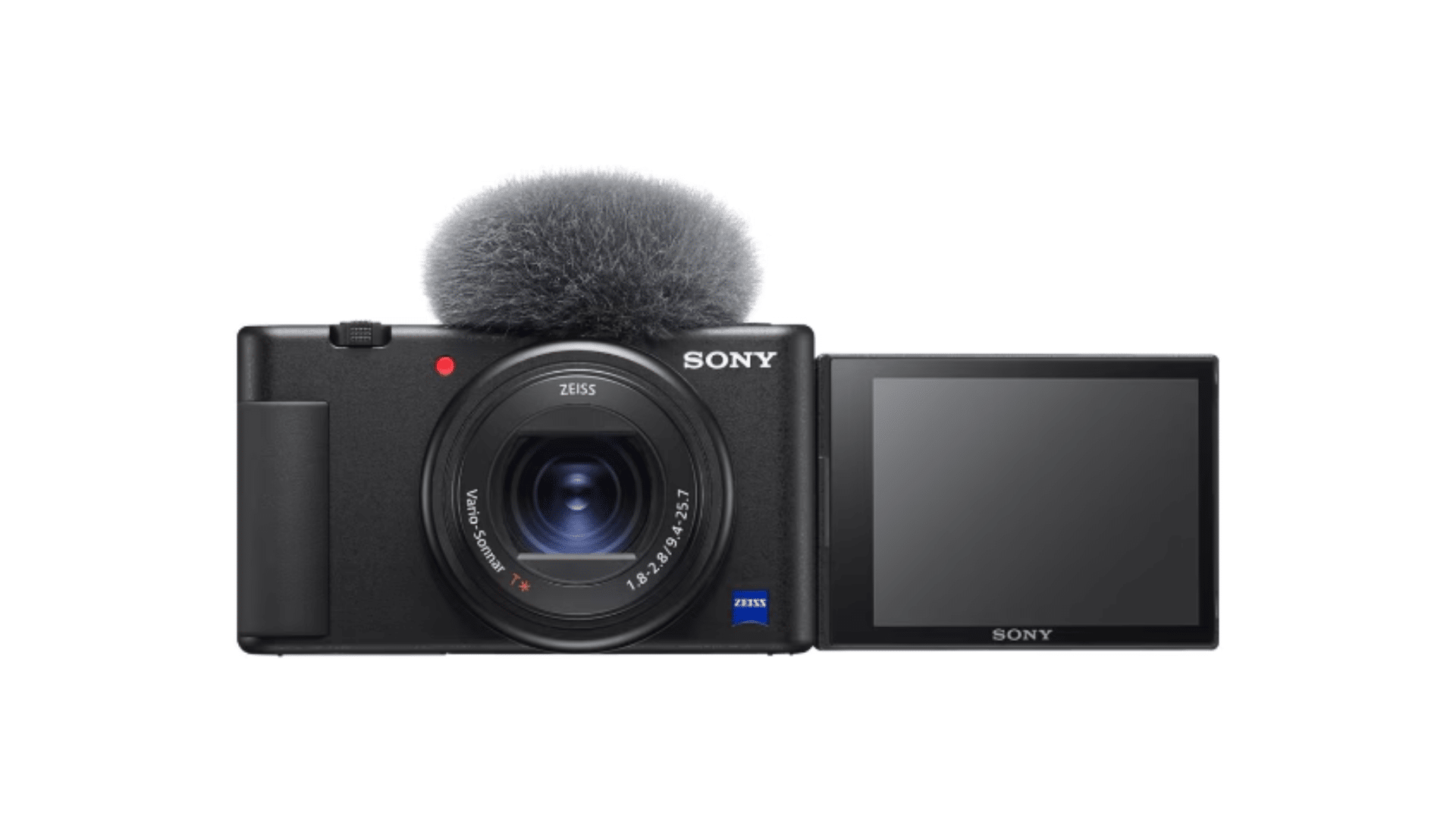
This camera is built for video but also works well for everyday photos. Its compact size and clean autofocus make it dependable, especially when tracking faces during fast moments.
The layout is simple, so beginners can use it without feeling overwhelmed.
It also suits creators who need pocket-sized gear that performs reliably in many situations.
With solid video tools and simple controls, it remains a strong choice for users who want clear results without heavier gear.
- Price: $650–$800
- Best For: Vlogging and travel content
8. Kodak PIXPRO FZ55
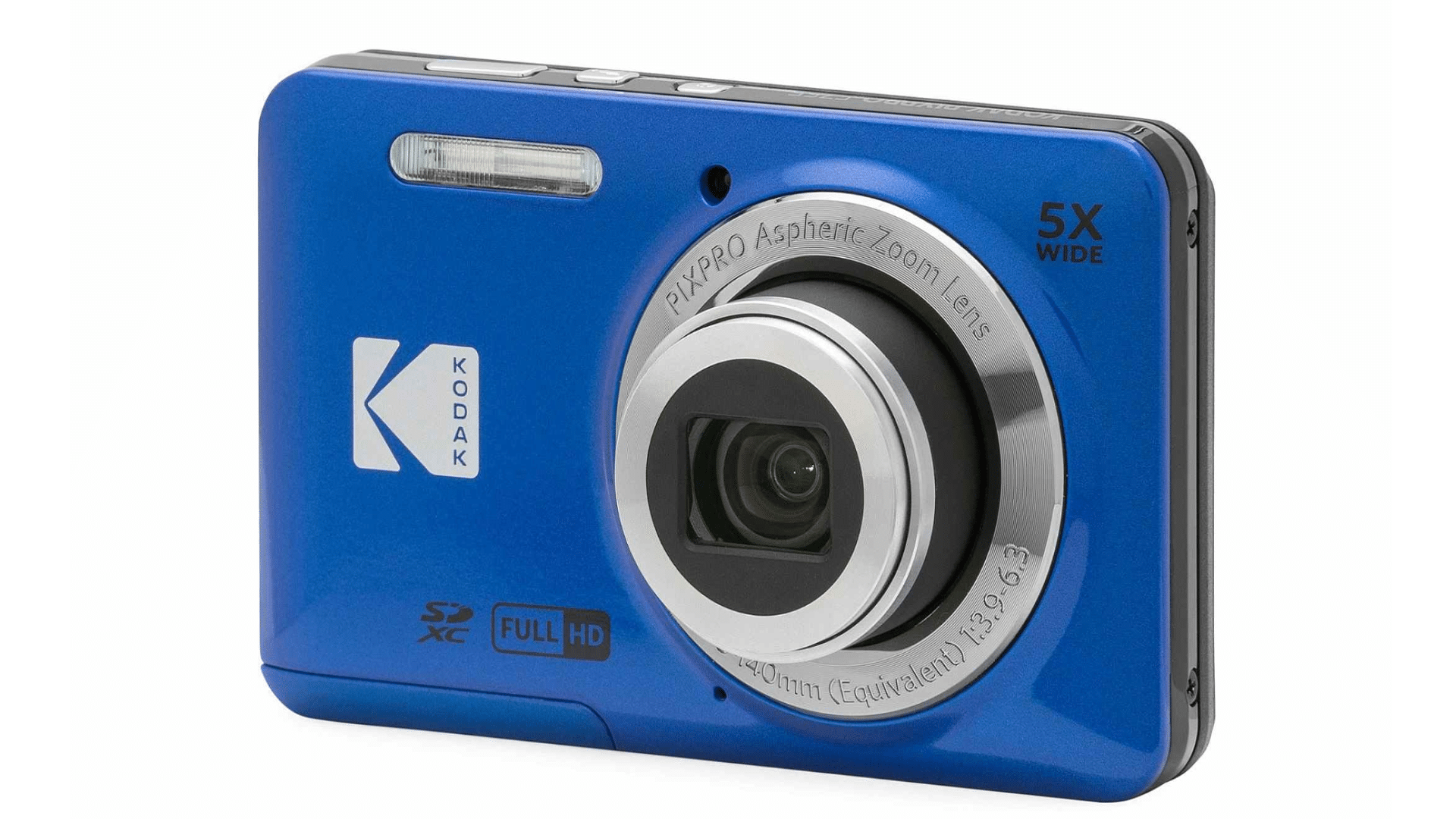
This simple point-and-shoot camera is a solid option for budget buyers. It’s lightweight and easy to use, making it suitable for casual snapshots or travel.
Turning it on and shooting is straightforward, so users don’t have to manage extra settings or learn complex controls.
While it doesn’t match the performance of premium cameras, it handles basic needs well and offers dependable results for everyday use.
Its small size and uncomplicated design make it practical for anyone who wants a no-fuss camera.
- Price: $120–$150
- Best For: Casual use and beginners
9. Kodak PIXPRO FZ45
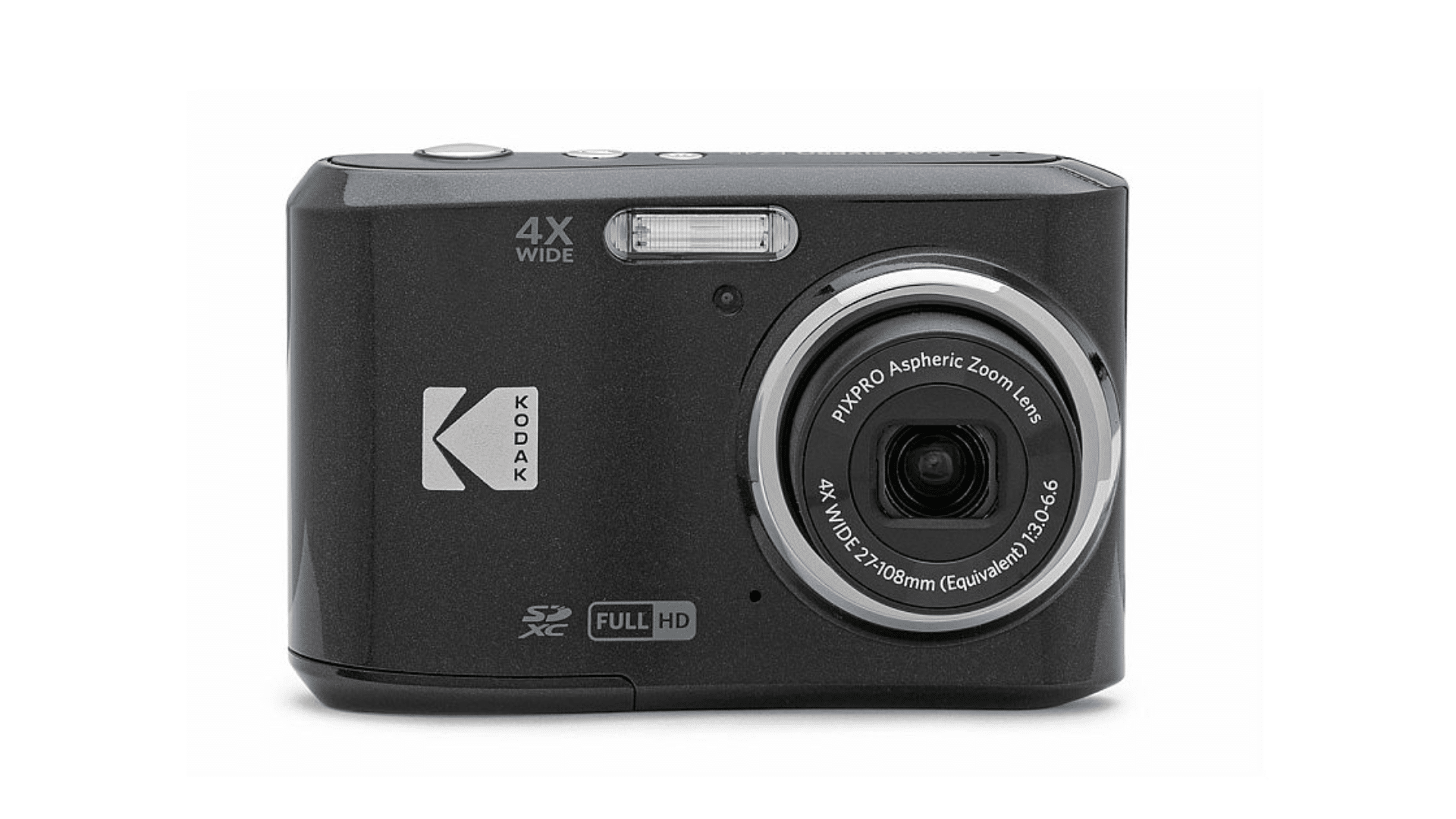
This budget camera is made for simple, quick photography and is small enough to slip into a pocket or bag without taking up space.
It suits people who want a no-stress option for trips or daily use.
While it doesn’t offer advanced features, it handles everyday snapshots well and keeps the process easy.
Its compact size and straightforward design make it a practical choice for anyone who wants a lightweight camera that captures basic moments without extra effort.
- Price: $100–$130
- Best For: Basic travel and family photos
10. Canon PowerShot SX740 HS
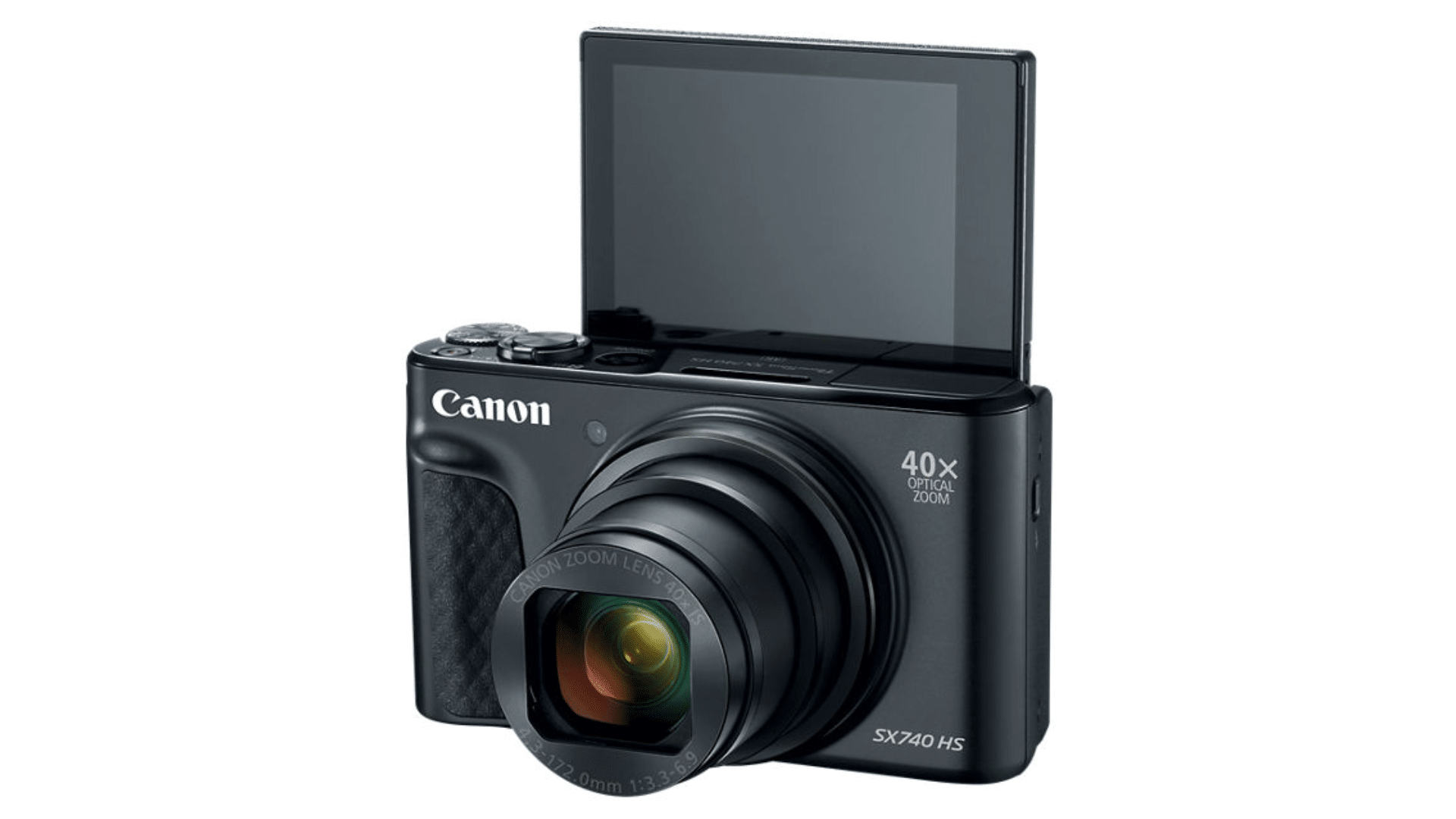
This camera offers long zoom in a light frame, making it a practical choice for travel.
Its 40× zoom covers everything from wide landscapes to distant details, giving users plenty of reach without carrying extra lenses.
The controls stay simple, so it’s easy for beginners or casual shooters to get started.
It also includes 4K video, which adds value at this price point. For travelers on a budget, it delivers range, clarity, and convenience in a compact, easy-to-pack design.
- Price: $350–$450
- Best For: Travel and Zoom flexibility
11. Nikon Coolpix P1100
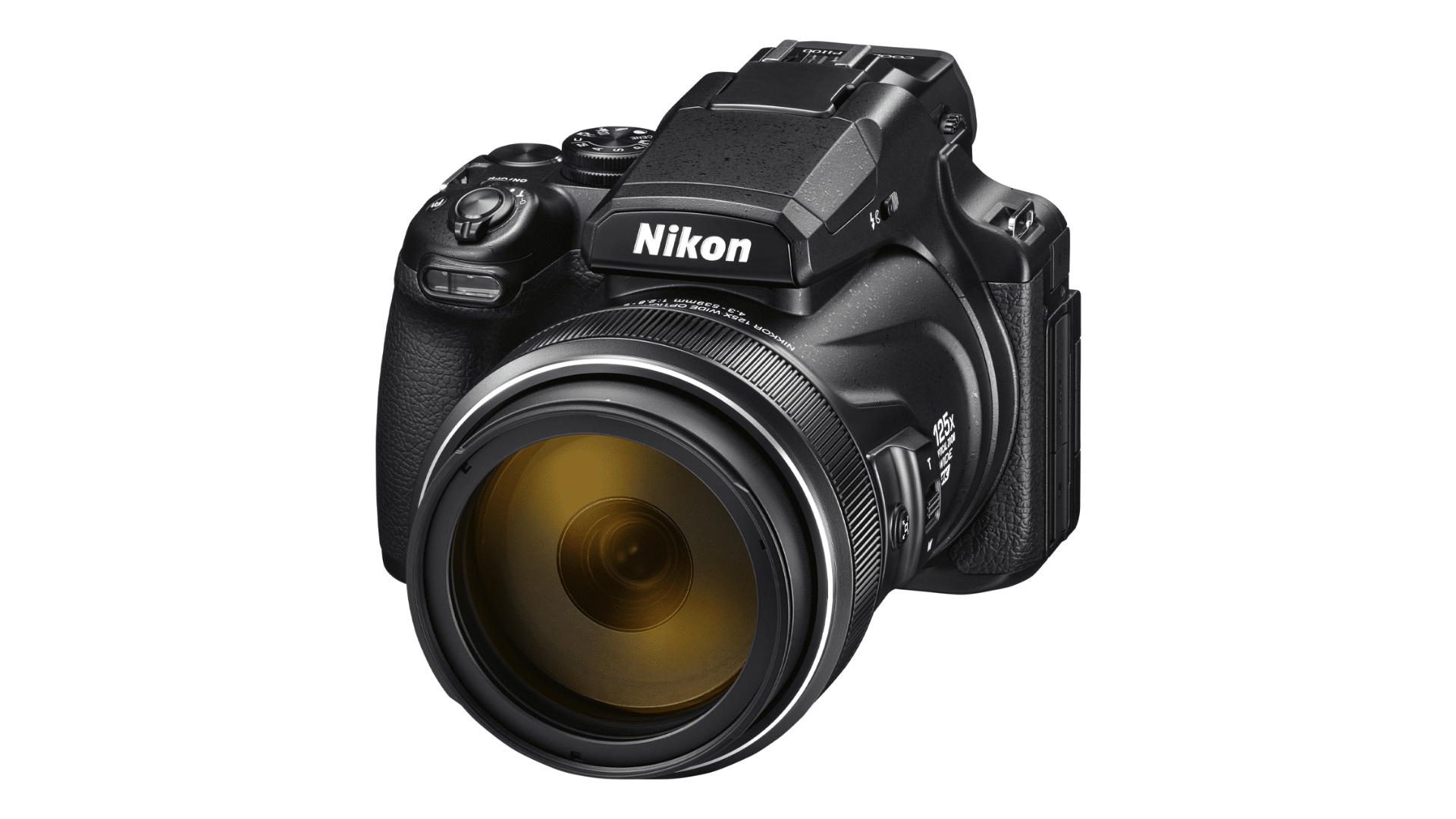
This superzoom camera gives users extreme reach for wildlife, travel, or sports, making it useful in many situations.
It offers a high level of flexibility in one body, so there’s no need to switch lenses when shooting faraway subjects. While it’s larger than a small point-and-shoot, it stays portable enough to carry on trips or long days out.
This makes it a strong choice for anyone who wants powerful zoom performance in a single, easy-to-manage camera.
- Price: $600–$700
- Best For: Wildlife and distant subjects
12. Leica Q3
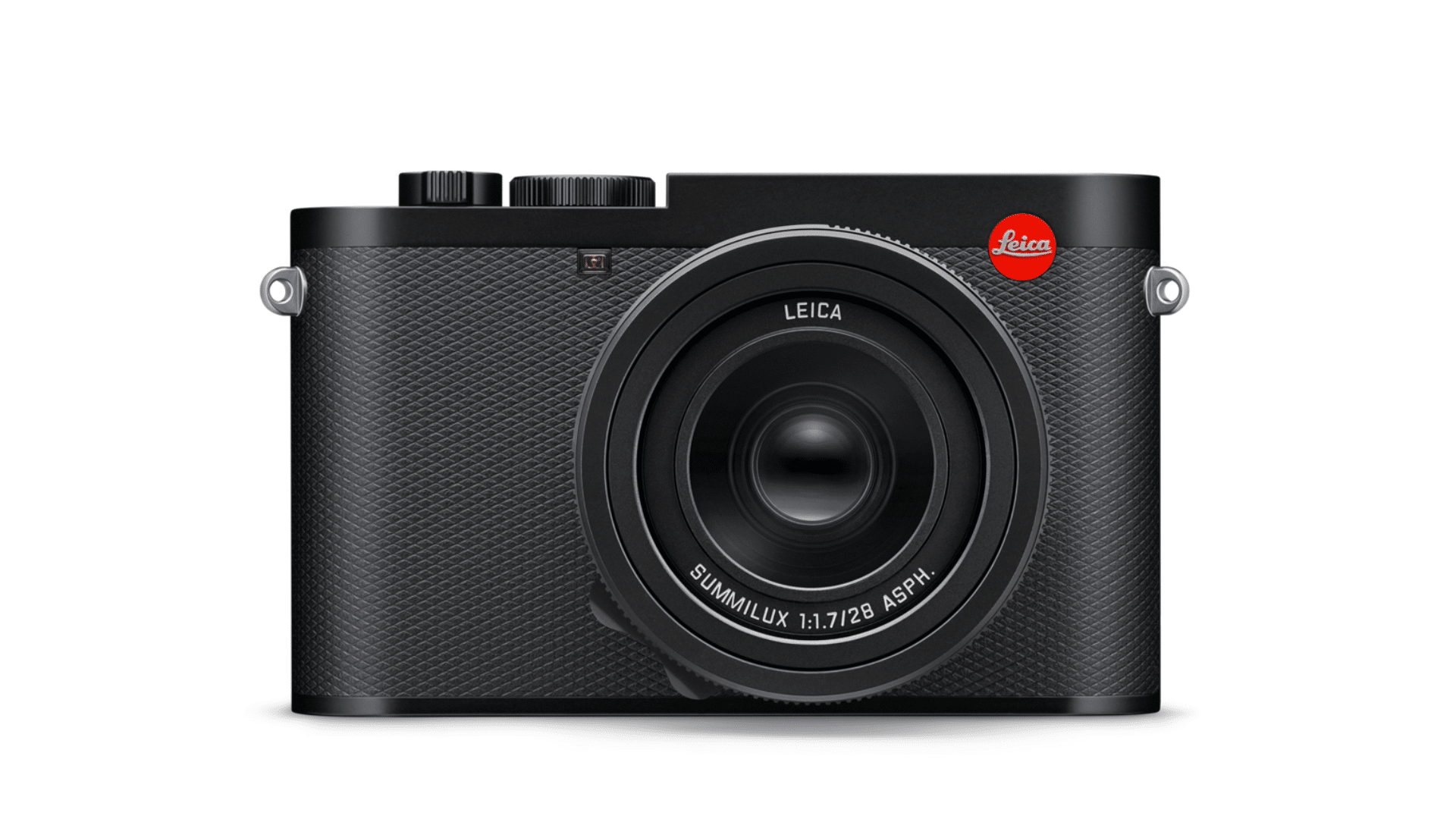
This premium camera offers full-frame quality in a simple, refined design that stays easy to use.
Its sharp lens and strong dynamic range help deliver clear, detailed images in many lighting conditions.
The fixed-lens setup makes it appealing for photographers who want top-level results without carrying extra lenses or heavy gear.
Although it sits at a higher price point, it has a loyal following because of its reliable performance, compact build, and ability to produce professional-level photos in a small body.
- Price: $5,500–$6,000
- Best For: Professional travel and street
13. DJI Pocket 3
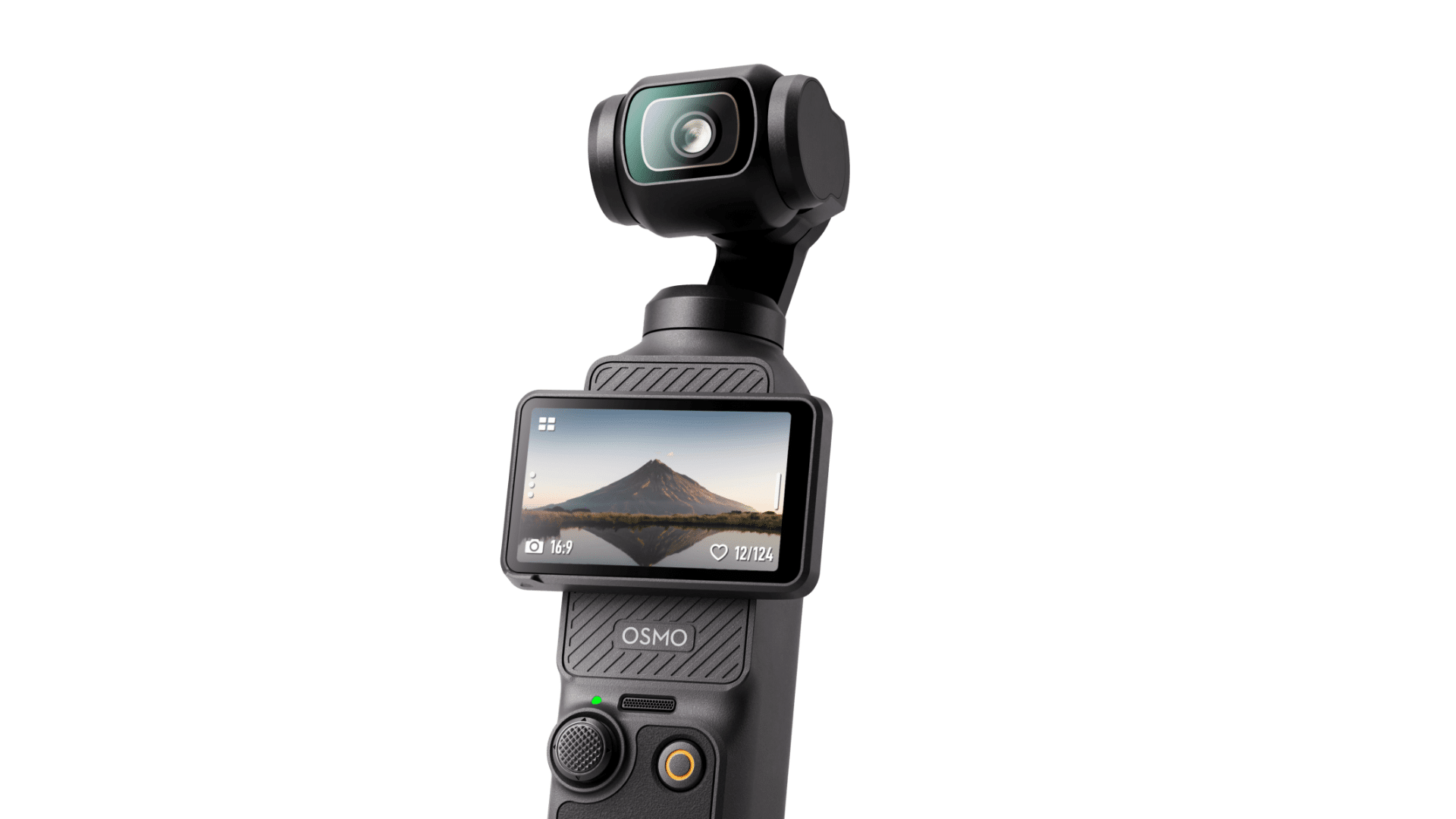
This small camera is made for video and motion recording, offering smooth footage with its built-in gimbal stabilization.
It works well for creators who film while moving, capturing steady clips without extra gear.
Although it isn’t a traditional camera, its size and video quality make it a strong compact option for travel, vlogging, and quick daily shots.
Its lightweight design also makes it easy to pack, giving users a simple way to record clear, stable footage wherever they go.
- Price: $500–$650
- Best For: Vlogging and travel videos
14. Pentax WG-1000
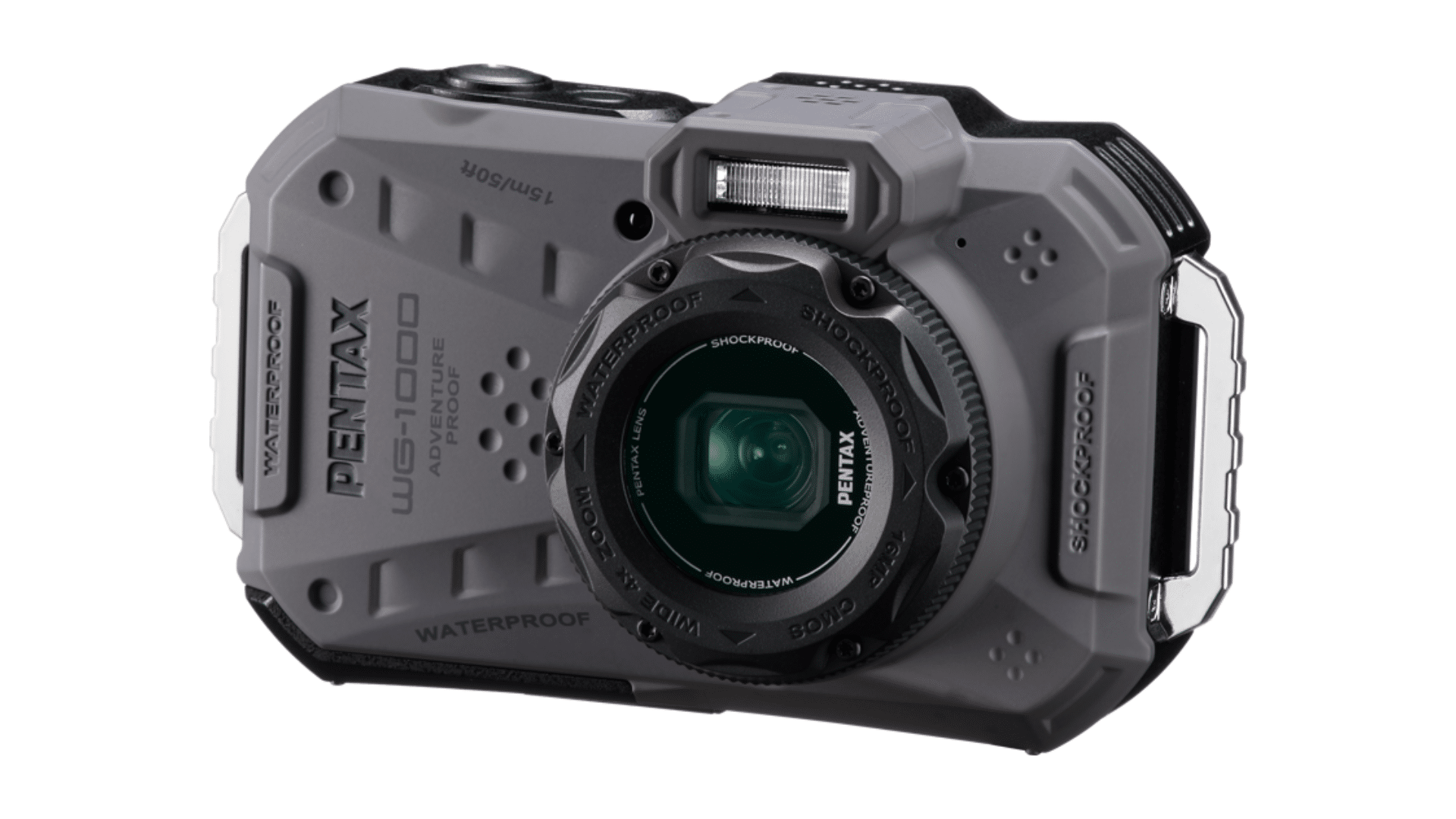
This small camera is built for people who need a tough, weather-resistant option that can handle outdoor conditions.
It survives drops, water, and rough use, making it reliable for hiking, beach trips, and places where phones might not hold up.
The image quality is simple but serviceable, offering clear enough results for everyday moments.
Its rugged design makes it a practical choice for users who want a compact camera that can endure active, unpredictable environments without worry.
- Price: $200–$250
- Best For: Outdoor and adventure use
Key Features to Look for in Compact Cameras
Compact cameras vary widely, so knowing what to look for helps you choose the right one. These features offer real value for everyday shooting, travel, and video work.
1. Sensor Size
Sensor size affects how much light the camera captures and how clean the final image looks.
Larger sensors, like 1-inch or APS-C, give better detail and low-light performance. Smaller sensors work fine for casual use but may show more noise.
A good sensor also helps with dynamic range, keeping bright and dark areas clear.
Choosing the right size depends on how much quality you need and how small you want the camera to be.
2. Lens Quality
A strong lens can improve sharpness, color, and low-light performance even on a compact camera.
Look for lenses with wide apertures, which help capture more light and create softer backgrounds when needed. Zoom range also matters, especially for travel or wildlife shots.
Fixed-lens models often offer better clarity, while zoom lenses add flexibility.
Good lens coatings can reduce glare outdoors. Finding the right mix of aperture, zoom, and sharpness will improve your overall results.
3. Autofocus Performance
Fast and accurate autofocus helps you capture moments without delay. Many compact cameras now offer face and eye tracking, which keeps subjects sharp even when they move.
Reliable autofocus is especially important for video, travel, and photographing kids or pets.
Low-light focusing ability also matters, since some cameras slow down in dim spaces. Look for models that lock onto subjects quickly and stay consistent.
Strong autofocus performance makes shooting easier and reduces the number of missed shots.
4. Video Capabilities
Video features vary, so it helps to check resolution, frame rates, and stabilization. Many compact cameras offer 4K video, which gives sharper footage and more editing flexibility.
Good built-in stabilization keeps clips steady without extra gear. Strong autofocus and clear audio make filming smoother.
Some models also include helpful tools like flip screens for vlogging.
Good video features can turn a compact camera into a versatile tool for both daily shooting and content creation.
5. Size and Portability
Compact cameras should be easy to carry, so size and weight matter. A smaller body fits in pockets or small bags, making it useful for travel or daily use.
Lightweight cameras reduce strain during long days out. Even with a small size, look for a design that feels solid and comfortable to hold.
Controls should be simple to reach.
A portable camera encourages more shooting because it’s always close at hand, ready for quick moments or planned outings.
6. Battery Life
Battery life affects how long you can shoot without recharging.
Some compact cameras last for hundreds of photos, while others need frequent top-ups. Travel and long outdoor days are easier with a camera that holds power well.
Charging by USB is helpful because it lets you use power banks. Extra batteries can also provide backup support.
A camera with dependable battery life helps you focus on shooting instead of managing power throughout the day.
7. Durability and Build
Durability matters if you travel often or shoot outdoors. Some compact cameras include weather resistance that protects against dust, splashes, or light rain.
Others offer rugged builds that withstand drops or rough handling. A solid body helps the camera last longer and stay reliable in different environments.
Strong buttons and dials also make the camera easier to use with gloves or in cold weather.
Choosing a durable design ensures the camera stays dependable over time.
How to Choose the Right Camera for Your Needs?
Choosing a compact camera becomes easier when you focus on what matters most. These points help match your shooting style, budget, and daily use.
- Decide where you’ll use the camera most, such as travel, family moments, or content creation.
- Think about the sensor size you need for image quality and low-light performance.
- Choose a zoom range based on how close or far your subjects usually are.
- Look for simple controls if you prefer easy, no-stress shooting.
- Check autofocus speed for moving subjects or video work.
- Consider battery life if you shoot long days or travel often.
- Pick a size that feels comfortable to carry every day.
- Compare video features if recording is part of your workflow.
- Set a clear budget and find the best value within that range.
Conclusion
Choosing the right small digital camera comes down to knowing what fits your daily use and what features actually matter.
A compact model should make shooting easier, not harder, and it should give you results you feel good about.
When you focus on sensor size, lens quality, and ease of use, it becomes much simpler to find a camera that works for your needs.
These small tools offer real value for travel, family moments, and quick everyday shots.
As you look through the options, think about how you plan to use your camera and what will help you enjoy photography more.
Every model has strengths, so the best choice is the one that supports your style. If you’ve tried any of these cameras, share your experience in the comments below.