When I first learned about marketing automation, I realized there’s no single way to approach it.
Different businesses use different models, and understanding those types has helped me plan campaigns that actually make sense for each audience.
B2C automation is familiar to most people since it relies on personal messages, behavior triggers, and fast engagement.
But beyond B2C, there are automation models designed for B2B organizations, eCommerce stores, SaaS products, and even customer retention teams.
Each one solves different problems and supports a different style of communication.
In this guide, I’ll walk through the main types of marketing automation and explain how they fit into real workflows.
What is B2C Marketing Automation?
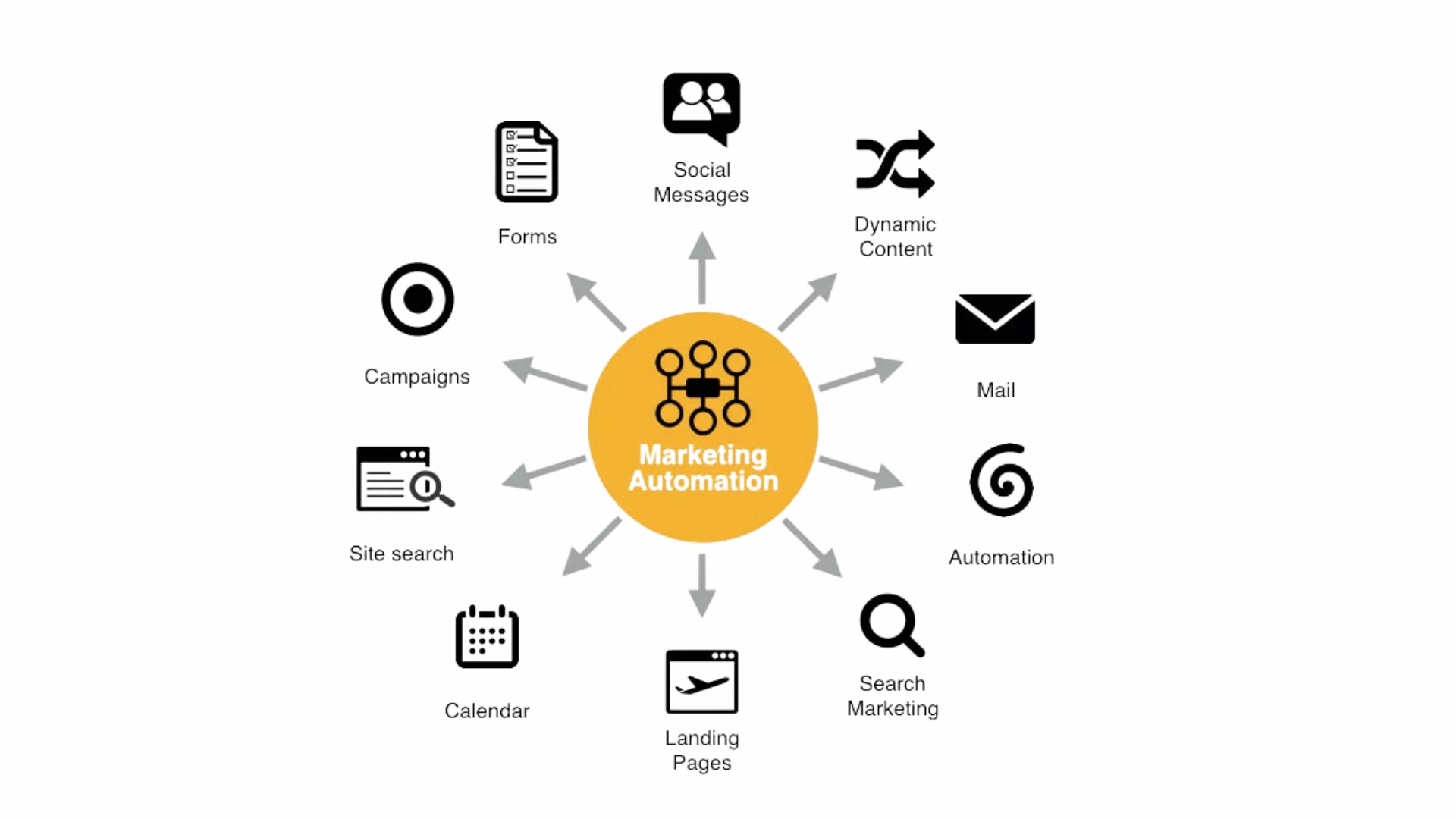
B2C marketing automation is a way for businesses to send the right messages to customers without doing every task by hand.
It uses tools that track customer actions, such as browsing, buying, or signing up for emails. Based on these actions, the system sends messages that match what the customer needs or is interested in.
This can include reminders, product suggestions, or simple follow-ups. A good automation setup helps businesses respond faster and stay consistent.
It also saves time by handling repeat tasks like welcome emails or order updates.
Customers benefit because the messages feel more personal and useful.
With automation in place, teams can focus on planning and improving their overall marketing instead of managing every small detail.
Some Other Types of Marketing Automation You Should Know
Marketing automation comes in several forms, each designed to handle different business needs. Understanding these types helps you choose the right tools and workflows for your goals.
1. B2B Marketing Automation
B2B marketing automation supports longer sales cycles and focuses on nurturing leads over time.
It uses tools that score prospects, deliver targeted content, and guide decision-makers through each stage. Most workflows rely on email sequences, gated content, and scheduled follow-ups from sales teams.
This type helps businesses stay organized, track engagement, and move leads toward a final decision.
It’s especially helpful for companies that work with multiple stakeholders or offer complex products and services.
2. E-Commerce Marketing Automation
E-commerce marketing automation improves online shopping experiences by reacting to customer activity in real time.
It sends abandoned cart reminders, back-in-stock alerts, product recommendations, and post-purchase updates. These tools also track browsing history and match shoppers with items they are likely to buy.
By automating these steps, stores keep customers engaged and increase repeat sales.
This type is especially useful for shops that handle large inventories and need fast, accurate communication without manual work.
3. Social Media Automation
Social media automation helps businesses manage posts, schedule content, and reply to messages more efficiently.
It allows teams to plan updates across multiple platforms and keep a steady posting schedule without daily manual work.
Some tools also monitor comments, track brand mentions, and share targeted ads.
This type makes it easier to stay active online and maintain a consistent voice. It also frees time for creating better content and building stronger interactions with followers.
Why Businesses Use Marketing Automation?
Businesses use marketing automation because it helps them save time, stay organized, and reach customers more effectively.
It handles routine tasks like sending emails, reminders, and follow-ups, so teams don’t have to do everything manually. This makes it easier to stay consistent and respond quickly when customers take action.
A solid automation setup also keeps messages accurate and timely, which improves the customer experience.
With automation, businesses can track behavior, send useful updates, and guide people through each step without extra effort.
It also helps teams focus on planning and creating better content instead of managing small daily tasks.
Overall, marketing automation supports steady growth by making communication clearer and more efficient.
Key Tools for Automation
Each tool has its strengths; understanding what each platform does best helps me choose the one that fits my goals.
1. HubSpot
When I use HubSpot for marketing automation, I appreciate how everything connects inside one platform: email, CRM, ads, forms, analytics, and workflows.
HubSpot also gives me deep insights into lead behavior, so I can send more personalized messages without doing extra manual work.
It’s great for both B2B and B2C because it supports nurturing, segmentation, scoring, and multi-channel campaigns.
Whenever I need an all-in-one system that blends automation, CRM, and sales tools, HubSpot feels like one of the most complete options available.
2. Klaviyo
It is the tool I turn to when I’m working with e-commerce brands. I love how deeply it integrates with Shopify, BigCommerce, WooCommerce, and other storefronts.
The amount of customer data it collects, including purchase history, browsing activity, product views, and engagement, helps me build highly personalized automation.
I rely on Klaviyo for abandoned cart flows, welcome series, product recommendations, back-in-stock alerts, and loyalty-driven emails.
The segmentation tools are powerful, and the reporting helps me understand exactly what’s driving revenue.
3. Marketo
What I love most is how well it handles complex lead nurturing, scoring, and segmentation for B2B companies.
The workflows can get incredibly detailed, yet the system remains stable even at a large scale.
Marketo is perfect for long customer journeys, multi-step campaigns, and account-based marketing.
I also appreciate how smoothly it integrates with CRMs like Salesforce. Although it has a learning curve, it gives me the depth I need to manage sophisticated marketing programs.
4. Mailchimp
It’s easy to set up welcome emails, drip sequences, abandoned cart reminders, and product recommendation flows.
The interface is friendly, so I can build campaigns quickly without having to take technical steps.
I also enjoy using Mailchimp’s templates and creative tools because they make designing polished emails much easier.
For small businesses and new marketers, Mailchimp feels approachable while still offering automation, segmentation, and reporting.
5. ActiveCampaign
It is one of the most flexible automation tools I’ve used. I love the automation builder; it lets me combine email, tagging, site tracking, and conditional logic in a single workflow.
This makes it easy for me to deliver personalized, behavior-based communication.
ActiveCampaign works well for e-commerce, B2B, and service businesses because it supports deep segmentation and advanced triggers.
I also appreciate the built-in CRM, which helps connect marketing and sales.
How B2C Differs from Other Automation Models?
B2C automation focuses on fast, personal communication, while other models support longer decision cycles.
| Feature / Focus | B2C Marketing Automation | B2B Marketing Automation | E-Commerce Automation |
| Audience Type | Individual consumers | Businesses and decision-makers | Online shoppers |
| Communication Style | Short, personal, behavior-based | Detailed, educational, multi-step | Real-time and product-focused |
| Response Time Needed | Fast and immediate | Slower, research-driven | Instant reactions to actions |
| Common Tools Used | SMS, push alerts, simple emails | Lead scoring, email sequences | Cart reminders, product suggestions |
| Main Goal | Quick engagement and conversions | Long-term nurturing and lead quality | Boosting sales and repeat purchases |
Essential Marketing Automation Channels
Email remains the core channel, offering automated sequences such as welcome series, abandoned cart reminders, lead nurturing flows, and retention campaigns.
SMS marketing provides immediate, high-engagement messaging ideal for promotions, alerts, and time-sensitive updates.
Push notifications, both mobile and web, support real-time engagement by reaching users instantly with personalized prompts.
Social media automation helps schedule posts, manage engagement, and deliver targeted ads based on user behavior.
In-app and on-site messaging enhance customer experiences by guiding users through onboarding, product discovery, or support steps.
Together, these channels create cohesive, multi-touchpoint communication that strengthens relationships, increases conversions, and reduces manual workload.
Examples of Effective B2C Automation Flows
These automation flows help businesses stay connected with customers at the right moments. They also make communication smoother by reacting to real actions and needs.
- Welcome email series sent after someone signs up
- Abandoned cart reminders for shoppers who leave items behind
- Back-in-stock alerts for popular products
- Birthday or anniversary messages with special offers
- Order confirmation and shipping updates
- Product recommendation emails based on browsing history
- Re-engagement messages for inactive customers
- Post-purchase follow-ups asking for reviews
- Loyalty program updates and reward notifications
Conclusion
After learning about the different types of marketing automation, I now see how important it is to choose the right approach for the goals I want to reach.
Each model supports a different stage of the customer journey and solves a specific need.
What matters most to me is knowing my audience, spotting where automation makes the biggest difference, and picking tools that help create meaningful experiences at scale.
When the strategy is clear, automation saves time and keeps messages consistent. It also helps deliver stronger results.
Any business, no matter the size or industry, can use automation in a smarter way. And with the right setup, every interaction can feel more personal and useful.