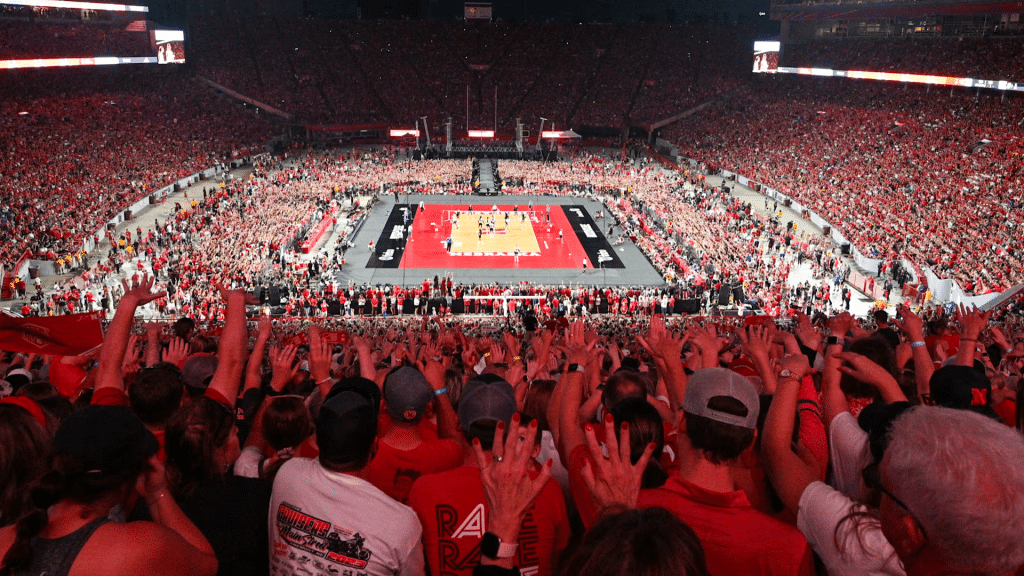
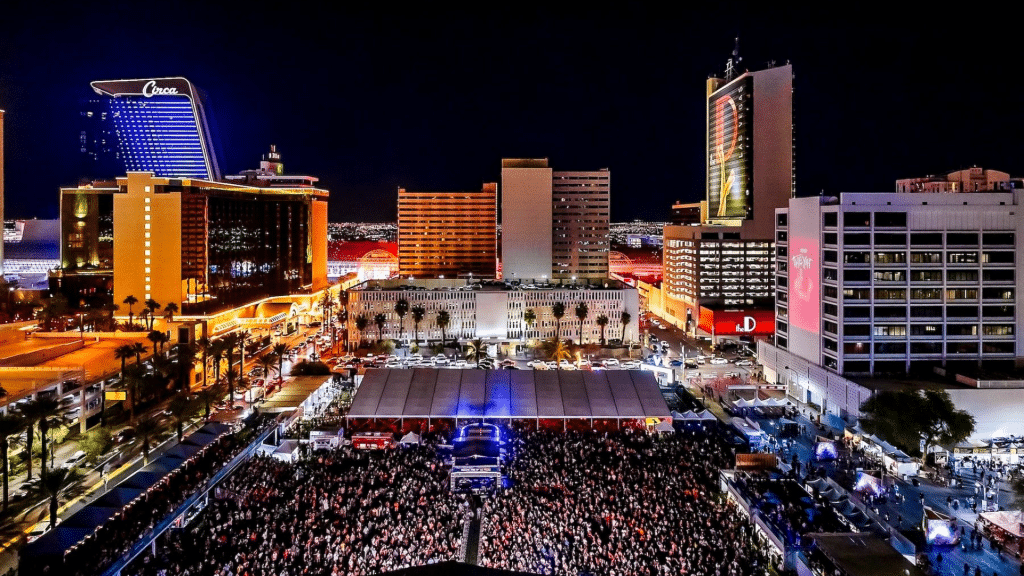
Live events are busy by nature. There is noise, movement, and a lot happening at once. For many seniors, those conditions can turn small inconveniences into real stress.
Supporting older guests does not mean changing the whole event.
It means paying attention to a few moments that matter most, like arrival, movement through the space, and knowing help is nearby if something feels off. Simple planning choices can make the day feel calmer and safer without drawing attention.
Tools such as a medical alert device like Life Assure can be part of that support for some seniors and families, but the foundation is always the environment itself. The five steps below focus on practical ways to make live gatherings more comfortable, steady, and responsive for older guests
Make Arrival Calm With Simple Check In Design
Arrival sets the tone for the whole day, and seniors feel the pressure first. If the first ten minutes are confusing, people conserve energy, move less, and ask fewer questions later.
Start with the physical layout. Use clear aisle space, stable flooring, and a seated waiting option near the front. Put one staff member on “welcome and guide” duty, not “device and data” duty, so guests are not left guessing.
On the tech side, speed helps, but clarity matters more. Larger text, fewer taps, and quick search check in reduce the time spent standing. A self check in flow that supports QR codes and RFID check in can also lower bottlenecks when volume rises, which is the point of tools like a guest list check in app used at many live events.
Build two lanes, even for small gatherings. One lane handles “fast path” arrivals, and one lane handles “help path” cases. That second lane covers badge fixes, accessibility questions, and anyone who needs a slower pace.

Use Badges And Wayfinding That Reduce Cognitive Load
A badge can either help someone belong or make them feel out of place. Tiny type, cluttered layouts, and low contrast fonts turn a simple name tag into a daily vision test.
Use large, high contrast text for first names, and keep other details secondary. If the event has multiple zones, print a single bold symbol that matches the map signage. Color can help, but do not rely on color alone, since some guests have vision limits.
Wayfinding should be readable at walking distance, not only up close. Place signs at decision points, not after a wrong turn. If you have a hallway split, post the sign before the split, plus a repeat sign after.
Badges can also carry quiet safety value. Consider printing:
- A large first name and a smaller last initial for privacy
- An optional “needs seating breaks” icon for staff awareness
- A simple zone marker that matches room signage
If you print on demand, keep backups ready for smudges or misprints. A workflow built around on site printing helps, especially when a late change would otherwise create stress. That is why event teams often lean on pages describing badge printing features and setups before deciding what fits their venue.
Plan Movement And Seating Around Falls Prevention
Crowds shift fast, and seniors often get pushed into the edges of foot traffic. That is where cables, rugs, and uneven thresholds create the most risk.
Start with a quick walk through during setup, using the route a guest will actually take. Check lighting transitions, floor grip, and any spots where people pause, like buffet corners and restroom lines. Then remove or tape down hazards early, while the room is still quiet.
Seat placement matters as much as seat count. Provide seating “islands” near key points, like check in, restrooms, and the main room entrance. Put chairs with arms in those islands, since arm support helps standing up safely.
If you want an evidence based checklist for home and daily safety habits that also translate well to event settings, the National Institute on Aging has practical guidance on fall risk reduction and safe setup habits.

Offer Quiet Support Without Calling Attention To It
Many older guests do not want “special help.” They want normal interaction, plus options that make the day easier.
Build support into the environment so people can self select. A clearly marked water station, a calm corner with two chairs, and a volunteer who can escort someone to a restroom all reduce stress without announcements.
Train staff on simple, respectful cues. Instead of asking, “Do you need assistance?” try, “Would you like to sit here for a minute?” or “I can walk with you to the next room.” Those phrases feel normal, and they give control back to the guest.
This is also where personal safety tools fit naturally. If a senior already uses a medical alert device, staff do not need to manage it. They just need to know a few basics, like what to do if the guest says they pressed their help button, or if the device sounds an alert.
A short staff briefing can cover:
- Where the quiet seating areas are located
- Who to call if a guest feels dizzy or disoriented
- How to keep pathways open during peak movement times
Keep that briefing short, and repeat it once after doors open, when teams are settled.
Build A Response Plan For Real Time Incidents
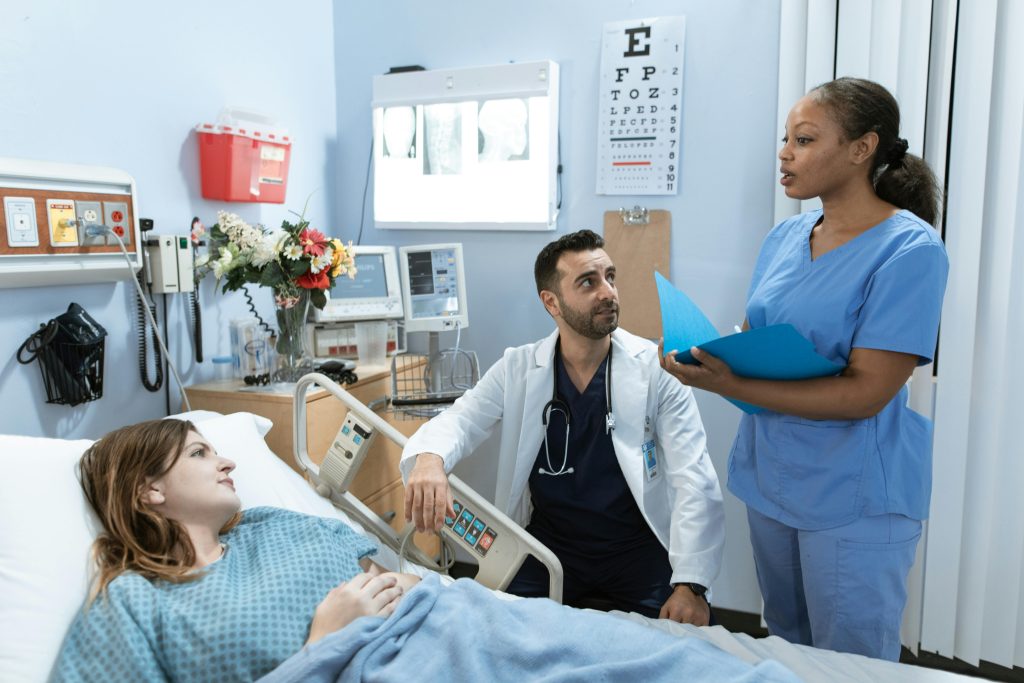
Even well run events have moments, a stumble, a missed medication window, a sudden drop in blood sugar, or a guest who cannot find their group.
The response plan should be simple enough that any staff member can follow it. Assign roles, set a clear escalation path, and practice the first two minutes, since that is when most confusion happens.
Start with the basics: who calls emergency services, who meets them at the entrance, and who stays with the guest. Identify a private spot for assessment, away from traffic, with a chair and water.
If your event uses RFID or session tracking, it can also support response work in a respectful way. Knowing when a guest last checked into a session or entered an area can help staff narrow down where they may be, without turning it into a public search.
For broader, public facing guidance on older adult falls and related prevention steps, the CDC’s falls prevention information is a strong reference for planning and staff training.
When you train, focus on calm actions, not panic scripts. A steady approach keeps the guest safer and keeps the room from spiraling into rumors.